The political landscape in Berlin is currently defined by intense uncertainty and mounting internal friction. Following the most recent state elections, the Social Democratic Party (SPD) finds itself embroiled in a volatile debate regarding the feasibility and morality of forming a coalition with the Left Party (Die Linke) and the Greens. While the party’s leadership officially maintains that the door remains open for negotiations, significant cracks have appeared in the party’s facade, with high-profile figures publicly questioning the viability of the proposed alliance.
The central point of contention revolves around the suitability of the Left Party as a governing partner. Recent reports and internal concerns regarding the party’s stance on antisemitism, its potential connections to organized crime, and its alleged proximity to radical networks have placed the Berlin SPD under immense pressure from both federal party leadership and its own membership.
The Core Conflict: Security and Ideology
At the heart of the crisis is an alarming report from Der Spiegel, which highlights the candid admissions of the Left Party’s lead candidate, Elif Eralp. The report suggests that Eralp harbors deep-seated concerns regarding individuals within her own political orbit who possess alleged ties to the Hamas terror organization. These revelations have acted as a catalyst for a broader national debate about the SPD’s responsibility to act as a firewall against extremism.
For many within the SPD, these connections are not merely political liabilities; they are perceived as fundamental barriers to governance. Critics argue that a coalition built on such fragile ideological ground would be unable to maintain a credible stance against systemic issues like rising antisemitism or the influence of criminal networks in the capital.
A Chronology of the Standoff
The current situation is the culmination of weeks of political posturing and failed consensus-building.
- Post-Election Phase: Following the inconclusive results of the Berlin state election, the SPD initiated exploratory talks with the Left and the Greens, aiming to continue the existing political trajectory.
- The Spiegel Revelations: The emergence of detailed reports regarding Elif Eralp’s concerns about Hamas-linked figures in her party transformed the negotiations from a standard procedural exercise into a matter of national security and integrity.
- Public Pushback: High-ranking SPD members, including Siemtje Möller, the deputy chair of the SPD parliamentary group, publicly broke rank, stating in an interview with the ARD Morgenmagazin that they would not proceed with such a coalition under the current circumstances.
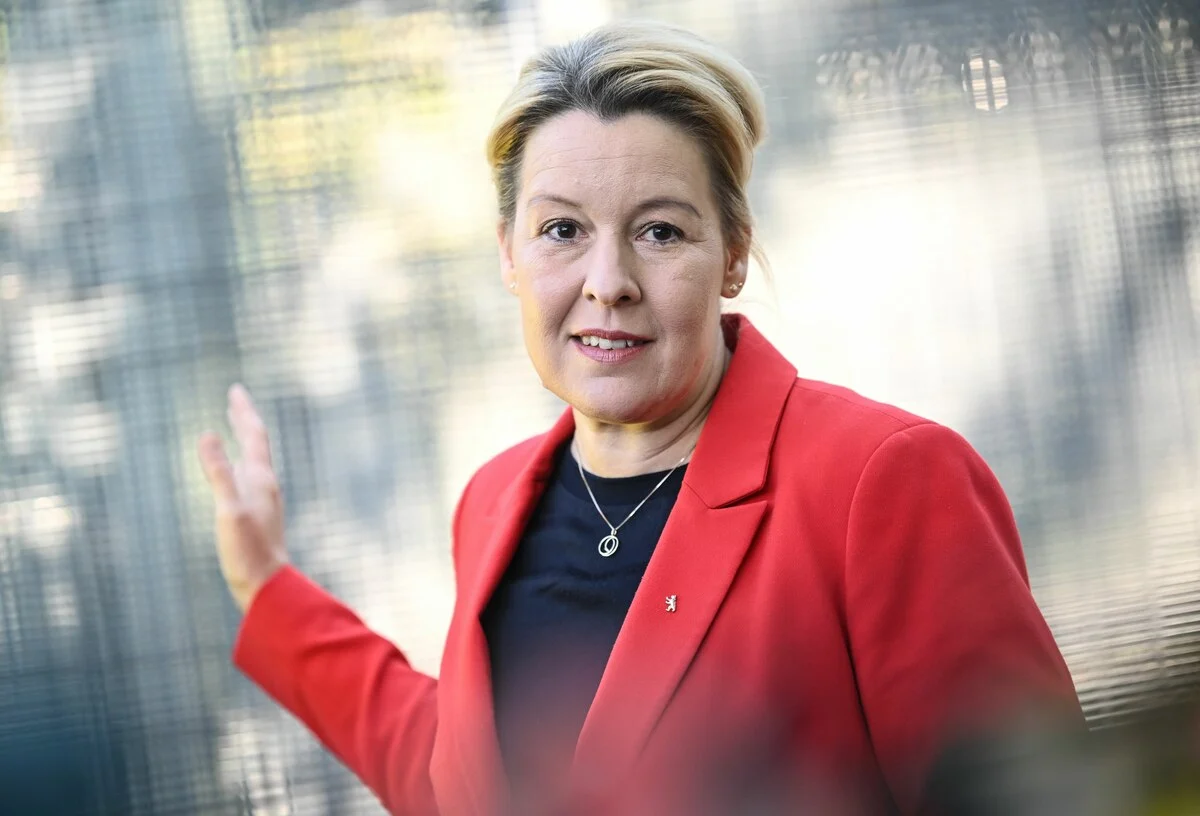
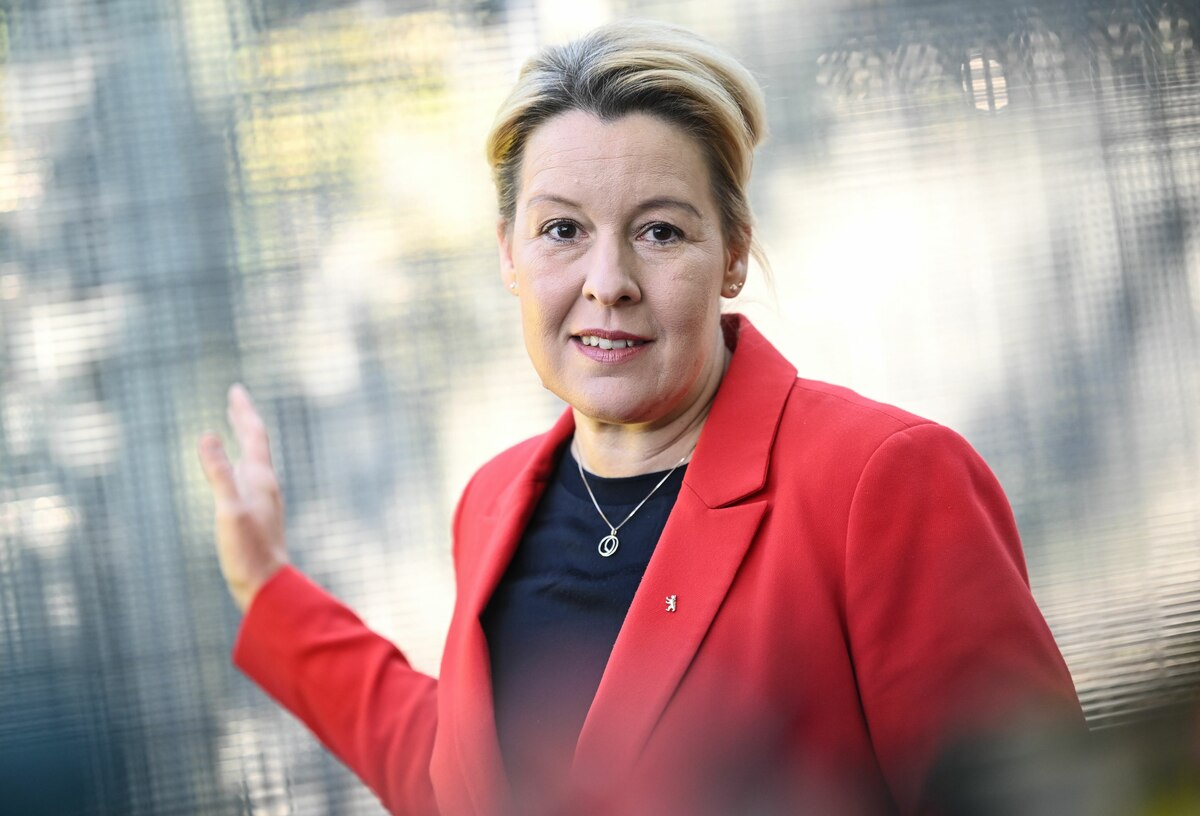
- The Giffey Withdrawal: In a major blow to the coalition effort, former Berlin Senator for Economic Affairs, Franziska Giffey, officially withdrew from the negotiation process. Her public refusal to lead the working group on the economy signaled a profound lack of confidence in the proposed government’s stability.
- The CDU’s Stance: Throughout this period, the Christian Democratic Union (CDU) has remained in the wings, with mayoral candidate Stefan Evers being criticized by SPD faction leader Steffen Krach for failing to proactively reach out to start potential exploratory talks for a different coalition structure.
Supporting Data and Political Analysis
The apprehension within the SPD is not merely intuitive; it is backed by a growing list of grievances that the party fears will be impossible to reconcile within a three-party government.
The Problem of Financial Credibility
Beyond the security concerns, there is a mounting fear regarding fiscal responsibility. Critics within the SPD have pointed out that the coalition partners have made a plethora of campaign promises—particularly regarding the "socialization" of assets and public services—that lack any coherent financial grounding in the current Berlin state budget. The inability of the potential coalition to provide a realistic fiscal framework for these projects has led to skepticism even among those who might otherwise be ideologically aligned with the partners.
The "Empty Room" Argument
Bundestag members have been increasingly vocal about the fact that Berlin does not exist in a vacuum. As Siemtje Möller noted, decisions made in the capital have ripple effects on federal policy and Germany’s international standing. By entering into a coalition that is perceived as soft on antisemitism or blind to the influence of radical networks, the SPD risks damaging its national credibility. The call for closer coordination between the Berlin state branch and the national party reflects a loss of trust in the local leadership’s ability to navigate these complex moral and political waters.

Official Responses and Internal Discord
The response from the SPD leadership has been characterized by a fragile "wait-and-see" approach, which has only fueled further internal dissent.
Steffen Krach’s Defensive Posture
Steffen Krach, the SPD faction leader in the Berlin House of Representatives, has attempted to thread a needle between maintaining the negotiation process and acknowledging the validity of the criticism. In an appearance on the ZDF heute journal, Krach emphasized that there is "no automatism" that guarantees the coalition will proceed to a formal agreement. He labeled the implications of the Eralp reports as "devastating" for the public’s perception of the state’s security apparatus, particularly the police and the judiciary.
However, Krach simultaneously faces pressure for his handling of the potential alternative: the CDU. By admitting that he would be willing to engage in talks with the CDU should Stefan Evers extend an invitation, Krach is essentially keeping a "Plan B" alive, highlighting the precarious nature of the current rot-grün-rot (Red-Green-Red) project.
Franziska Giffey’s Principled Exit
Franziska Giffey’s decision to remove herself from the economic working group was perhaps the most significant individual act of protest thus far. In a statement on Instagram, Giffey made it clear that she could not, in good conscience, lead negotiations for a platform she fundamentally distrusts. Her critique was surgical, focusing on:

- Antisemitism: The unresolved relationship between the Left Party and Islamist networks.
- Organized Crime: The failure to address the influence of criminal milieus within the coalition’s support base.
- Fiscal Reality: The lack of funding for promised social programs.
Giffey’s departure serves as a rallying point for other dissenters within the party who feel that the leadership has prioritized political survival over the long-term integrity of the Berlin government.
Joachim Gauck’s Pragmatic Skepticism
Even outside the active political fray, voices of authority have weighed in. Former Federal President Joachim Gauck, appearing on Maybrit Illner, offered a nuanced but ultimately grim assessment. While he acknowledged that the democratic process dictates that the election winner (the Left) should have the right to attempt to govern, he expressed deep personal skepticism. Gauck remarked that his "gut" tells him the coalition is untenable, particularly due to the Left Party’s struggle to "tame" its radical fringes. His intervention highlights the concern that a government that cannot control its own base is a danger to the stability of the state.
Implications for the Future of Berlin
The implications of this standoff are profound. For the Berlin SPD, the current situation is a lose-lose scenario. If they proceed with the coalition, they risk losing the support of the moderate electorate and the trust of their federal counterparts, potentially alienating voters concerned with security and fiscal discipline. If they abandon the coalition, they face the prospect of a legislative gridlock or a potential snap election, which carries its own set of electoral risks.
Furthermore, the ordeal has exposed a deep cultural divide within the city’s political apparatus. The struggle to reconcile the demands of traditional left-wing social policy with the hard realities of national security and law enforcement indicates a pivot point for the city. Berlin, often seen as a bastion of progressive politics, is now forced to confront the limits of its ideological tolerance.

As the parties continue to navigate these murky waters, the message from the critics is clear: the credibility of the SPD is on the line. Whether they choose to form a shaky alliance with the Left or pivot toward a more centrist configuration, the decisions made in the coming weeks will likely define the political trajectory of the German capital for years to come. The era of easy consensus in Berlin has effectively ended, replaced by a period of necessary, if painful, introspection regarding the true cost of political power.