In Santiago de Chile, the Museum of Memory and Human Rights has inaugurated a landmark exhibition titled “A plena luz, todavía” (“In plain sight, still”). This multimedia project, a collaborative effort between the museum and Berlin’s Free University, seeks to drag the dark history of the Colonia Dignidad out of the shadows. Yet, for many survivors and human rights advocates, the exhibition serves as a bittersweet milestone: it provides necessary historical clarity while highlighting the uncomfortable reality that, decades after the crimes were committed, the site of the atrocities itself remains devoid of a proper memorial or documentation center.
The Dark Legacy of Colonia Dignidad
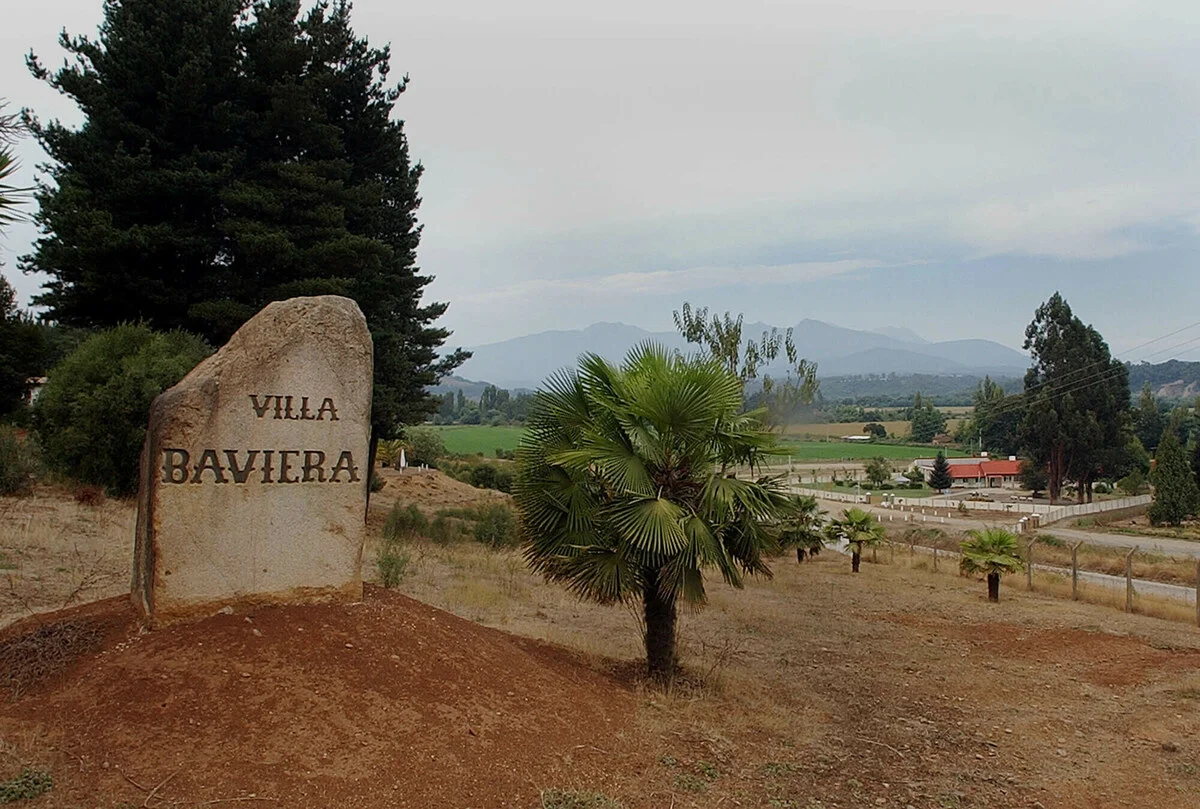
Founded in 1961 by German preacher Paul Schäfer, the Colonia Dignidad—now known as Villa Baviera—was marketed as a charitable agricultural commune. In reality, it operated as a hermetically sealed cult characterized by systematic child abuse, forced labor, and psychological indoctrination. Following the 1973 military coup in Chile, the compound’s dark history intertwined with the brutal machinery of the Pinochet dictatorship.
The leadership of the sect collaborated directly with the DINA, the regime’s secret police, transforming the compound into a site for the detention, torture, and "disappearance" of political prisoners. Despite international outcry and the eventual flight and arrest of the sect’s leadership, the site’s transition to a "tourist attraction"—complete with a Bavarian-themed hotel and restaurant—has been viewed by many as an attempt to sanitize and exploit a site of profound trauma.
A Chronology of Suppression and Struggle
- 1961: Paul Schäfer founds the settlement in the Parral region of Chile.
- 1973–1990: The colony functions as a secret detention and torture center for the Pinochet regime.
- 2005: Paul Schäfer is finally arrested in Argentina, leading to the gradual exposure of the sect’s systemic crimes.
- 2017: The German and Chilean governments sign a formal Memorandum of Understanding (MoU) to establish a memorial and documentation site at the former colony.
- 2024: Plans for an expropriation of land for a memorial are blocked by the current administration under the influence of conservative political shifts.
- 2025/2026: The opening of the multimedia exhibition at the Museum of Memory in Santiago serves as a critical, albeit partial, step in public education.
The Failure of Legal and Physical Redress
The judicial reckoning has been notoriously sluggish. In Germany, legal efforts to hold perpetrators accountable for crimes committed abroad have largely stalled, with not a single conviction resulting from the hundreds of accusations filed over the decades. This judicial impotence has been mirrored by a lack of physical progress on the ground in Chile.
For years, the plan to transform a portion of the former colony into a memorial was the focal point of bilateral cooperation. However, the political climate in Chile has shifted. The administration of José Antonio Kast—an avowed admirer of the Pinochet era—has effectively halted the momentum initiated by the previous government under Gabriel Boric. By stopping the expropriation processes, the current government has signaled that the site will not be reclaimed for collective memory in the way survivors and historians had hoped.
Official Responses and Diplomatic Friction
The tension between the German and Chilean governments remains a delicate diplomatic dance. The binational commission, tasked with overseeing the memorial project, continues to meet biannually, yet the results are increasingly thin. While the German Federal Foreign Office has provided the majority of the funding for the new exhibition in Santiago, the lack of a permanent, site-specific memorial is a point of contention.

Historian Evelyn Hevia Jordán, the curator of the new exhibition, argues that the current initiative is a "milestone in the history of coming to terms with the past." However, she acknowledges the severe limitations imposed by the current political environment in Chile. The rhetoric from Justice Minister Fernando Rabat—who previously served as a lawyer for individuals linked to the regime—suggests that the state is leaning toward a "smaller, more cost-effective" form of commemoration. Critics view this as a euphemism for minimizing the state’s culpability and avoiding a full, transparent reckoning with the past.
Implications for Global Memory Politics
The struggle over Colonia Dignidad is not merely a local Chilean issue; it is a profound test of the international community’s commitment to human rights. The fact that an active torture site remains a commercial hospitality business is an affront to the victims.
The exhibition in Santiago is designed to serve as a catalyst for ongoing public debate. By presenting thousands of documents, photos, and personal testimonies, it forces the public to confront the uncomfortable reality of the site’s origins. However, the exhibition is a temporary solution to a permanent problem. Without the establishment of a formal foundation or trust to manage the site as a dedicated memorial, the history risks being buried under the layers of commercialization and political revisionism.

The Path Forward
To move beyond the current impasse, several concrete steps are required:
- Institutionalization: The creation of an independent foundation, supported by both Germany and Chile, is essential to secure the land and the archives against commercial interests.
- Legal Persistence: International pressure on the German judiciary to re-examine the legal avenues for prosecuting perpetrators residing within its borders remains crucial.
- Educational Integration: The materials currently featured in the museum exhibition should form the core of a permanent pedagogical program, ensuring that future generations in both Germany and Chile understand the mechanics of state-sponsored terror and cult manipulation.
The exhibition “A plena luz, todavía” is a reminder that while the truth may be "in plain sight," it is not necessarily in the minds of those who hold the power to change the landscape. As the political winds in Chile turn toward a more nationalistic and revisionist posture, the responsibility falls increasingly on the German government and international civil society to remain "beharrlich"—persistent—in demanding that the site of the Colonia Dignidad be treated with the solemnity, respect, and historical accuracy it deserves.
Justice for the victims of the Colonia Dignidad requires more than just a temporary exhibition in a museum; it requires the physical transformation of the site itself. Until the Bavarian-style tourist traps are replaced by a space for reflection and truth, the memory of those who suffered there will continue to be held hostage by a silence that persists "even now."