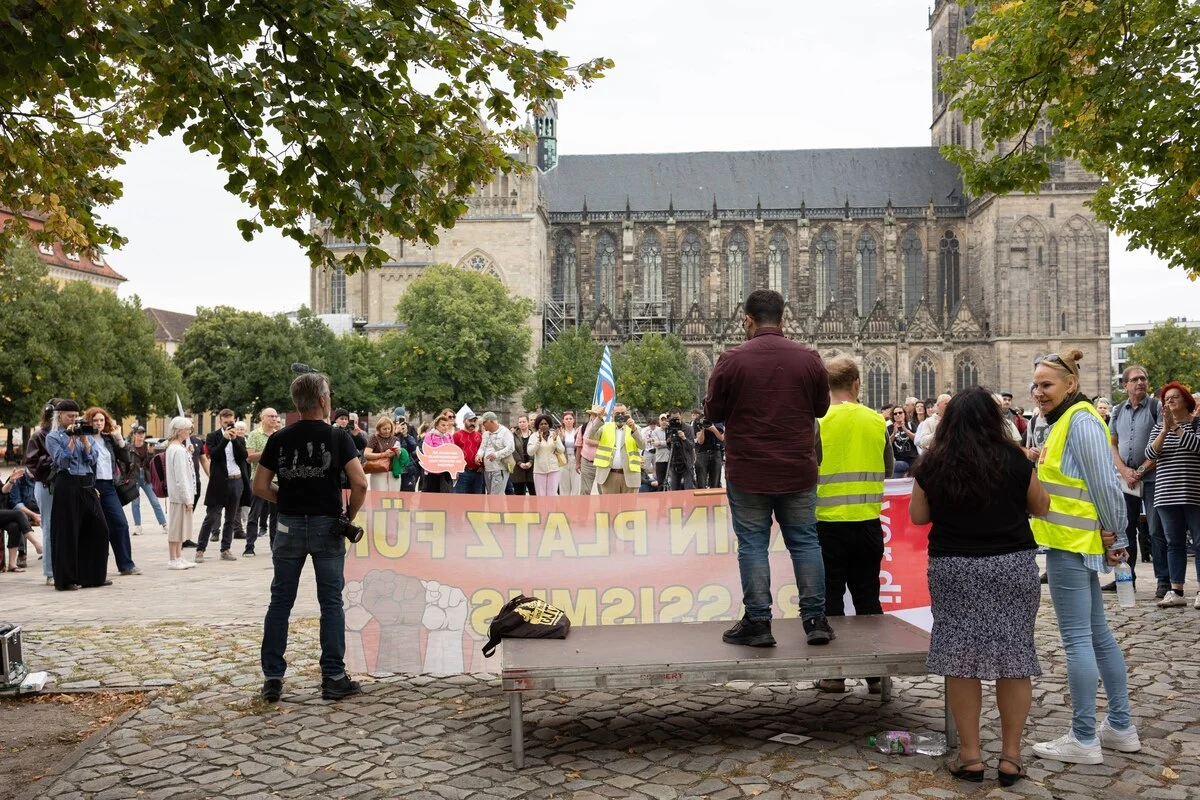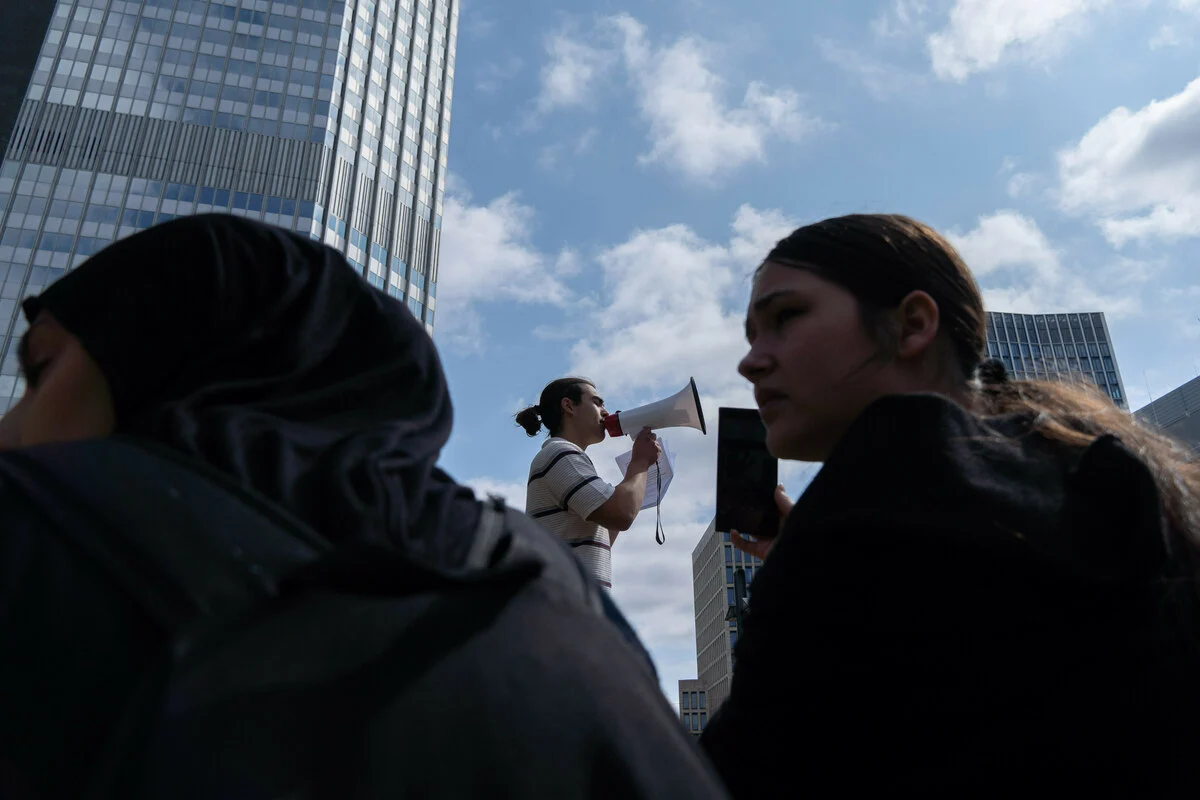
As the social and economic fabric of Germany faces increasing strain, a new movement has emerged under the banner of "Gen Z regelt" (Gen Z is taking charge). With plans for coordinated, nationwide demonstrations across 24 cities, the group seeks to address systemic issues—ranging from crumbling educational infrastructure and the cost-of-living crisis to the anxiety surrounding potential reintroduction of mandatory military service. However, before the first placard could be raised or the first slogan chanted, the movement has found itself the target of a preemptive, aggressive political offensive from the established conservative bloc.
The reaction from the Union (CDU/CSU) and elements within the SPD has been swift and, according to critics, disproportionately bellicose. By framing the mobilization through the lens of potential violence—drawing comparisons to civil unrest in France—politicians have effectively preempted the substantive goals of the protesters. This approach raises a critical question about the health of Germany’s democratic culture: Is the political establishment genuinely concerned about public order, or are they weaponizing the fear of unrest to stifle legitimate dissent from a generation that feels systematically ignored?
The Anatomy of a Preemptive Strike
The political response to "Gen Z regelt" has been characterized by what many observers describe as "fear-based governance." Rather than engaging with the protesters’ grievances, segments of the political establishment have launched a rhetorical counter-attack. The argument, often repeated in the halls of the Bundestag and regional parliaments, centers on the alleged risk of "criminal energy" among demonstrators.
This narrative is not merely a critique of protest tactics; it is deeply intertwined with broader, more insidious tropes. The discourse often relies on the implicit—and sometimes explicit—assumption that migrant-led or diverse youth movements are inherently prone to chaos. This "racialized" framing of the protest movement suggests that because the participants do not mirror the traditional, white, academic-bourgeois demographic associated with movements like Fridays for Future, they must be treated as a threat to state security rather than as stakeholders in the democratic process.

Chronology of the Escalation
The escalation began shortly after the announcement of the nationwide protests. The timeline of the political backlash follows a predictable path of securitization:
- Announcement Phase: The "Gen Z regelt" movement formally announces its plans to hold rallies across 24 German cities, citing inflation, housing inequality, and the failure of the education system as primary drivers.
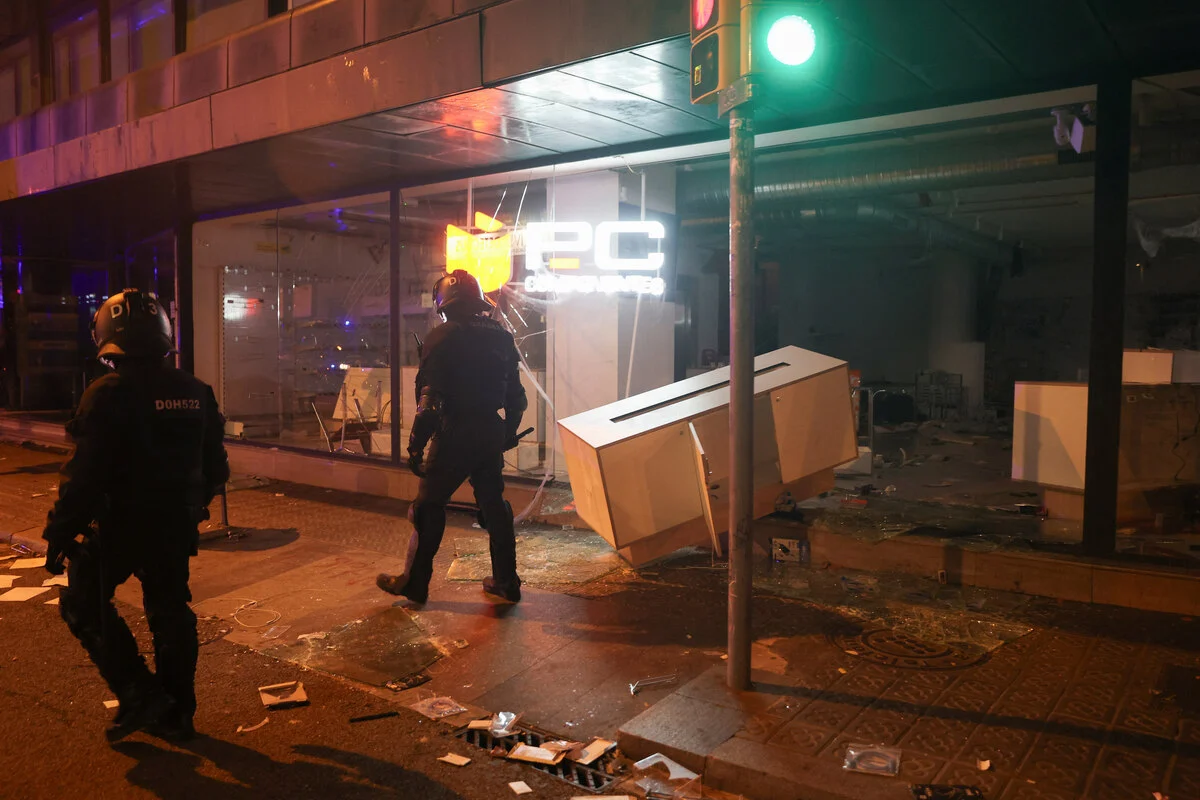
- The Rhetorical Shift: Almost immediately, conservative politicians begin drawing parallels to the recent, often violent, civil unrest in France. These comparisons are used to justify a "tough-on-crime" stance before any disruption occurs.
- The Policy Threats: The rhetoric turns to actionable policy threats. The Junge Union (the youth wing of the CDU/CSU) suggests the involvement of the Bundeswehr (German Armed Forces) to maintain order—a proposal that legal scholars have widely panned as constitutionally prohibited for domestic police operations.
- Local Suppression Efforts: Simultaneously, local CDU chapters, notably in Stuttgart, begin publicly lobbying for the outright prohibition of the demonstrations, citing "public safety" concerns despite the organizers’ clear commitment to non-violence.
Supporting Data and the "Youth Deficit"
The political panic surrounding these protests is largely a symptom of a deeper, long-standing disconnect between the establishment and the youth. Electoral data from recent state elections paints a stark picture: the Union parties have struggled significantly to gain traction among voters under 30, failing in many instances to capture even 10 percent of the youth vote.

This "youth deficit" is not merely a branding issue; it is a policy failure. The current generation of young adults in Germany is facing a unique convergence of crises:
- Education: A crumbling school infrastructure that lacks basic resources and digital integration.
- Housing: A rental market that has become inaccessible, effectively locking out those without generational wealth.
- Labor: An environment characterized by precarious employment, where a "migrant-sounding" name often acts as a barrier to even the most basic job interviews.
By labeling these protesters as potential extremists or agents of chaos, the political class is effectively closing the doors of dialogue. When a demographic group is told that their only options are to remain silent or be branded as a "threat," the space for constructive democratic participation vanishes.

The Constitutional and Democratic Implications
The suggestion that the Bundeswehr should be deployed to suppress domestic protests—a demand floated by members of the Junge Union—is not just a radical policy proposal; it is an assault on the German Basic Law (Grundgesetz). The German constitution is explicitly designed to prevent the military from being used as an instrument of internal policing, a direct response to the nation’s history of authoritarianism. That such a suggestion could be made in mainstream political discourse is a bellwether for how far the "security-first" mentality has eroded institutional norms.
Furthermore, the dismissal of the organizers’ explicit, repeated renunciations of violence is telling. The "Gen Z regelt" movement has gone to great lengths to distance itself from extremism. Yet, these assurances are routinely ignored. When the state and the opposition refuse to believe in the legitimacy of a protest movement’s stated values, they are essentially arguing that the "right to demonstrate" is contingent upon the approval of the ruling class. This is the antithesis of a liberal democracy.

Official Responses and the "Distraction" Narrative
The reaction from established bodies, such as the Federal Student Conference (Bundesschülerkonferenz), has been mixed. While some have distanced themselves from the protests, citing concerns that "violence and calls for violence distract from actual problems in the education system," they miss the point. The irony is that the constant, breathless media and political focus on the possibility of violence is the primary distraction.
By centering the debate on the hypothetical conduct of the demonstrators, the government and the opposition successfully avoid discussing the actual problems:

- Why are schools failing?
- Why are property distributions so skewed?
- Why does the state appear to have no solutions for the next generation beyond military spending and austerity?
Conclusion: A Failing Strategy
The "Gen Z regelt" protests are a reflection of a generation that has run out of patience. When young people feel that their future is being systematically dismantled, they will turn to the streets. The choice for the establishment is clear: they can continue to treat this generation as a security problem to be managed, or they can start treating them as citizens with legitimate, urgent needs.
The current strategy—demonizing dissent, calling for unconstitutional measures, and dismissing the legitimacy of the protestors—is a short-sighted maneuver. It may offer a temporary veneer of "toughness" for political consumption, but it ultimately hollows out the democratic process. In the long run, the refusal to listen to the next generation will only exacerbate the very instability that the political class claims to fear. If the Union and others continue to "solve" their lack of youth support through repression, they are not protecting democracy; they are actively ensuring its decline.