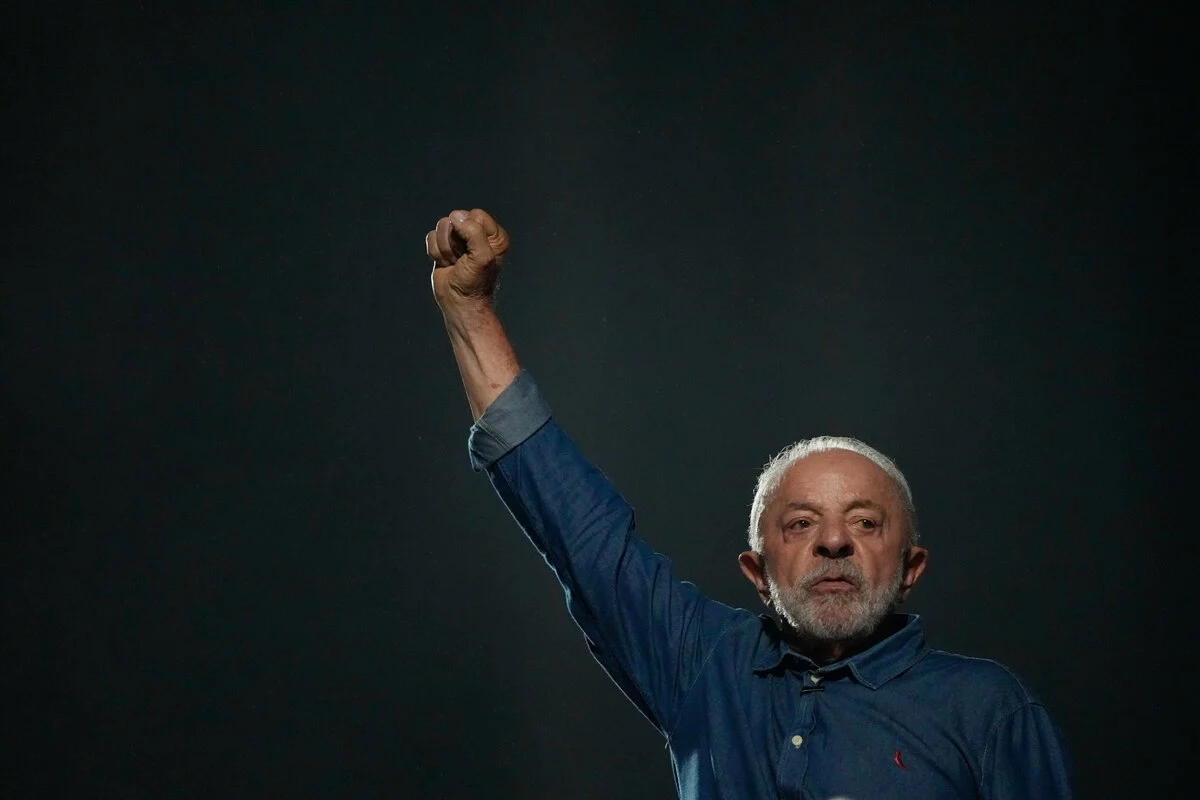
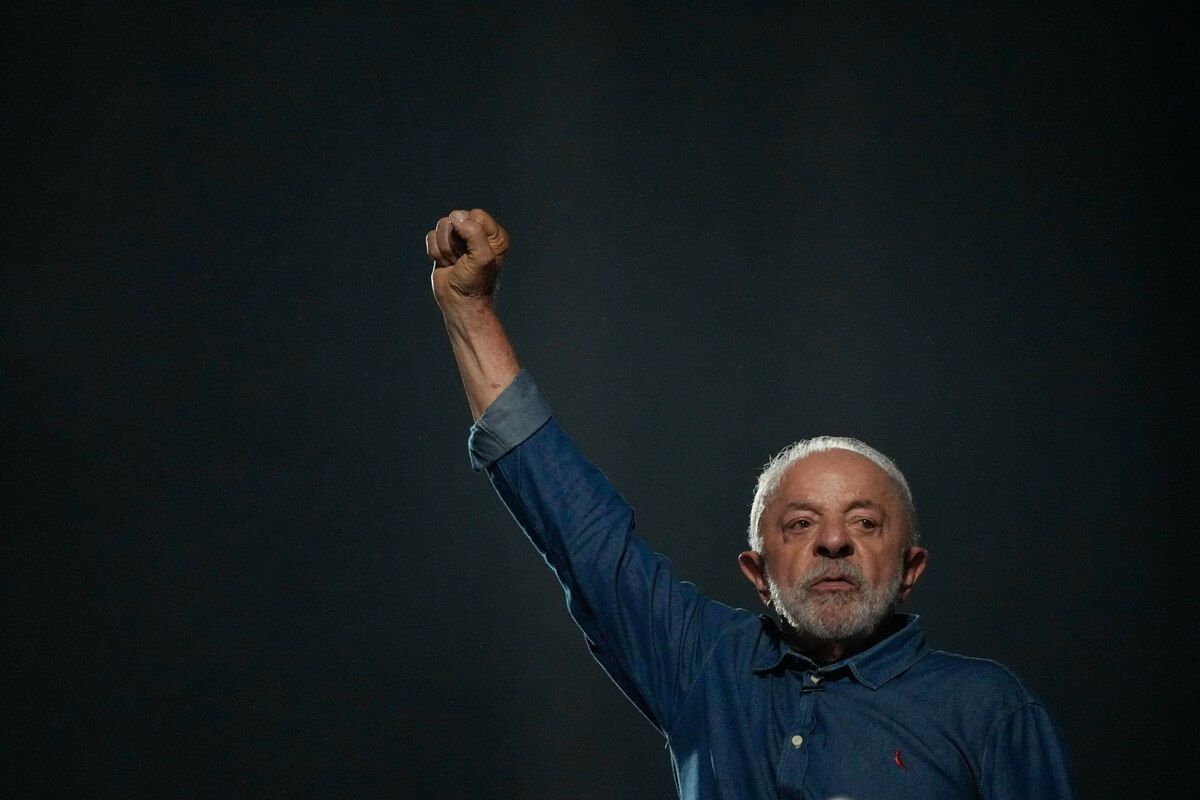
Following the democratic confirmation of Luiz Inácio Lula da Silva as Brazil’s next president, the nation’s financial markets have plunged into a state of reactive volatility. While celebrations erupted in the streets, the São Paulo Stock Exchange (B3) witnessed a historic downturn, triggering automatic circuit breakers—a protective mechanism not seen since the height of the COVID-19 pandemic. As the dust settles, analysts, investors, and policymakers are left to grapple with the same question that has haunted Brazilian politics for two decades: Is this a structural crisis or merely a predictable, reflexive panic?
The Anatomy of the Market Crash
The immediate aftermath of the election results was characterized by sharp, aggressive selling. The Bovespa index, Brazil’s benchmark, plummeted by as much as 17 percent in a single session. This rapid decline was not isolated; it was accompanied by a spike in country risk premiums and an increase in long-term interest rate projections. The Brazilian Real (BRL) faced significant pressure, with the dollar climbing to a daily high of 5.60.
Particularly hard-hit were major retail chains, with companies like Magalu and Vamos seeing their market capitalization slashed by more than half. Einar Rivero, a partner at the financial consultancy Elos Ayta, noted in an interview with the platform Neofeed that the scale of the reaction points toward a wider phenomenon of risk aversion. "The most significant stock market crashes have consistently occurred in environments of heightened uncertainty, particularly when external or internal events trigger a mass movement toward risk mitigation," Rivero explained.
A Historical Retrospective: The 2002 Déjà Vu
To understand the current volatility, one must look back at 2002, the year Lula was first elected. At that time, the international financial community viewed the former labor leader with profound skepticism. The prevailing narrative in banking circles suggested that a victory for the left would inevitably lead to sovereign default, capital flight, and radical fiscal abandonment.
When his 2002 victory was confirmed, the Bovespa index dropped 4.4 percent, and the exchange rate experienced severe fluctuations. Lula, famously ironic at the time, remarked, "I have never seen such a sensitive market." However, the crisis was short-lived. Lula’s subsequent "Letter to the Brazilian People," in which he committed to fiscal discipline and a moderate economic approach, acted as a circuit breaker for investor confidence. Under his subsequent administration, the market not only recovered but flourished, with the Real appreciating by nearly 100 percent over his tenure.
The current panic mirrors this historical pattern but operates in a vastly different domestic landscape. While investors draw comparisons to the market reaction following the 2014 victory of Dilma Rousseff, the context today is shaped by post-pandemic debt levels and a shift in the global geopolitical climate.

The Fiscal Tightrope: Spending vs. Sustainability
The core of the current market anxiety lies in the tension between Lula’s ambitious social agenda and the state’s fiscal capacity. Brazil’s debt-to-GDP ratio stood at approximately 81.9 percent as of mid-2026, according to Central Bank data. Investors fear that a massive injection of capital into social programs—the hallmark of Lula’s platform—could exacerbate inflationary pressures and destabilize the government’s fiscal trajectory.
Under the previous administration of Jair Bolsonaro, the market had priced in a different set of expectations. During the campaign, sectors such as the oil giant Petrobras saw their shares rise on the anticipation of reduced environmental regulations and a pro-market, deregulatory stance. Although the Bolsonaro administration struggled to implement its promised structural reforms—including broad privatization and significant tax reductions—the markets had grown comfortable with the ideological trajectory of the government.
The transition to a Lula presidency, which prioritizes state intervention and aggressive environmental protection, represents a fundamental shift in the economic "rules of the game" for many institutional investors.

Official Perspectives and Market Contradictions
Despite the panic, some institutional leaders urge calm, arguing that the sell-off is disconnected from corporate fundamentals. Magda Chambriard, head of Petrobras, has publicly dismissed the stock price decline as a symptom of speculative hysteria rather than a reflection of the company’s actual financial health. She recently advised shareholders that "now is the time to buy," signaling that the underlying value of Brazil’s industrial giants remains intact.
Furthermore, analysts point out that the market’s prognostications are not infallible. During the Bolsonaro years, the predicted "economic miracle" failed to materialize; even before the pandemic, GDP growth remained sluggish and largely stagnant. Conversely, Lula’s first two terms were characterized by one of the most stable and prosperous periods in modern Brazilian history, defying the alarmist forecasts of 2002.
The Path Forward: Defining the Economic Cabinet
The volatility of the current market is, in many ways, a "wait-and-see" phenomenon. The primary indicator that will determine whether the markets stabilize is the composition of the new economic team. The selection of a Finance Minister and the unveiling of a concrete, credible budget plan will be the decisive factors in restoring confidence.

The presence of Geraldo Alckmin, the conservative Vice President-elect, is seen by many in the financial sector as a stabilizing force—a "bridge" between the progressive agenda of the Workers’ Party and the expectations of the business elite. His role in the incoming administration is being closely watched as a proxy for the degree of moderation the new government intends to pursue.
Structural Implications for Brazil’s Democracy
Beyond the daily fluctuations of the Bovespa, the election outcome highlights a broader tension between the democratization of the economy and the demands of international capital. The current market reaction is not merely a rejection of specific policies, but a manifestation of the anxiety surrounding the "progressive turn" in Latin American politics.
However, the resilience of Brazilian institutions suggests that the market will eventually adapt. As the new administration settles in, the focus will likely shift from ideological skepticism to empirical results. If Lula can manage the delicate balance between social investment and fiscal responsibility—as he did during his initial terms—the current "panic" will likely be relegated to a footnote in the history of Brazil’s democratic maturation.

Ultimately, the lesson of the past two decades is that Brazil’s economy is more robust than its markets often assume. While the "Lula effect" may cause tremors in the short term, the long-term trajectory of the nation remains tied to its structural strengths: a vast industrial base, a strong agricultural sector, and a consolidated democratic process that, while challenged, has once again proven its capacity to handle the peaceful transition of power.
Investors now face a classic dilemma: succumb to the "sensitivity" of the market, or look past the headlines toward the underlying fundamentals of a nation that has historically proven its detractors wrong. The upcoming months will be the ultimate test of this resolve.