By International Correspondent
In the volatile landscape of South African politics, few entities have risen as meteorically—or imploded as chaotically—as the uMkhonto weSizwe (MK) party. Founded by former President Jacob Zuma, the party sent shockwaves through the political establishment during the 2024 parliamentary elections, effectively stripping the African National Congress (ANC) of its long-held absolute majority. Yet, as the nation approaches the critical local government elections on November 4, the party finds itself trapped in a cycle of internal cannibalism that threatens to render its recent electoral success a fleeting phenomenon.
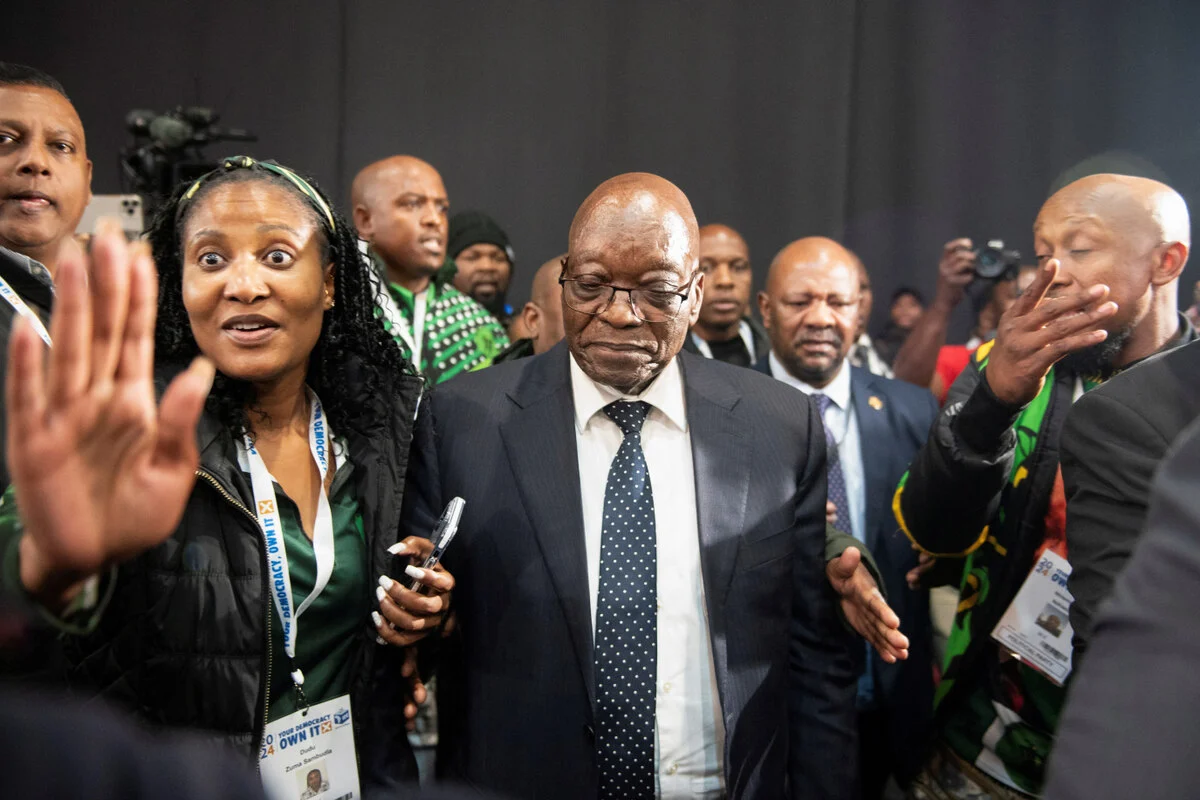
The recent dismissal of Sibonelo Nomvalo, the party’s eighth secretary-general in less than two years, is not merely a bureaucratic footnote; it is a symptom of a deep-seated institutional rot. With the 84-year-old Zuma’s health in a state of growing uncertainty and the party’s internal structures operating as an extension of the former president’s personal whims rather than democratic processes, observers are increasingly asking: Is the MK party architecting its own demise before it can ever truly govern?
The Anatomy of a Purge: Chronology of Instability
To understand the current crisis, one must look at the unprecedented turnover rate within the MK hierarchy. Since its inception in December 2023, the party has churned through a dizzying array of leadership figures. The departure of Nomvalo, who had only been in office since March, follows the exits of high-profile figures including Thanduxolo Dyodo, Mashudu Tshivhase, Sihle Ngubane, Arthur Zwane, Sifiso Maseko, the prominent political operator Floyd Shivambu, and Bongani Mncwango.
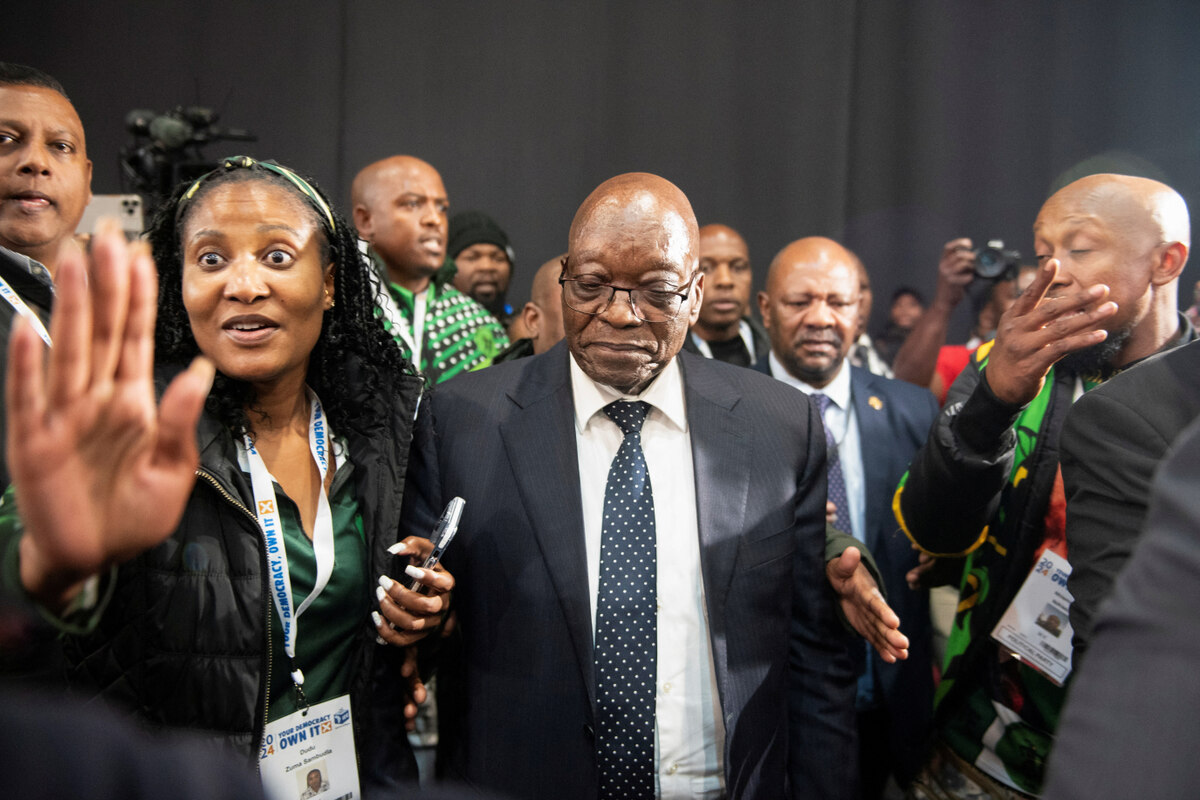
The pattern is stark: as soon as a leadership figure gains traction or attempts to assert organizational autonomy, they are summarily removed. The speed at which these "generals" are dismissed suggests a party environment where dissent is treated as treason. The removal of Nomvalo was framed by the party leadership as a corrective measure against “factionalism” and “procedural breaches,” yet these justifications ring hollow against the backdrop of a party that lacks formal internal elections, relying instead on direct appointments by Zuma himself.
Administrative Chaos and Allegations of Misconduct
The specific charges leveled against Nomvalo reflect a party struggling with the basic tenets of administrative governance. In a statement released late Thursday, the MK leadership accused the outgoing secretary-general of:
- Financial Irregularities: Allegations of "multiple payments" and a lack of transparency in the disbursement of party funds.
- Operational Sabotage: Delays in the delivery of critical campaign materials ahead of the November 4 polls.
- Unauthorized Restructuring: Unilateral changes to parliamentary staff and the creation of high-level committees without the consent of the national executive.
- Factionalism: The cultivation of internal cliques that prioritize individual influence over party unity.
While the party insists these actions violated their constitution, critics argue that the "violation of rules" is a convenient pretext for removing anyone who fails to display absolute, unquestioning loyalty to the Zuma camp. The appointment of Lindiwe Mtshali as the acting secretary-general, tasked with working alongside mayoral candidate Mxolisi Phakathi to ensure "effective execution of decisions," signals a return to a more centralized, authoritarian command structure.
The "Zuma Factor": Personality Politics vs. Institutional Longevity
The MK party’s identity is inextricably linked to the persona of Jacob Zuma. For his supporters, he remains a symbol of resistance against the perceived elitism of the post-apartheid ANC. However, the reliance on a single charismatic leader is a double-edged sword. With Zuma’s recent hospitalization—the details of which remain shielded from the public—the party faces a crisis of succession and stability.

Unlike traditional political parties that possess robust institutional memory and independent oversight bodies, the MK party is a personal project. When the leader is absent, the machine falters. As political analyst Sabelo Gebenga aptly noted, "This ‘Zuma Club’ surprises us at every turn. But come November 4, the cracks will be visible. I question whether the MK will even exist as a coherent entity by the 2029 national elections."
Implications for the November 4 Local Elections
The upcoming municipal elections serve as a stress test for the MK party. In its stronghold of KwaZulu-Natal, the party’s dominance was built on the charisma of its founder and the promise of a radical departure from the ANC’s policies. However, local government functions on the bedrock of service delivery, administrative stability, and consistent community engagement.
Analysts suggest that while the "Zuma faithful" may remain loyal despite the revolving door of leaders, the administrative turmoil will inevitably hamper the party’s "get-out-the-vote" machinery. A political party that cannot manage its own payroll or staff deployments is, by extension, a party that voters will struggle to trust with the management of municipal budgets and public infrastructure. The loss of key figures like former police minister Nathi Nhleko and the party’s own vice president, John Hlophe, further hollows out the party’s intellectual and operational capacity, leaving it increasingly isolated and reactive.
A Pattern of Attrition: Beyond the Secretariat
The exodus from the MK party extends far beyond the office of the secretary-general. The departure of high-profile members—including the former president’s own daughter, Duduzile Zuma-Sambudla, and prominent figures like Nhlamulo Ndhlela—highlights a broader dissatisfaction within the inner circle.

When a party loses its chief spokesperson, its vice president, and its key legislative architects within the span of a single year, it is no longer experiencing "growing pains." It is experiencing an institutional hemorrhage. The "politics of the long knife," as some South African commentators have dubbed it, has left the party in a state of permanent internal warfare.
Conclusion: The Path Ahead
The MK party stands at a precipice. It has successfully acted as a disruptor, shaking the foundations of the South African parliamentary system and forcing a realignment of political power. Yet, a party that exists primarily to disrupt others rarely survives the task of building a state.
If the MK party continues to prioritize the personal mandates of its founder over the development of stable, democratic structures, it will likely find itself relegated to the fringes of political relevance. The November 4 elections will determine whether the party is a genuine, sustainable political force or merely a passing vessel for the grievances of a segment of the South African electorate. For now, the "Zuma Club" remains a volatile, unpredictable entity, one that is currently more focused on its internal purges than on the governance of the nation it hopes to lead.
As the dust settles on the latest round of dismissals, one thing is clear: the MK party is testing the limits of how much instability a political organization can endure before it collapses under the weight of its own internal contradictions. Whether the party can reinvent itself as a functioning institution or whether it is destined to remain a personality-driven vehicle destined for the scrapheap of history remains the defining question of this electoral cycle.