In the heart of the Uckermark region, approximately 100 kilometers north of Berlin, the landscape is undergoing a quiet, fundamental transformation. For decades, the local agricultural rhythm was dictated by the plow—the traditional symbol of farming that involves turning over the earth to prepare it for the next season. However, Stefan Bernickel, a 43-year-old farmer and engineer, has decided that the plow is a relic of a climate that no longer exists.
By adopting a radical approach to soil management known as "Strip-Till," Bernickel is proving that conventional, high-yield agriculture can survive the intensifying pressures of climate change—drought, extreme heat, and unpredictable, torrential rainfall—without sacrificing economic viability. His efforts have not gone unnoticed; this year, his farm was honored with the "Blauer Kompass" (Blue Compass) award, a prestigious 25,000-euro prize presented by the German Federal Ministry for the Environment and the Federal Environment Agency.
Main Facts: The Strip-Till Paradigm
The core of Bernickel’s innovation lies in what he does not do: he has abandoned the deep plowing and heavy harrowing that defined his father’s management style. Instead, he utilizes a specialized, high-tech machine that works only narrow strips of soil. In a single pass, this equipment loosens the earth, sows the seed, and applies fertilizer directly into the designated row.
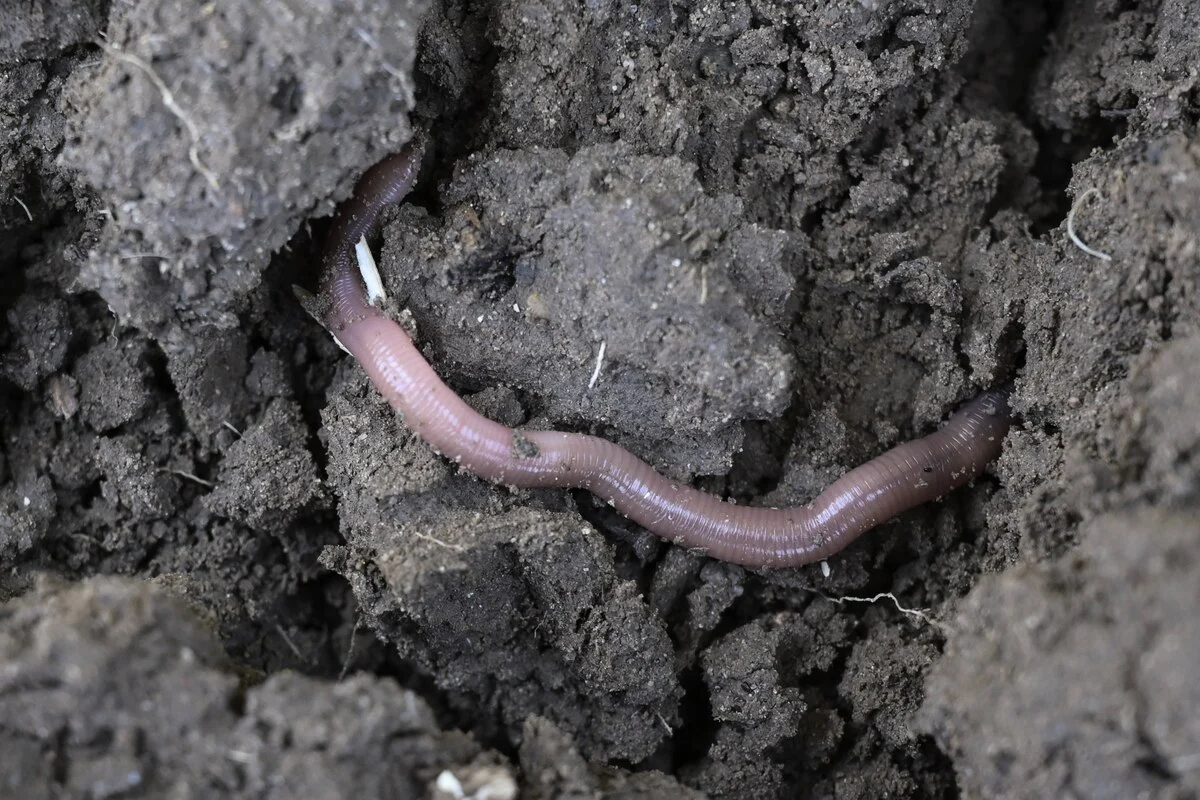
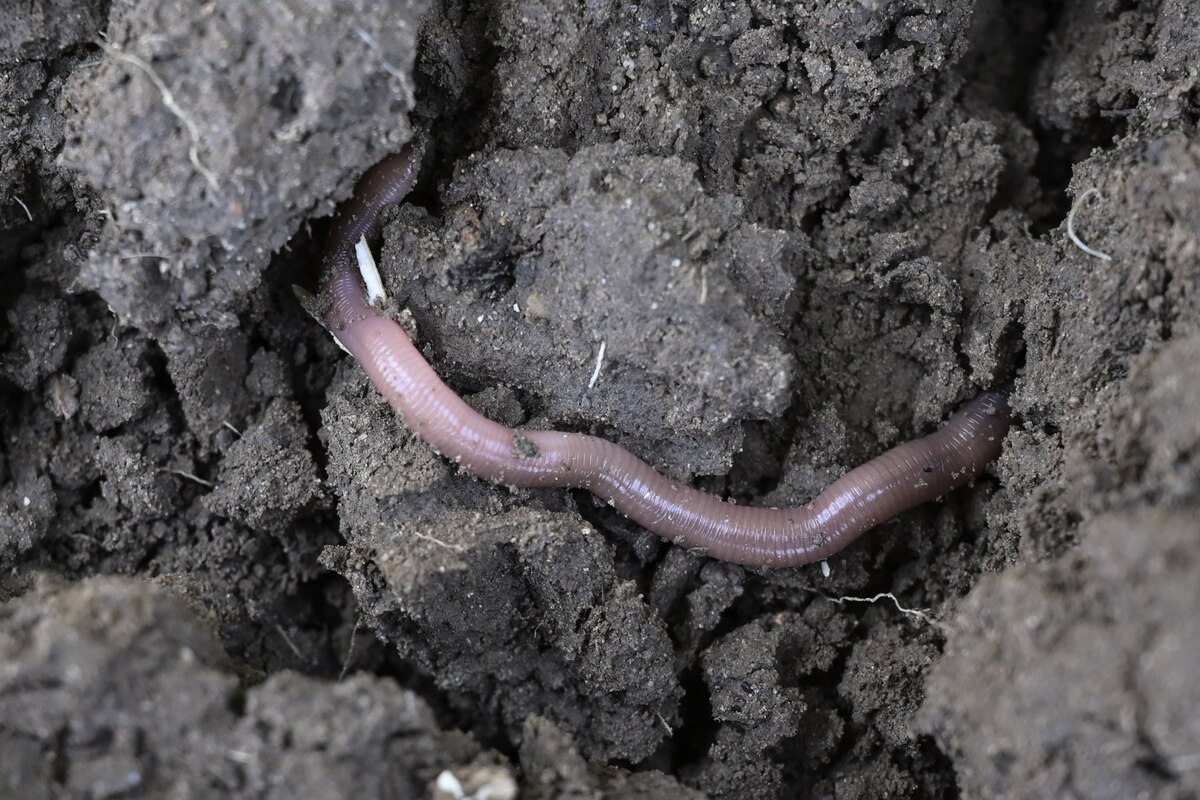
"Eighty percent of the soil remains untouched," Bernickel explains, gesturing to his fields. The result is a dramatic increase in soil health. Even after weeks without rain in a region characterized by sandy, moisture-poor soil, the earth beneath the surface remains cool and damp. When he drives his spade into the ground, he is met not with dry, cracked dust, but with fertile, life-sustaining earth teeming with earthworms—a biological indicator of a healthy, functioning ecosystem.
A Chronology of Change: From Tradition to Transformation
The decision to pivot was not made lightly, nor was it born of a desire to follow a trend. It was a response to a series of environmental shocks that threatened the very existence of the family’s agricultural enterprise.
- 2021: The Inheritance: Bernickel took over the family farm—a traditional four-sided courtyard with timber-framed barns—from his father. At the time, the farm followed a standard, conventional model: no livestock, focused purely on the cultivation of wheat, barley, and rapeseed. It was a model designed for stable weather patterns that were already beginning to erode.
- 2018: The Wake-Up Call: The record-breaking drought of 2018 served as a precursor to the crisis. Massive dust clouds billowed across the Uckermark fields, stripping away the topsoil and signaling the fragility of the status quo.
- 2021: The Catastrophe: If 2018 was a warning, the night of a massive storm in June 2021 was a turning point. A single night of torrential rain dumped 250 liters of water per square meter, effectively washing away the exposed topsoil that had been loosened by traditional plowing.
- Post-2021 Adaptation: Recognizing that the traditional methods were failing, Bernickel leveraged his background as an electrical engineer and his observations from travels in Eastern Europe and North Africa. He began researching alternative soil management techniques, culminating in the purchase of the specialized Strip-Till machinery and a complete overhaul of his farming philosophy.
Supporting Data: Efficiency and Ecology
The transition to conservation tillage has yielded measurable benefits that extend well beyond environmental stewardship; it has become an economic necessity.
Bernickel’s data-driven approach highlights significant operational savings:
- Fuel Consumption: By minimizing soil disturbance, the farm has reduced its annual diesel consumption by 10,000 liters—a 40 percent reduction in total demand.
- Soil Protection: Keeping the stubble on the field creates a protective "blanket" that prevents the ground from overheating. This shielding effect prevents the rapid evaporation of moisture and protects the soil from wind and water erosion.
- Resource Management: By utilizing precision agriculture, the machine is fed data to optimize the distribution of seeds and fertilizer based on real-time soil quality assessments.
"The soil lives," Bernickel notes, emphasizing that this is not just about profit, but about maintaining the biological engine that allows for any crop growth at all.

Official Responses and the Industry Context
While Strip-Till is not a new invention—it is a cornerstone of "conservation agriculture" practiced extensively in Australia to combat desertification—its adoption in Germany remains an ongoing process. According to agricultural authorities, while the method is gaining traction among a small cohort of innovators, it remains outside the mainstream of German farming.
Bernickel is candid about the complexities of this transition. He is not a proponent of organic farming in the traditional sense; he continues to use synthetic plant protection products. He is particularly critical of the current regulatory environment, specifically the ban on neonicotinoid seed treatments. He argues that the policy forces farmers to use larger quantities of surface-level sprays, which he believes is less precise and more environmentally damaging than the original, prohibited methods.
However, he is also a proponent of reducing chemical inputs, driven by both economic pressure and the need to protect his soil’s ecosystem. He employs "companion planting," such as sowing mustard, radish, and fenugreek alongside rapeseed to deter pests like the cabbage stem flea beetle. By shifting the timing of winter wheat sowing, he creates a competitive disadvantage for weeds like the black-grass, reducing his reliance on herbicides by an estimated 75 percent.
Implications for the Future of Agriculture
The implications of Bernickel’s work in the Uckermark reach far beyond his own 300 hectares. He represents a new breed of farmer—one who functions as an engineer, a data analyst, and an ecologist simultaneously.

The Quest for Climate-Resilient Crops
Beyond soil management, Bernickel is experimenting with crop diversification. He is a member of the "Brandenburg Chickpea Ring," a scientific project testing the viability of chickpeas in the region. While the journey has been difficult—with failures due to pests, excessive rain, and cold snaps—the goal remains clear: finding crops that are heat-tolerant and water-efficient to replace or supplement traditional grains that struggle under the changing climate.
Stabilizing Yields in an Unstable Climate
Bernickel is clear about his objective: "My goal is not to maximize yields, but to stabilize them." In a future defined by climate volatility, the ability to produce a reliable harvest despite the extremes of heat, drought, or frost is the ultimate mark of a sustainable business model. By diversifying his crop portfolio (e.g., planting corn alongside wheat) and building a resilient soil structure, he is hedging against the risks that now threaten the traditional, specialized farming systems of the past.
The Technological Imperative
"Without such technology, agriculture has no future," Bernickel concludes. The integration of high-precision data, mechanical innovation, and biological understanding marks the next stage of the agricultural revolution. For the Uckermark and the wider European agricultural sector, the path forward is not found in returning to the old ways, but in using modern technology to work more closely with the natural systems—like the humble earthworm—that have kept the planet fertile for millennia.
As the sun sets over his farm, the contrast is stark: while many neighbors continue to struggle with the consequences of exhausted, eroded soil, Bernickel’s fields remain a vibrant, moisture-retaining sanctuary. He is not just growing crops; he is cultivating the future of food security in an age of uncertainty.