With the publication of Cool Machine, Pulitzer Prize-winning author Colson Whitehead brings his expansive Harlem Trilogy to a definitive, haunting close. Spanning from the 1960s to the mid-1980s, the series serves as more than just a crime narrative; it is a profound literary autopsy of Harlem, a district that has long functioned as the symbolic heart of Black America, and a mirror for the evolving soul of the United States.
The Geography of Resilience: Setting the Stage in 1981
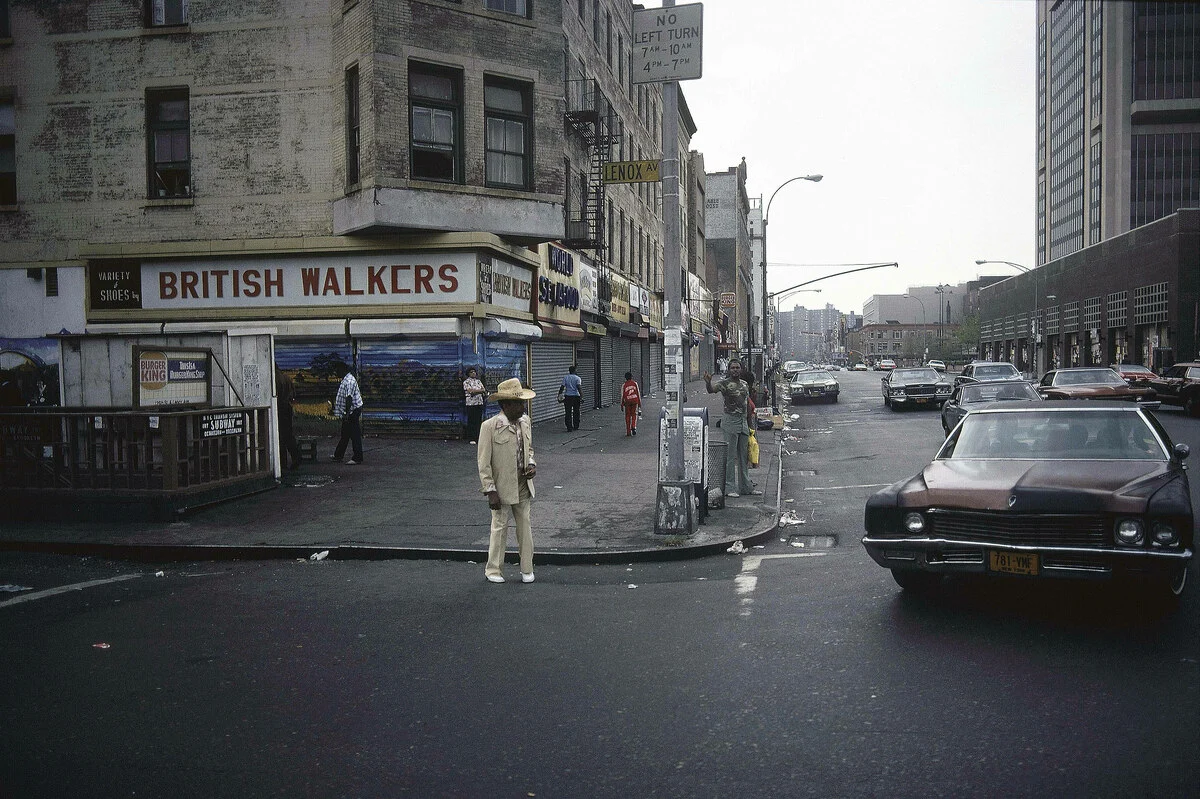
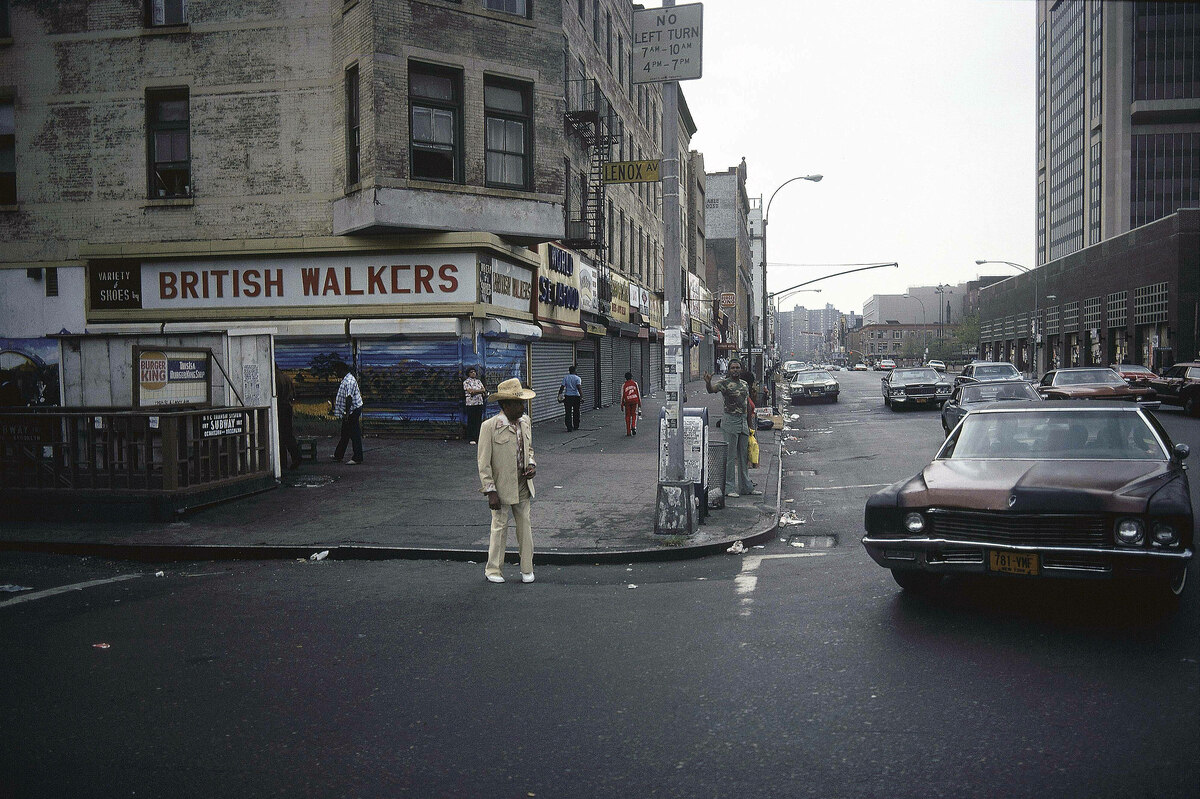
The final installment, Cool Machine, plunges the reader into the sweltering, volatile atmosphere of 1981 New York City. Whitehead introduces the setting with characteristic precision: "The city remained true to its personality that year… a monstrous construct, driven by innate misery, steered by sheer will, and held together by grit, anger, and reinforcing steel."
This is the world of Ray Carney, a man who has spent his life navigating the narrow corridor between legitimacy and the underworld. As in the previous volumes, the city is not merely a backdrop but a primary character. Through Carney’s eyes, we witness the death of the mid-century dream and the birth of the hyper-capitalist, neoliberal landscape that would define the Reagan era. By focusing on Harlem, Whitehead captures the broader American experience: the intersection of systemic inequality, the displacement of vulnerable populations, and the relentless march of "urban renewal."
A Chronology of Decline and Transformation
To understand the gravity of Cool Machine, one must look at the trajectory of the trilogy as a whole:
- The 1960s (Book One): The era of the Harlem Renaissance’s fading glow. The narrative captures the hope of the civil rights movement clashing against the reality of the 1964 race riots, marking the beginning of the neighborhood’s transition into the neglected ghetto of the following decade.
- The 1970s (Book Two): A period defined by "the hot demolition." As middle-class families fled, arson-for-profit became a hallmark of the era, and the drug trade began to hollow out the community. This was a time of fire, decay, and survival.
- The 1980s (Book Three): The setting of Cool Machine. The city is on the brink of a massive financial shift. The "trickle-down" economics of the Reagan era are beginning to manifest in the form of glass-and-steel high-rises that loom over the misery of the streets—a stark visual representation of the widening chasm between the haves and the have-nots.
The Dual Existence of Ray Carney
At the center of this trilogy is Ray Carney, a character designed to embody the "double consciousness" described by W.E.B. Du Bois. Carney is a man of dualities: he is an entrepreneur who owns a furniture store on 125th Street, yet he is also a "fence," a conduit for stolen goods that links the respectable world of commerce with the desperate, jagged edges of the criminal underworld.
Whitehead uses the crime genre—often dismissed as "low" literature—to interrogate "high" societal themes. Each episode in the trilogy centers on a heist, moving from the refined rooms of the Hotel Theresa to the high-stakes poker games of the elite, and finally to the theft of Jesse Owens’ gold medal. These are not merely stories of greed; they are allegories for the theft of opportunity, dignity, and history from the Black community.

Carney’s struggle for "respectability" is a recurring motif. Despite his success, he remains an outsider, looked down upon by the Black professional class and exploited by the corrupt institutions of white power. He is, as Whitehead notes, living in the "doorway"—a liminal space between "dormir" (sleep) and "éveillé" (awake).
Socio-Economic Implications: The Neoliberal Shift
The most chilling aspect of Cool Machine is its depiction of New York’s transformation into a city managed by financiers rather than citizens. The 1980s in Whitehead’s narrative serve as a grim prophecy for the contemporary United States.
The novel highlights the systematic exclusion of Black businesses from credit markets, even as the city’s skyline is redesigned to exclude the poor. The "hot demolition" of the 70s gives way to the corporate gentrification of the 80s. This shift is mirrored by the growth of a "shadow realm" of the homeless and the desperate, a population so alienated from the economic miracle above them that they seem to resemble a "zombie army" in the book’s climax—a subtle nod to the dystopian horror films of that decade, such as John Carpenter’s Escape from New York.

Literary Context: Standing Among Giants
Whitehead’s ambition with this trilogy is nothing short of monumental. By his own admission, he sought to engage with the giants of the African American literary canon—specifically Ralph Ellison’s Invisible Man.
Just as Ellison’s protagonist was literally and metaphorically "invisible" to the white mainstream of the 1950s, Carney remains invisible to the corporate architects of 1980s New York. However, while Ellison’s protagonist often retreats into a subterranean philosophy, Carney is forced to engage with the world, trading goods and favors to keep his head above water.
Critics have noted that the Harlem Trilogy places Whitehead alongside the likes of Don DeLillo (Underworld), Philip Roth (American Pastoral), and David Foster Wallace (Infinite Jest). Like these authors, Whitehead uses the sprawl of the American city to tell a story about the failure of the American Dream. Yet, Whitehead distinguishes himself by maintaining a sense of pace and dark humor that keeps the reader tethered to the narrative, even as the weight of the social critique grows heavier.

Official Reception and Cultural Impact
Since the success of The Nickel Boys (2020), which earned Whitehead his second Pulitzer Prize, the literary world has viewed his work through the lens of a definitive chronicler of the American experience. Cool Machine is being hailed not just as a conclusion to a story, but as the completion of a cultural artifact.
While the Trump era has seen a tightening of diversity initiatives in the publishing industry—a trend that critics argue threatens the future of Black literature—Whitehead’s work remains a defiant counter-narrative. It insists that the story of Harlem is not merely a regional curiosity, but the essential story of the American 20th century.
Conclusion: A Mirror to the Present
As the final page of Cool Machine turns, the reader is left with a sobering realization: the systemic issues that defined Harlem in the 1980s—the predatory real estate markets, the racialized credit gaps, and the crushing inequality—remain the defining features of the modern American landscape.

Colson Whitehead has succeeded in doing what few authors manage: he has written a genre-bending crime series that functions as a serious work of history and social science. By documenting the "grit, anger, and reinforcing steel" that hold a city together, he has provided a roadmap of how we arrived at our current moment. The Harlem Trilogy is, in its entirety, a masterclass in the art of the novel, proving that the most effective way to hold a mirror up to society is often through the darkest, most compelling corners of its fiction.