In the volatile corridors of Berlin’s political establishment, the air is thick with anticipation and unease. As the German federal government navigates a complex period of economic stagnation and internal realignment, the machinations within the Social Democratic Party (SPD) have moved to the forefront. At the same time, the broader political landscape is being rocked by the fallout from the massive AfD data leak, while regional power players like Bavaria’s Markus Söder attempt to redefine the rules of the federation.
In this weekly analytical synthesis, we examine the shifting alliances, the digital vulnerabilities of radical parties, and the broader implications for the democratic order.
I. The SPD’s Search for Direction: The Heil Factor
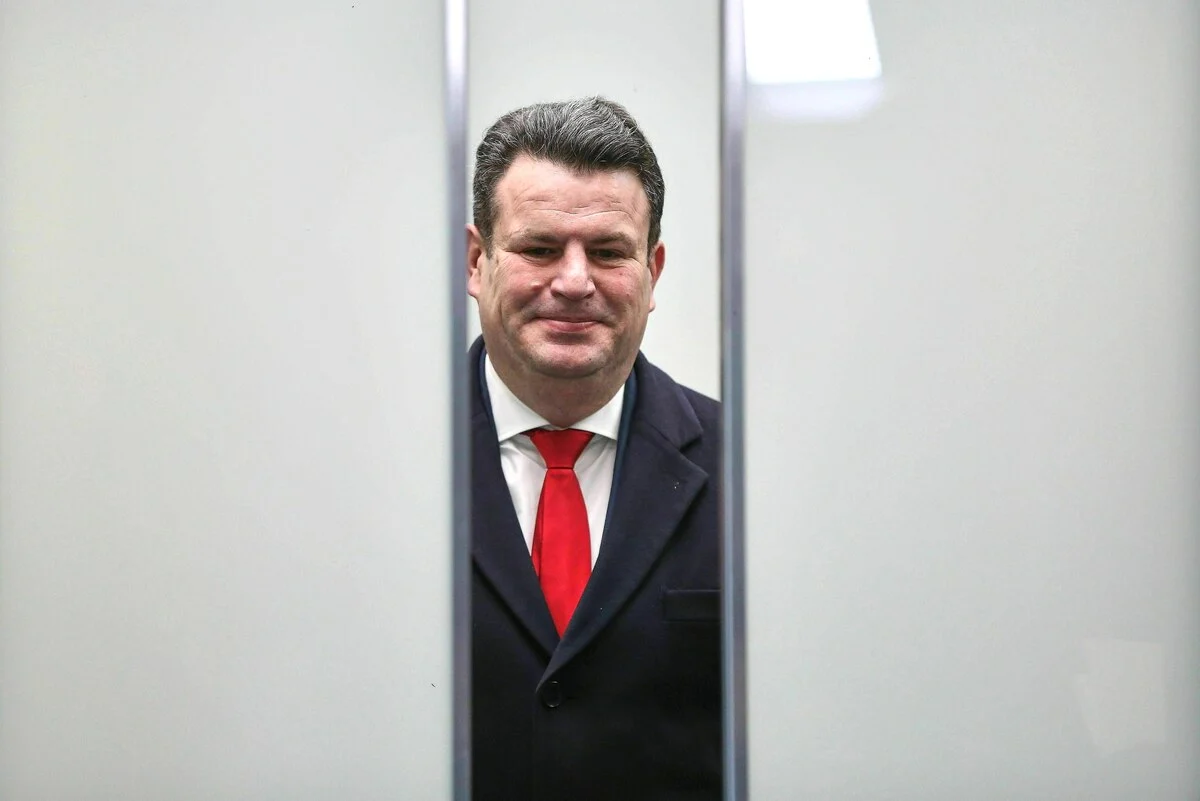
The Social Democratic Party finds itself in a precarious position. Caught between the constraints of a cumbersome coalition government and the need to assert its own ideological identity, the party is witnessing a quiet but significant internal pivot. Hubertus Heil, the current Minister of Labour and Social Affairs, has recently been linked to aspirations for the SPD party chairmanship.
The Paradox of "Heil"
Observers note that the SPD has often struggled with its public perception, particularly under the current leadership configuration. The party, which once thrived under the clear, albeit sometimes divisive, leadership of figures like Saskia Esken and Norbert Walter-Borjans, now appears to be fading behind the shadow of the Chancellery’s cabinet discipline.
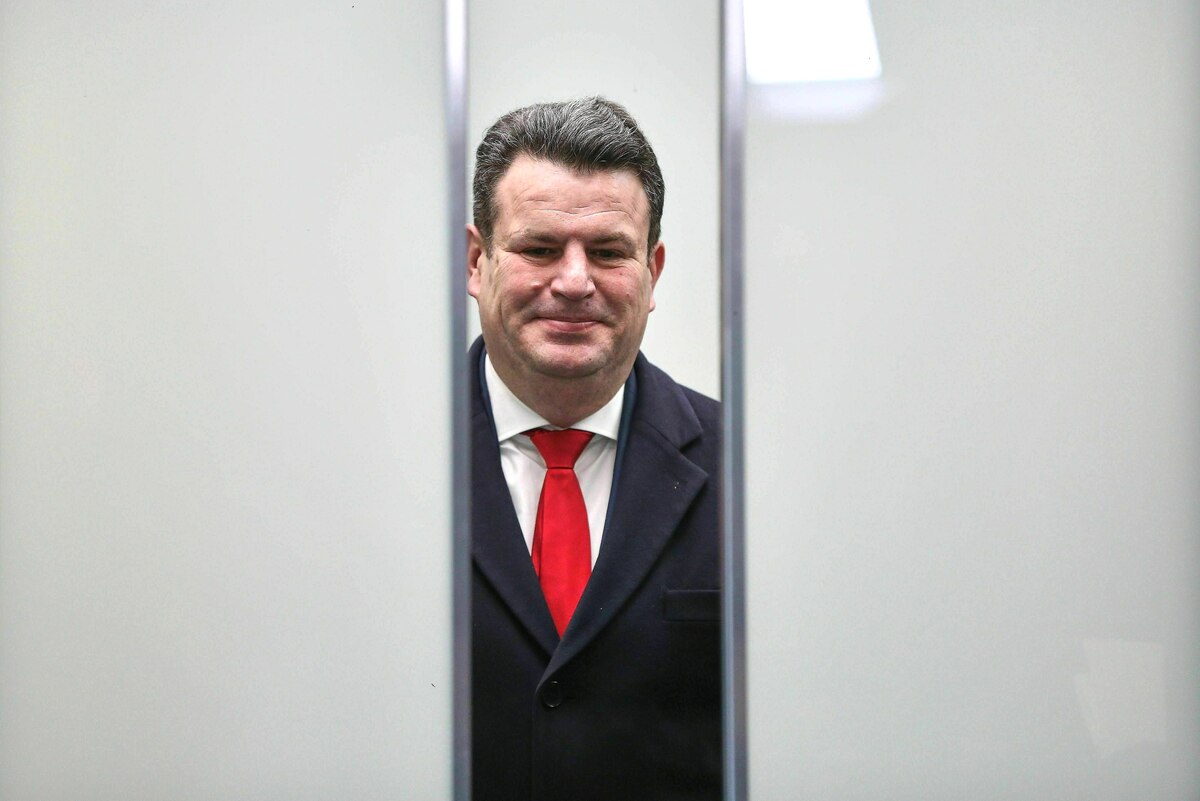
Heil, a seasoned politician, represents a unique brand of political maneuvering. His rhetoric—marked by a cautious, almost tentative approach—has led critics to argue that the party is suffering from a lack of dynamism. "If you don’t ask me now, there will be consequences," is how some interpret the subtext of his current positioning. The challenge for Heil is that he represents the very "establishment" persona that many in the party feel has contributed to their recent electoral malaise. To lead effectively, he would need to find a partner for a potential dual leadership—a woman who offers a stark, charismatic contrast to his own measured and technocratic style.
II. The AfD Leak: A Digital Reckoning or a Legal Quagmire?
The recent release of hundreds of thousands of internal emails from the Alternative for Germany (AfD) party has sent shockwaves through the nation. As researchers sift through the digital debris, the core question remains: Does this provide the "smoking gun" necessary for a federal ban?
The Threshold of Illegality
The legal hurdles for banning a political party in Germany are notoriously high, protected by the "militant democracy" provisions of the Basic Law. While the leaks appear to confirm that internal communication is rife with the same extremist rhetoric that characterizes the party’s public face, the legal validity of this evidence is in question.
There is a distinct possibility that a "fruit of the poisonous tree" argument could emerge. If the emails were obtained through illegal hacking, their admissibility as evidence in a constitutional court remains uncertain. Furthermore, the content—while damaging—may not prove a systemic, coordinated effort to dismantle the constitutional order, but rather an echo chamber of radicalization. As legal experts weigh in, the situation stands at a tense stalemate: the AfD’s public facade of respectability is being eroded by its private reality, yet a legal verdict on its existence remains a distant and complex prospect.

III. The Bavarian Challenge: Söder’s "Extremism Clause"
Markus Söder, the Minister-President of Bavaria, has introduced a proposal that has set the legal and political communities ablaze. Suggesting an "extremism clause" for the fiscal equalization scheme (Länderfinanzausgleich), Söder argues that states governed by radical parties—specifically the AfD or the Left Party—should receive less federal funding.
Constitutional Friction
The proposal has been met with widespread skepticism. Critics, including federal officials, point out that such a move would likely violate at least six articles of the Basic Law. The fiscal equalization system is a foundational pillar of German federalism, designed to ensure equivalent living conditions across the country, regardless of local political outcomes.
If implemented, it would set a dangerous precedent, allowing the federal government to weaponize fiscal policy against regional political choices. The irony, as many observers have noted, is that Bavaria itself has been a long-term beneficiary of these very transfers. The push appears to be more of a tactical maneuver—a "political burp" aimed at capturing headlines and appealing to a conservative base—rather than a viable policy initiative.
IV. The Changing Media Landscape: The NZZ Transition
In Switzerland, the Neue Zürcher Zeitung (NZZ), long considered one of the most intellectually rigorous and conservative newspapers in the German-speaking world, is undergoing a leadership change. With Mark Dittli set to take the helm, the industry is watching closely.

For decades, the NZZ was the gold standard of high-brow journalism, often viewed as the intellectual counterpart to the Frankfurter Allgemeine Zeitung. However, in recent years, the publication has pivoted toward a more "anti-woke," Trump-adjacent editorial stance. The appointment of a more liberal-leaning editor has sparked debates about whether the paper will attempt to reclaim its traditional, more centrist intellectual ground, or continue its current trajectory. The path back to its former status as the undisputed "best" newspaper in the German language will be a monumental task, requiring a departure from the polarizing identity politics that have characterized its recent years.
V. Implications: A Nation in Transition
The convergence of these events suggests a country at a crossroads. Whether it is the struggle of the SPD to find a new voice, the existential legal questions surrounding the AfD, or the aggressive regionalism championed by figures like Söder, the common thread is a crisis of confidence in existing institutions.
The Role of the Next Generation
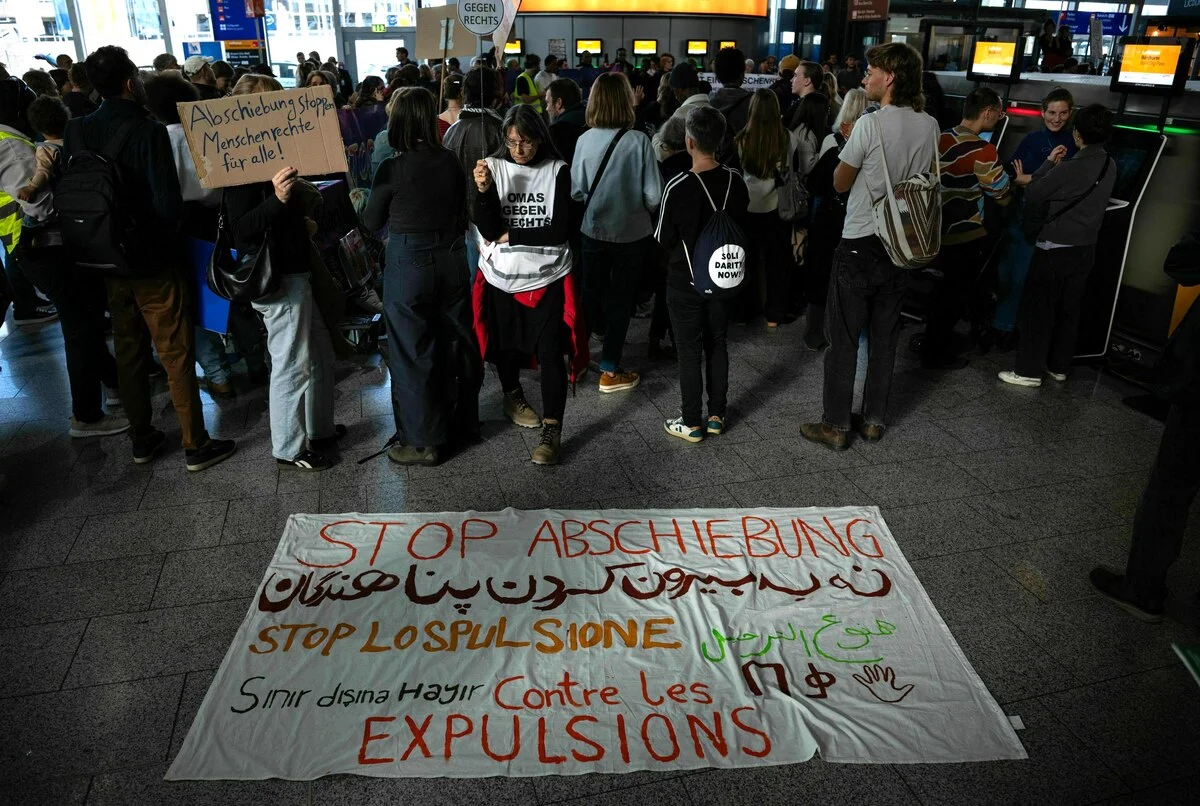
As the "Gen Z" movement calls for social protests, the disconnect between the political establishment (often associated with the "Boomer" generation) and the youth is becoming increasingly apparent. When political factions like the Young Union in Berlin even suggest using the military to manage student protests, it reveals a profound fragility in the democratic dialogue.
The path forward requires more than just fiscal adjustments or internal leadership reshuffles. It demands a return to the foundational principles of the German state:

- Institutional Integrity: Ensuring that fiscal and legal mechanisms remain neutral and are not weaponized for partisan gain.
- Transparent Discourse: Addressing the rise of extremism through open, democratic debate rather than relying solely on the threat of banning parties.
- Generational Bridging: Creating spaces where the political energy of the youth can be integrated into the mainstream rather than treated as an external threat.
As we look toward the spring, the political temperature in Berlin is unlikely to cool. The SPD must decide if it is truly prepared to reinvent itself, or if it will continue to fade into the background of its own government. The AfD will continue to face the dual pressure of legal scrutiny and internal instability. And the states, led by personalities like Söder, will continue to test the limits of the German federal structure.
In this environment, the role of independent, critical journalism—such as the ongoing dialogue maintained by figures like Friedrich Küppersbusch—is more vital than ever. It is in the questioning of power, the challenging of rhetoric, and the rigorous analysis of legal and social trends that the democratic process finds its strength.
The coming months will not only define the political fortunes of individuals like Hubertus Heil or Markus Söder, but they will also determine the resilience of the German political order in an age of digital leaks, populism, and shifting intellectual tides. Whether the nation finds its way "upwards," as the SPD hopes, remains to be seen. What is certain is that the ascent will be steep, and the path forward will be anything but quiet.