JERUSALEM/HEBRON – As Israel prepares for what many describe as a "fateful election" on Tuesday, the nation finds itself gripped by a series of escalating tensions. The upcoming parliamentary vote is poised to be a razor-thin contest, with recent polls suggesting a slight lead for the opposition bloc, led by former General Gadi Eisenkot, over Prime Minister Benjamin Netanyahu’s incumbent coalition. However, neither side is projected to secure an absolute majority, hinting at potentially complex and drawn-out coalition negotiations.
The final days of the campaign have been marked by a dramatic surge in activity, including a severe crackdown in the Palestinian city of Hebron following a deadly attack, and controversial remarks by Prime Minister Netanyahu regarding global sanctions and the use of cryptocurrency to circumvent them. These developments, alongside ongoing public protests demanding accountability for the October 7, 2023, failures, underscore the profound divisions and critical challenges facing Israel.
The Fateful Election: A Nation at a Crossroads
On Tuesday, Israeli citizens will head to the polls in an election laden with unprecedented significance. Observers and political analysts widely agree that this contest is more consequential than usual, with every vote potentially tipping the balance in a deeply polarized society. The electoral landscape is fragmented, featuring a diverse array of parties from the religious right to the secular left, all vying for influence in the 120-seat Knesset.
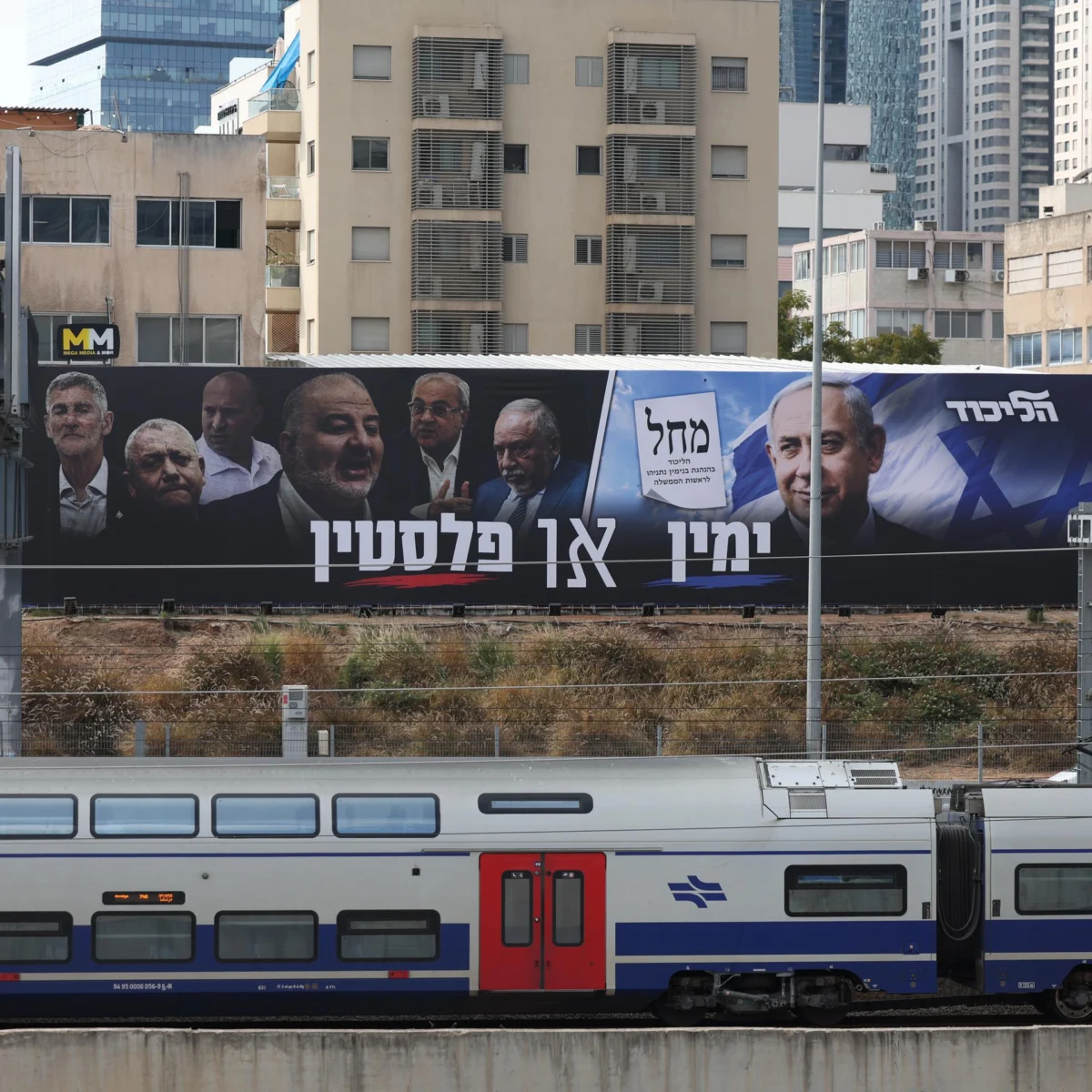
Prime Minister Benjamin Netanyahu, leader of the Likud party, seeks to retain his position, campaigning primarily on a platform of national security and economic stability. His coalition, which includes far-right and ultra-Orthodox parties, has overseen significant shifts in domestic and foreign policy, particularly concerning the judiciary and settlement expansion in the West Bank. In recent weeks, Netanyahu has intensified his rhetoric, accusing the opposition of harbouring intentions to establish a Palestinian state—a stance designed to galvanize his right-wing base.
Challenging him is the opposition bloc, often characterized by a more centrist and liberal outlook. While specific details about the composition of Eisenkot’s bloc were not detailed in the original article, it generally comprises parties advocating for judicial reform, a more moderate approach to the Palestinian conflict, and greater social cohesion. Polls indicate a marginal advantage for the opposition, suggesting they could secure a few more seats than the current government. However, the absence of a clear majority means that forming a stable government will likely require intricate negotiations and potentially uncomfortable alliances, reflecting the deep ideological chasms within Israeli politics. The stakes are high, with the election outcomes poised to influence everything from the future of judicial independence and the nature of civil-military relations to the trajectory of Israeli-Palestinian relations and Israel’s standing on the international stage.
Escalation in Hebron: A Pre-Election Crackdown
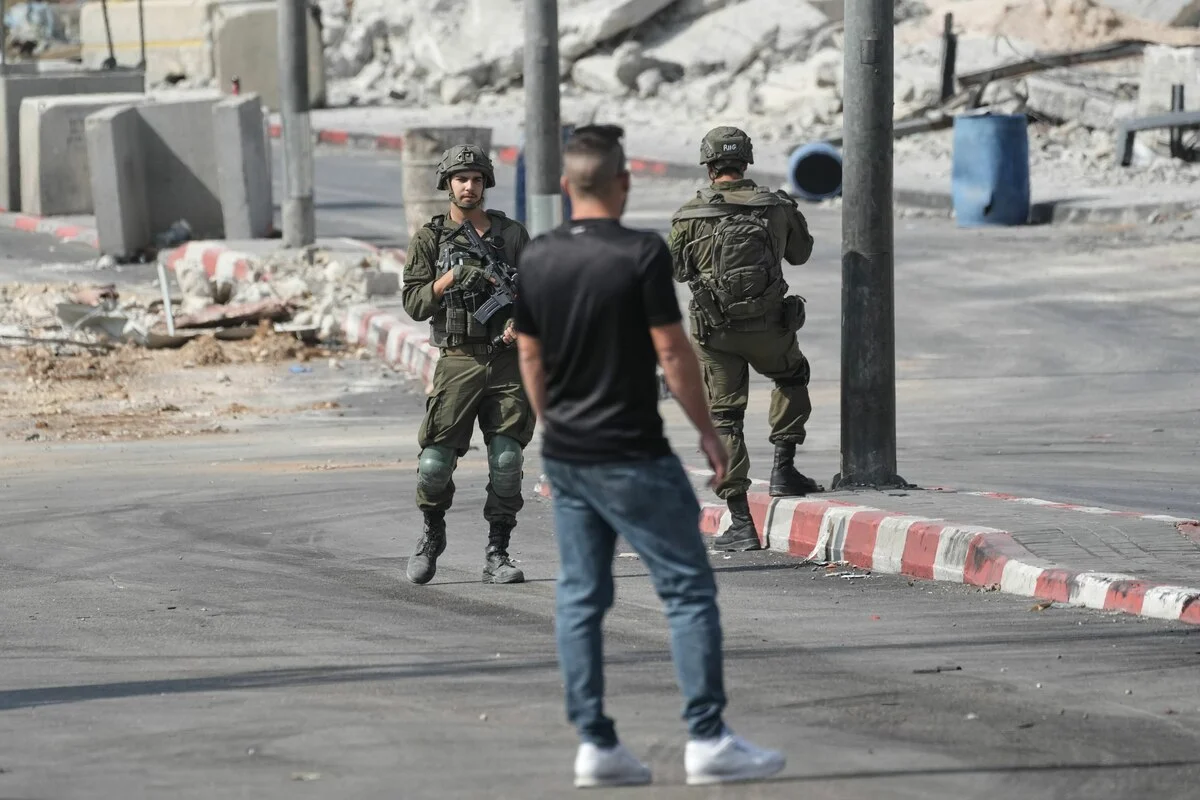
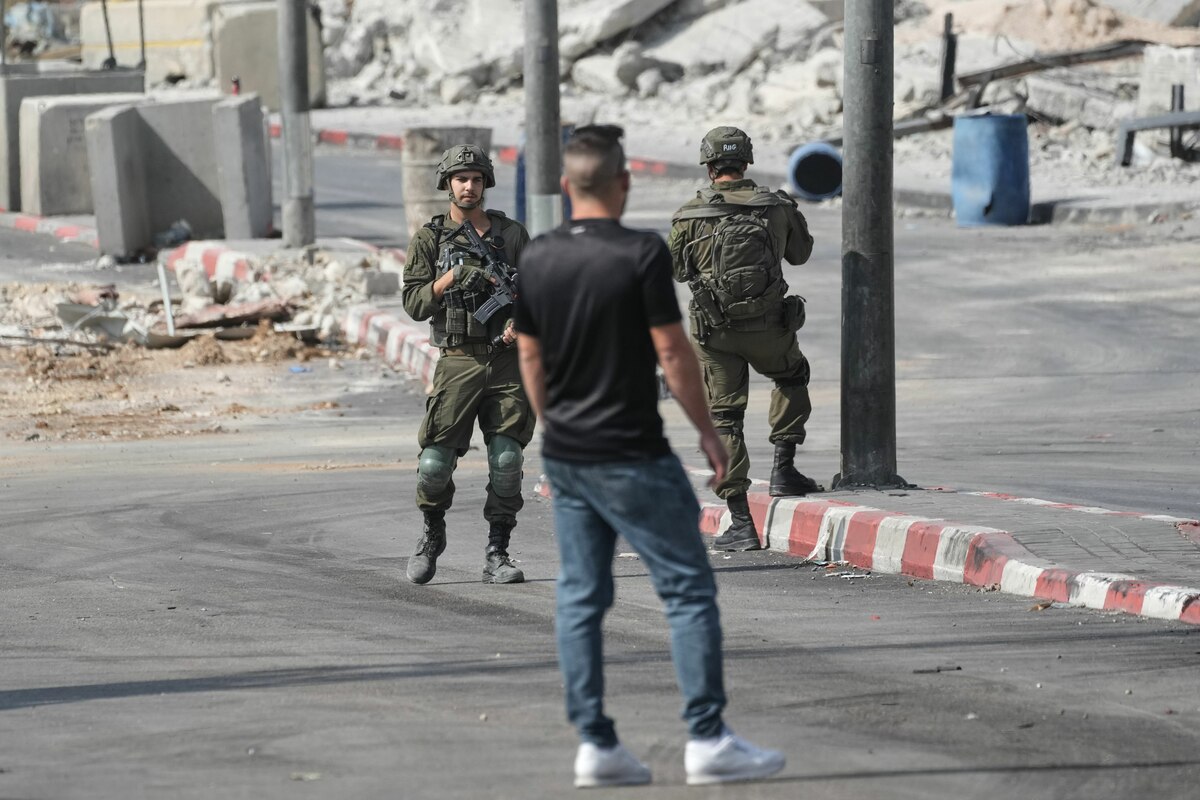
The already fraught pre-election atmosphere was significantly heightened by a deadly attack in Hebron over the weekend. Following this incident at a checkpoint, Prime Minister Netanyahu promptly ordered a comprehensive closure of the West Bank, leveraging the security narrative as a central pillar of his re-election campaign. This swift and decisive response aimed to project an image of strength and unwavering commitment to national security, a key theme for his right-wing base.
The measures implemented were far-reaching and impactful, particularly for the Palestinian population. On election day, all checkpoints leading into Israel are slated to remain closed to Palestinians, effectively isolating communities and restricting movement. Furthermore, Palestinians will be prohibited from entering Israeli settlements in the West Bank, further limiting their access to critical services and livelihoods.
In a move that drew immediate condemnation, Bezalel Smotrich, the ultranationalist Finance Minister and leader of the Religious Zionism party, ordered the demolition of Palestinian structures without building permits in Hebron, specifically targeting areas near the attack site. This directive extended to residential homes belonging to families, who were left powerless as their dwellings were razed. The demolitions are not merely punitive but also reflect a broader policy of expanding Israeli control and presence in contested areas, often at the expense of Palestinian residents.
Eyewitness accounts and reports from the ground paint a grim picture. The neighbourhood from which the alleged attackers originated was partially demolished, its structures reduced to rubble. Concurrently, the Israel Defense Forces (IDF) initiated what they described as "anti-terror raids" across the area, leading to the displacement of numerous Palestinian families from their homes. Khaled Fahd al-Qawasmi, the Deputy Mayor of Hebron, reported to the Israeli newspaper Haaretz on Sunday that over 2,200 residents currently lack access to their homes, a stark indicator of the humanitarian impact of these operations.
Hebron, a city of immense historical and religious significance for both Jews and Muslims, remains one of the most volatile and contested areas in the West Bank. Home to a small, ideologically driven Israeli settler community surrounded by a large Palestinian population, the city is under strict military control, characterized by checkpoints, segregated roads, and frequent confrontations. Human rights organizations have long documented the severe restrictions on Palestinian life in Hebron, including limitations on movement, access to resources, and the constant threat of home demolitions. The latest actions further exacerbate these long-standing tensions, fueling resentment and deepening the humanitarian crisis for thousands of Palestinians.

Netanyahu’s Controversial Sanctions Remarks
Adding another layer of controversy to the pre-election frenzy, Prime Minister Netanyahu made headlines with striking statements in a recent interview, suggesting Israel should prepare for global sanctions and advocating for the use of cryptocurrency to circumvent them. "Sanctions in the banking sector could occur," he stated, "one must prepare an economy that circumvents them."
These remarks immediately sent shockwaves through the Israeli political establishment and international financial circles. The implication that Israel might face global sanctions stems from growing international scrutiny over its policies in the West Bank, particularly settlement expansion, and the ongoing military operations. While no major global sanctions regime is currently in place against Israel, Netanyahu’s comments suggest an internal assessment of potential future pressures.
The proposal to use cryptocurrency as a means to bypass such sanctions was met with incredulity and strong criticism. Opposition leader Gadi Eisenkot voiced his dismay, accusing Netanyahu of attempting to dismantle the Israeli economy and branding his vision as "a threat to national security." Eisenkot’s criticism highlights concerns that such a strategy would not only be impractical but could also severely damage Israel’s credibility within the international financial system. The Bank of Israel swiftly issued a clarification, unequivocally stating that cryptocurrencies cannot be effectively utilized to circumvent international sanctions. Financial experts echoed this sentiment, explaining that while cryptocurrencies offer some level of anonymity, their liquidity and stability are insufficient for large-scale national financial operations, and they remain susceptible to regulatory oversight and international pressure. The remarks raised questions about Israel’s diplomatic strategy and its commitment to established international financial norms, potentially signaling a more confrontational approach to global criticism.
Mounting Public Discontent and Calls for Accountability
Amidst the political maneuvering and escalating tensions, thousands of Israelis took to the streets of Tel Aviv to protest against Prime Minister Netanyahu. Demonstrators, many waving Israeli flags, converged on the iconic Hostages Square, their voices unified in a powerful display of public discontent.
The primary demand of the protestors is for the Prime Minister to take full responsibility for the failures that led to the devastating events of October 7, 2023. On that day, Hamas and other Palestinian militant groups launched an unprecedented cross-border attack, resulting in the deaths of nearly 1,200 Israelis and the abduction of approximately 250 hostages into the Gaza Strip. The scale and brutality of the attack exposed significant intelligence and operational lapses, prompting widespread calls for a thorough, independent investigation.

However, Netanyahu has thus far resisted these calls, refusing to authorize an independent commission of inquiry. This refusal has only deepened public frustration and fueled accusations of evasion of accountability. The protests reflect a broader crisis of public trust in the current leadership, extending beyond the October 7 failures to include concerns over the government’s handling of the economy, judicial reforms that many see as undermining democratic institutions, and the overall direction of the country. The demonstrations serve as a powerful reminder of the deep internal divisions and the public’s demand for transparency and leadership in a time of profound national crisis.
Official Reactions and Rebuttals
The various events of the past week have elicited strong reactions from key political figures and institutions, shaping the narrative in the lead-up to the election.
Prime Minister Netanyahu’s camp has framed his actions in Hebron as decisive measures to ensure national security in the face of terrorism. His campaign has consistently highlighted his experience and leadership in times of crisis, arguing that only a strong, right-wing government can effectively protect Israel. His statements on sanctions, while controversial, could also be interpreted as an attempt to prepare the nation for potential future challenges, rallying support around a narrative of resilience and self-reliance.
Finance Minister Bezalel Smotrich, a staunch advocate for Jewish settlement and a hardline stance against Palestinians, defended the demolitions in Hebron as a necessary response to terror and a legitimate enforcement of Israeli law in areas under its control. His actions align with his party’s ideological commitment to asserting Israeli sovereignty across the West Bank, often disregarding international law and Palestinian rights.
The opposition, led by figures like Gadi Eisenkot, has seized upon Netanyahu’s remarks and actions as evidence of erratic leadership and a dangerous disregard for Israel’s international standing and democratic norms. Eisenkot’s sharp criticism of the sanctions proposal underscores the deep chasm between the government and the opposition regarding Israel’s diplomatic and economic future. The Central Bank’s swift and categorical rejection of cryptocurrency as a sanctions bypass mechanism serves as a crucial, non-partisan rebuttal, highlighting the impracticality and potential dangers of such a strategy. These official responses and rebuttals are not just policy disagreements but are central to the electoral debate, with each side attempting to define the other’s vision for Israel’s future.

Long-Term Implications: A Nation’s Trajectory
The confluence of these events — a high-stakes election, intensified conflict in Hebron, and the Prime Minister’s controversial statements — points to profound long-term implications for Israel. The election results will not only determine the composition of the next government but also set the trajectory for crucial national policies and the country’s identity.
Domestically, the election will significantly influence the ongoing debate over judicial reform, the balance of power between the executive and judiciary, and the protection of democratic institutions. A victory for Netanyahu’s bloc could empower his government to push through reforms that critics fear would erode the independence of the judiciary, while an opposition win might lead to a restoration of judicial checks and balances. The outcome will also shape social policies, particularly regarding the role of religion in public life and the rights of minority groups.
Regionally, the policies adopted by the new government will have direct consequences for Israeli-Palestinian relations. Continued settlement expansion and punitive actions in the West Bank, as seen in Hebron, risk further escalating tensions, undermining prospects for a two-state solution, and potentially destabilizing the broader region. The future of Gaza and the ongoing humanitarian crisis there will also be heavily influenced by the new government’s approach.
Internationally, Israel’s standing and diplomatic relationships are at stake. Netanyahu’s comments on sanctions, even if dismissed by the Central Bank, raise concerns among allies about Israel’s commitment to international norms and its potential for diplomatic isolation. The international community will closely watch the new government’s policies, particularly regarding the Israeli-Palestinian conflict and human rights, which will inevitably impact diplomatic support, trade relations, and security cooperation.
Ultimately, this "fateful election" is more than just a contest for power; it is a critical juncture that will define Israel’s character, its democratic health, its security, and its place in the world for years to come. The deep divisions revealed by these pre-election events underscore the urgent need for a government capable of uniting a fractured society and navigating the complex challenges ahead with wisdom and foresight.