The Eisbären Berlin have once again demonstrated why they remain the team to beat in the Deutsche Eishockey Liga (DEL). With a clinical 4-1 victory over the Schwenninger Wild Wings on October 25, 2026, the reigning champions not only extended their winning streak to three games but also firmly solidified their position at the summit of the league table.
The victory, achieved in front of a spirited crowd of 4,744 at the Schwenninger Arena, served as a masterclass in efficiency and tactical discipline. While the home side fought valiantly to bridge the gap, the sheer offensive depth and structural integrity of the Berlin squad proved insurmountable.
The Core Narrative: A Statement of Intent
The narrative of the 2026/2027 season is increasingly being written by the Eisbären Berlin. Coming into this fixture, the team faced the perennial challenge of an away game in the hostile, high-intensity environment of Schwenningen. However, the champions arrived with a clear objective: to maintain their momentum and exert pressure on their closest rivals in the standings.
The match was defined by the exceptional performance of Ty Ronning, whose two-goal haul was the engine of Berlin’s offense. Yet, it was the collective defensive effort and the composure of goaltender Jack LaFontaine that allowed the visitors to weather the mid-game storm and pull away in the final frame.
Chronology of the Clash: From Early Dominance to Final Control
First Period: An Early Strike
The game began with a rapid tempo, but it was the visitors who dictated the flow. Berlin’s tactical approach—centered on aggressive forechecking and rapid transition play—paid dividends almost immediately. Just four minutes into the contest, Ty Ronning capitalized on a defensive lapse from the Wild Wings, executing a textbook counter-attack that silenced the home crowd and put the Eisbären ahead 1-0.
Following the opening goal, the Eisbären dominated possession. They cycled the puck with patience, forcing Schwenningen’s defense to tire early. Despite creating several high-danger opportunities, Berlin could not find a second goal before the interval, leaving the door slightly ajar for the hosts.
Second Period: The Turning Point
The middle frame saw a significant shift in energy. Recognizing the need for an equalizer, the Wild Wings increased their physical intensity, forcing Berlin to retreat into their defensive zone. The pressure culminated in a breakthrough for the hosts, as Alexander Karachun found the back of the net, beating Jack LaFontaine to level the score.
The atmosphere in the arena reached a fever pitch, but it was precisely at this juncture that the championship pedigree of the Eisbären shone through. Instead of wilting under pressure, Berlin responded with surgical precision. Yannick Veilleux restored the lead at the 30-minute mark, a goal that shifted the momentum entirely back to the visitors.
As the second period drew to a close, the tactical brilliance of the coaching staff was on full display. With just 41 seconds remaining on the clock, Ty Ronning struck again, recording his second of the night and extending the lead to 3-1. This "locker room goal" effectively shattered the resistance of the Wild Wings.
Third Period: Sealing the Deal
Entering the final period with a two-goal cushion, Berlin opted for a more conservative, defensive-minded structure. Their discipline was rewarded in the 44th minute when Leonhard Pföderl notched his first goal of the season. At 4-1, the outcome was no longer in doubt. The Eisbären played the remaining minutes with high concentration, neutralizing Schwenningen’s desperate attempts to find a way back into the game and securing a comfortable, professional victory.
Supporting Data and Statistical Breakdown
The 4-1 scoreline reflects a game that was won in the transition phases. Key metrics from the match highlight the disparity in execution:
- Shot Efficiency: While Schwenningen matched Berlin in total shot attempts for much of the first period, the Eisbären’s conversion rate on high-danger chances was significantly higher.
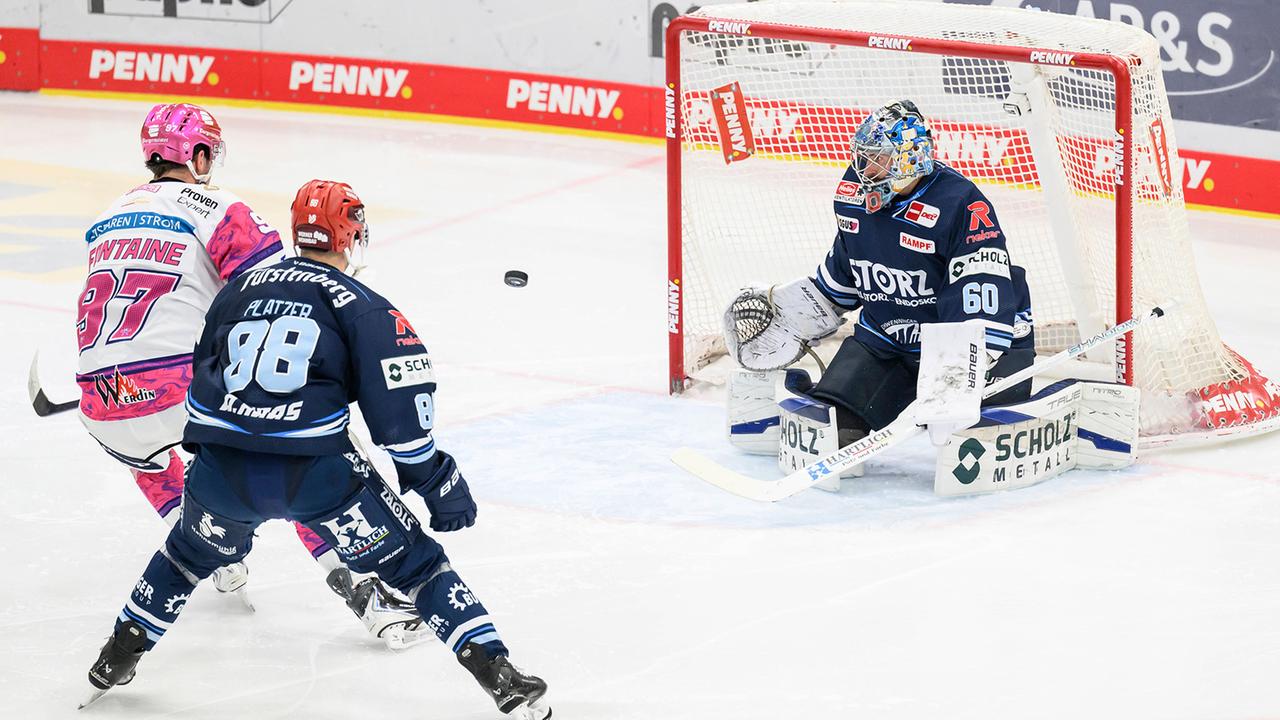
- Goaltending Impact: Jack LaFontaine, who was given the nod over Jonas Neffin for this match, proved his worth with a series of crucial saves during the frantic opening minutes of the second period. His ability to track the puck through traffic provided the defensive stability required to maintain the lead.
- The Ronning Factor: Ty Ronning’s two-goal performance has moved him further up the league’s scoring charts. His ability to finish under pressure has become a cornerstone of Berlin’s offensive identity this season.
- Special Teams: While power plays were few and far between, Berlin’s penalty kill unit remained perfect, nullifying the few opportunities Schwenningen had to capitalize on man-advantage situations.
Official Perspectives and Coaching Insight
In the post-match press conference, the sentiment within the Eisbären camp was one of satisfaction, tempered by the long-term view of the season.
"We knew Schwenningen would be aggressive, especially on their home ice," noted a representative of the Berlin coaching staff. "The key for us was to remain calm after they leveled the score. We trust our system, and we trust the depth of our roster. To get a goal just before the second intermission was the turning point of the entire night."
For the Wild Wings, the loss was a sobering reminder of the gap between the league’s top contenders and the mid-table pack. The Schwenningen coaching staff emphasized the need for better defensive structure in their own zone, specifically citing the transition defense that allowed Ronning too much space on the opening goal.
Implications for the DEL Landscape
As the season progresses, this result has several significant implications for the league:
1. Strengthening the Top Spot
By consolidating their lead, the Eisbären have established a psychological advantage over their rivals. Teams looking to challenge for the title now realize that they must not only play a perfect game but also minimize mistakes against a team that punishes lapses in concentration with ruthless efficiency.
2. The Battle for the Playoffs
For the Schwenninger Wild Wings, the defeat necessitates a period of reflection. The race for the playoffs in the DEL is notoriously tight, and dropped points at home are costly. They will need to regroup quickly to ensure they remain in the hunt for a post-season berth.
3. Momentum as a Catalyst
For Berlin, this third consecutive victory acts as a catalyst. Momentum is a powerful force in professional ice hockey, and the current streak provides the team with the confidence to rotate players and manage fatigue levels as they move into a dense schedule of mid-season games.
4. Player Development
The fact that Leonhard Pföderl secured his first goal of the season is a positive sign for the Eisbären’s internal depth. A championship team cannot rely on a single line; the secondary scoring provided by players like Pföderl and the continued reliability of LaFontaine in goal suggests a team that is rounding into form at the perfect time.
Conclusion
The Eisbären Berlin’s victory in Schwenningen was more than just another win; it was a demonstration of authority. By controlling the pace of the game, responding to adversity with goals rather than frustration, and maintaining defensive discipline, the champions proved why they remain the favorites to lift the trophy once again. As the league looks toward the next round of fixtures, the message from Berlin is clear: they are not just participating in the race for the top—they are setting the pace.