The death of 38-year-old Henry A. following a suicide attempt while in custody has sent shockwaves through the German judicial system. As a defendant in the high-profile "Antifa Ost" trial, A.’s case has become a lightning rod for criticism regarding the state’s duty of care toward detainees and the limits of judicial persistence.
Main Facts: A Life Ended in the Shadow of the Courtroom
On Saturday, the news broke that 38-year-old Henry A. had passed away in a hospital, weeks after a critical suicide attempt. The Leipzig resident had been a primary defendant in the second major trial concerning the so-called "Antifa Ost" group, a network accused by federal and state prosecutors of orchestrating targeted, violent attacks against right-wing extremists.
Henry A. had been struggling with severe mental health issues for years, a condition that his legal team argues was exacerbated by the relentless pressure of legal proceedings and state surveillance. Despite clear medical warnings, multiple psychiatric hospitalizations, and documented suicide attempts, the court in Dresden continued to mandate his presence in the courtroom. His death marks a grim turning point in a trial that has already been characterized by intense political friction, questions of surveillance overreach, and deep skepticism regarding the treatment of left-wing activists by the Saxon judiciary.
Chronology of a Crisis: From Investigation to Coma
The path to this tragedy was long and marked by a series of events that, according to defense attorney Felix Isensee, should have served as clear red flags to the presiding judges.
- 2010s: Henry A., a prominent figure and fan representative for the football club BSG Chemie Leipzig, first appears on the radar of law enforcement. Authorities initiate extensive investigations into alleged criminal activity involving left-wing fan groups. Despite intense monitoring, no charges lead to a conviction.
- April 2021: A new wave of investigations begins. Following a house raid, right-wing media outlet Compact publishes sensitive internal investigation details. Henry A. publicly decries this as a "campaign" of harassment, accusing state authorities of colluding with far-right elements.
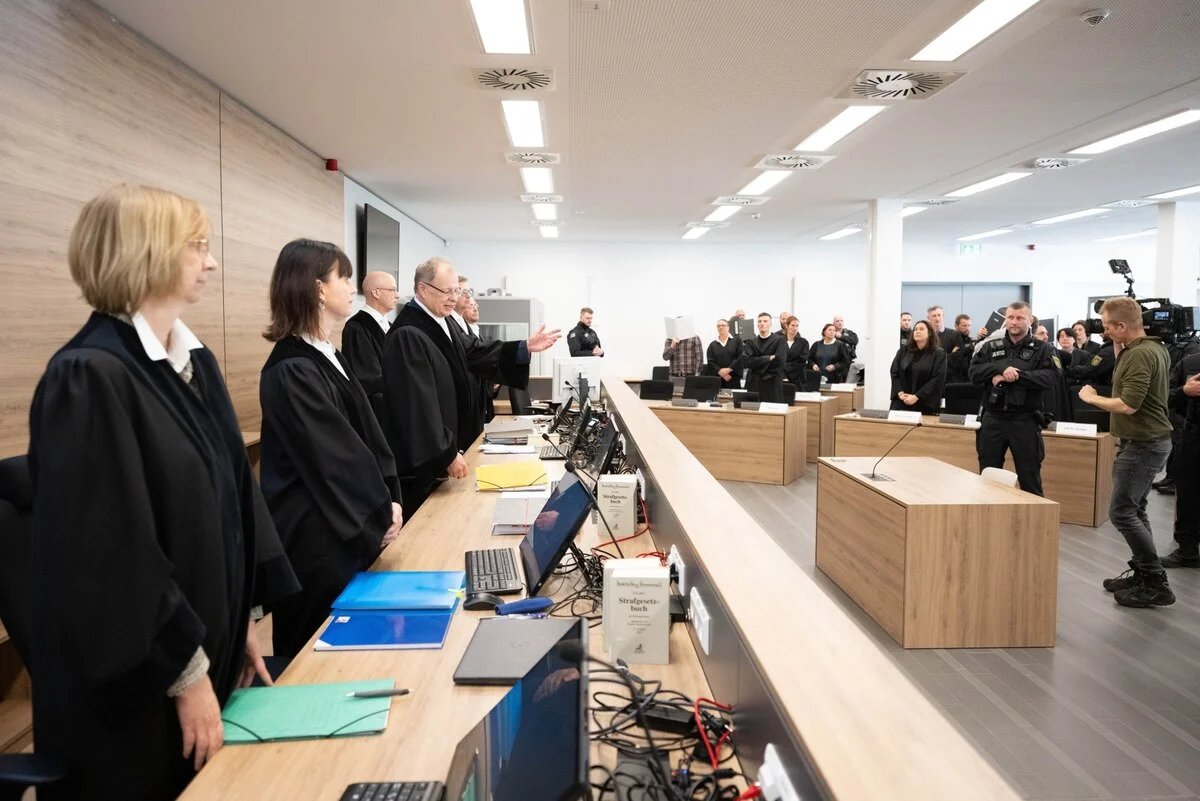
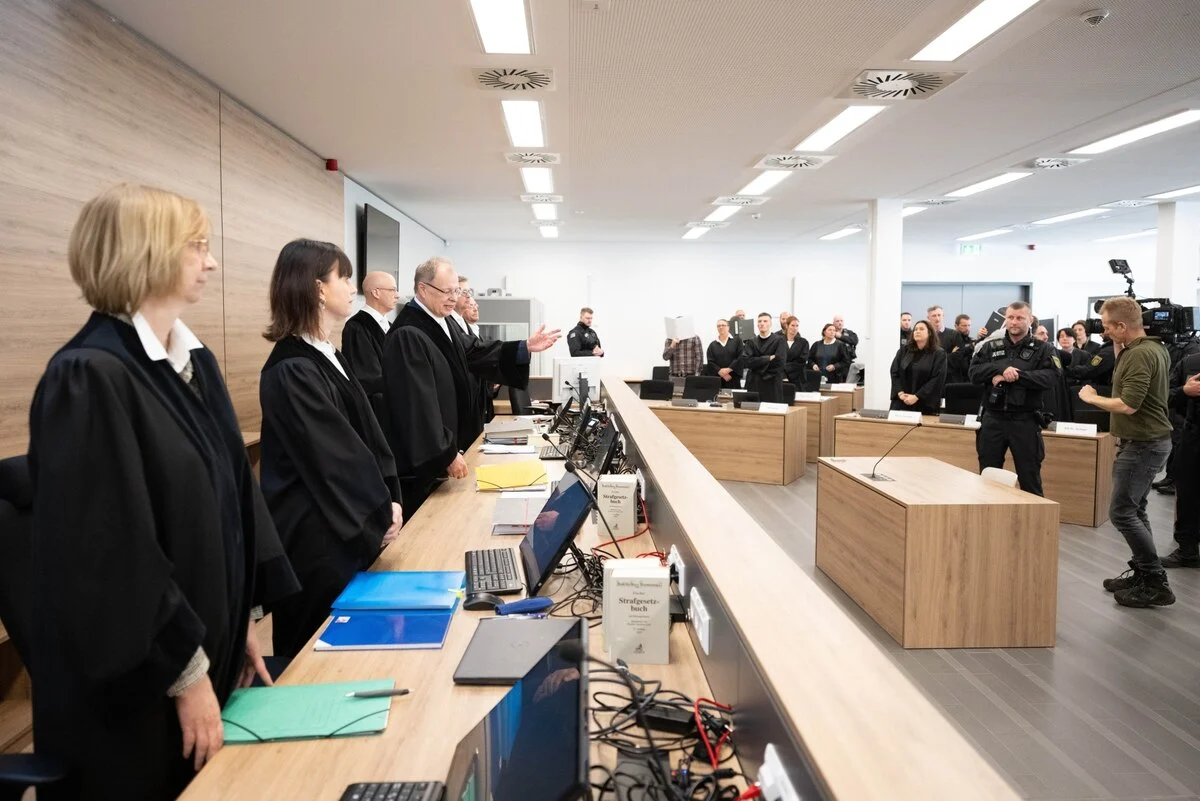
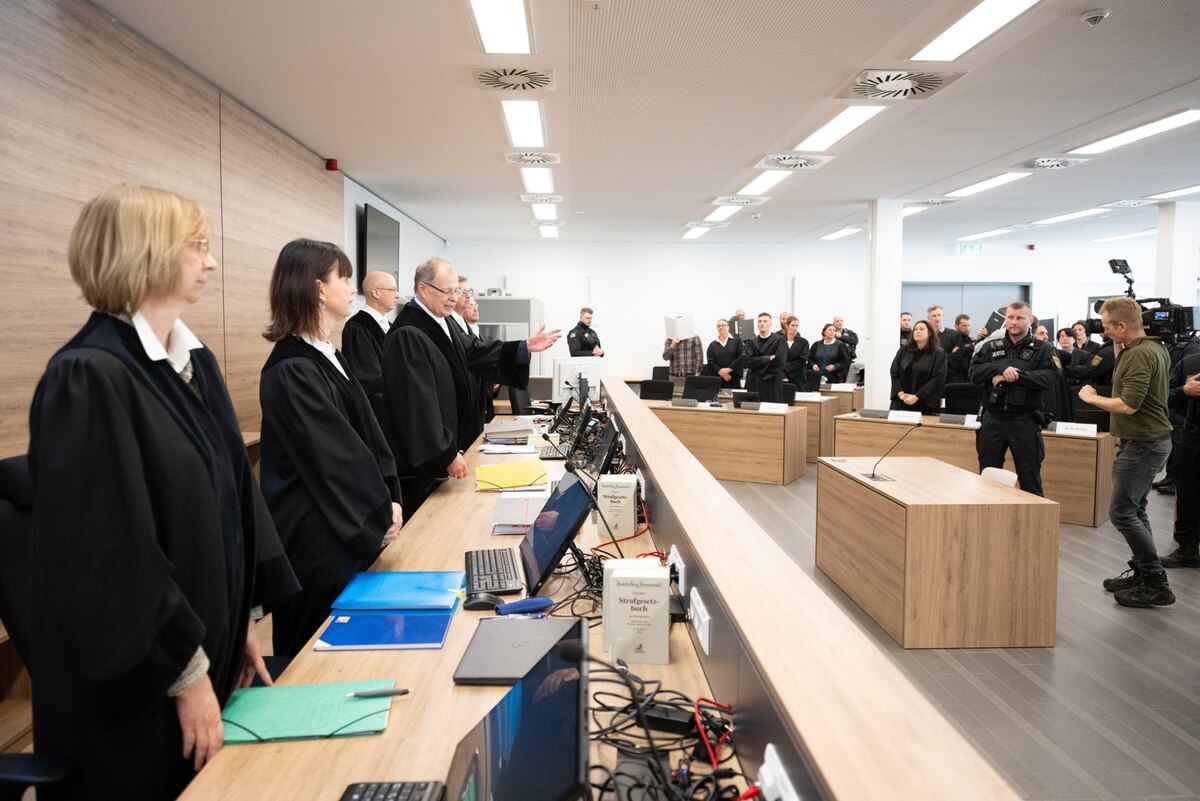
- November 2025: The "Antifa Ost" trial begins in Dresden. Henry A. is charged with participating in an attack on neo-Nazis in Wurzen.
- Pre-Trial Period: Even before the trial commenced, A. suffered a suicide attempt, which his lawyers used to argue for a severance of his case. The court rejected these requests, citing that the majority of the trial’s evidence did not directly pertain to him.
- July 2026: A.’s mental health deteriorates rapidly. He is moved to a closed psychiatric ward, only to attempt suicide shortly thereafter. Medical experts recommend a three-month break from the trial. The court denies this, relying on the opinion of a court-appointed expert who deems him fit to stand trial.
- August 12, 2026: In a move heavily criticized by civil rights groups, police escort A. directly from a closed psychiatric ward to the Dresden Higher Regional Court.
- August 15, 2026: Henry A. makes a final, near-fatal suicide attempt. He is placed in a medically induced coma.
- Early September 2026: The court finally decides to sever his case from the main trial—two weeks after he had already slipped into a coma.
- Late October 2026: Henry A. passes away due to complications from his final suicide attempt.
The Legal Controversy: The "Duty of Care" Argument
At the heart of the outcry is the concept of Fürsorgepflicht—the legal and ethical duty of care that a court holds toward the individuals it holds in custody. Felix Isensee, A.’s defense counsel, has been vocal in his condemnation of the court’s conduct.
"The court holds a duty of care toward defendants in criminal proceedings, a duty that was fundamentally disregarded in this instance," Isensee stated shortly after the death. He argued that the court was fully aware of his client’s state of psychological distress and the necessity of his ongoing psychiatric care. By insisting that A. be transported from a closed ward to the courtroom—often while under the influence of heavy sedation—the court prioritized procedural continuity over the life and health of the individual.

Critics point to the irony of the judicial process: a system designed to adjudicate the rule of law failed to uphold the most basic human right—the right to life—within its own walls. The refusal to grant a trial recess, despite expert medical advice to the contrary, is being viewed by legal observers as a systemic failure to account for the human cost of long-term, high-pressure litigation.
Institutional Context: The "Antifa Ost" and Repression
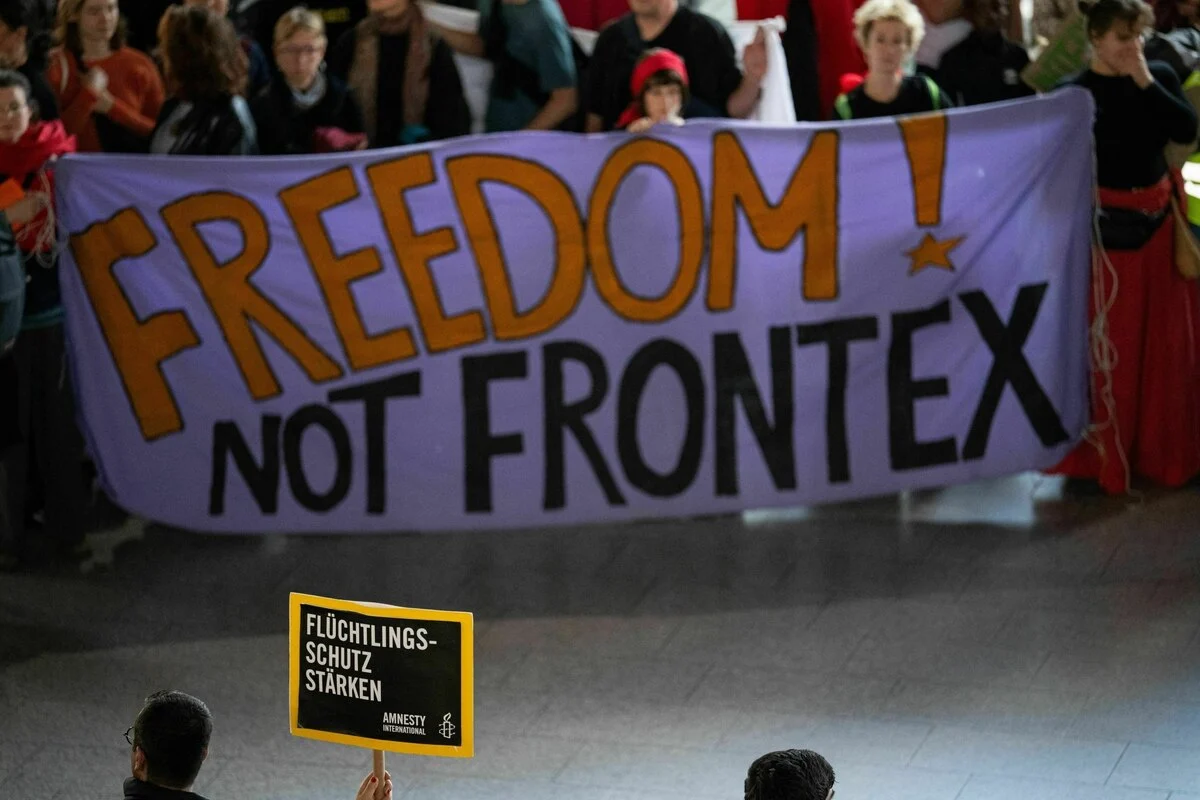
The case of Henry A. cannot be viewed in isolation. It is part of a broader, years-long struggle between state security apparatuses in Saxony and the local antifascist scene. The "Antifa Ost" trials have been highly controversial, with defense lawyers often alleging that the investigation relies on biased intelligence and disproportionate police tactics.
For many supporters, Henry A. was not merely a defendant but a target of "political repression." His involvement with the BSG Chemie Leipzig football club, a community known for its strong left-wing identity, made him a visible target for authorities. The earlier controversy involving the leaking of investigative files to the right-wing Compact magazine created a climate of deep mistrust. When Henry A. provided evidence to the authorities regarding a suspected "mole" within the police force, he was met with further raids—which he and his supporters interpreted as a retaliatory strike by the state.

While the investigation into the alleged police officer was eventually closed due to a lack of evidence—with the state claiming the leak originated from A.’s own social circle—the damage to the credibility of the judicial process was done.
Implications for the Future
The death of Henry A. has ignited a national debate in Germany. Questions are now being raised in the state parliament regarding the oversight of judicial decision-making processes.
Key Questions Moving Forward:
- Judicial Accountability: To what extent can judges be held accountable for ignoring medical advice that directly precedes a death in custody?
- Psychiatric Care in Detention: Are the mechanisms for evaluating "fitness to stand trial" in cases of extreme mental health distress sufficient, or do they prioritize the schedule of the state over the humanity of the accused?
- The Impact of High-Stakes Trials: Does the complexity and duration of "mega-trials" create an environment where the health and dignity of defendants are inevitably compromised?
The BSG Chemie Leipzig football club, in a moving tribute, honored A. as a man who had done "great service" to the community. For his family and friends, his death is an avoidable tragedy caused by a judicial machine that refused to yield. For the German judiciary, his death serves as a chilling reminder that procedural efficiency can never come at the expense of human life.

As the "Antifa Ost" trial continues, the empty seat on the defendant’s bench will serve as a permanent, haunting symbol of a case that has arguably left no winners—only a community in mourning and a justice system in urgent need of reflection.
If you or someone you know is struggling with mental health or suicidal thoughts, please seek help immediately. In Germany, you can contact the "Telefonseelsorge" at 0800-1110111 or 0800-1110222, or visit the nearest psychiatric emergency department. In an acute emergency, dial 112.