By Susanne Knaul
As Israel approaches a pivotal parliamentary election this coming Tuesday, Prime Minister Benjamin Netanyahu is engaging in a desperate, last-minute performance of strength. Marketed by his Likud party as "the man who fights for us," Netanyahu is leveraging the volatile security situation in the occupied West Bank to bolster his dwindling electoral prospects. However, beneath the veneer of decisive leadership, the strategy reveals a nation caught in a cycle of violence that current military policies have failed to resolve.
Main Facts: A Strategy of Force
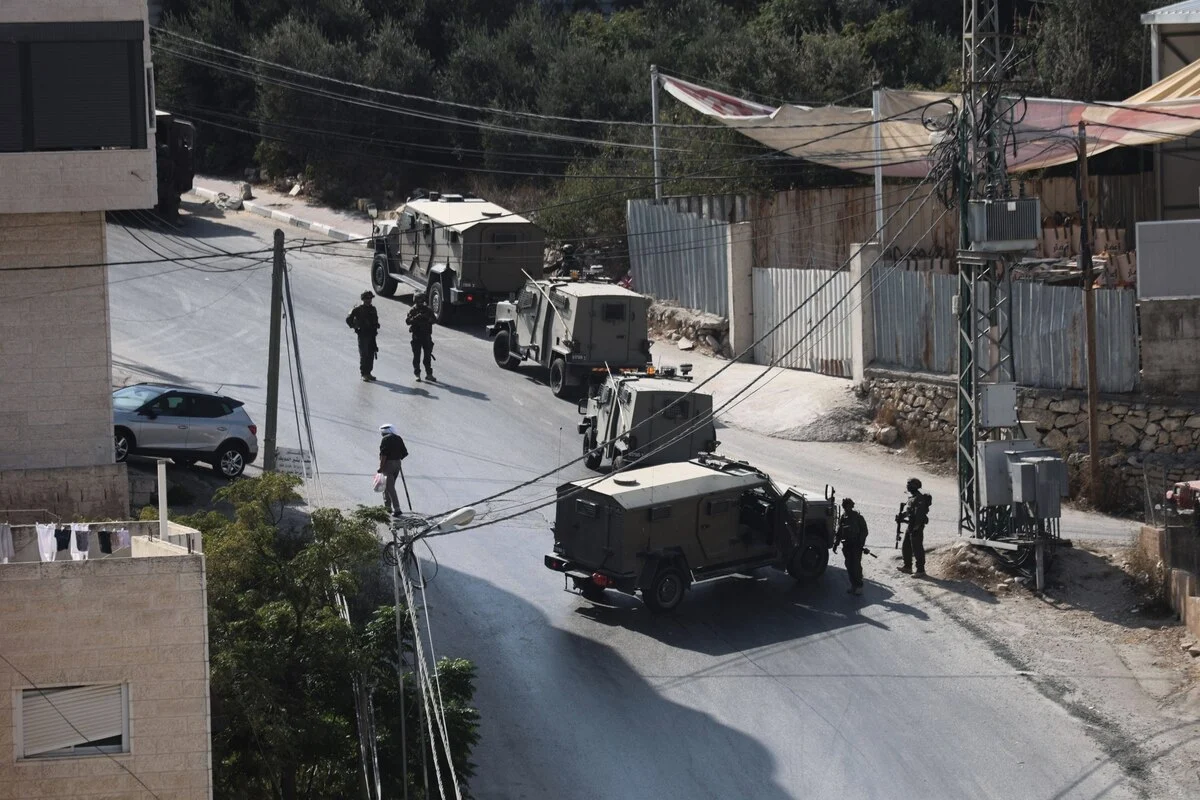
The recent death of two Israeli soldiers near Hebron served as the catalyst for a massive, aggressive military offensive in the West Bank. While the incident provided a tragic justification for action, the scale of the subsequent response—which includes the forced displacement of over 2,000 Palestinians—has drawn sharp criticism from human rights observers.
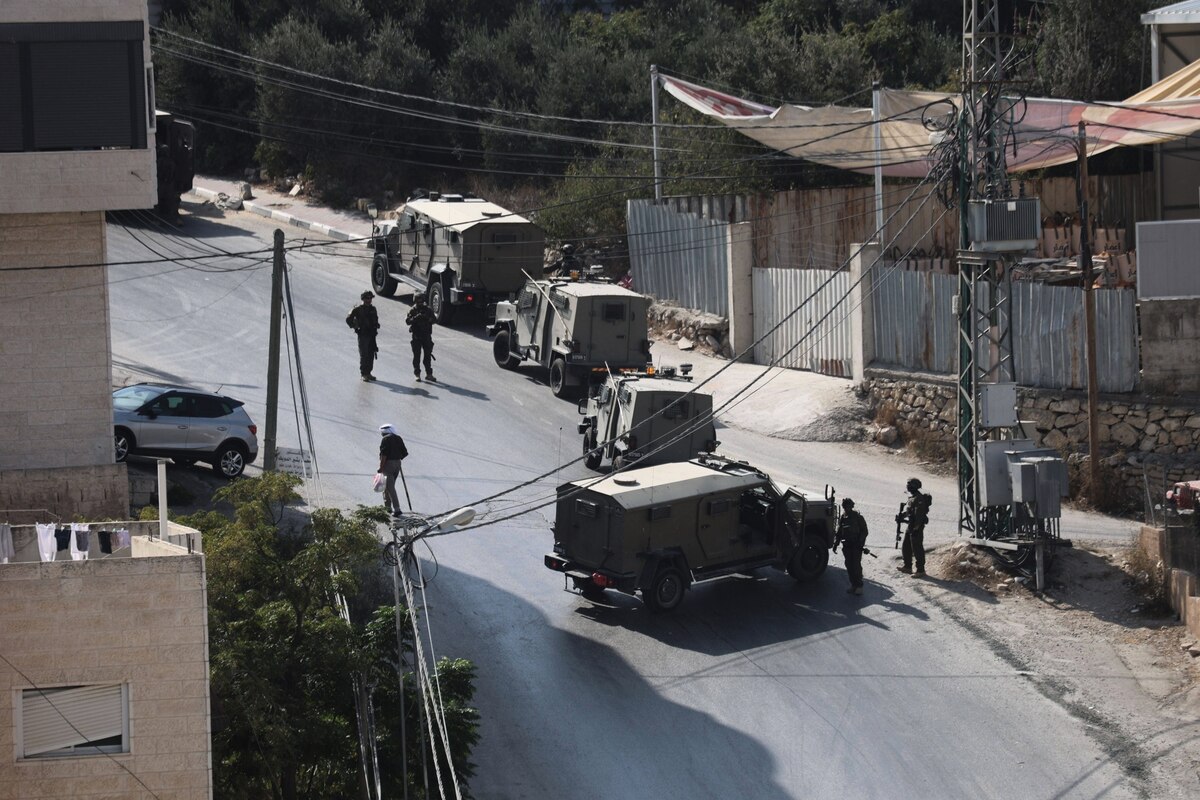
This is a classic manifestation of "collective punishment," a tactic frequently employed by the current administration. For Netanyahu, the timing is far from coincidental. With the election outcome remaining highly uncertain, the Prime Minister is attempting to pivot the public discourse back to the singular issue where he feels most confident: security. By projecting an image of iron-fisted control, he hopes to win back the nationalist base that has grown weary of his inability to provide tangible safety.
Chronology of Escalation
The political climate in Israel has been deteriorating for months, punctuated by systemic failures in both domestic and foreign policy:
- The October 7th Watershed: The massacre on October 7th remains the psychological anchor of the current election. It shattered the illusion of stability and turned the concept of "peaceful coexistence" into a fringe sentiment that no candidate dares to openly endorse.
- The Gaza Impasse: Netanyahu’s primary campaign pledge—to dismantle Hamas in the Gaza Strip—has largely failed to deliver the promised sense of closure or victory.
- Regional Instability: Despite efforts to degrade the military capabilities of the Lebanese-Shiite organization Hezbollah, the group remains a potent threat to northern Israeli communities.
- The Hebron Incident: The recent killing of the two soldiers served as the immediate trigger for the current "security operation," allowing the Likud party to reframe the election not as a referendum on governance, but as a test of national survival.
Supporting Data: The Failure of Military-First Policy
The current Israeli administration operates under the belief that overwhelming military force is the only language understood by its adversaries. However, the data suggests otherwise. On every front—from the West Bank to the northern border and the Gaza periphery—the massive deployment of military assets has not resulted in a sustainable political solution.

Instead, the situation has devolved into a perpetual cycle of escalation. The displacement of thousands of Palestinians in the West Bank is not merely a tactical maneuver; it is a strategic error that fuels the next generation of resistance. Military experts and sociologists have pointed out that by dismantling the homes and livelihoods of civilians, the state is effectively radicalizing the very population it claims to be securing.
Official Responses and Political Rhetoric
The political discourse surrounding this election has reached an unprecedented level of vitriol. Defense Minister Israel Katz, a senior figure in the Likud party, has taken the unconventional step of pre-emptively blaming the political opposition for future attacks.
In a move widely criticized as a diversionary tactic, Katz accused the leaders of the "Change Bloc"—the coalition of parties opposing Netanyahu—of being responsible for the security failures that may occur after the election. This rhetoric is designed to corner the opposition, forcing them to defend their loyalty to the state rather than critiquing the current government’s policy failures.

The opposition has dismissed these claims as absurd, pointing out that the current government’s own policies—specifically the expansion of settlements and the enabling of extremist settler violence—are the primary engines of instability. The government’s refusal to hold violent settlers accountable has eroded the rule of law and further isolated Israel on the international stage.
The Human Cost and Implications for the Future
The implications of this election go far beyond the composition of the next Knesset. For the Palestinian population, the upcoming vote is viewed with deep trepidation. A victory for the current right-wing coalition promises more of the same: increased land seizures, more frequent military raids, and the total erosion of the two-state framework.
For the Israeli electorate, the choice is equally stark. Many citizens, particularly those who still hold fast to the values of human rights and the rule of law, feel abandoned by a political class that has prioritized security theater over structural reform. The irony of the current situation is profound: in the name of seeking "security," the government has fostered an environment where true safety for either Israelis or Palestinians seems more distant than ever.

The Diplomatic Vacuum
Perhaps the most alarming aspect of the current campaign is the near-total absence of diplomacy. The dream of "two states for two peoples" has been effectively scrubbed from the mainstream political lexicon. By focusing exclusively on military dominance, the current leadership has allowed the diplomatic horizon to vanish.
Without a path toward a political settlement, the cycle of violence is destined to repeat. Every home destroyed, every village uprooted, and every security check-point expanded serves as a recruitment tool for those who reject the legitimacy of the state.
Conclusion: A Nation at a Crossroads
As Israelis head to the polls on Tuesday, they are not just choosing a Prime Minister; they are choosing the direction of their society. The "Mr. Security" persona that has defined Netanyahu’s career is being tested against the reality of a country that is more divided, less safe, and more isolated than at any point in recent history.

The tragedy of this election is that it is being fought on the battlefield of fear rather than the platform of vision. While the government attempts to project strength through its actions in the West Bank, the silence on the diplomatic front speaks volumes about the lack of a long-term strategy. Regardless of who wins on Tuesday, the fundamental challenge remains: a military-only approach cannot provide the peace that the Israeli people so desperately crave. Until the leadership is willing to address the root causes of the conflict—the occupation, the settlements, and the lack of political rights for Palestinians—the cycle of violence will continue, and the true security of the nation will remain an elusive, shifting goal.
For the international community, the coming weeks will be a test of how much pressure can be exerted to move beyond the immediate military theater and toward a sustainable future. But for those currently living in the crosshairs of the West Bank offensive, or for the voters concerned about the erosion of democratic norms within Israel, Tuesday’s election feels less like a democratic exercise and more like a desperate gamble for the survival of the status quo.