Brasília, Brazil – October 26, 2026 – In a highly anticipated and deeply polarizing election, veteran left-wing leader Luiz Inácio Lula da Silva has been elected President of Brazil for an unprecedented fourth term. The Supreme Electoral Court (TSE) confirmed Lula’s victory in Sunday’s runoff election, where he triumphed over right-wing challenger Flávio Bolsonaro, son of the imprisoned former President Jair Bolsonaro. However, the outcome has been immediately plunged into controversy, with Flávio Bolsonaro refusing to acknowledge his defeat and vowing to seek an annulment of the results, citing alleged irregularities.
The election, which saw record voter turnout, has been hailed by Lula and his supporters as a decisive affirmation of Brazilian democracy, while the Bolsonaro camp’s challenge threatens to prolong political instability in Latin America’s largest nation.
Main Facts
Luiz Inácio Lula da Silva, 81, secured his fourth non-consecutive term as Brazil’s president, marking a significant comeback for the Workers’ Party (PT) founder. The official results from the Supreme Electoral Court (TSE) showed Lula garnering 51.8% of the valid votes, against Flávio Bolsonaro’s 48.2%. This translates to a margin of nearly 4.4 million votes, a substantial lead in a nation of over 200 million people.
The election’s integrity, however, was swiftly challenged by the defeated candidate, Flávio Bolsonaro. Speaking from Brasília, Bolsonaro declared, "It is impossible to recognize the result," and announced his intention to petition for the annulment of the elections. His primary grievance revolved around the Supreme Electoral Court’s eleventh-hour decision to extend polling hours in certain regions. Bolsonaro argued this was an "unprecedented" move that unfairly influenced the outcome.
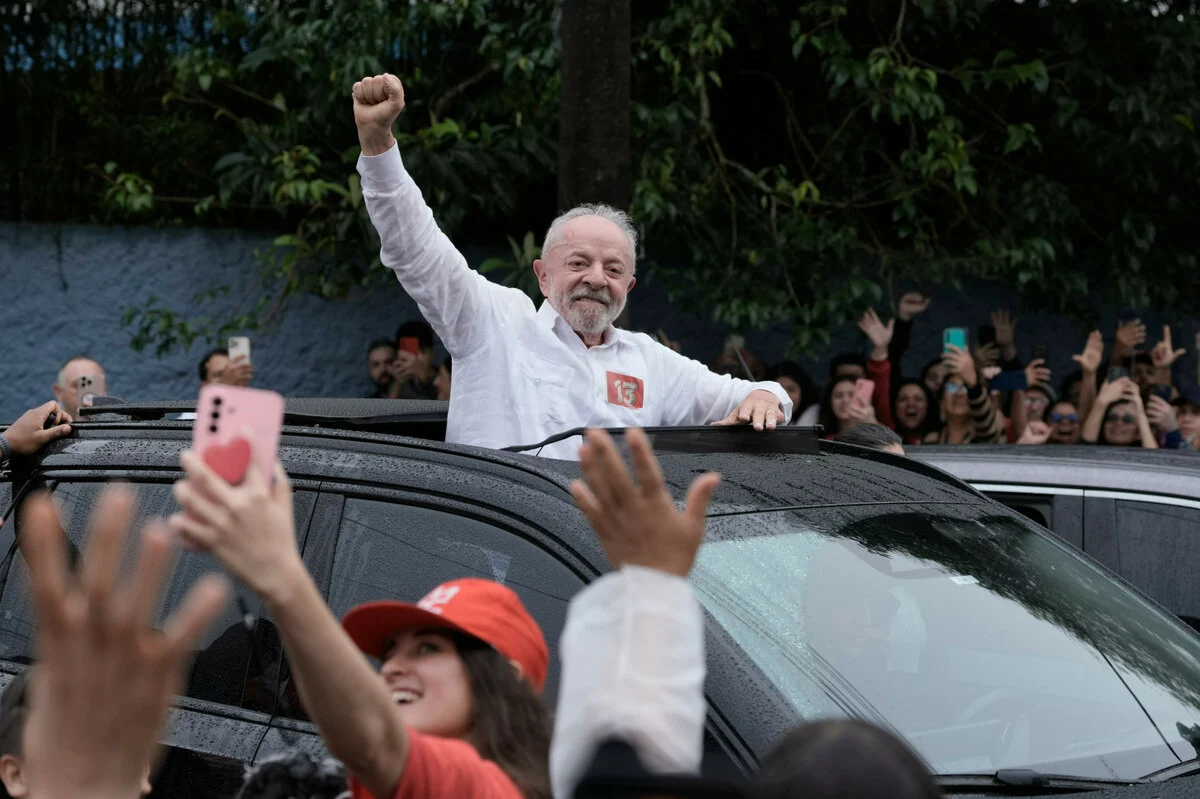
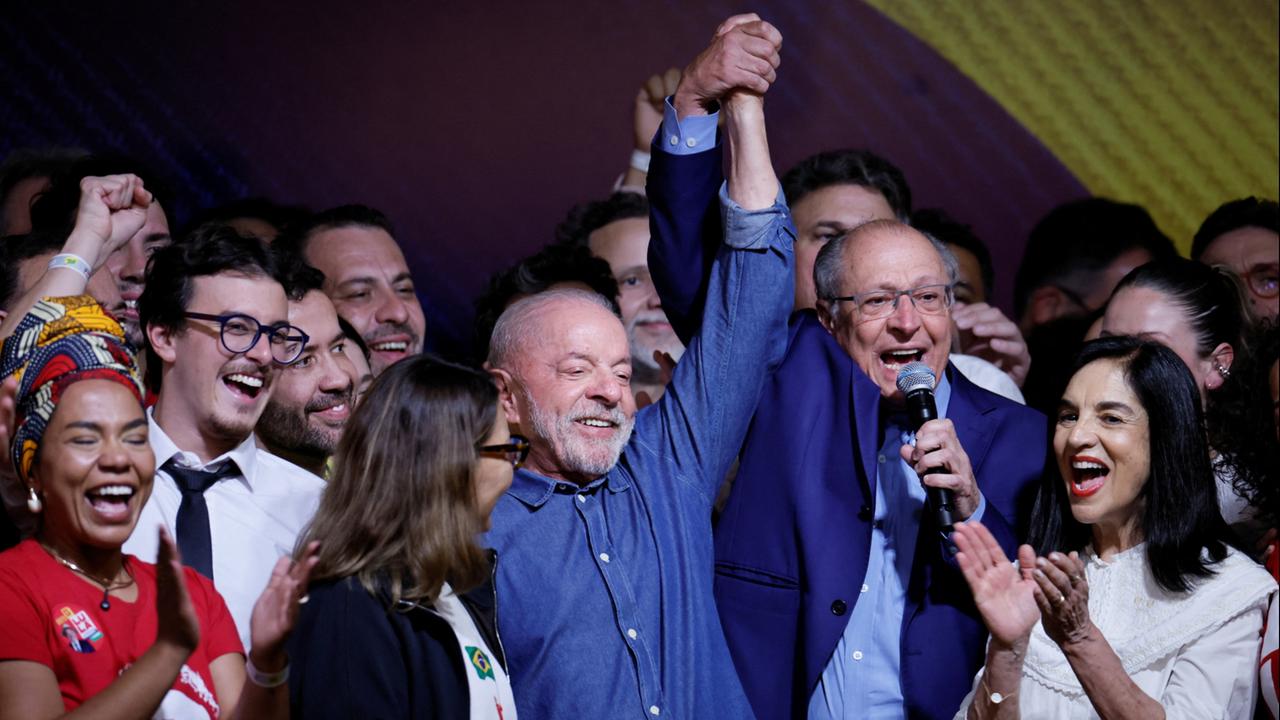
This election unfolded against the backdrop of an already turbulent political landscape. Flávio Bolsonaro’s candidacy was seen as a continuation of his father’s right-wing populist movement, with Jair Bolsonaro himself currently serving a sentence of over 27 years for an attempted coup, and presently under house arrest due to health reasons. His son’s campaign, therefore, carried the weight of a powerful, yet controversial, political legacy. Lula, on the other hand, positioned his campaign as a battle for democratic values, social justice, and environmental protection, contrasting sharply with the policies of the previous right-wing administrations. Thousands of Lula’s jubilant supporters took to the streets across major cities, celebrating what they viewed as a victory for progress and stability.
A Contentious Victory: The 2026 Brazilian Presidential Election
A Return to Power
Lula da Silva’s victory is a testament to his enduring appeal and political resilience. Having previously served two terms from 2003 to 2010, his return to the presidential palace marks a remarkable trajectory for a leader who has overcome immense personal and political challenges, including a controversial imprisonment on corruption charges that were later annulled. His campaign successfully mobilized a broad coalition of voters concerned about the state of the economy, the environment, and the erosion of democratic norms under the preceding right-wing governments. The high voter turnout, which some analysts believe was unexpectedly robust, particularly benefited Lula, demonstrating a strong desire among a significant portion of the electorate for a change in direction. His promise to prioritize social programs, combat deforestation in the Amazon, and restore Brazil’s standing on the global stage resonated deeply with his base.
Bolsonaro’s Challenge and Allegations
Flávio Bolsonaro’s immediate rejection of the election results sent shockwaves through the political establishment, reigniting fears of post-electoral instability that have plagued Brazil in recent years. His claim that the extension of polling hours constituted an "unprecedented" and invalidating factor was met with skepticism by the Supreme Electoral Court (TSE) and legal experts. The court had, in fact, responded to requests from both the Lula and Bolsonaro campaigns to extend voting time in various locations. These requests were prompted by logistical difficulties, including severe weather conditions, widespread flooding, power outages, and issues with public transportation that hindered voter access in several states. While Bolsonaro’s camp specifically advocated for extensions in regions disproportionately affected by these issues, the TSE ultimately made a broader decision to ensure maximum participation.
Kassio Nunes Marques, the President of the Electoral Court – notably an appointee of Jair Bolsonaro to the Supreme Court – publicly dismissed Flávio Bolsonaro’s claims, stating unequivocally that the extended voting period had "no material impact on the overall result." This judicial assessment further undermines the legal basis of Bolsonaro’s planned annulment request, suggesting that such a challenge would likely face significant hurdles in the courts.
The Shadow of the Former President
Flávio Bolsonaro’s candidacy was inseparable from the towering, albeit currently confined, figure of his father, Jair Bolsonaro. The former president, a divisive figure who cultivated a fervent base of supporters, was convicted for his role in an attempted coup following his 2022 electoral defeat. Sentenced to over 27 years in prison, Jair Bolsonaro is currently under house arrest due to health complications. This context meant Flávio’s campaign was largely a proxy battle, designed to keep the "Bolsonarista" movement alive and potent. His messaging often echoed his father’s populist rhetoric, emphasizing conservative values, law and order, and skepticism towards global institutions. The decision by Jair Bolsonaro to "send his son into the race" underscored the family’s continued political ambitions despite the legal repercussions faced by the patriarch. This dynamic added another layer of complexity to the election, transforming it into not just a contest of political platforms, but also a referendum on the legacy and future of the Bolsonaro movement.
Chronology of a Polarized Nation
Lula’s Enduring Legacy
Lula da Silva’s political journey is one of the most compelling in modern Latin American history. Rising from poverty to become a union leader and then president, his first two terms (2003-2010) ushered in a period of unprecedented economic growth and social progress. Driven by a commodities boom, his administration lifted millions out of poverty through flagship social programs like "Bolsa Família," expanded access to education, and significantly reduced unemployment. Brazil achieved greater international prominence, playing a key role in the BRICS bloc and advocating for a multipolar world. This era is often remembered as a golden age by his supporters, a time when Brazil was seen as a rising global power addressing its profound social inequalities.
The Rise of Bolsonarism
The political landscape began to shift dramatically in the mid-2010s, marked by economic recession, widespread corruption scandals (most notably Operation Car Wash, which implicated many political figures, including Lula), and growing public disillusionment with traditional politics. This created fertile ground for the rise of Jair Bolsonaro, a former army captain who capitalized on public anger against corruption, crime, and the Workers’ Party. His populist, right-wing platform, characterized by conservative social values, pro-gun policies, and skepticism towards environmental regulations, resonated with a significant portion of the electorate. Bolsonaro’s 2018 presidential victory signaled a sharp turn to the right for Brazil, dismantling many of the policies and institutions fostered under Lula’s tenure.
The 2022 Election and its Aftermath
The 2022 presidential election saw a dramatic showdown between Lula and Jair Bolsonaro, culminating in Lula’s narrow victory. The period immediately following was marked by intense political tension, culminating in the January 8, 2023, attack on government buildings in Brasília by Bolsonaro supporters who refused to accept the election results. Jair Bolsonaro’s role in inciting these events led to his subsequent conviction for attempting to subvert the democratic process, resulting in his lengthy prison sentence and eventual house arrest. This conviction effectively barred him from participating in future elections, paving the way for his son, Flávio, to emerge as the leading figure for the organized right in the 2026 race.
The Road to 2026
In the years following Jair Bolsonaro’s conviction, the political right regrouped, with Flávio Bolsonaro, already a prominent senator, stepping into a more central leadership role. He inherited his father’s vast network of support, which remained active and vocal, particularly through social media. Lula, meanwhile, faced the challenges of governing a deeply divided nation, contending with persistent economic headwinds and a powerful conservative opposition in Congress. The 2026 election, therefore, was not merely a contest between two individuals but a continuation of the ideological struggle that has defined Brazilian politics for the past decade, a struggle for the soul and direction of the nation. Flávio Bolsonaro’s campaign sought to rally the conservative base, promising a return to the policies and principles espoused by his father, while Lula focused on rebuilding institutions, fostering social cohesion, and addressing pressing national issues.
Supporting Data and Political Landscape
Electoral Statistics
The final vote count of 51.8% for Lula and 48.2% for Flávio Bolsonaro reflects the intense polarization within the Brazilian electorate. This margin, while significant in absolute numbers, highlights the deep divisions that persist across the country. Analysis of regional voting patterns indicates that Lula maintained strong support in the historically poorer Northeast and parts of the populous Southeast, while Bolsonaro garnered significant backing in the agricultural heartlands, the south, and among segments of the urban middle and upper classes. The unexpectedly high voter turnout, defying predictions of voter apathy, suggests that both campaigns were successful in mobilizing their respective bases. Political analysts are scrutinizing demographic data to understand which segments of the population were swayed by the final days of campaigning and the impact of specific issues.
Economic Realities
Lula’s previous administrations were characterized by robust economic growth fueled by global demand for Brazilian commodities. Under his leadership, unemployment plummeted to historic lows, poverty rates significantly decreased, and the minimum wage saw substantial real increases. The implementation of a five-day work week with two days off further underscored his commitment to worker welfare. However, his current term faces a different economic reality. While he inherited challenges such as high inflation and a considerable national debt, these issues were exacerbated by global economic uncertainties and the lingering effects of previous fiscal policies. His campaign promised renewed investment in social programs and infrastructure, a strategy that has raised concerns among some economists about potential impacts on the national budget and fiscal stability. Flávio Bolsonaro, in contrast, advocated for market-friendly policies, privatization, and reduced government spending, echoing the economic liberalization rhetoric of his father.
Social and Environmental Divides
The election presented a stark choice on critical social and environmental issues. Lula campaigned on a strong platform of climate protection, vowing to halt deforestation in the Amazon rainforest and re-engage Brazil with international environmental agreements. This stands in direct opposition to the previous right-wing administrations, which were criticized globally for weakening environmental regulations and facilitating increased deforestation. On social policy, Lula pledged to strengthen social safety nets, combat systemic inequality, and protect indigenous rights, areas where his predecessors faced significant backlash. Public security also emerged as a central campaign theme, with criminal organizations holding significant sway in parts of the country. Lula has proposed the establishment of a dedicated Ministry for Public Security to tackle these challenges comprehensively, a move intended to centralize and enhance federal efforts against crime.
The Congressional Balance
One of the most significant challenges Lula will face in his fourth term is governing with a formidable right-wing opposition in the National Congress. In the legislative elections held three weeks prior to the presidential runoff, Flávio Bolsonaro’s Liberal Party (PL) emerged as the dominant force. The PL secured 121 out of 513 seats in the Chamber of Deputies, making it the largest party, and also holds 28 out of 81 seats in the Senate. This strong presence means Lula will need to employ significant political acumen to forge alliances and secure majorities for his legislative agenda. Historically, Brazilian presidents often rely on the "Centrão," a loose alliance of predominantly conservative and centrist parties, whose support is often transactional, driven by political and regional interests rather than strict ideology. Navigating these complex parliamentary dynamics will be crucial for Lula to implement his promised reforms and avoid legislative gridlock.
Official Responses and Reactions
Lula’s Declaration of Democracy
In his victory speech, a visibly emotional Lula declared his win as a "vote for democracy," emphasizing that the Brazilian people had chosen to "secure democracy" against authoritarian tendencies. His address resonated deeply with supporters who see his presidency as a return to democratic norms and a rejection of the political extremism that characterized recent years. The streets of major cities, particularly in São Paulo and Rio de Janeiro, erupted in spontaneous celebrations, with thousands of Lula’s supporters waving red flags, singing, and dancing, embodying the hope and relief that permeated his base. This outpouring of joy underscored the profound emotional investment many Brazilians had in the outcome of this election, viewing it as a critical juncture for the nation’s future.
Flávio Bolsonaro’s Stance
Flávio Bolsonaro’s televised address, delivered shortly after the electoral court announced the final results, conveyed a message of defiance. Surrounded by legal advisors and key campaign staff, he articulated his refusal to accept the outcome, reiterating his claims of electoral impropriety. His intention to seek an annulment of the elections is a clear indication that the right-wing movement intends to challenge Lula’s legitimacy through legal and political avenues. This move, while perhaps legally tenuous given the TSE’s counter-statements, serves to energize his base and maintain a narrative of an unfair election, potentially setting the stage for ongoing political agitation. His focus on the extended polling hours, despite the official explanations, aims to cast doubt on the fairness of the electoral process itself.
Election Authority’s Verdict
The Supreme Electoral Court (TSE) acted swiftly to affirm the validity of the election results. President Kassio Nunes Marques, while acknowledging the requests for extended polling hours, firmly stated that the decision was made transparently and had no bearing on the final outcome. The TSE’s role as the ultimate arbiter of electoral disputes in Brazil is critical in maintaining democratic order. Its clear pronouncements are designed to counter any attempts to undermine public trust in the electoral system. The court’s unequivocal stance is a crucial institutional response, aimed at stabilizing the political environment and ensuring a smooth transition of power.
International Community’s View
The international community is closely monitoring Brazil’s post-election landscape. Lula’s victory is largely expected to be welcomed by global leaders, particularly those concerned about climate change and the state of democracy in Latin America. Major powers and regional blocs are anticipated to issue statements congratulating Lula, signaling their recognition of the democratic process. His commitment to re-engaging with international climate initiatives, such as the Paris Agreement, and strengthening multilateral institutions will likely be met with enthusiasm. Conversely, Flávio Bolsonaro’s challenge to the election results could trigger concern among international observers, potentially leading to calls for restraint and adherence to democratic principles. The relationship with the United States, particularly with the return of Donald Trump as President, was a key point of discussion during the campaign, with Lula advocating for a more independent foreign policy stance, contrasting with what his supporters perceived as an excessive alignment with Washington under previous right-wing administrations. This shift could reshape regional alliances and global diplomatic efforts.
Implications for Brazil and Beyond
Governing a Divided Nation
Lula’s fourth term will be marked by the formidable challenge of governing a nation that remains deeply polarized. The narrow margin of victory and the strong performance of the right-wing in Congress underscore the enduring divisions. Lula’s ability to forge broad coalitions, including with the influential Centrão, will be paramount to passing legislation and implementing his agenda. Failure to do so could lead to legislative gridlock, hindering his ability to deliver on campaign promises and potentially exacerbating social unrest. His success will depend on his capacity to bridge ideological divides and build consensus across the political spectrum, a task made more difficult by the ongoing challenges to electoral legitimacy from the Bolsonaro camp.
Economic Trajectory
Lula’s economic policies are expected to prioritize social spending, wealth redistribution, and state-led development initiatives. While these policies aim to alleviate poverty and inequality, they will need to be carefully balanced with concerns about fiscal responsibility and attracting foreign investment. The global economic climate, coupled with Brazil’s internal challenges of inflation and high public debt, will test Lula’s ability to reignite sustainable growth. His administration’s approach to state-owned enterprises, infrastructure projects, and industrial policy will be closely watched by domestic and international markets.
Environmental Stewardship
A significant shift in Brazil’s environmental policy is anticipated under Lula. His strong commitment to combating deforestation in the Amazon and restoring environmental regulations marks a departure from the policies of previous right-wing administrations. This stance is likely to enhance Brazil’s international standing and facilitate greater cooperation on global climate initiatives. However, implementing these policies will require confronting powerful agribusiness and mining interests, as well as addressing the complex socioeconomic factors that drive deforestation. The success of his environmental agenda will have far-reaching implications for global climate efforts and biodiversity conservation.
Regional and Global Alignment
Lula’s foreign policy is expected to re-emphasize Brazil’s role as a leading voice in the Global South. He is likely to strengthen ties with Latin American neighbors, foster cooperation within the BRICS bloc (Brazil, Russia, India, China, South Africa), and advocate for a multipolar international order. His campaign explicitly positioned itself against what it perceived as an over-reliance on the United States, particularly following the return of Donald Trump to the US presidency. This reorientation could see Brazil taking a more independent and assertive role on the world stage, impacting regional dynamics and global governance. His experience and established relationships with leaders worldwide will be crucial in navigating these complex diplomatic landscapes.
The Future of Brazilian Democracy
The 2026 election, with its contentious aftermath, highlights the fragility and resilience of Brazilian democracy. While the electoral institutions have so far withstood challenges to their legitimacy, the persistent refusal of the defeated candidate to concede and the ongoing narrative of electoral fraud pose a significant threat. Lula’s presidency will therefore not only be about policy implementation but also about strengthening democratic institutions, fostering a culture of respect for electoral outcomes, and unifying a deeply fragmented society. The ability of Brazil’s political system to manage this intense polarization and uphold the rule of law will be a critical test for the future of democracy in the nation.