Washington D.C. – The 2024 United States midterm elections have shattered all previous records for campaign spending, transforming the electoral landscape into an arena where financial might appears to be as crucial as political ideology. With billions of dollars flooding into races across the nation, concerns are mounting over the integrity of the democratic process and the disproportionate influence wielded by an elite cadre of "mega-donors." As of late October, reports indicate that expenditures for the current congressional elections have already surged past the $15 billion mark, eclipsing even the combined spending of previous presidential and midterm cycles. This unprecedented financial deluge underscores the perceived existential stakes of these elections for both major parties and raises profound questions about the future of American democracy.
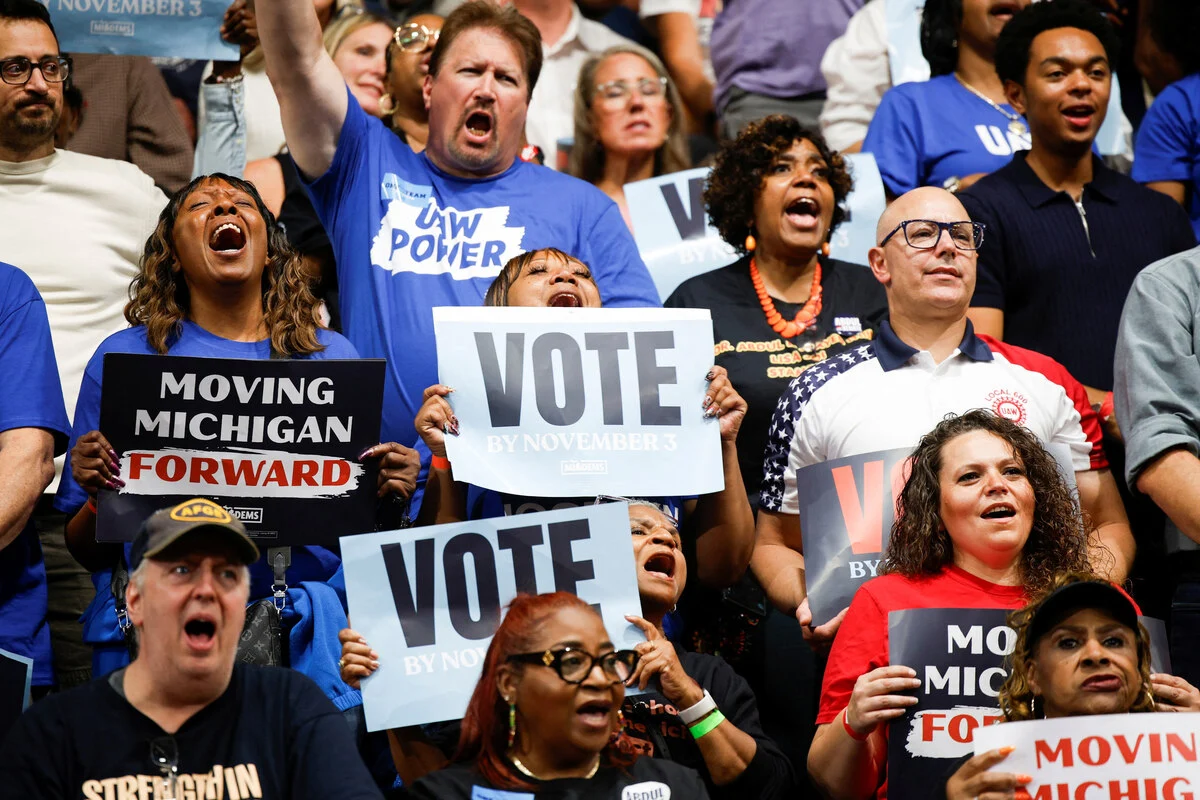
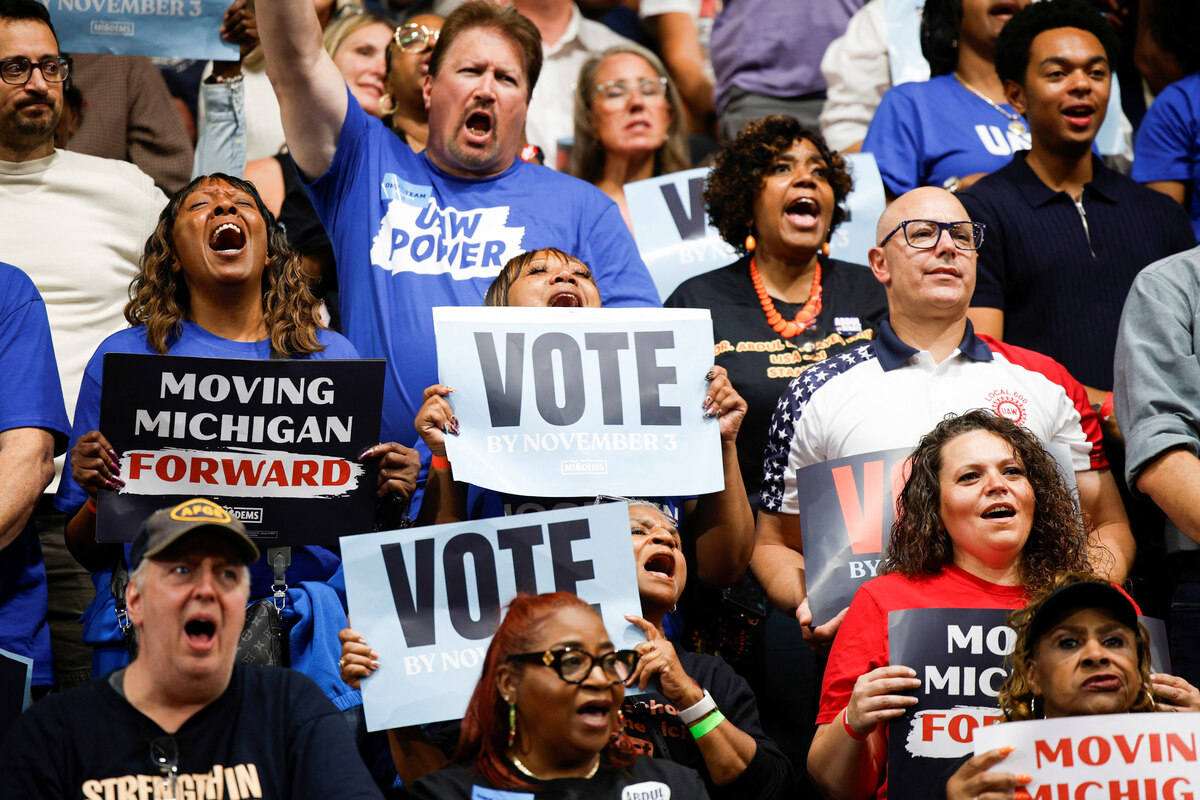
The sheer scale of this financial mobilization has drawn sharp criticism from political reformers and some candidates themselves. Abdul El-Sayed, a prominent Democratic Senate candidate in Michigan, for instance, has made the role of money in politics a cornerstone of his campaign. He has openly accused his primary opponent, Hayley Stevens, of accepting funds from the pro-Israel lobby AIPAC, and his Republican general election rival, Mike Rogers, of being beholden to the oil industry. El-Sayed has vowed that if elected to the Senate, he would dedicate his efforts to curbing what he describes as the "absurd spending spree" in U.S. elections. His sentiments echo a growing unease among a significant portion of the electorate regarding the outsized role of wealthy individuals and special interest groups in shaping political outcomes.
A Historical Trajectory of Escalating Costs
The current spending spree is not an isolated phenomenon but rather the culmination of a decades-long trend of escalating campaign costs, dramatically accelerated by landmark legal decisions. Historically, campaign finance laws in the U.S. aimed to limit the influence of money in politics, with regulations on individual and corporate donations and prohibitions on direct corporate and union contributions to federal campaigns. However, a series of Supreme Court rulings began to chip away at these restrictions, fundamentally altering the financial dynamics of elections.
The most pivotal of these decisions was Citizens United v. Federal Election Commission in 2010. This ruling declared that corporations and unions have the same First Amendment rights as individuals, and thus, the government cannot restrict their independent political spending in candidate elections. The Court reasoned that limiting such spending amounted to censorship and violated the principle of free speech. While the ruling maintained restrictions on direct contributions to candidates and parties, it opened the floodgates for "independent expenditures" – money spent to advocate for or against a candidate without coordinating with the campaign.
Immediately following Citizens United, a D.C. Circuit Court of Appeals decision, SpeechNow.org v. Federal Election Commission, clarified that independent expenditure-only committees could accept unlimited contributions from individuals, corporations, and unions for the purpose of making independent expenditures. These entities quickly became known as "Super PACs." Unlike traditional Political Action Committees (PACs), which have strict donation limits and can contribute directly to campaigns, Super PACs cannot contribute directly to candidates or political parties, but they can raise and spend unlimited amounts of money to overtly advocate for or against political candidates.
The impact of these decisions was immediate and profound. The 2012 presidential election was the first since Citizens United and saw a significant increase in spending from outside groups. Subsequent cycles, including the 2014, 2016, 2018, and 2020 elections, witnessed a steady escalation in expenditures, with each election often setting new records. For instance, the 2020 election cycle, which included both presidential and congressional races, saw a total investment of approximately $14 billion in political influence. The congressional elections alone in that cycle cost around $9 billion.
The current midterm cycle, however, has dwarfed these previous figures. The $15 billion already spent by late October for congressional races alone is not only a record for a midterm election but also surpasses the total spending of the entire 2020 election cycle, which included the hotly contested presidential race. This staggering figure highlights how deeply entrenched the "unlimited spending" model has become and how crucial financial resources are now perceived in the battle for political control.
The Anatomy of Record Spending: Where the Billions Go
The $15 billion figure represents an astronomical sum poured into various facets of electoral campaigning. While much of the spending is publicly disclosed, the mechanisms of modern campaign finance mean that the full picture of political influence is often more opaque.
Campaign Operations and Advertising Blitz: The vast majority of these funds are directed towards advertising, particularly television and digital ads, which dominate the airwaves and online platforms in battleground states. These ads are often negative in tone, designed to attack opponents and mobilize partisan bases. Beyond advertising, significant sums are allocated to sophisticated ground operations, including voter registration drives, get-out-the-vote efforts, and door-to-door canvassing. Staffing, polling, data analytics, and political consultants also command substantial portions of campaign budgets, especially in closely contested races. The original article notes that the heaviest advertising typically occurs in the final days leading up to an election, suggesting the $15 billion figure is likely to climb even higher before Election Day.
Partisan Discrepancy in Funding: A striking feature of the current cycle is the significant financial advantage enjoyed by Republican candidates, particularly in key Senate races. The Brennan Center for Justice at New York University has reported a stark discrepancy, noting that Republican candidates in closely watched Senate races, such as those in Texas or Michigan, have accepted $946 million, compared to $624 million received by their Democratic counterparts. The Brennan Center projects that, overall, Republican candidates are likely to receive more than double the amount of money as Democratic candidates this cycle, characterizing it as "presumably the greatest discrepancy in American history." This financial imbalance can have substantial implications for a candidate’s ability to reach voters, build robust campaign infrastructure, and counter opponent narratives.

The Rise of the Mega-Donors: A significant driver of this spending explosion is the emergence of "mega-donors" – individuals with immense wealth who contribute sums previously unimaginable to political committees. These donors, often billionaires from the tech, finance, and industrial sectors, leverage Super PACs to exert influence without direct contribution limits.
-
Elon Musk: Leading the pack of Republican mega-donors is Elon Musk, the billionaire entrepreneur behind Tesla and SpaceX. According to the New York Times, Musk has contributed over $276 million to Republican candidates and causes this cycle. A substantial portion of this, $158 million, was directed to the "Senate Leadership Fund," the largest Republican Super PAC. Super PACs like the Senate Leadership Fund can raise and spend unlimited amounts of money from corporations, unions, associations, and individuals to advocate for or against political candidates. While they are prohibited from coordinating directly with candidate campaigns, their independent expenditures often mirror campaign messaging and can profoundly impact public perception. The article hints at potential quid pro quo, noting that Defense Secretary Pete Hegseth, who refers to himself as the "Minister of War," has recently tasked Musk with revolutionizing technology on the battlefield, suggesting a direct link between political contributions and access or contracts.
-
Tech and Finance Titans: Other significant contributors to Republican campaigns include prominent figures from the tech and finance industries. AI and crypto investors Marc Andreessen and Ben Horowitz have collectively spent $115 million in support of Republican candidates. Their investments highlight the growing intersection of emerging technologies and political influence, as these industries seek to shape regulatory environments favorable to their interests. Hedge fund investor Jeff Yass has also contributed over $90 million, further underscoring the dominance of financial sector wealth in political funding.
-
Democratic Counterparts: While the Republican side appears to have a numerical advantage in mega-donor contributions this cycle, Democrats also rely heavily on wealthy benefactors. George Soros, the Hungarian-American billionaire investor and philanthropist, stands out as a major Democratic donor, having injected over $100 million into the election campaign. Soros is known for his extensive support of liberal and progressive causes, often through his Open Society Foundations, and his political donations align with these broader ideological goals.
Official Responses and Criticisms of the System
The current campaign finance system, largely shaped by the Citizens United decision, faces a barrage of criticism from various corners. Proponents of the status quo often invoke the First Amendment, arguing that spending money in elections is a form of free speech and therefore should not be restricted. They contend that limiting donations stifles political expression and disadvantages grassroots efforts by making it harder for challengers to compete with incumbents.

However, critics argue that this interpretation of free speech equates wealth with speech, effectively allowing those with the deepest pockets to dominate the public discourse. Organizations like the Brennan Center for Justice consistently highlight the corrosive effects of unlimited spending on democratic participation and accountability. They point out that the massive influx of money creates an uneven playing field, making it exceedingly difficult for candidates without access to wealthy donors to compete effectively. This financial barrier can discourage diverse candidates from running and limit voter choice.
Furthermore, the rise of Super PACs and other "dark money" groups (such as 501(c)(4) social welfare organizations, which do not have to disclose their donors) makes it harder for the public to trace the source of political spending and understand who is attempting to influence elections. This lack of transparency undermines public trust and makes accountability challenging.
While there have been various legislative attempts to reform campaign finance – such as the DISCLOSE Act, which seeks to enhance transparency by requiring disclosure of donors to dark money groups, or proposals for public financing of elections – these efforts have largely stalled in a politically divided Congress. The lack of a unified political will to address campaign finance reform means that the current system, with its reliance on unlimited private money, is likely to persist, further entrenching the influence of mega-donors.
Implications for American Democracy
The unprecedented financial outlays in the 2024 midterms carry profound implications for the health and future of American democracy.
Erosion of Trust and Democratic Legitimacy: When elections are perceived as being bought by wealthy donors rather than decided by the will of the people, it inevitably leads to cynicism and a loss of faith in democratic institutions. The sheer scale of spending can make ordinary citizens feel that their voices are drowned out, fostering disengagement and a sense of powerlessness. This erosion of trust can have long-term consequences for political stability and civic participation.

Policy Capture and Special Interests: The primary concern articulated by reform advocates, including groups like RepresentUs, is that money doesn’t directly buy elections, but it buys access and influence. Donors invest in candidates they believe will win, not merely out of altruism, but to ensure they have a seat at the table when policy decisions are made. This can lead to policies being crafted to benefit specific donor interests – whether in energy, technology, finance, or other sectors – rather than the broader public good. The original article alludes to this, noting that mega-donors like Musk "know what they get for their money." This raises fundamental questions about who truly governs in a system heavily influenced by private wealth.
Exacerbated Polarization: The vast sums spent on campaign advertising often fund highly negative, partisan attacks. This influx of money can exacerbate political polarization by encouraging extreme rhetoric and discouraging bipartisan cooperation. When campaigns are awash in funds, there’s less incentive to seek common ground and more to demonize opponents, further widening the partisan chasm. The "apocalyptic rhetoric" mentioned in the original article, where every election is framed as the "most important in history" and a battle against "totalitarianism" or "left-liberal madness," is often fueled by these massive campaign war chests, designed to galvanize donor support and voter turnout through fear.
Candidate Selection and Political Diversity: The high cost of campaigning creates a significant barrier to entry for many potential candidates. It inherently favors wealthy individuals, those with extensive networks of wealthy donors, or those backed by powerful special interest groups. This can limit the diversity of candidates and perspectives represented in government, making it harder for grassroots movements or candidates from less privileged backgrounds to gain traction.
A Glimmer of Hope? The Role of Grassroots Campaigns: Despite the overwhelming financial advantage of moneyed interests, some counter-narratives offer a glimmer of hope. Election researchers, including RepresentUs, emphasize that while money provides an advantage, it does not guarantee victory. The dynamism of campaigns can sometimes defy financial predictions. The article cites the example of Zohran Mamdani, who won a New York mayoral primary despite taking 40 times less in donations than his opponent. This example serves as an inspiration for candidates like Abdul El-Sayed and James Talarico, who hope to demonstrate that principled campaigns, strong grassroots organizing, and compelling messages can still overcome substantial financial disparities.
However, these instances remain exceptions rather than the rule in a system increasingly dominated by colossal sums. The 2024 midterm elections represent a critical juncture, showcasing a campaign finance system pushed to its financial limits. As the nation moves towards the 2024 presidential election, the trajectory of spending is likely to continue its upward climb, intensifying the debate over money’s role in politics and the very essence of American democracy. The challenge for reformers and engaged citizens alike will be to find ways to reclaim the electoral process from the clutches of unlimited spending and ensure that the voices of all Americans, not just the wealthiest, are heard.