By Christian Jakob
The European Union is currently navigating a period of profound political transformation. As right-wing populist movements gain electoral ground across the continent, the EU Commission appears to be seizing this shift as a strategic opportunity to accelerate the centralization of its border management. National reservations—long considered the standard checks and balances of EU sovereignty—are increasingly being dismissed as bureaucratic obstacles. At the center of this paradigm shift is Frontex, the European Border and Coast Guard Agency, which is rapidly evolving from a support service for member states into an autonomous, supranational police force with an aggressive mandate for mass deportation.
The Core Facts: A New Chapter for Frontex
At the heart of the current debate is an upcoming legislative package to be presented by EU Home Affairs Commissioner Magnus Brunner. The proposal aims to significantly bolster the operational capacities of Frontex, specifically by establishing a centralized "Deportation Coordination Center."
While the terminology may sound administrative, the substance is revolutionary. For years, Brussels has pursued a long-term goal: the transformation of Frontex into a genuine EU border police force. Unlike its current role—where it primarily acts as a service provider assisting national authorities—the new mandate envisions an agency with its own executive powers. This shift would allow Frontex to bypass the hesitant, often fragmented, national bureaucracies that have historically acted as a drag on EU-wide migration enforcement.
Chronology of Expansion: From Support to Sovereignty
To understand the gravity of this development, one must look at the incremental erosion of national control over border policy:
- 2006: Frontex begins its journey by coordinating and financing voluntary returns of migrants upon the formal request of individual member states.
- 2016: The agency receives a mandate expansion, allowing it to initiate return operations on its own authority, though it remains tethered to the political willingness of member states.
- 2022: The first fully autonomous, Frontex-initiated mass deportation takes place. Despite this milestone, the volume of such operations remains statistically negligible, limited by a handful of experimental deployments.
- March 2026: A symbolic and political "brandmauer" (firewall) collapses in the European Parliament regarding the implementation of "Return Hubs." This legislative breakthrough signaled a broader shift in consensus, paving the way for more radical border enforcement measures.
- July 2024/2025: The events in Ceuta acted as a catalyst. Following a mass surge at the border, the pressure to "do something" reached a fever pitch, providing the Commission with the necessary political capital to push through reforms that were previously deemed too intrusive.
Supporting Data and Context
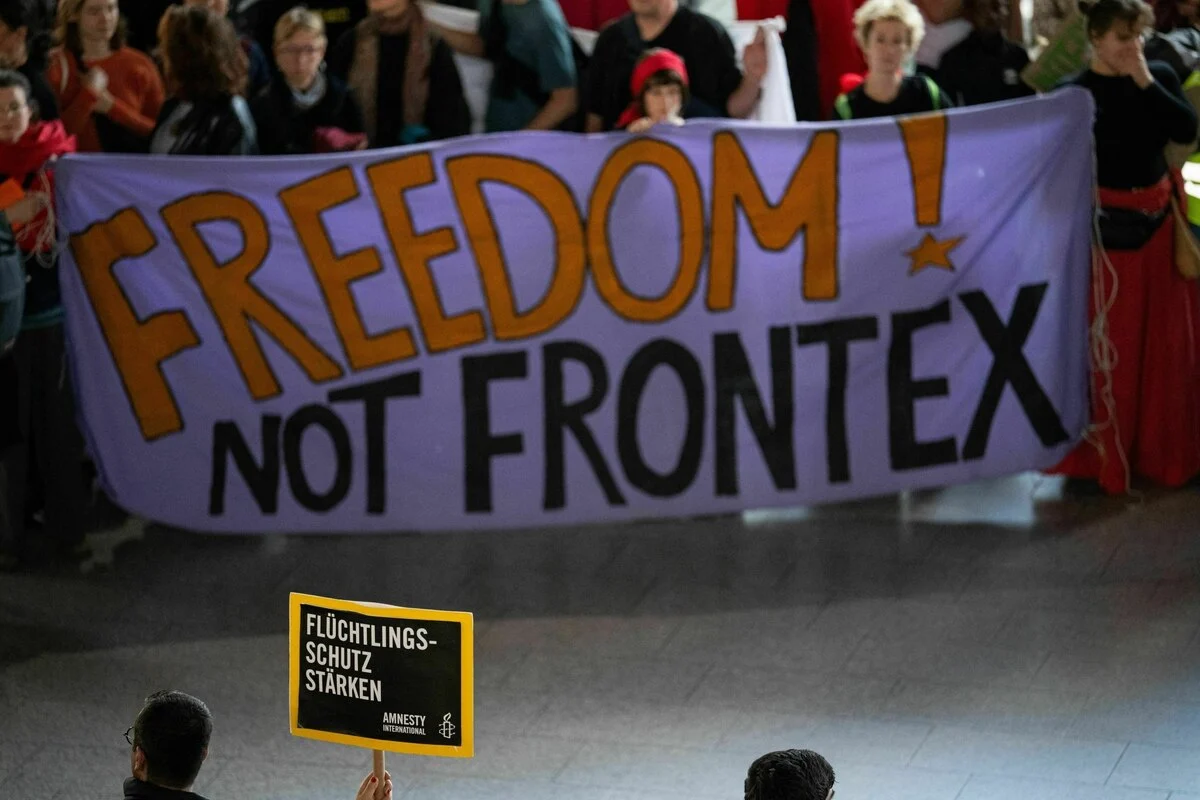
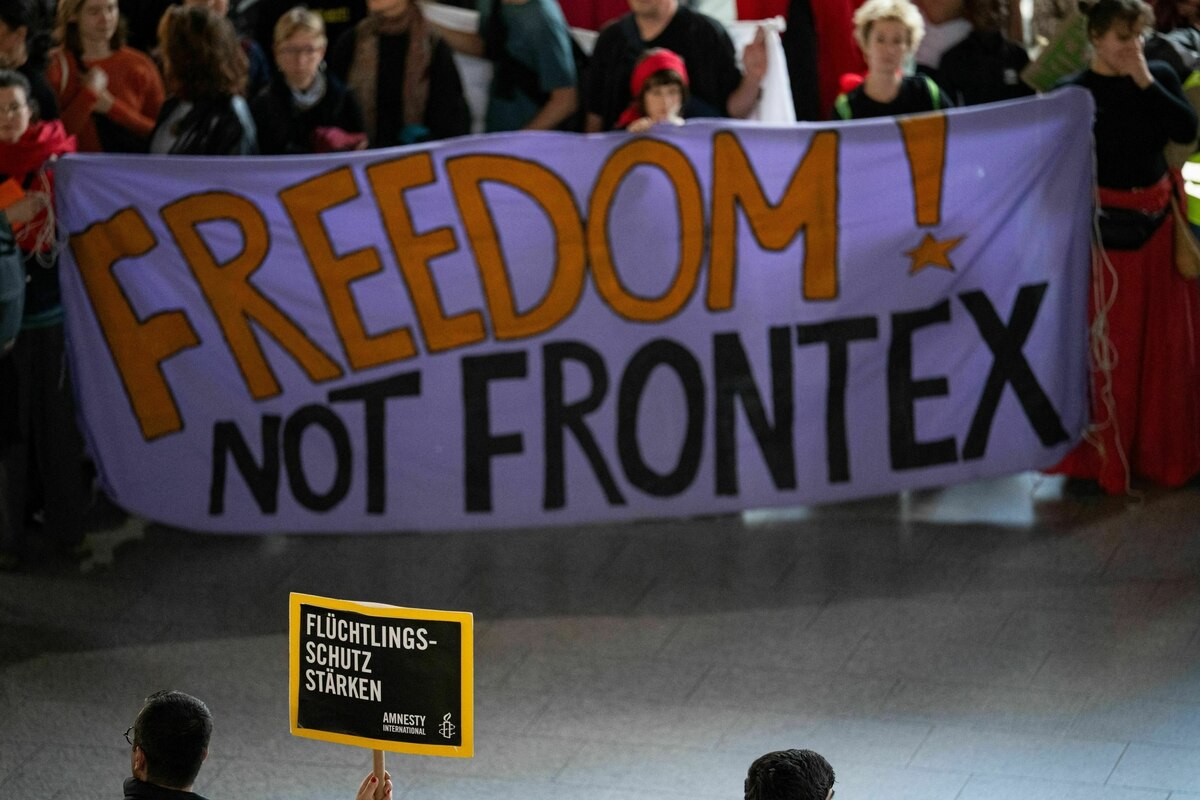
The recent protests across six German airports, where thousands gathered under the slogan "Nationwide Against Deportations," reflect the growing public unease regarding these developments. However, these protests stand in stark contrast to the momentum building in Brussels.

Historically, member states were divided on the issue of Frontex’s expansion. Some nations expressed legitimate human rights concerns, fearing that a centralized authority would lead to "pushbacks" and a lack of accountability. Conversely, other states feared that they would lose their own ability to manage migration flows, potentially being forced by the EU to conduct deportations against their own strategic interests or domestic political considerations.
However, as the political landscape shifts to the right, the calculus is changing. The "Return Hubs" project, combined with the new legislative proposals, suggests that the Commission is no longer content to wait for member state consensus. The data on returns—often low in member states due to complex legal and diplomatic hurdles—is being used by the Commission as a justification for why a "more efficient," centralized, and coercive apparatus is necessary.
Official Responses: The Conflict of Authority
The tension between centralized EU ambition and national oversight is nowhere more apparent than in the conflicting statements of high-level officials. Following the border surge at Ceuta, German Interior Minister Alexander Dobrindt called for a radical expansion of Frontex’s powers, arguing that the agency should be granted total operational authority to secure external borders.

Interestingly, this push for power was met with hesitation by the head of the agency itself. Frontex Executive Director Hans Leijtens has publicly warned against the hazards of stripping too much decision-making power from national authorities. Leijtens’ caution suggests that even within the agency, there is an awareness of the legal and moral quagmire that comes with overriding national sovereignty. Despite these warnings, the political momentum in the Council and the Commission remains firmly set on a path toward further integration and centralization.
Implications: The Future of European Sovereignty
The move to establish a "Deportation Coordination Center" is not merely a logistical upgrade; it is a fundamental reordering of European border management. By centralizing the machinery of deportation, the EU is effectively creating a new layer of executive authority that is less accountable to individual national parliaments and the civil societies that monitor them.
1. The Erosion of Accountability:
If deportations are managed by a centralized EU agency, the ability of NGOs, journalists, and national judicial systems to hold authorities accountable for human rights violations becomes significantly more complex. When a deportation is framed as a "European operation," determining which entity is legally responsible for procedural failures becomes a jurisdictional maze.

2. The Normalization of Coercion:
The expansion of Frontex signifies a pivot toward a security-first approach to migration. By framing migration management almost exclusively through the lens of "deportation" and "border security," the EU is signaling that it is abandoning the broader, more complex discussions around integration, humanitarian responsibility, and the root causes of displacement.
3. The Impact on National Policy:
Member states that have historically taken a more liberal approach to migration may soon find their domestic policies overridden by EU-mandated, centralized enforcement. This could lead to a constitutional crisis within the union, as the tension between national democratic mandates and supranational administrative mandates reaches a breaking point.
Conclusion: A Continent at a Crossroads
As the EU prepares for the next phase of its migration policy, the public remains largely divided. While protests at airports demonstrate a segment of the population that remains committed to humanitarian values, the institutional machinery of the EU is moving in a different direction.

The transformation of Frontex into a powerful, centralized deportation authority represents a departure from the "Europe of Nations" toward a more monolithic, security-heavy administrative block. Whether this will successfully "solve" the migration issue or merely exacerbate the humanitarian and political costs remains the defining question of our time. As Commissioner Brunner prepares his proposal, the message from Brussels is clear: the era of national hesitation is over, and the era of the centralized, enforced border has arrived.