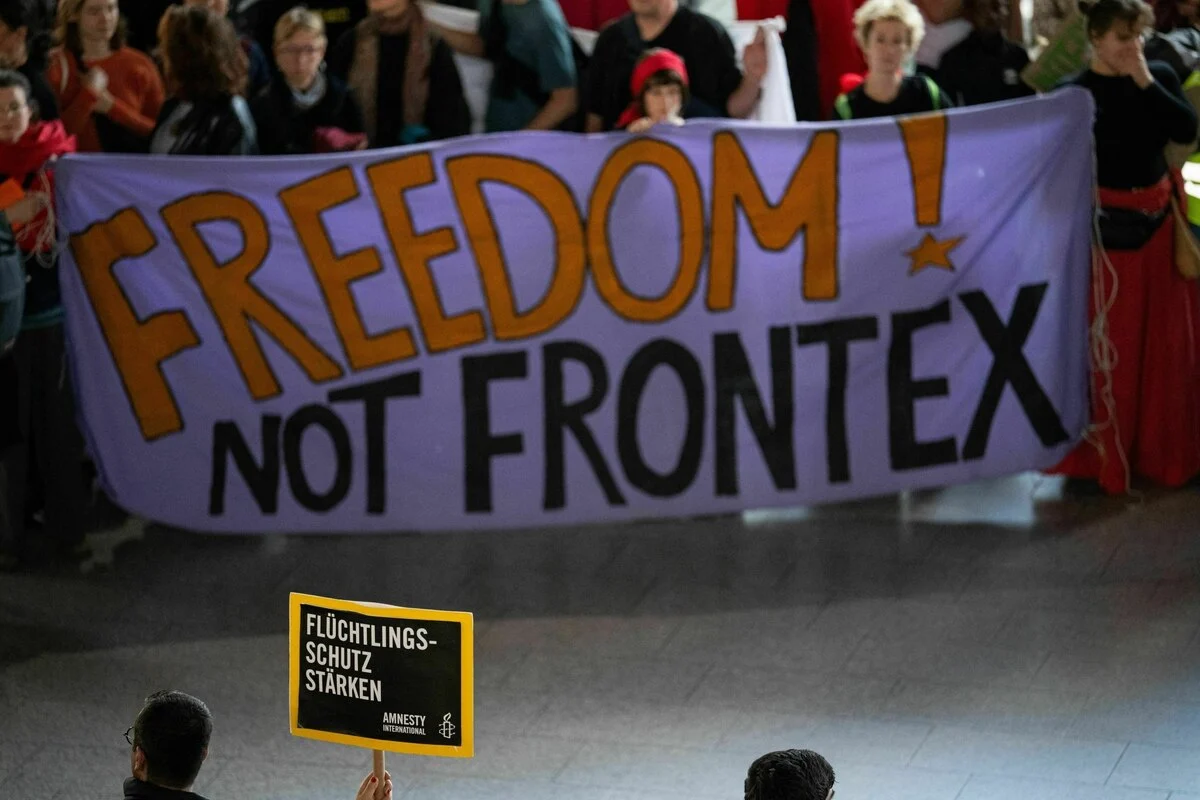
The death of 38-year-old Henry A. has sent shockwaves through the German legal community and intensified the ongoing controversy surrounding the high-profile "Antifa Ost" trial. Two months after a desperate suicide attempt that left him in a coma, the Leipzig native passed away on Saturday night. His death marks a grim turning point in a multi-year legal saga that has been defined as much by accusations of state overreach and repression as by the alleged crimes of the defendants.
Henry A., a prominent figure in the fan scene of the football club BSG Chemie Leipzig, had been accused of participating in a 2020 attack on neo-Nazis in the town of Wurzen. However, his legal journey became a cautionary tale regarding the limits of the state’s duty of care, raising profound questions about whether the judicial system prioritized the continuation of a proceedings over the basic right to life of an increasingly fragile defendant.
The Final Days: A Chronology of Neglect
The trajectory leading to Henry A.’s death was marked by a series of deteriorating health episodes and repeated, failed attempts by his defense team to secure his release from the trial process.
A System Under Scrutiny
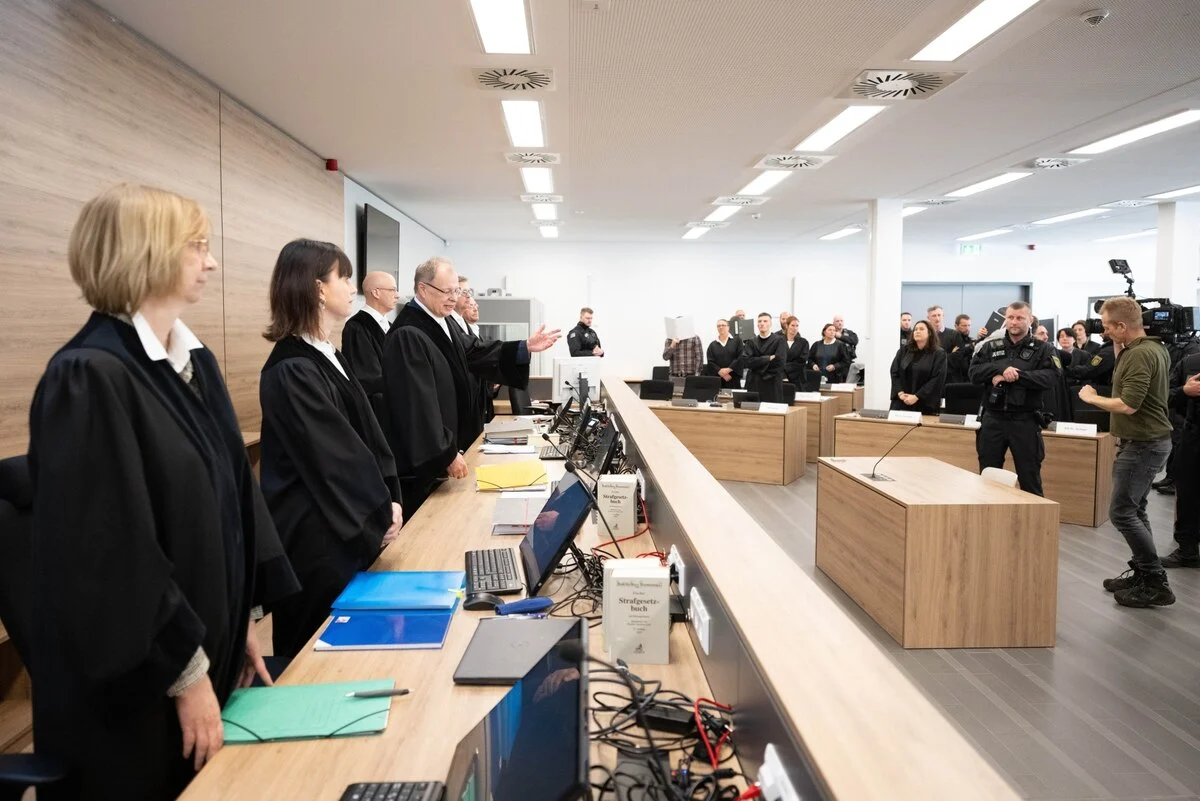
On August 12, Henry A. sat on the defendant’s bench at the Higher Regional Court in Dresden for the final time. He was not brought there by his own volition, but by police officers who transported him directly from the closed psychiatric ward where he had been under compulsory observation. Only three days later, on August 15, the 38-year-old suffered the fatal suicide attempt that resulted in his multi-week coma.
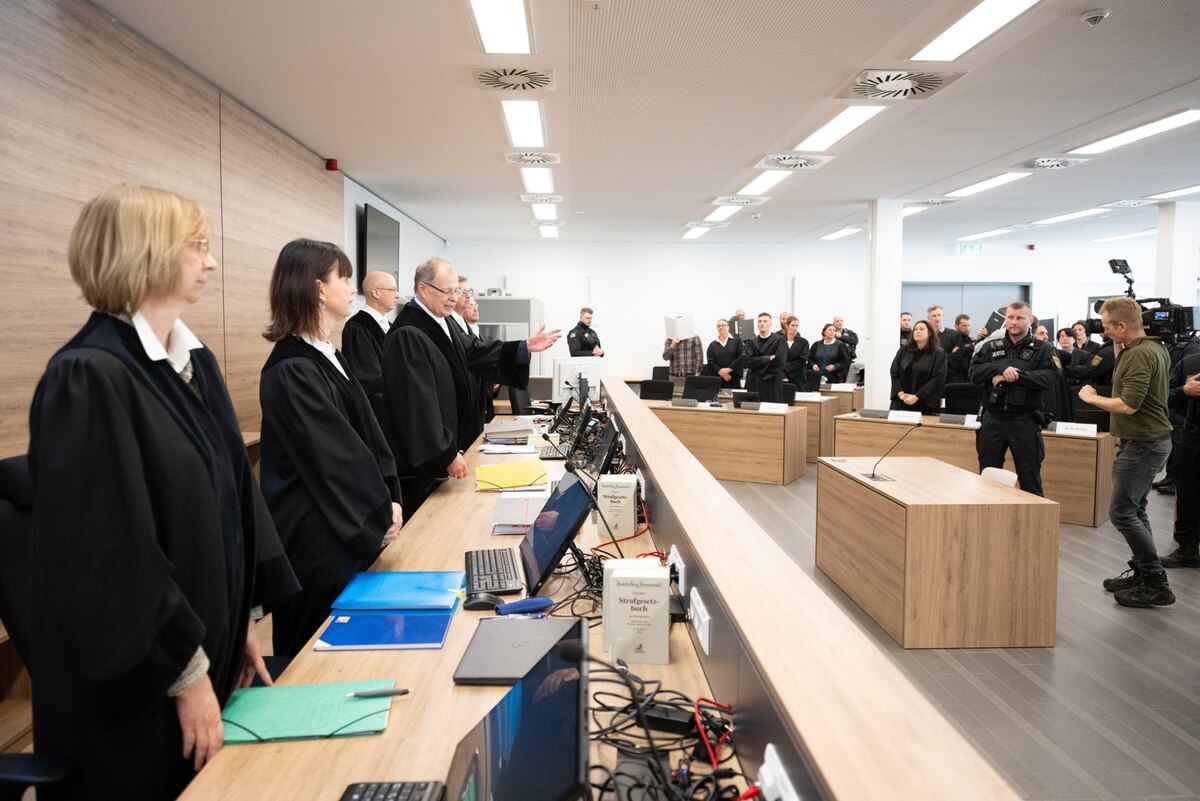
The defense attorney, Felix Isensee, did not mince words in the aftermath of his client’s death. On Sunday, he issued a scathing indictment of the court, asserting that the judiciary had fundamentally abandoned its "duty of care" (Fürsorgepflicht). "My client was in an obvious state of psychological crisis that necessitated involuntary psychiatric commitment," Isensee stated. "Despite this, the court insisted on his presence, effectively forcing an individual in a medically sedated state into a courtroom setting."
The Pattern of Deterioration
The tragedy did not occur in a vacuum. Henry A.’s mental health had been failing for years, a decline exacerbated by what his supporters and legal team described as relentless state repression. Before the trial even commenced in November 2025, A. had attempted suicide. His defense team requested a severance of his case—arguing that the vast majority of the charges in the sprawling "Antifa Ost" case did not involve him directly—but the court denied this request.
As the trial dragged on, the demands on his health intensified. In July, A. was admitted to a psychiatric clinic; a week later, he made another attempt on his life. His attending physician recommended a three-month break from the proceedings. The court, however, ignored this recommendation, relying instead on an opinion from a court-appointed expert who deemed him fit for trial.
Following the death of a close family member, A.’s condition worsened, leading to further hospitalization. Despite the defense providing documentation that their client was being heavily medicated with psychotropic drugs to remain functional in court, the bench remained unmoved. It was only in early September—after A. had already been in a coma for over two weeks—that the court finally agreed to sever his case from the larger trial.

Institutional Context: Years of Surveillance and Alleged Repression
To understand the pressure under which Henry A. lived, one must look at the long history of friction between him and the Saxon authorities. Since the 2010s, A. had been a primary target of the "Soko Linx," a special police unit established to combat left-wing extremism in Saxony.
The "Chemie Leipzig" Connection
As a functionary for the football club BSG Chemie Leipzig, A. was deeply embedded in a community that frequently clashed with right-wing extremist fans of the rival club, Lok Leipzig. For years, the state poured resources into investigations, attempting to classify these fan clashes as the activities of a "criminal organization." Despite massive surveillance operations—some of which were later deemed to have skirted or violated legal standards—no evidence was found to support these claims, and the proceedings were ultimately dropped.
The "Compact" Scandal
The relationship between A. and the state reached a new low in 2021. Following a house raid, the right-wing extremist magazine Compact published internal investigative details regarding A. before he had even been fully processed by his own legal team. A. famously denounced this as a "years-long campaign" against him, questioning how the State Office of Criminal Investigation (LKA) could be in possession of information that somehow ended up in the hands of a neo-fascist publication.
The ensuing investigation into potential treason of official secrets resulted in a bizarre outcome: the state investigated its own officers, but the case was closed, with prosecutors claiming the leak came from "someone in A.’s immediate circle." For A. and his supporters, this served as further evidence of a system that was not merely investigating him, but actively working to destroy his credibility and mental stability.

Implications: A Crisis of Judicial Ethics
The death of Henry A. has ignited a debate regarding the nature of "Großprozesse" (mega-trials) in Germany. Critics argue that the desire of the judiciary to see such complex, politically charged cases through to a conviction often blinds judges to the humanity of the individuals sitting in the dock.
The Limits of "Verhandlungsfähigkeit"
The legal concept of Verhandlungsfähigkeit (fitness to stand trial) is intended to ensure that a defendant can meaningfully participate in their own defense. By forcing a defendant who is under the influence of strong sedatives and struggling with severe suicidal ideation to appear in court, the Dresden court has opened itself to accusations that it violated the spirit of the German Code of Criminal Procedure.
Isensee’s argument—that the court had a moral and legal obligation to prioritize the health of the individual over the administrative efficiency of the trial—will likely become a cornerstone for future appeals in the "Antifa Ost" case. There is a growing consensus among legal observers that the court’s decision to ignore the recommendations of treating doctors in favor of their own experts created a dangerous environment that directly contributed to the final outcome.
Community Reaction and Legacy
The loss has been felt deeply within the football and activist communities of Leipzig. In a poignant tribute posted this weekend, BSG Chemie Leipzig honored A. as a man who had "rendered great service" to the club during his time as a functionary. The club’s statement, "In our thoughts, we are with his family and relatives. Rest in peace, Henry," underscored the divide between how the state viewed him—as a criminal suspect—and how his community viewed him—as a committed, if embattled, citizen.

As the "Antifa Ost" trial continues for the remaining defendants, the empty chair that once held Henry A. serves as a silent, somber witness. His death raises a haunting question: Was the pursuit of this specific conviction worth the cost of a human life?
For the legal system in Saxony, the death of Henry A. is not just a procedural tragedy; it is a profound moral failure. It remains to be seen whether the court will conduct a self-reflection regarding its handling of the case, or if the machinery of justice will simply continue to roll forward, indifferent to the human wreckage left in its wake.
If you or someone you know is experiencing suicidal thoughts or emotional distress, please seek professional help immediately. In Germany, you can contact the "Telefonseelsorge" at 0800 1110111 or 0800 1110222, or reach out to the nearest psychiatric clinic. In an acute emergency, dial 112.