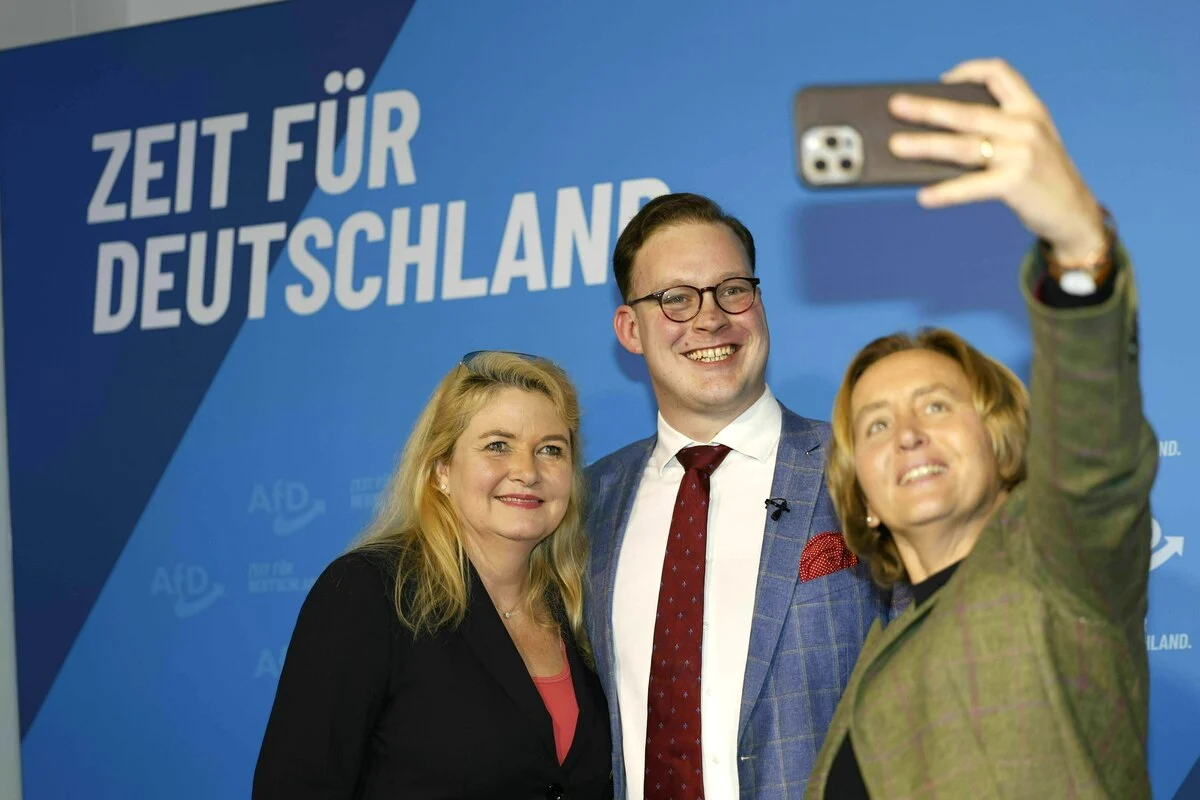
When the Berlin House of Representatives convenes for its new legislative term, the political topography of the chamber will have shifted significantly. The Alternative for Germany (AfD), a party increasingly categorized by security agencies as holding significant extremist elements, has expanded its footprint within the state parliament, claiming 29 of the 153 available seats—a gain of 13 mandates compared to the previous session. While the party’s performance in the September 20th elections, resulting in roughly 16% of the vote, fell short of its own ambitious internal projections, the outcome represents a consolidation of power that poses profound questions for the future of Berlin’s political culture.
Main Facts: A Shift in Parliamentary Weight
The AfD’s electoral growth translates into more than just physical space in the plenary hall. As the third-strongest force in the legislature, the party now gains access to institutional mechanisms that were previously out of reach or peripheral. Most notably, the AfD is now entitled to nominate a candidate for the post of Vice President of the House of Representatives.
Financially, the shift is equally consequential. Each of the 29 AfD deputies will now command up to 8,000 euros monthly to maintain constituency offices and hire personal staff. This creates a robust pipeline for funding individuals from the party’s far-right peripheral networks, effectively professionalizing the infrastructure of the extremist movement. Critics argue this allows the party to institutionalize its ideology by embedding ideologues within the bureaucratic machinery of the state parliament.
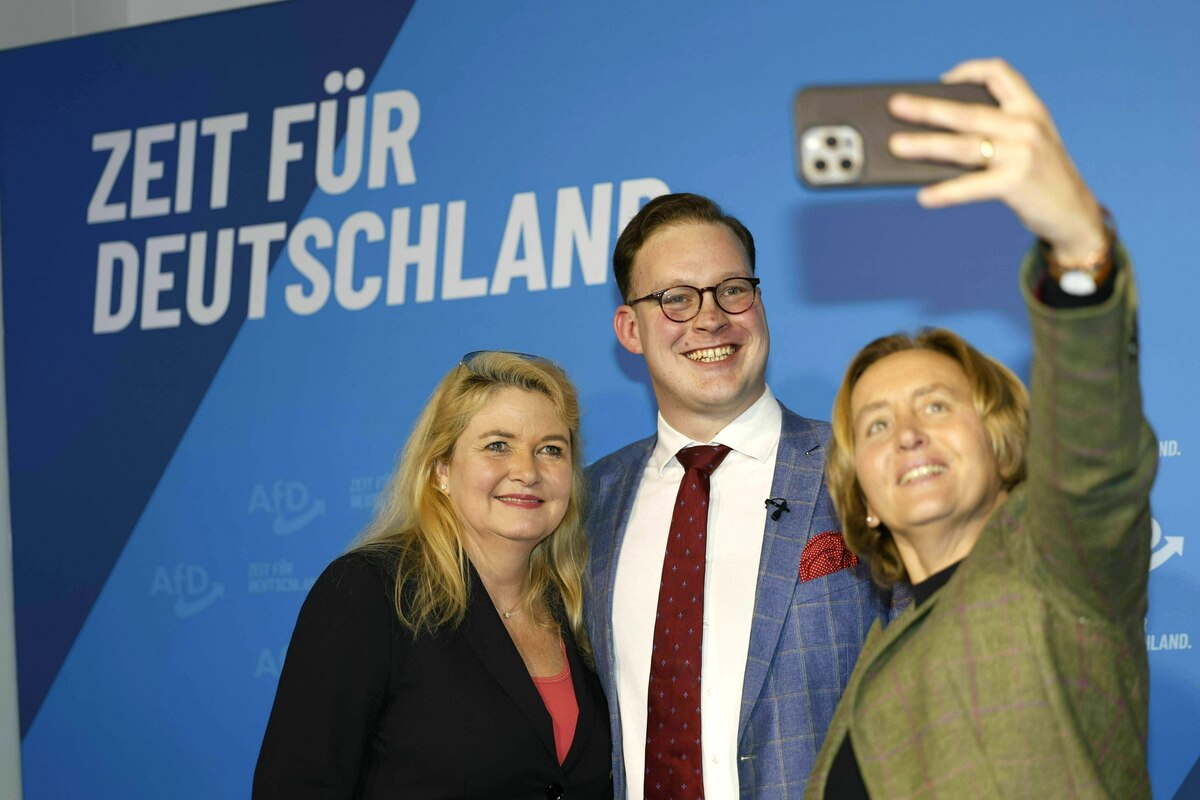
The composition of the new faction is strikingly homogeneous, described by observers as a "gentlemen’s club": of the 29 members, 25 are men. Kristin Brinker remains at the helm as faction leader. Despite a series of controversies—including the police search of a staff member’s apartment on the eve of the election, which yielded Nazi memorabilia—Brinker’s leadership remains unchallenged. Her dismissal of the incident as the behavior of a "collector" exemplifies the party’s broader strategy of downplaying its ties to the extreme right.
Chronology: The Path to Institutionalization
The AfD’s ascent in Berlin did not occur in a vacuum. Over the past several years, the party has undergone a deliberate "völkisch-nationalist" pivot, shedding its earlier, more moderate veneer to align itself with the trajectory of the party’s national leadership in Thuringia.
- Pre-Election: The party capitalized on the housing crisis and migration anxieties, rebranding these issues through a lens of "remigration" and aggressive identity politics.
- The Campaign: The AfD utilized provocative slogans, such as "Remigration is not everything, but without remigration, everything is nothing," to energize its base.
- The Election: Securing 16% of the vote provided the mandate for the current expansion, although the party’s failure to reach higher polling numbers initially led to internal tension.
- Post-Election Consolidation: The immediate assignment of key portfolios to young, ideological firebrands suggests a deliberate effort to groom a new generation of leaders who combine the radicalism of the defunct "Flügel" (Wing) with a veneer of professional, slick public relations.
Supporting Data: The New Guard
The most significant development is the infusion of "fresh blood" into the parliamentary group. The party has opted to elevate figures who are deeply entrenched in the extreme right, specifically within the Burschenschaft (fraternity) scene and the ranks of the "Junge Alternative" (JA).

Alexander Bertram, 38, has emerged as the faction’s deputy leader and serves as Brinker’s heir apparent. A close ally of the Thuringian state leader Björn Höcke, Bertram has been tasked with leading the party’s migration policy, replacing Gunnar Lindemann—a figure known more for erratic YouTube cooking videos and pro-Putin rhetoric than for substantive policy. The exclusion of Lindemann from the list of "specialist speakers" signals a desire for a more disciplined, albeit no less radical, public image.
Furthermore, Martin Kohler and Jan Streeck represent the new face of the faction. Both are in their late twenties, maintain ties to the "Gothia" fraternity, and have held leadership roles within the JA. Kohler, now the internal policy spokesperson, is a vocal proponent of remigration and maintains deep ties to figures classified as "confirmed extremists" by intelligence agencies. Streeck, meanwhile, has transformed his political office in Pankow into a hub for the radical scene, hosting events with extremist influencers and musicians.
The bench also includes individuals with documented criminal histories and radical backgrounds, including a former police officer dismissed due to extremist activities and a teacher previously fired for his support of the Pegida movement.

Official Responses and Isolation
The democratic parties in the Berlin House of Representatives have reacted with a unified front of isolation. During the lead-up to the election of the Vice President of the Parliament, all other factions confirmed they would reject the AfD’s candidate, Martin Trefzer.
This policy of "cordon sanitaire" remains the primary strategy for managing the AfD’s growth. By refusing to normalize the party’s participation in high-level legislative offices, the established parties aim to emphasize the AfD’s position outside the democratic consensus. However, the effectiveness of this strategy is debated; while it prevents the AfD from gaining institutional legitimacy, it also feeds the party’s narrative of being the "only true opposition" suppressed by an "establishment cartel."
Implications: The Role of the Verfassungsschutz
The most significant impending development is the potential reclassification of the Berlin AfD by the Office for the Protection of the Constitution (Verfassungsschutz). A legal amendment passed by the black-red coalition in September now allows the intelligence agency to disclose whether it is monitoring the party as a "suspected case" or a "confirmed extremist threat."

Previously, the agency could only report on activities that were definitively proven to be anti-constitutional. The new rules allow for earlier intervention. However, the government has delayed this process to avoid accusations of political interference during the delicate phase of government formation. Once this period concludes, the state’s intelligence apparatus is expected to provide greater clarity on the extent to which the AfD in Berlin is being monitored.
The implications are twofold:
- Political Delegitimization: Should the Verfassungsschutz officially tag the party, the political cost for any potential future cooperation—however unlikely—would rise astronomically for mainstream conservatives.
- Structural Fragility: If the party is placed under formal surveillance, it may struggle to recruit mainstream civil servants or professionals who fear for their careers, potentially pushing the party further toward its most radical elements.
Conclusion: A City at a Crossroads
The rise of the AfD in Berlin is a symptom of a broader, deep-seated malaise in the German political landscape. By successfully blending extremist ideology with the trappings of professional parliamentarism, the party has managed to secure a foothold in the capital that is both resilient and dangerous.

The strategy of the coming term will be a test of Berlin’s democratic resilience. As the AfD uses its new resources to build its "counter-structures" and grooms a younger, more disciplined generation of politicians, the traditional parties find themselves in a race against time. They must balance the need to effectively oppose the AfD’s rhetoric with the risk of amplifying the party’s carefully crafted victimhood narrative.
For Berlin, the presence of these 29 deputies is a stark reminder that the challenges to the democratic order are no longer on the fringes—they are sitting in the heart of the city’s legislative chamber, well-funded, organized, and emboldened by their recent gains. The coming years will demonstrate whether the parliamentary system can withstand this pressure or if the "radicalization from within" will fundamentally alter the character of the capital’s political life.