Bremerhaven, Germany – October 26, 2026 – A formidable low-pressure system, christened "Manja," unleashed its fury across northern Germany and beyond in recent days, culminating in a dramatic maritime incident in Bremerhaven where the large cruise liner "Mein Schiff 3" collided with two container ships. The incident, which saw considerable damage to all vessels but miraculously no serious injuries or water ingress, underscored the immense power of nature and the inherent risks of operating colossal ships in adverse weather conditions. As the region grapples with the immediate aftermath, new storm surge warnings from the Federal Maritime and Hydrographic Agency (BSH) signal that the North Sea’s turbulent embrace is far from over.
Main Facts: A Port Under Siege
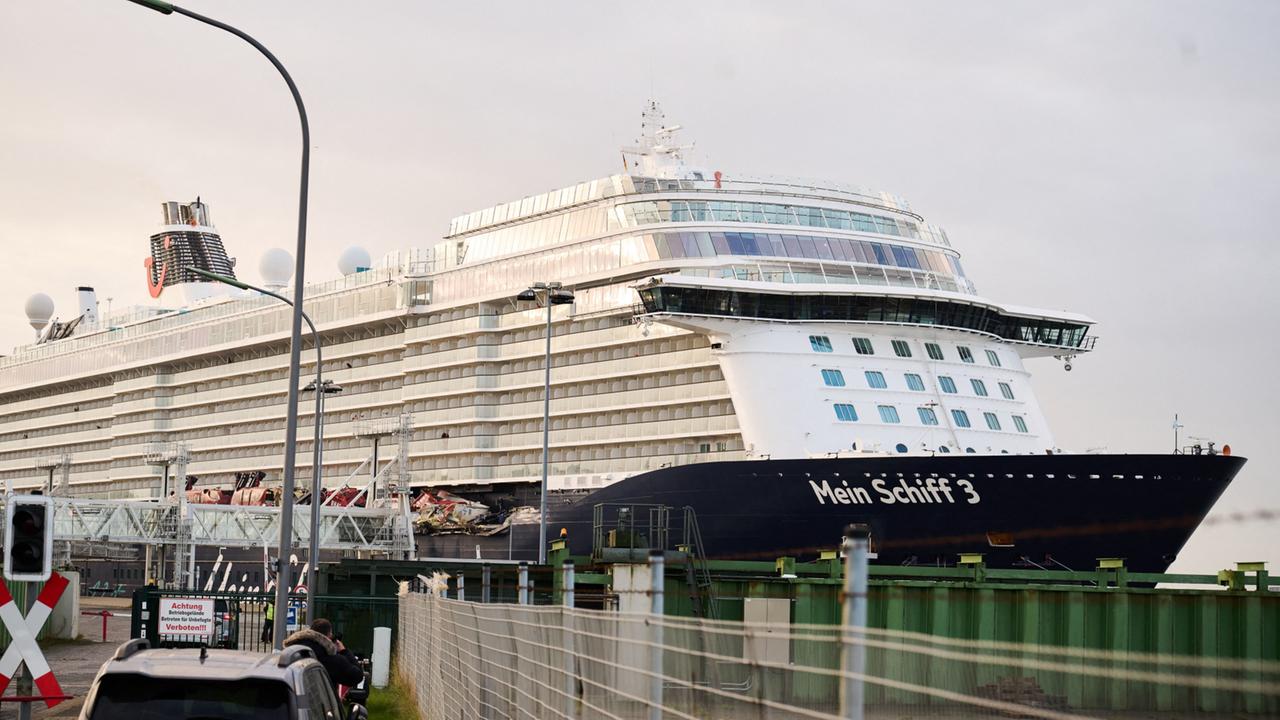
The core of the unfolding drama centered on the bustling port of Bremerhaven. Early in the morning, as Storm Manja whipped the coast with powerful gusts and churning waves, the "Mein Schiff 3," a flagship vessel of TUI Cruises, was attempting to depart. Despite the assistance of powerful tugboats, a sudden and violent gust of wind proved too much for the massive liner, pushing it uncontrollably towards two stationary container ships moored at the Stromkaje terminal. The ensuing collision resulted in significant structural damage to all three vessels, including visibly crumpled lifeboats on the cruise ship.
While the damage was substantial enough to warrant an immediate return to the cruise terminal and a temporary departure ban for all involved ships, authorities confirmed that no water had breached the hulls, and remarkably, none of the nearly 3,400 individuals on board the "Mein Schiff 3" (2,428 guests and 922 crew members) were injured. This fortunate outcome stands in stark contrast to the widespread disruption and peril wrought by "Manja" across the wider region, from devastating storm surges on the East Frisian islands to power outages affecting tens of thousands across Europe. The incident serves as a stark reminder of the delicate balance between maritime logistics and the unpredictable forces of nature.
Chronology of a Turbulent Passage: How Storm Manja Unfolded
The events leading up to and during the collision in Bremerhaven are intricately linked to the broader meteorological phenomenon of Storm Manja.
The Genesis of Manja:
Storm Manja began to brew in the North Atlantic, rapidly deepening into a potent low-pressure system as it tracked eastward. By late Sunday and early Monday, it began to make its presence felt across the British Isles, the Benelux countries, and subsequently, northern Germany and Scandinavia. Meteorologists had issued early warnings, predicting gale-force winds and storm surges along coastal areas, particularly in the North Sea.
Monday Evening – First Onslaught and Storm Surge:
As Monday evening progressed, Manja intensified, bringing sustained high winds and driving rain. The North Sea, already agitated, began to swell significantly. The East Frisian island of Norderney bore the brunt of the initial storm surge. By approximately 11:00 PM local time, the water level peaked at an alarming 8.20 meters, roughly 1.75 meters above the average high tide. Powerful, lashing waves crashed against the coastline, threatening coastal defenses and inundating low-lying areas. Images from the island later showed extensive flooding and debris, though thankfully, protective measures largely held.
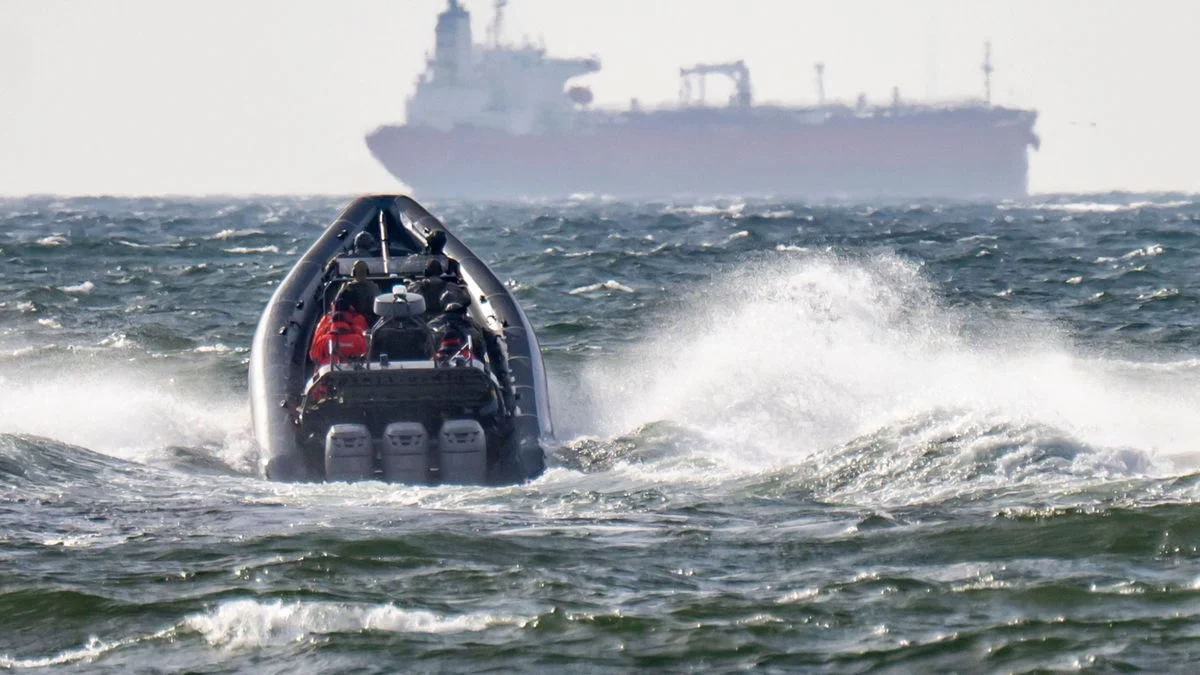
Around the same time, offshore, a heavy-load freighter belonging to a German shipping company found itself in distress near the Dutch island of Schiermonnikoog. The vessel became temporarily unmaneuverable in the tumultuous seas, leading to injuries among its crew. Initial reports suggested five injured crew members, later revised down to three of the 25 personnel on board. The incident highlighted the immediate dangers posed to commercial shipping navigating the storm-ravaged waters.
Early Tuesday Morning – The Bremerhaven Collision:
The dramatic incident in Bremerhaven unfolded in the early hours of Tuesday. With wind speeds still at dangerous levels and the Weser estuary experiencing significant chop, the "Mein Schiff 3" commenced its scheduled departure. Assisted by tugboats, a standard procedure for large vessels in confined spaces, the ship was making its way out of the port. However, a sudden, powerful gust, described by police as a "Böe" (squall or strong gust), struck the vessel with overwhelming force. Despite the tugs’ efforts, the immense surface area of the cruise ship, acting like a giant sail, was caught by the wind, pushing it uncontrollably sideways.
The 293-meter-long, 99,500-gross-ton vessel drifted rapidly towards the Stromkaje, where two container ships, significantly smaller but still substantial, were moored. The collision was unavoidable. The "Mein Schiff 3" made contact, first with one, then a second container ship. The impact was strong enough to cause visible structural damage. On the "Mein Schiff 3," several lifeboats, crucial safety equipment usually stowed securely, were severely damaged, some appearing crushed or dislodged. The smaller of the two container ships sustained minor damage, while the larger one suffered "considerable" damage.
Following the collision, the "Mein Schiff 3" was immediately guided back to the cruise terminal. Maritime police and port authorities swiftly initiated an investigation, imposing a "Auslaufverbot" (departure ban) on all three vessels, pending thorough damage assessments and safety inspections.
Tuesday Midday – Renewed Warnings and Lingering Threat:
As the immediate chaos subsided, meteorological agencies continued to monitor Manja’s trajectory and residual effects. The BSH, the German Federal Maritime and Hydrographic Agency, issued a new series of storm surge warnings for Tuesday midday and afternoon. These warnings indicated that high tides across various North Sea coastal areas would again be significantly elevated, signaling that the danger was far from over.
Supporting Data: The Anatomy of a Storm and its Impact
Storm Manja was more than just a blustery day; it was a potent low-pressure system that brought a wide array of meteorological phenomena, each contributing to the widespread disruption.
Meteorological Profile of "Manja":
Classified as a severe gale or storm, Manja generated wind speeds that frequently exceeded 100 km/h (approximately 62 mph), with gusts in exposed coastal areas reaching even higher velocities. Such wind forces exert immense pressure on structures, both land-based and maritime. The collision of the "Mein Schiff 3" perfectly illustrates this: even with tugboat assistance, the sheer lateral force of a powerful gust on the ship’s massive hull and superstructure was enough to overcome its propulsion and mooring efforts. The term "Böe" specifically refers to a sudden, short-lived increase in wind speed, often far exceeding the average wind velocity, which can be particularly hazardous for maneuvering large vessels.
The Mechanics of a Storm Surge:
The phenomenon of a storm surge is a critical component of Manja’s impact. It occurs when a powerful storm system, typically a low-pressure system like Manja, combines strong winds with a significant drop in atmospheric pressure. The low pressure itself acts like a vacuum, lifting the sea surface. More importantly, the strong, sustained winds push vast quantities of water towards the coastline. When this coincides with astronomical high tide, as it did on Norderney, the effect is amplified, leading to dangerously elevated water levels that can breach coastal defenses, inundate infrastructure, and cause severe erosion. The 1.75-meter elevation above normal high tide on Norderney is a substantial increase, capable of causing widespread flooding in vulnerable areas.
Vessel Specifications and Risks:
The "Mein Schiff 3" is a TUI Cruises vessel, part of a fleet known for its modern amenities and capacity for thousands of passengers. Measuring nearly 300 meters in length and designed for comfortable ocean travel, these mega-ships present unique challenges in confined port environments, especially during extreme weather. Their high freeboard (the height of the hull above the waterline) and extensive superstructure create a large "sail area," making them highly susceptible to strong crosswinds. This susceptibility necessitates precise maneuvering, often with the aid of powerful tugboats, but even then, a sudden, exceptionally strong gust can overwhelm these measures, as witnessed in Bremerhaven. The container ships, while smaller, are also large, rigid structures, and collisions with them can result in significant localized damage due to the immense kinetic energy involved.
Damage Assessment and Repair:
The term "considerable damage" for a large vessel like "Mein Schiff 3" or a container ship implies structural integrity checks, potential hull repairs, and replacement of damaged equipment like lifeboats. For a cruise ship, damage to lifeboats is particularly serious as it compromises emergency evacuation capabilities. An "Auslaufverbot" (departure ban) is a standard procedure, indicating that the vessel is deemed unseaworthy or requires inspection/repair before it can safely resume operations. This process can be lengthy and expensive, involving specialized dry dock facilities and highly skilled repair crews.
Official Responses: Authorities and Operators React
The swift response from various official bodies and the affected cruise line underscored the seriousness of the situation.
Police and Port Authorities:
Immediately following the collision, maritime police in Bremerhaven launched an investigation. Their primary focus will be to determine the exact sequence of events, assess the roles of the tugboats, and ascertain if all standard navigation protocols for departing in severe weather were adhered to. The "Auslaufverbot" imposed on all three ships is a crucial safety measure, ensuring that none of the vessels can leave port until they have been thoroughly inspected for structural integrity and seaworthiness. This investigation will likely involve analyzing radar data, witness statements from crew members and tugboat operators, and potentially the ship’s black box (voyage data recorder).
TUI Cruises’ Statement:
TUI Cruises, operators of "Mein Schiff 3," promptly confirmed the incident. A spokesperson emphasized that the safety and well-being of the 2,428 guests and 922 crew members on board were their top priority. While expressing regret for the incident and the inconvenience caused, they highlighted that no injuries occurred and that there was no risk of water ingress. The cruise line will undoubtedly be working to assess the full extent of the damage, arrange for repairs, and make alternative arrangements for passengers whose itineraries have been disrupted. This could involve offering compensation, rebooking on other cruises, or arranging travel back home.
Federal Maritime and Hydrographic Agency (BSH):
The BSH played a critical role in public safety by issuing timely and precise storm surge warnings. Their warnings are based on sophisticated hydrodynamic models that integrate meteorological data (wind speed, direction, atmospheric pressure) with tidal predictions and bathymetric data (underwater topography). The renewed warnings for the North Sea underscored the agency’s commitment to informing coastal communities and maritime operators about ongoing and anticipated threats. These warnings are crucial for enabling local authorities to implement protective measures, such as closing floodgates, issuing evacuation advisories, and mobilizing emergency services.
Local Emergency Services (Germany and Abroad):
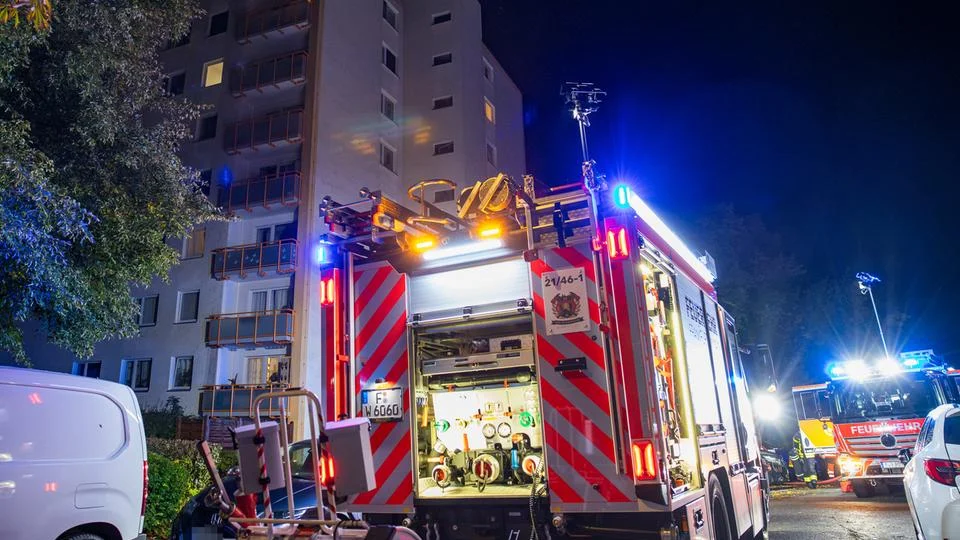
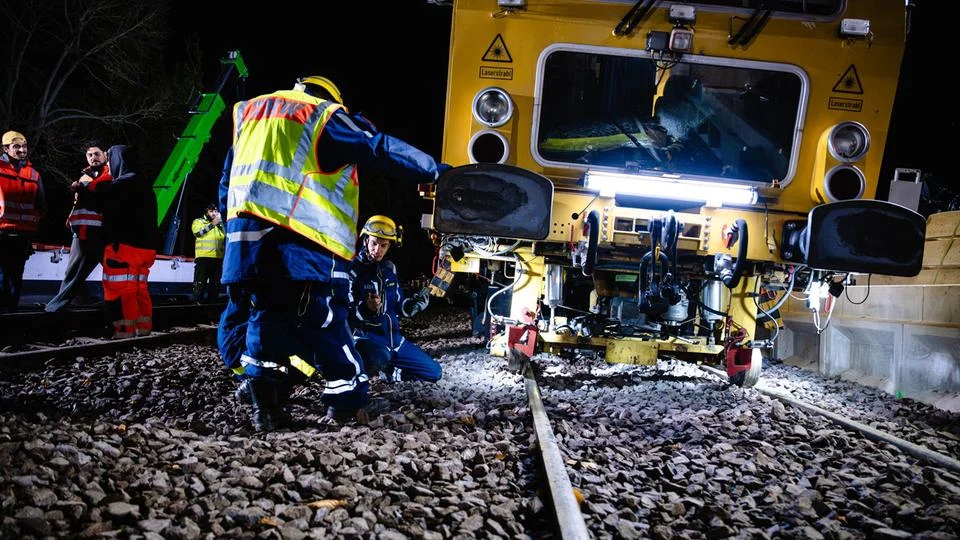
Across northern Germany, emergency services were on high alert and demonstrated commendable preparedness. In Hamburg, the anticipated flooding of the Altonaer Fischmarkt was managed without major incident, with fire brigades and police monitoring the situation closely. The swift rescue of a female driver trapped in a flooded railway underpass in Hamburg’s Hafencity highlighted the rapid response capabilities of the fire department. Similarly, in Schleswig-Holstein and other affected regions, police reported numerous storm-related call-outs, primarily for fallen trees and minor flooding, but stressed that major accidents and personal injuries were largely avoided due to effective pre-emptive measures and rapid deployment.
Internationally, authorities in the UK, France, the Netherlands, and Scandinavia also mobilized. Electricity providers worked to restore power to tens of thousands of households. Airport authorities at Amsterdam Schiphol managed significant flight disruptions, while ferry operators in Scandinavia made safety-driven decisions to suspend services. These coordinated efforts across multiple nations underline the transboundary nature of severe weather systems like Manja and the importance of international cooperation in disaster response.
Implications: Economic, Environmental, and Safety Lessons
The events surrounding Storm Manja and the Bremerhaven collision carry significant implications across various sectors, from the economy to maritime safety protocols.
Economic Fallout:
The immediate economic impact is multifaceted. For TUI Cruises, the "Mein Schiff 3" incident means substantial repair costs, which will likely run into millions of euros. There will also be costs associated with passenger compensation, alternative travel arrangements, and the loss of revenue from canceled or delayed cruises. For the affected container ships, repair expenses and delays in cargo delivery will also accrue, impacting supply chains. Insurance companies will face significant claims, highlighting the financial burden of extreme weather events on the maritime industry. Beyond the ships, localized flooding in ports like Bremerhaven, Wilhelmshaven, and Cuxhaven, and in urban areas like Hamburg, can lead to infrastructure damage, business interruptions, and clean-up costs.
Environmental Considerations:
While thankfully no water ingress or major spills were reported in the Bremerhaven collision, any maritime accident involving large vessels carries an inherent environmental risk, particularly in sensitive coastal ecosystems. The sheer volume of fuel and lubricants on board cruise ships and container vessels means that even minor breaches could lead to localized pollution. The absence of such an outcome in this instance is a testament to the robust construction of modern vessels and the fortunate angle of impact. However, the event serves as a reminder of the constant vigilance required to prevent environmental disasters in busy shipping lanes and ports.
Maritime Safety and Operational Protocols:
The incident in Bremerhaven will undoubtedly trigger a comprehensive review of maritime safety protocols, especially concerning the maneuvering of mega-ships in high winds within confined port areas. While tugboats are essential, the event demonstrates that even with their assistance, unpredictable gusts can pose extreme challenges. Questions may arise regarding the precise wind speed thresholds at which such large vessels should attempt departure, the number and power of tugs required under specific conditions, and the role of real-time, hyper-localized weather data in critical decision-making. The incident may lead to enhanced guidelines for port captains and pilots navigating in adverse weather, potentially incorporating more conservative operational limits.
Future Weather and Climate Resilience:
The repeated storm surge warnings and the intensity of Storm Manja feed into a broader discussion about climate change and the increasing frequency and intensity of extreme weather events. While one storm cannot be directly attributed to climate change, scientific consensus suggests that warmer oceans and altered atmospheric patterns could lead to more powerful storms and higher sea levels, exacerbating the impact of storm surges. This necessitates continuous investment in coastal protection measures, such as reinforced dikes, storm barriers, and early warning systems, to enhance the resilience of vulnerable communities and infrastructure along the North Sea coast. The preparedness of German emergency services, which largely prevented major casualties, offers a positive example of effective disaster management in an era of increasing climatic uncertainty.
Ongoing Vigilance:
As the immediate threat from Storm Manja begins to recede in some areas, the renewed storm surge warnings from the BSH underscore that vigilance remains paramount. Coastal residents, mariners, and port operators are urged to continue monitoring official advisories. The lessons learned from the "Mein Schiff 3" collision and the broader impact of Manja will undoubtedly contribute to evolving strategies for safe and resilient maritime operations in an increasingly unpredictable world. The incident in Bremerhaven, while fortunate in its lack of human casualties, stands as a powerful testament to the formidable forces of nature that continue to shape human endeavors on the high seas.