Tehran, Iran – In a significant diplomatic development amidst escalating regional tensions, high-ranking representatives from Saudi Arabia, Turkey, and Pakistan are expected in Tehran for crucial consultations on Middle East security. This marks a rare convergence of key regional powers in the Iranian capital, signaling a potential shift in regional dynamics even as conflicts in Yemen, the Strait of Hormuz, and the Israeli-Palestinian territories continue to simmer and intensify.
The visits come at a volatile time, characterized by increased Houthi rebel attacks on Saudi Arabian oil installations and airports, a record surge in maritime incidents in the vital Strait of Hormuz, and heightened rhetoric between Iran and Israel. While these diplomatic engagements offer a glimmer of hope for de-escalation, the backdrop remains one of entrenched rivalries, proxy warfare, and complex geopolitical maneuvering.
Adding to the regional instability, Israeli Defense Minister Israel Katz has vehemently denied any plans for a pre-election strike against Iran, refuting media speculation about internal disagreements within the Israeli leadership. Meanwhile, the Israeli-Palestinian conflict saw further restrictions in the West Bank following deadly attacks, and Gaza endured a series of Israeli assaults resulting in casualties. The intricate web of alliances and antagonisms underscores the urgent need for dialogue, even as the risk of wider conflict remains palpable.
Diplomatic Overtures Amidst Regional Turmoil
The planned arrival of top officials from Saudi Arabia, Turkey, and Pakistan in Tehran represents a pivotal moment in regional diplomacy. This gathering, announced by Ali Bagheri Kani, Deputy Secretary of Iran’s National Security Council, is reportedly aimed at addressing the multifaceted security challenges gripping the Middle East.
High-Stakes Talks in Tehran
Saudi Arabia’s Defense Minister, Prince Khalid bin Salman, Pakistan’s Army Chief, Asim Munir, and Turkish intelligence chief, Ibrahim Kalin, are expected to engage in "consultations" in the Iranian capital. This trilateral engagement is particularly noteworthy for several reasons. For Prince Khalid bin Salman, brother of Saudi Crown Prince Mohammed bin Salman, it would be his first official visit to Tehran in over a year. Such high-level contact between Riyadh and Tehran, traditionally regional rivals, is a strong indicator of an attempt to find common ground or at least manage escalating tensions.
The term "Mecca Pact states" used in some Iranian reporting, while not an officially recognized formal alliance, suggests Iran’s perception or aspiration for a new regional security framework involving these influential Sunni-majority nations. This potential alignment, if it solidifies, could represent a significant shift away from traditional blocs and towards a more independent regional security architecture. The very act of these three nations engaging with Iran on security matters, especially given their diverse geopolitical alignments (e.g., Turkey’s NATO membership, Pakistan’s close ties with Saudi Arabia), highlights the urgency of the current regional crisis.

The Context: Yemen and Houthi Aggression
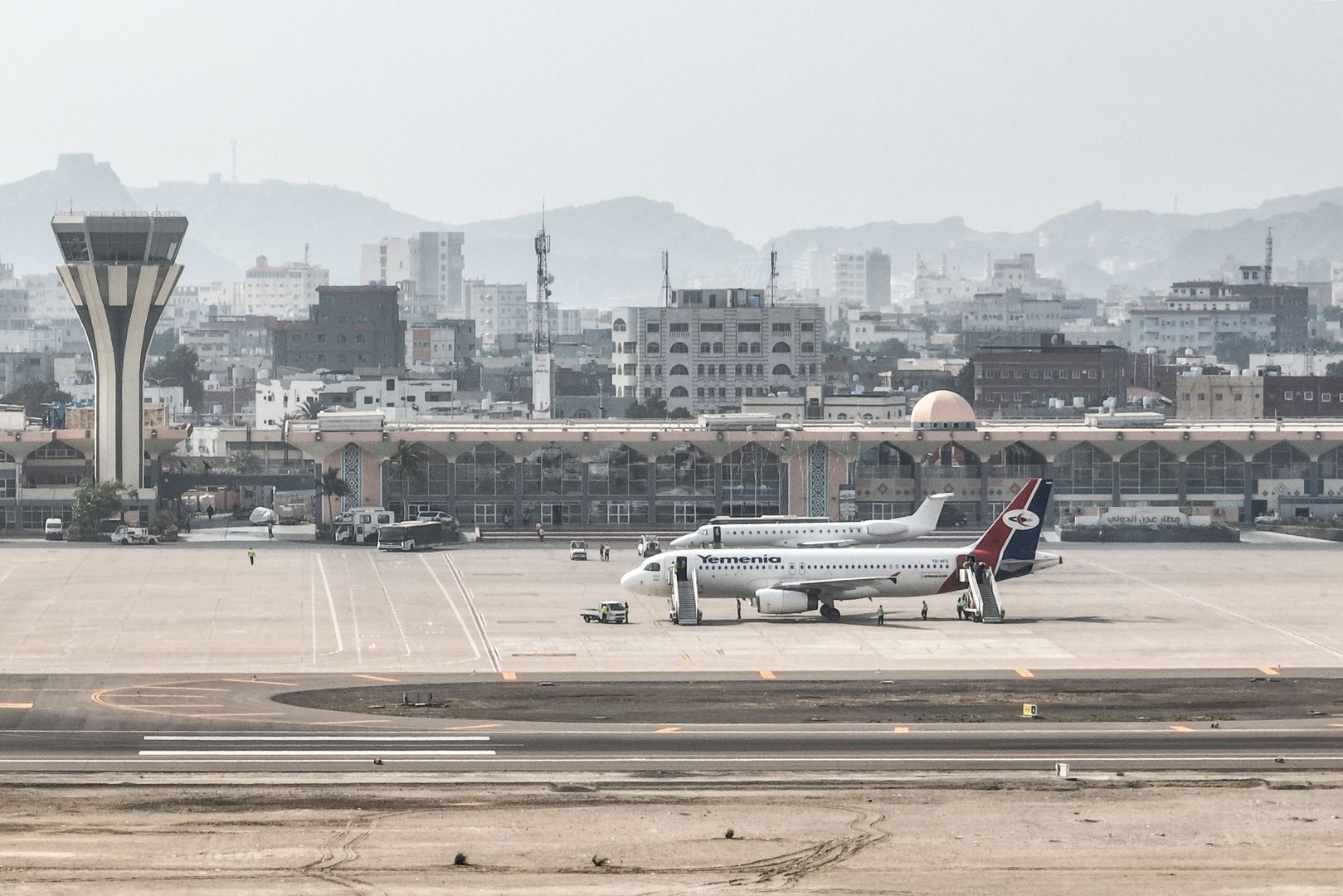
The impetus for these discussions is undoubtedly linked to the intensifying civil war in Yemen, where Saudi Arabia and Iran back opposing factions. The Iran-aligned Houthi rebels have significantly escalated their missile and drone attacks on Saudi Arabian territory, targeting critical oil infrastructure and major airports, including Riyadh’s King Khalid International Airport. These attacks have caused casualties and disruptions, prompting strong retaliatory actions from the Saudi-led military coalition.
The recent surge in Houthi aggression underscores the fragility of regional stability. Saudi Arabia has reported intercepting numerous ballistic missiles and drones, while the Houthis claim successful strikes on vital Saudi installations. The ongoing conflict in Yemen, now in its seventh year, has created one of the world’s worst humanitarian crises, further exacerbated by the continuous cycle of attacks and counter-attacks. The presence of the Saudi Defense Minister in Tehran during such a period indicates a possible avenue for direct or indirect de-escalation talks regarding the Yemen conflict, which has long been a flashpoint in Saudi-Iranian relations.
Iran’s Stance on Threats and Cooperation
Iranian Foreign Minister Abbas Araghtschi, speaking in Tehran, reiterated Iran’s steadfastness in the face of "war threats." He asserted that the Islamic Republic would adhere to its policies regardless of whether a full-scale conflict erupted. Araghtschi also issued a stern warning to the United States against resuming attacks on Iran and emphasized Tehran’s readiness to cooperate with its Arab neighbors in the Gulf region. His remarks, "Everything in our region has changed. After the most recent war, nothing will be as it was before," suggest Iran perceives a new geopolitical landscape emerging, one where it seeks to solidify its regional standing and potentially forge new alliances or understandings. This sentiment of regional self-reliance aligns with the narrative surrounding the visits from Saudi, Turkish, and Pakistani officials, hinting at a potential for a Middle East solution driven by regional actors.
Israel’s Internal Dynamics and External Posturing
Meanwhile, Israel continues to grapple with its own internal political challenges and external security threats, particularly concerning Iran and the Palestinian territories.
Election-Year Tensions: Iran Attack Denials
Ahead of an upcoming parliamentary election, Israeli Defense Minister Israel Katz emphatically denied media reports suggesting that Israel was planning an attack on Iran. The denial came in response to an N12 television report claiming a "fierce conflict" between Prime Minister Benjamin Netanyahu and military chief Eyal Zamir over a proposed military action that could trigger an escalation with Iran just before the election. Katz unequivocally stated on social media platform X (formerly Twitter) that "Israel at no time intended to initiate an attack on Iran before the elections in Israel." However, he added a crucial caveat: "At the same time, we have made it clear that we will react with great severity should Iran attack Israel." Netanyahu also refuted the report, which had sparked concerns in the army leadership that the Prime Minister might exploit the conflict for domestic political gain. This incident highlights the intense political climate in Israel, where national security issues often become central to election campaigns.
Netanyahu’s Nuclear Warning Campaign
Further underscoring the perceived Iranian threat, Prime Minister Benjamin Netanyahu launched a dramatic election campaign maneuver, sharing an image of a nuclear mushroom cloud rising over Tel Aviv on social media. This stark visual accompanied a quote from IT entrepreneur Yuval Bloomberg, who described Iran as a "real and concrete existing threat" and argued that "if the Iranians acquire nuclear weapons, nothing else will matter." Netanyahu reiterated his belief that Israel, under the administration of then-US President Donald Trump, had a two-year window to confront the Iranian nuclear program effectively. This aggressive messaging aims to rally support by emphasizing Netanyahu’s perceived strong stance on national security and his long-standing opposition to Iran’s nuclear ambitions.
West Bank Crackdown Following Attacks
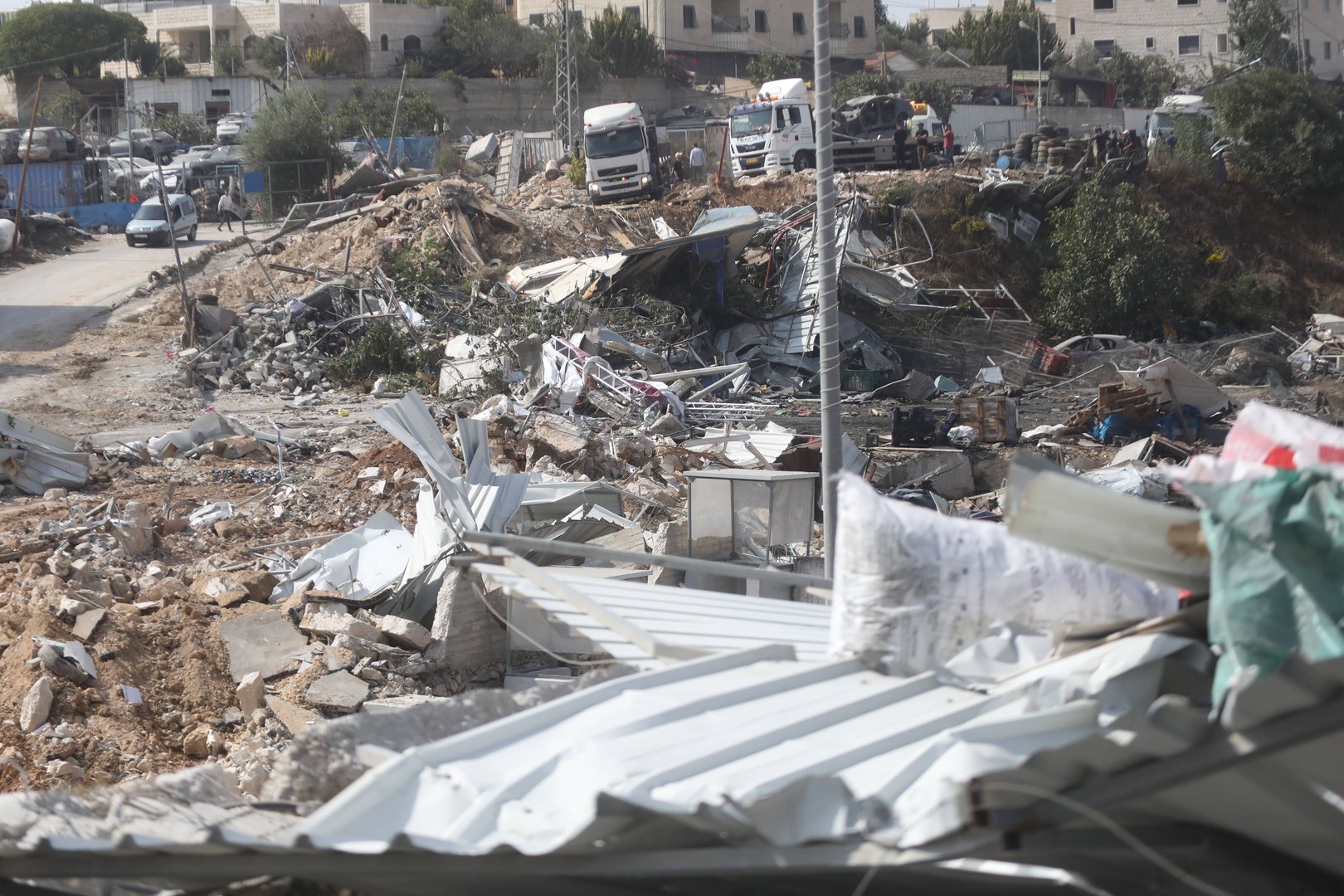
The Israeli-Palestinian conflict remains a constant source of friction and violence. Following a deadly shooting attack in the West Bank that killed two Israeli soldiers, Israel’s military imposed new restrictions on Palestinians in the occupied territory. The measures included prohibiting Palestinian laborers from working in Jewish settlements. In Hebron, a city frequently at the epicenter of such tensions, the military initiated targeted searches, arrests, and demolitions of buildings. According to the city administration, these actions led to the displacement of approximately 2,200 people. Additionally, several border crossings were closed. The Palestinian Authority condemned these measures as "collective punishment" and appealed to the international community for intervention, warning that such escalations would only fuel further tensions and undermine prospects for peace.
Economic Preparedness: The Cryptocurrency Angle
In an unusual move reflecting concerns over potential international financial isolation, Prime Minister Netanyahu revealed that Israel was exploring the use of cryptocurrencies to circumvent possible international banking sanctions. He announced that he had commissioned a plan to prepare Israel for an economic system where financial transactions could bypass traditional banking channels, specifically mentioning blockchain technology as an option. This proactive approach to economic resilience mirrors strategies adopted by other nations facing international sanctions, such as Iran, North Korea, Venezuela, and Russia, indicating Israel’s serious consideration of future economic challenges.
Escalating Conflicts and Maritime Concerns
Beyond the diplomatic and political maneuvers, several active conflicts continue to destabilize the region, with significant human and economic costs.
Sustained Houthi Attacks on Saudi Infrastructure
The Houthi rebels in Yemen have consistently claimed responsibility for missile and drone attacks on critical Saudi infrastructure. Recent reports from the Houthis alleged strikes on Saudi oil facilities and the airport in Riyadh. While Saudi Arabia did not always confirm these specific claims, the Saudi-led military coalition frequently reported intercepting and destroying Houthi projectiles. For instance, the coalition announced the destruction of two ballistic missile launchers in the Yemeni capital Sanaa, one of which had reportedly fired a missile towards Riyadh, which was intercepted. The constant threat of these attacks keeps Saudi air defenses on high alert and poses a significant challenge to the Kingdom’s security and economic stability.
Record Spike in Strait of Hormuz Shipping Incidents
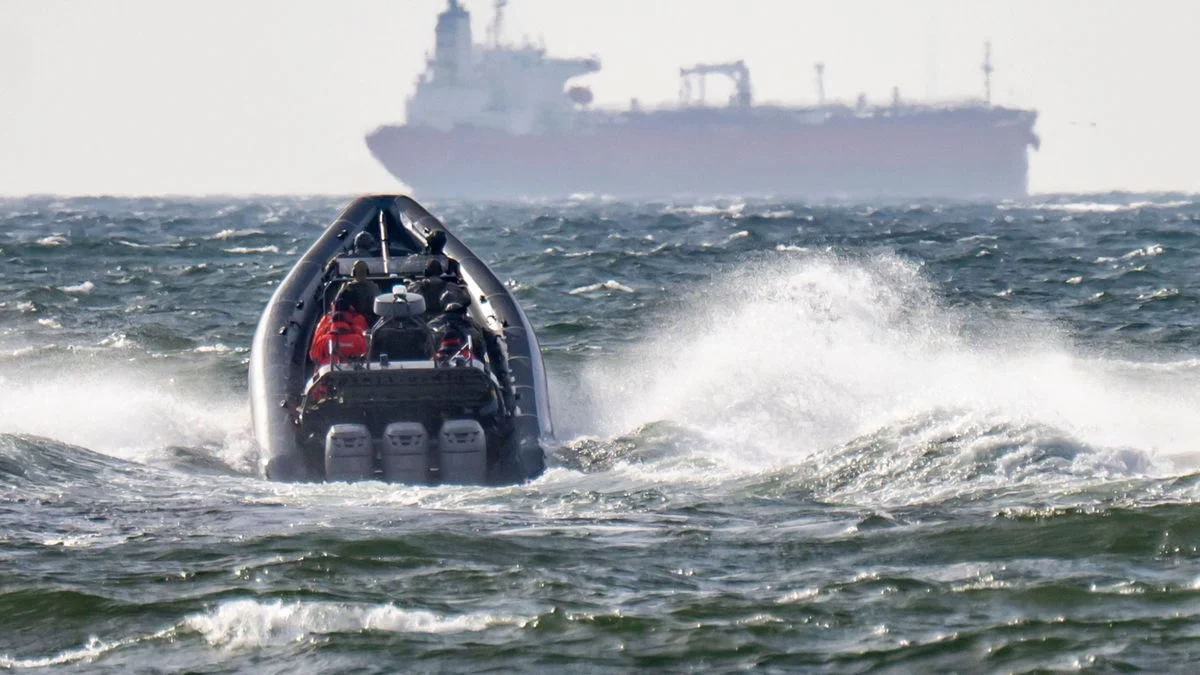
A US research institute, the Washington Institute for Near East Policy, reported a "record high" in attacks on merchant ships in the Strait of Hormuz and adjacent waters. In October alone, 28 incidents were recorded, bringing the total to 113 since the end of February. These attacks have resulted in damage to more than 30 supertankers, representing approximately 3.5 percent of the global fleet, according to Reuters calculations based on International Maritime Organization (IMO) data. The Strait of Hormuz, a narrow choke point between the Persian Gulf and the Arabian Sea, is a crucial waterway for global oil shipments. The escalating number of attacks raises serious concerns about maritime security, potential disruptions to global energy supplies, and the safety of international shipping, further exacerbating geopolitical tensions in the region.
Attacks in Gaza and Iraq’s Kurdistan Region
The conflict in the Gaza Strip also flared up, with hospitals reporting at least seven fatalities and eight injuries from Israeli attacks. These strikes targeted various locations in Gaza City, Khan Yunis, and Deir al-Balah. The Israeli military initially offered no public comment on these specific incidents.
Separately, Iranian Revolutionary Guards reportedly launched drone attacks on Kurdish positions in neighboring Iraq. The pro-government Iranian news agency Mehr stated that the attacks targeted a headquarters of the Komala party in the semi-autonomous Kurdistan Region of northern Iraq. Iran views many Kurdish groups in Iraq as "terrorist organizations" and has frequently targeted them. These cross-border incursions highlight the broader regional impact of Iranian security concerns and the increasing tensions along its borders since what Iran refers to as the "war of the US and Israel" began.
Humanitarian Crisis in Taiz
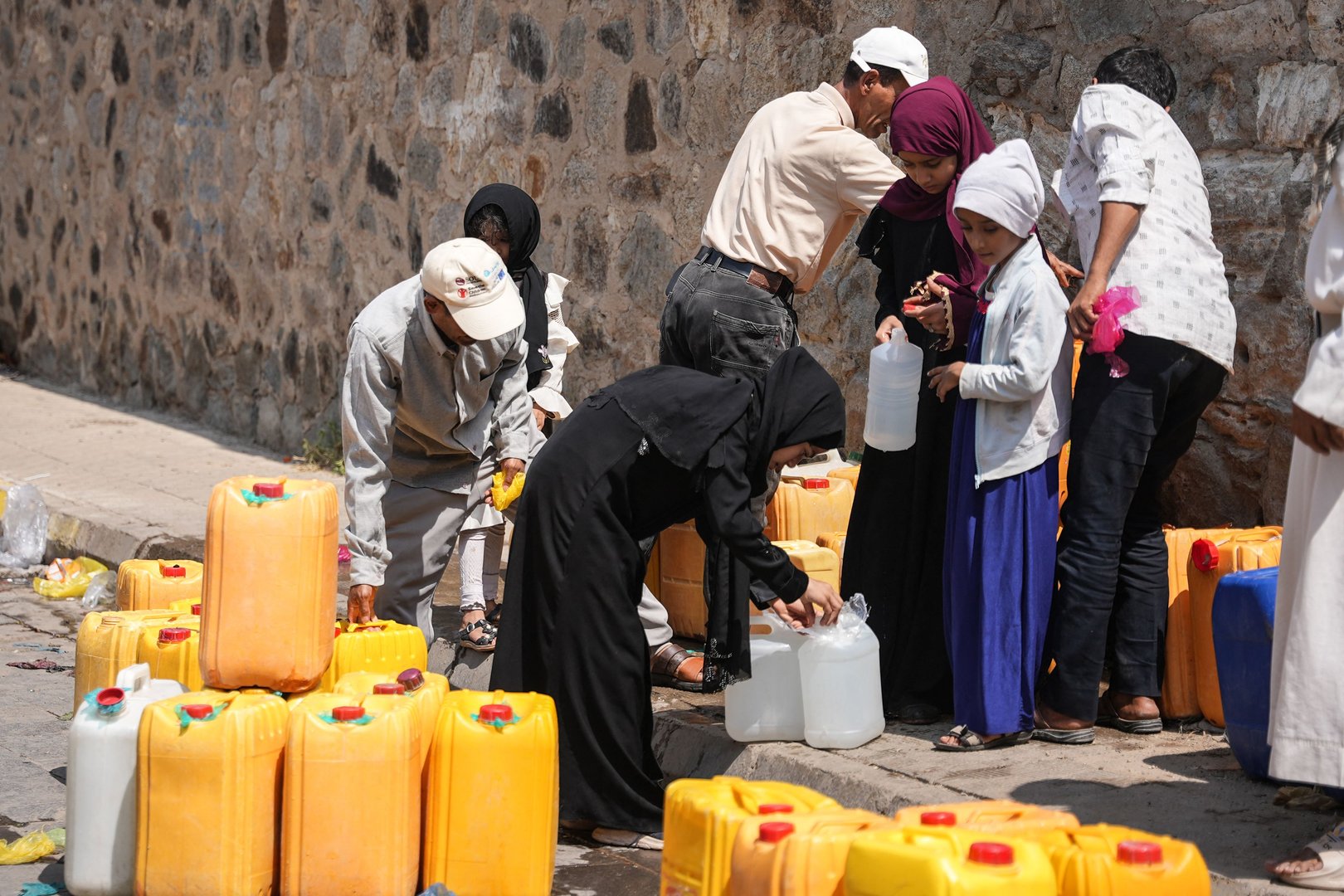
The long-standing civil war in Yemen continues to inflict severe humanitarian suffering. In the Houthi-besieged city of Taiz, home to over a million people, aid organizations like CARE reported critical shortages of drinking water. Access to wells has been restricted, desalination plants are running out of fuel, and water deliveries by truck are largely blocked. Compounding the crisis, the price of cooking gas has more than quadrupled. The humanitarian situation in Taiz is a stark reminder of the devastating consequences of prolonged conflict and the urgent need for a peaceful resolution and unobstructed humanitarian access.
Chronology of Recent Events (Selected Updates)
- [Latest] Israel Plans No Pre-Election Attack on Iran: Defense Minister Israel Katz denies media reports of imminent strikes, affirming Israel’s right to respond to any Iranian aggression. (Monday)
- Regional Powers Head to Tehran: Representatives from Saudi Arabia, Turkey, and Pakistan are expected in Iran for talks on Middle East security amidst rising Houthi attacks. (Monday)
- Houthi Rebels Claim Saudi Oil Facility Attacks: Iran-aligned Houthis report striking Saudi oil installations and Riyadh airport; Saudi-led coalition claims missile interception. (Monday)
- Strait of Hormuz Sees Record Maritime Attacks: US institute reports 28 attacks in October, 113 since late February, damaging over 30 supertankers. (Monday)
- Iran Rejects War Threats: Iranian Foreign Minister Abbas Araghtschi asserts Iran’s unwavering policy stance despite threats, expresses openness to Gulf cooperation. (Sunday)
- Israel Imposes New West Bank Restrictions: Following a deadly attack, Israel bans Palestinian workers from settlements and conducts demolitions in Hebron, displacing 2,200. (Sunday)
- Gaza Strikes Kill Seven: Hospitals in Gaza report seven fatalities and eight injuries from Israeli attacks across the strip. (Sunday)
- Riyadh Airport Resumes International Flights: Despite Houthi warnings, King Khalid Airport reopens Terminals 1 and 2 for all flights. (Sunday)
- Netanyahu’s Nuclear Election Campaign: PM Netanyahu uses an image of a nuclear mushroom cloud over Tel Aviv to warn about Iran’s nuclear threat. (Sunday)
- Saudi Arabia Intercepts Multiple Drones and Missiles: Saudi civil defense issues and then lifts emergency warnings as ten ballistic missiles and two drones are intercepted over Riyadh and southern areas. Houthi military warns against using Riyadh airport. (Sunday)
- Ongoing Violence in Yemen and Saudi Arabia: Both sides report continued attacks, with Houthi claims of over 3,000 Saudi attacks and Saudi reports of Houthi missile interceptions. (Sunday)
- Iran Shoots Down US Drone: Iranian state media reports the Revolutionary Guard shot down a US LUCAS drone over Bandar Abbas. (Sunday)
- Iranian Revolutionary Guards Attack in Iraqi Kurdistan: Drone attacks target Kurdish party headquarters, increasing cross-border tensions. (Sunday)
- Houthi Warns Riyadh Airport Remains Military Target: Houthi spokesman reiterates warnings against using Riyadh airport after a previous attack killed 13. (Sunday)
- Palestinians Seek International Intervention for Hebron: Palestinian Authority condemns Israeli actions in Hebron as collective punishment and calls for aid. (Saturday)
- Water Crisis Deepens in Besieged Taiz: Aid groups report severe drinking water scarcity in the Yemeni city due to conflict-related blockades and fuel shortages. (Saturday)
- Israel Explores Cryptocurrencies for Sanctions Bypass: PM Netanyahu orders a plan to prepare Israel for potential international banking sanctions using blockchain technology. (Friday)
Implications and Outlook
The intricate interplay of diplomatic initiatives, military escalations, and political maneuvers paints a complex and precarious picture of the Middle East.

The expected visits to Tehran, particularly from Saudi Arabia, could mark a tentative step towards de-escalation between long-standing regional adversaries. If these consultations yield concrete results or even open channels for sustained dialogue, they could significantly impact the proxy conflicts plaguing the region, most notably in Yemen. Such an outcome would reduce the immediate threat of a broader conflagration and potentially pave the way for a more cooperative regional security framework.
However, the continued Houthi attacks on Saudi Arabia and the record number of maritime incidents in the Strait of Hormuz underscore the high risks involved. These actions threaten global energy markets, disrupt international trade, and maintain a state of high alert across the region. Any miscalculation or accidental escalation could easily derail diplomatic efforts and trigger a wider conflict, with devastating consequences.
Israel’s internal political dynamics, particularly during an election cycle, also play a critical role. The strong denials of pre-election attacks on Iran, coupled with Netanyahu’s assertive rhetoric and campaign tactics, reflect the deep-seated security concerns within the country. The ongoing crackdown in the West Bank and the casualties in Gaza further highlight the unresolved core issues of the Israeli-Palestinian conflict, which remain a potent source of instability. Israel’s consideration of cryptocurrencies for sanctions avoidance is a sign of its strategic thinking regarding potential future economic pressures, indicative of a region constantly adapting to geopolitical shifts.

In essence, the Middle East stands at a critical juncture. While there are hopeful signs of regional actors seeking to address their differences through dialogue, the underlying conflicts, driven by historical grievances, ideological divides, and geopolitical ambitions, continue to pose formidable challenges. The path forward remains uncertain, balanced precariously between the promise of diplomacy and the perennial specter of further escalation.