Berlin, Germany – In a significant move aimed at combating the nation’s persistent housing crisis and reining in soaring construction costs, the German government has officially launched the "Gebäudetyp E-Basisstandard" (Building Type E Basic Standard). This simplified set of building regulations, a collaborative effort between the Federal Ministry of Housing, Urban Development and Building, and the Federal Ministry of Justice, promises to reduce the financial burden of new construction by easing a multitude of existing requirements. After months of anticipation and inter-ministerial deliberations, the draft proposal is now on its way, sparking both hope and debate across the construction sector, political landscape, and civil society.
The core principle of the "Gebäudetyp E" is its voluntary nature. Developers, builders, and clients will have the option to expressly agree to these simplified rules for their construction projects. Should they choose not to, the existing, more stringent building standards will continue to apply. Crucially, the legislation explicitly states that fundamental state-mandated safety requirements – encompassing crucial aspects such as fire protection, structural integrity, and adequate natural lighting – will remain entirely unaffected. This stipulation aims to address immediate concerns about potential compromises on essential safety and liveability.
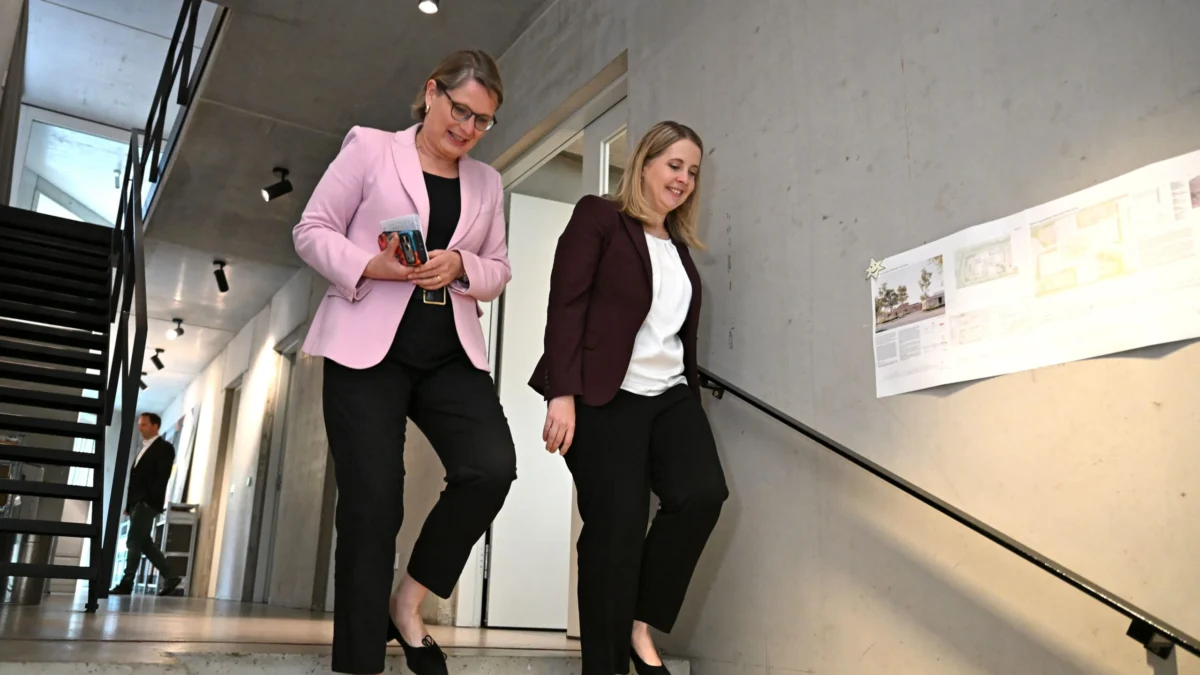
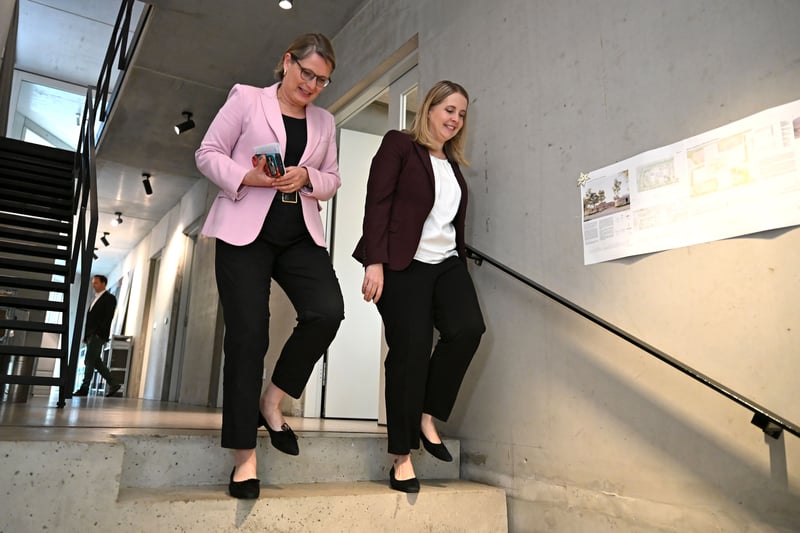
Federal Justice Minister Stefanie Hubig (SPD) articulated the government’s driving motivation, stating, "Building in Germany must become simpler and cheaper. We desperately need more affordable housing." Echoing this sentiment, Federal Minister of Housing, Urban Development and Building Verena Hubertz (SPD) added, "Every euro we don’t invest in superfluous standards is a euro towards more affordable housing. This will make building more economical while ensuring legal certainty." The government hopes that by offering a less complex and less costly alternative, it can inject much-needed momentum into the stagnant housing market and accelerate the creation of affordable homes for a growing population.
A Long-Awaited Step Amidst Mounting Pressure
The introduction of the "Gebäudetyp E" standard arrives at a critical juncture for Germany’s construction sector and its housing market. For years, the federal government has grappled with the ambitious target of constructing 400,000 new housing units annually, a goal that has consistently remained out of reach. In 2023, for instance, housing completions lagged far behind targets, exacerbating an already acute shortage, particularly in densely populated urban centres.
The genesis of the "Gebäudetyp E" initiative can be traced back to growing calls from various stakeholders for a fundamental overhaul of Germany’s famously intricate and often prescriptive building codes. Industry associations, architects, and developers have long argued that the cumulative effect of ever-increasing regulations – from highly specific energy efficiency mandates to detailed accessibility provisions and soundproofing requirements – has pushed construction costs to unsustainable levels. These costs, they contended, are inevitably passed on to consumers, making new housing prohibitively expensive for a significant portion of the population.
The journey to this draft proposal has not been without its hurdles. Initial discussions and the formulation of the concept were protracted, leading to "months of delay" as mentioned in the original report. This delay underscores the complexity of balancing various interests: the government’s desire to stimulate construction, environmental protection goals, safety standards, and the demands of the industry. The coalition government, comprised of the Social Democrats (SPD), the Greens, and the Free Democrats (FDP), has faced internal debates on how best to achieve its housing targets without compromising other policy objectives, particularly climate protection. The current draft represents a compromise, focusing on an optional, simplified pathway rather than a complete overhaul of all existing regulations. This pragmatic approach reflects the political realities and the urgent need for tangible solutions to the housing crisis.
The Economic Imperative Behind Deregulation
The rationale behind the "Gebäudetyp E" is deeply rooted in Germany’s current economic landscape and the structural challenges facing its construction industry. For years, Germany has prided itself on some of the highest building standards globally, aiming for exemplary quality, durability, and energy efficiency. However, this pursuit of perfection has come at a considerable price.
The German Housing Deficit
Germany is facing an unprecedented housing deficit. Estimates vary, but many experts suggest a shortfall of several hundred thousand units, particularly in the affordable segment. Major cities like Munich, Berlin, Hamburg, and Frankfurt are experiencing severe housing shortages, leading to fierce competition for available properties and skyrocketing rental and purchase prices. This situation disproportionately affects lower and middle-income households, forcing many to spend an unsustainable portion of their income on housing or to move to less desirable areas. The demographic trend, including immigration and increasing single-person households, further intensifies demand, making the need for rapid and cost-effective construction paramount.
Escalating Construction Costs
The primary driver for the "Gebäudetyp E" is the dramatic escalation of construction costs in recent years. Several factors have contributed to this:
- Energy Efficiency Standards: Germany’s commitment to climate protection has led to stringent energy performance requirements for new buildings, such as the KfW-Effizienzhaus standards. While environmentally beneficial, these mandates often necessitate advanced insulation, complex ventilation systems with heat recovery, and renewable energy installations (e.g., heat pumps, solar panels), all of which significantly increase upfront construction costs. Proponents of "Gebäudetyp E" argue that while these standards are desirable for long-term sustainability, they make basic, affordable housing almost impossible to build without substantial subsidies.
- Accessibility Requirements: While crucial for inclusivity, detailed accessibility regulations, such as those for wheelchair access, wider doorways, and barrier-free bathrooms, can add considerable expense, especially when applied universally to all new residential units, regardless of specific demand.
- Sound Insulation and Other Comfort Standards: German building codes often prescribe high standards for sound insulation between units and from external noise sources, as well as specific requirements for natural light and room dimensions. These contribute to high quality of life but also inflate material and labour costs.
- Material and Labour Costs: The global supply chain disruptions post-pandemic, coupled with the war in Ukraine, have led to volatile and often inflated prices for raw materials like steel, wood, and insulation. Simultaneously, a shortage of skilled labour in the construction sector has driven up wages, further contributing to overall project expenses.
- Bureaucratic Hurdles and Planning Processes: The German planning and permitting system is notoriously complex and time-consuming. Lengthy approval processes, numerous expert reports, and frequent changes in regulations add significant administrative overhead and risk premiums to projects.
The Promise of Simplification
"Gebäudetyp E" aims to address these cost drivers by offering a more streamlined approach. While the specific details of the relaxed standards are not fully outlined in the brief provided, the intention is clear: to reduce the number and stringency of non-safety-critical requirements. This could involve:
- Relaxed Energy Standards: A "basic standard" might imply a slightly lower energy efficiency target than the highest KfW standards, making buildings cheaper to construct without abandoning basic insulation or heating efficiency entirely. This would allow for simpler, less expensive heating systems.
- Flexible Accessibility: Instead of universal barrier-free access, "Gebäudetyp E" might allow for a more flexible approach, perhaps mandating a certain percentage of accessible units in larger developments or focusing on "visitable" rather than fully "barrier-free" designs in certain contexts.
- Simpler Technical Installations: Less complex ventilation systems, fewer elaborate soundproofing measures, or simpler electrical installations could reduce material and labour requirements.
- Standardized Materials and Processes: Encouraging the use of readily available, standardized building components and simpler construction methods could accelerate projects and reduce customisation costs.
The underlying idea is to create a "no-frills" option that provides decent, safe housing at a significantly lower cost, allowing developers to target a market segment currently underserved by the high-standard, high-cost conventional construction.
International Context
Germany’s building codes are often cited as among the most comprehensive and stringent globally. A brief comparison to other European countries or North America reveals a different approach. In some countries, "basic" housing might adhere to fundamental safety and structural integrity standards, with energy efficiency and amenity levels often driven by market demand or specific local incentives rather than exhaustive, national mandates. For example, countries with more modular or prefabricated housing sectors might have adopted simpler approval processes and standardisation more readily. The "Gebäudetyp E" could be seen as an attempt to introduce a similar tier of simplified construction, acknowledging that not every building needs to meet the absolute highest possible standard if the primary goal is affordability and rapid deployment.

Official Responses: Government Hails a Pragmatic Approach
The government’s announcement has been met with a mix of relief, cautious optimism, and predictable criticism from various quarters.
Justice Minister Stefanie Hubig’s assertion that "Building in Germany must become simpler and cheaper" directly addresses the long-standing complaints from the construction industry. Her emphasis on the need for "more affordable housing" aligns with the SPD’s broader social policy goals, aiming to alleviate pressure on the housing market, which is a key concern for many citizens. The involvement of the Justice Ministry underscores the legal framework required to implement such a change, highlighting the careful consideration given to ensure the new standards are robust and legally sound, despite their simplification.
Building Minister Verena Hubertz’s statement, "Every euro we don’t invest in superfluous standards is a euro towards more affordable housing. This will make building more economical and ensures legal certainty," frames the initiative as a fiscally responsible and efficient use of resources. Her emphasis on "superfluous standards" suggests a deliberate targeting of regulations that, while perhaps adding marginal comfort or environmental benefits, contribute disproportionately to costs without being essential for safety or basic liveability. By promising "legal certainty," the government seeks to reassure developers and investors that opting for "Gebäudetyp E" will not expose them to future liabilities or legal challenges due to perceived quality reductions.

Industry Reactions:
Major industry associations, such as the German Construction Industry Federation (HDB) and the Central Association of German Building Industry (ZDB), have largely welcomed the proposal. They view it as a long-overdue and necessary step to revitalise the sector and address the housing shortage. Many have long advocated for a reduction in bureaucratic burden and overly prescriptive technical regulations. "This is a sensible move in the right direction," commented a spokesperson for the HDB, "It offers a pragmatic alternative to the ever-increasing regulatory jungle that has stifled innovation and driven up costs." Developers, too, expressed cautious optimism, hoping that the new standard will indeed lead to faster planning and construction times, making projects viable again in an environment of high interest rates and material costs.
Environmental Concerns:
Predictably, environmental protection organisations and some factions within the Green party have expressed concerns. They fear that relaxing building standards, particularly those related to energy efficiency, could undermine Germany’s climate goals and lead to buildings with higher long-term operating costs and carbon footprints. "We must not sacrifice climate protection for short-term cost savings," warned a representative from a leading environmental NGO. "Buildings constructed today will stand for decades, and their energy performance will directly impact our ability to meet emissions targets." They advocate for smart, sustainable construction that integrates climate goals from the outset, rather than reducing them.
Tenant and Social Advocacy Groups:
Tenant associations and social advocacy groups have also voiced reservations. While acknowledging the desperate need for affordable housing, some fear that "Gebäudetyp E" could lead to the creation of a two-tier housing market, where "basic" homes might offer lower quality of life, less soundproofing, or fewer amenities compared to conventionally built properties. There are concerns that this could exacerbate social inequalities and lead to a perception of "second-class housing" for those who rely on the affordable segment. They stress the importance of maintaining high quality of living standards, even in simplified construction.

Opposition Parties:
Opposition parties have offered mixed reactions. Some have criticized the government for the delay in introducing such measures, arguing that the housing crisis has deepened significantly under their watch. Others have questioned whether the "voluntary" nature of the standard will be sufficiently effective, suggesting that stronger, mandatory reforms are needed. Some conservative voices, however, have broadly supported the idea of deregulation to boost the economy and housing supply.
The government’s response to these concerns is likely to emphasize the non-negotiable nature of core safety standards and the flexibility offered by the voluntary choice. They aim to strike a delicate balance: providing a viable, cost-effective option for developers while maintaining essential quality and legal safeguards.
Implications: Navigating the Future of German Construction
The introduction of "Gebäudetyp E" carries far-reaching implications for Germany’s housing market, construction industry, and urban development. Its success or failure will hinge on how effectively it addresses the underlying challenges while navigating potential pitfalls.

Potential Benefits
- Increased Housing Supply: The most immediate and significant potential benefit is an acceleration in the construction of new housing units, particularly in the affordable segment. By reducing costs and complexities, more projects that were previously economically unfeasible might now become viable.
- Reduced Construction Costs: For developers and ultimately for buyers and renters, the simplified standards promise lower overall project costs. This could translate into more competitive pricing for new homes and apartments, making homeownership or affordable rental options more accessible.
- Stimulation of the Construction Sector: The economic relief offered by "Gebäudetyp E" could provide a much-needed boost to the German construction industry, which has been struggling with rising costs, skilled labour shortages, and reduced demand for conventional projects. This could safeguard jobs and foster investment.
- Faster Project Realisation: Simplified planning requirements and potentially quicker approval processes could significantly reduce the time from conception to completion for construction projects, bringing new housing to market faster.
- Greater Flexibility for Developers: The voluntary nature of the standard offers developers more flexibility to adapt their projects to specific market demands and budget constraints, potentially leading to a more diverse housing supply.
Potential Challenges and Criticisms
Despite the optimistic outlook from the government, "Gebäudetyp E" faces several significant challenges and criticisms:
- Quality Concerns and the "Two-Tier" Market: Critics fear that "Gebäudetyp E" could lead to a decline in building quality, with "basic" homes potentially lacking certain amenities, comfort, or long-term durability. This could create a perceived "two-tier" housing market, where affordable homes are implicitly understood to be of lower standard, potentially impacting resale values and the social integration of neighbourhoods. The challenge will be to define "basic" in a way that is truly cost-effective without being perceived as substandard.
- Environmental Impact vs. Affordability: The most prominent critique revolves around the potential relaxation of energy efficiency standards. If "Gebäudetyp E" allows for less stringent energy performance, it could conflict with Germany’s ambitious climate targets, leading to higher energy consumption and carbon emissions over the lifespan of these buildings. The government will need to clearly articulate how "basic" energy standards will still contribute to sustainability or how other compensatory measures will be implemented.
- Implementation Hurdles and Municipal Adoption: The "voluntary" aspect, while offering flexibility, could also create complexities. Will municipalities, many of which have their own specific local building codes and preferences, readily embrace the "Gebäudetyp E"? There is a risk that local authorities might still impose additional requirements, negating some of the simplification benefits. Furthermore, the legal and contractual implications of explicitly agreeing to a "basic standard" need to be crystal clear to avoid future disputes.
- Public Acceptance: Will potential tenants and buyers accept a "basic" standard? While affordability is a major driver, consumer expectations regarding quality, comfort, and long-term value remain high in Germany. Effective communication will be crucial to explain what "Gebäudetyp E" entails and why it is a necessary compromise.
- Long-Term Value and Adaptability: Buildings constructed under simplified standards might face challenges in the long run. If future regulations become stricter (e.g., higher energy efficiency requirements), "Gebäudetyp E" buildings might require costly retrofits sooner than conventionally built structures, potentially impacting their long-term value and adaptability.
The Road Ahead
"Gebäudetyp E" represents a bold and politically sensitive attempt to address Germany’s housing crisis through deregulation. It signifies a shift in policy, acknowledging that the nation’s high standards, while commendable, have inadvertently contributed to an affordability crisis.
The success of this initiative will not only depend on its legislative clarity but also on its practical implementation and broad acceptance by all stakeholders. The government will need to closely monitor its impact, gather feedback from the industry and consumers, and be prepared to make adjustments as necessary. It is a first step in a complex journey, and the balancing act between cost-cutting, maintaining essential quality and safety, and adhering to environmental goals will remain a central challenge in shaping the future of German construction. The coming months will reveal whether "Gebäudetyp E" can truly deliver on its promise of more affordable housing without creating new, unforeseen problems.