Main Facts: The Changing Landscape of Youth Development
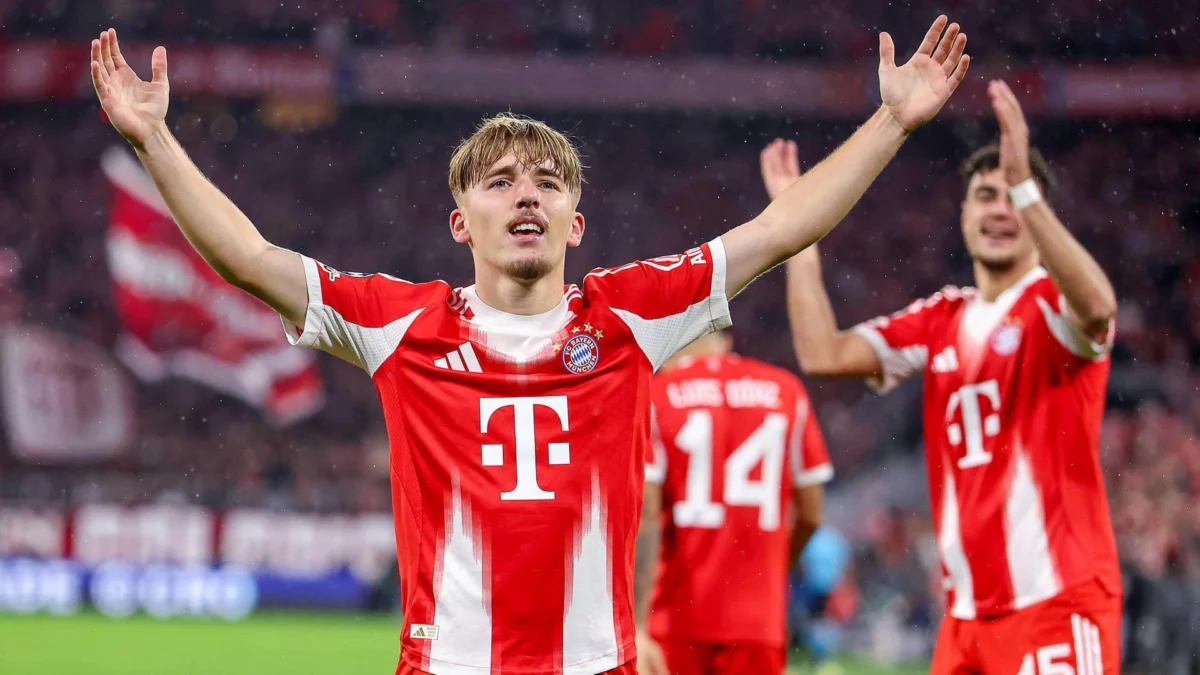
In a move that has sent ripples through the youth football ecosystem in Germany, Eintracht Frankfurt has confirmed the departure of a high-profile prospect from its academy. While the name Lennart Karl has been dominating local headlines due to his burgeoning reputation as a generational talent, the focus of this specific development is his younger brother, who has officially parted ways with the Eintracht Frankfurt youth setup.
The departure, framed by the club and the family as a "closing of a chapter," marks a significant moment for the Adlerträger. For a club that prides itself on the "Frankfurt Way"—a philosophy centered on integrating academy talent into the professional squad—the loss of a player from a prominent footballing family raises questions about the competitive nature of elite youth recruitment in the modern Bundesliga. The young player, who had been developing within the SGE (Sportgemeinde Eintracht) structure, will now seek opportunities elsewhere, signaling a tactical shift in his personal career development path.

Chronology: The Trajectory of the SGE Youth Prospects
To understand the gravity of this exit, one must look at the recent timeline of the Karl brothers within the Frankfurt system.
The Foundation Years
For several seasons, the Karl brothers were viewed as jewels in the crown of Eintracht’s youth department. Their development was closely monitored by academy directors, who saw in them the technical proficiency and tactical awareness required to eventually transition into the senior Bundesliga squad. The younger brother, specifically, had been making waves in the lower age groups, consistently outperforming peers and drawing scouts from across the continent.

The Turning Point
Throughout the current calendar year, discussions regarding the long-term career path of the young prospect intensified. In modern football, the bridge between U17 football and the professional level is fraught with difficulty. Internal assessments at the Riederwald training center—the heartbeat of Eintracht’s academy—often lead to difficult conversations regarding playing time, developmental pathways, and professional contracts.
The Decision
In the final quarter of the current season, the family and the club’s management reached a mutual consensus. Recognizing that the specific requirements for his continued growth might not align with the immediate trajectory at Eintracht, both parties agreed to terminate the association. The player’s social media announcement, stating, "This chapter comes to an end," served as the formal closure of a tenure that held immense promise.

Supporting Data: The "Frankfurt Way" and Academy Economics
Eintracht Frankfurt has spent the better part of the last decade transforming its youth academy into a profit-generating and talent-producing machine. However, the economics of youth football are brutal.
- Investment vs. Retention: Eintracht invests millions of euros annually into the Riederwald facility. The club’s goal is to transition at least two players per season into the professional first team.
- The Competition for Talent: Frankfurt faces intense competition from clubs like RB Leipzig, Bayern Munich, and Premier League academies that are increasingly poaching German talent at younger ages.
- Performance Metrics: Statistics show that the dropout rate for academy players between the ages of 14 and 16 is at an all-time high. The pressure to perform at an elite level often forces families to look for "easier" routes to professional football, sometimes opting for clubs with smaller, more focused squads.
The loss of a player of this caliber—given the family’s pedigree and the time invested by Frankfurt’s coaches—represents a "sunk cost" in terms of developmental hours, but more importantly, it represents a missed opportunity to control the player’s future market value.

Official Responses and Internal Perspectives
The club has remained largely tight-lipped regarding the specifics of the departure, citing privacy concerns for the minor involved. However, a spokesperson for the Eintracht Frankfurt academy provided a statement that emphasizes the club’s ongoing commitment to individual development.
"We respect the decisions made by our players and their families," the statement read. "Our focus at the Riederwald is always on creating an environment where talent can thrive. Not every path is linear, and we support our departing talents as they look for the next step in their journey. We wish him nothing but the best in his future endeavors."

Observers close to the situation suggest that the departure was not a result of a breakdown in the relationship, but rather a pragmatic assessment of the crowded pathway at the club. With the first team currently competing for European spots, the barrier to entry for youth players is higher than it has been in decades, creating a "bottleneck" effect that pushes talented individuals toward clubs where the transition to senior football is more immediate.
Implications: What This Means for Eintracht Frankfurt
The departure of a prospect from a well-known footballing family sends a clear message to the Bundesliga: the war for talent is no longer just about scouting players from other clubs; it is about retaining the ones you have.

The "Big Club" Dilemma
Eintracht Frankfurt is currently in a transition period. They are no longer the underdog of the Bundesliga; they are a European competitor. This status brings higher expectations. Fans demand results, and the coaching staff is under pressure to deliver points, which often comes at the expense of giving minutes to academy prospects. This departure highlights the inherent conflict between a club’s short-term success and its long-term developmental goals.
The Impact on the Karl Brand
The Karl name carries weight in German football. By allowing this departure, Eintracht must ensure that it does not alienate other young prospects who might view the club’s environment as too rigid. The club’s ability to communicate its "vision" to the families of these young athletes is paramount. If they are perceived as a club where top talents "stall," they will struggle to attract the next wave of elite German youngsters.

Strategic Adjustments
Moving forward, Eintracht Frankfurt is expected to review its exit interview processes and its developmental pathways for the 13-16 age bracket. The "Frankfurt Way" needs to evolve to accommodate players who might need a different pace of growth. Whether this involves more flexible loan agreements or a more personalized mentorship program, the club must prove that it can keep its best talent within the fold.
Conclusion
The departure of the young prospect is, in isolation, a common occurrence in the high-stakes world of professional football. However, in the context of Eintracht Frankfurt’s current ambitions, it serves as a litmus test for the club’s internal culture.

As the Adlerträger continue their push toward the top of the Bundesliga table, the spotlight will remain fixed on the Riederwald. The ability to identify, nurture, and—most importantly—keep elite talent will determine whether Eintracht Frankfurt can sustain its success over the coming decade. For now, the chapter is closed for the young player, but for the club, the lessons learned from this departure will likely influence their academy strategy for years to come. The search for the next generation of Frankfurt icons continues, even as one potential star exits the building.