KASSEL, GERMANY – A quiet night in the Bettenhausen district of Kassel turned into a scene of tragedy early Monday morning when a residential caravan erupted in flames, claiming the life of one individual and leaving another fighting for survival in a local hospital. Emergency services were alerted to the blaze in the dead of night, sparking a massive response that saw the vehicle reduced to a charred shell. As the site remains cordoned off, investigators are working to piece together the events that led to the fatal incident.
Main Facts: A Midnight Nightmare
At approximately 2:00 a.m. on Monday, residents in the Bettenhausen area were alerted to a fire that would ultimately claim one life. The incident took place on a parking area where a caravan was stationed. By the time the first responders from the Kassel Fire Department arrived, the vehicle was already engulfed in flames.
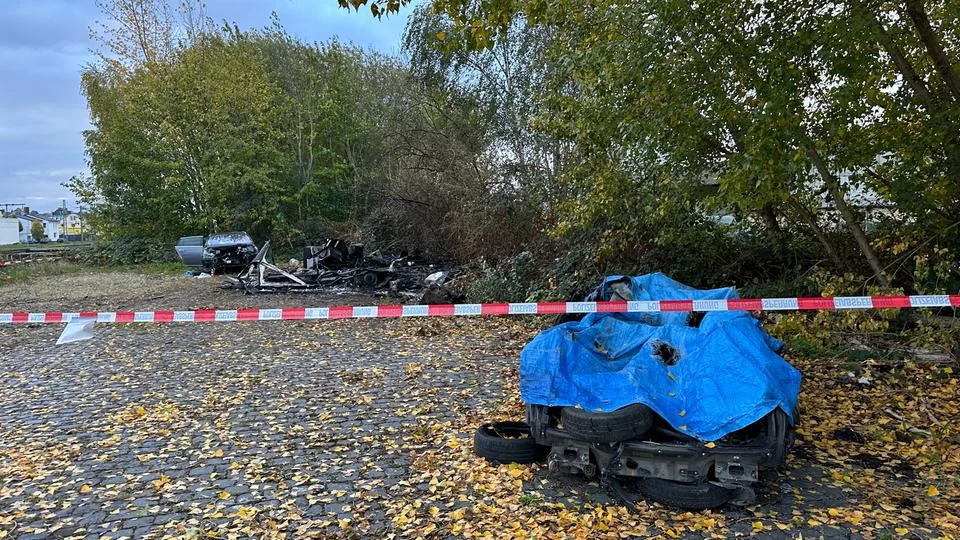
The intensity of the fire left the caravan completely destroyed. Upon conducting a search of the smoldering ruins, firefighters discovered the body of one person. A second individual, who was also inside the caravan at the time the fire broke out, managed to escape but sustained life-threatening injuries. Emergency medical personnel provided immediate assistance on-site before rushing the victim to a nearby hospital, where they remain in critical condition.
The identity of both the deceased and the injured party has not yet been released, as police are currently working to notify next of kin. The site has been secured by authorities to facilitate a forensic investigation into the origin of the blaze.
Chronology of the Incident
The timeline of the tragedy unfolded rapidly, leaving little time for intervention.
- 02:00 AM: Emergency calls reach the dispatch center reporting a residential caravan on fire in the Bettenhausen district.
- 02:10 AM: Initial fire department units arrive on the scene. They find the caravan fully ablaze, with structural integrity already compromised.
- 02:15 AM – 03:00 AM: Firefighters establish a perimeter and commence aggressive firefighting operations. Despite their efforts, the caravan is completely gutted.
- 03:00 AM: Once the flames are suppressed, search-and-rescue teams enter the remains of the vehicle. They recover one deceased victim.
- 03:15 AM: Medical teams transport the surviving victim, who suffered severe burns and smoke inhalation, to a specialized trauma center.
- 03:30 AM – Dawn: The scene is cordoned off with police tape. Investigators from the criminal investigation department (Kriminalpolizei) begin documenting evidence.
- Morning hours: Löscharbeiten (extinguishing efforts) are concluded, but the site remains under police guard to prevent the contamination of the crime scene.
Supporting Data: Fire Safety and Caravan Hazards
Residential caravans—often used for temporary living or as permanent housing in some economic contexts—present unique fire safety challenges. Unlike traditional masonry homes, these vehicles are constructed using lightweight, highly flammable materials, including thin aluminum or composite siding, polyurethane foam insulation, and wood-paneled interiors.
The "Flashover" Phenomenon
In a confined space like a caravan, a fire can reach a "flashover" point in a matter of seconds. This occurs when the heat generated by the fire causes all combustible materials in the room to reach their ignition temperature simultaneously. Once this threshold is crossed, the fire transitions from a localized blaze to a total-room inferno. In such environments, the time to escape is often measured in seconds rather than minutes.
The Role of Heating and Electrical Systems
While the official cause of the Kassel fire remains under investigation, experts note that residential caravans are statistically more prone to fires during the autumn and winter months. The reliance on auxiliary heating sources—such as gas heaters, electric space heaters, or portable stoves—poses a significant risk. If these systems are faulty, improperly ventilated, or placed too close to flammable fabrics, they can spark an electrical short or a gas leak, leading to immediate combustion.
Official Responses and Police Investigation
The Kassel Police Department has launched a formal investigation into the circumstances surrounding the blaze. As of Monday afternoon, investigators are operating under the assumption that the fire could have been caused by technical failure, human error, or an external ignition source, though no definitive conclusion has been reached.

The Role of Forensic Experts
The state criminal investigation office (Landeskriminalamt) has been tasked with examining the remains of the caravan. Forensic fire investigators are currently looking for "points of origin"—the exact spot where the fire began—by analyzing burn patterns on the chassis and the state of the remaining debris.
A spokesperson for the Kassel police stated during a press briefing: "Our primary objective at this stage is to identify the victims and determine the exact cause of the fire. We are not ruling anything out at this time, and we are working closely with fire experts to understand how such a fast-moving fire could have developed."
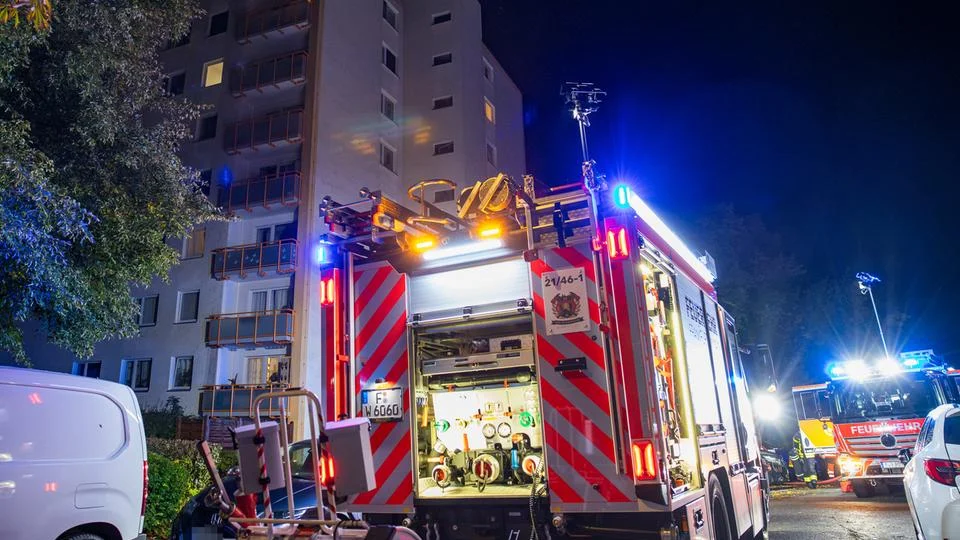
The fire department deployed eight specialized vehicles to the site, underscoring the severity of the operation. The sheer volume of water required to suppress the fire in the early hours indicates the intensity of the blaze, which likely burned at temperatures exceeding 800 degrees Celsius.
Implications: A Community in Mourning
The tragedy in Bettenhausen has sent shockwaves through the local community. The loss of life in such a sudden and violent manner has prompted discussions regarding the safety of alternative housing arrangements and the support systems available for those living in mobile or unconventional dwellings.
Safety Advocacy and Awareness
Local fire safety advocates are using this incident to remind citizens of the necessity of smoke detectors, even in smaller living spaces. "People often believe that because a caravan is small, they will immediately smell smoke," said a local fire safety expert. "However, the fumes from burning synthetic materials in a caravan are toxic and can cause a person to lose consciousness within seconds. A battery-operated, interlinked smoke alarm is the only way to ensure survival."
Social Implications
The incident also highlights the vulnerability of populations living in residential caravans. Often, these individuals reside in such accommodations due to limited housing options or economic instability. The loss of the caravan—and the subsequent death—represents not just a legal and forensic issue, but a social tragedy that impacts the fabric of the Bettenhausen neighborhood.
As the investigation continues, the focus remains on providing closure to the families involved and ensuring that lessons are learned to prevent future occurrences. For now, the burnt-out frame remains on the lot in Bettenhausen, a somber reminder of the fragility of life and the relentless nature of fire.
Looking Forward: Awaiting Findings
The public and the media await further reports from the Kassel authorities. The results of the autopsy on the deceased, combined with the technical fire investigation, are expected to be released in the coming days. Until then, the authorities have appealed to the public for any information that might shed light on the events of that fateful night.
As Kassel mourns, the incident serves as a stark warning: fire safety is not a luxury, but a necessity that must be prioritized, particularly in spaces where fire spreads with such unforgiving speed. The investigation remains ongoing, and updates will be provided by the police as new facts come to light.