KIRYAT MALACHI, Israel – October 26, 2026 – As Israel stands on the precipice of another national election, scheduled for tomorrow, October 27, 2026, the air is thick with anticipation and uncertainty. The nation grapples with a familiar dilemma: will it usher in a new era under a fresh prime minister, or will the "Anti-Netanyahu alliance" finally succeed in consolidating power, despite the profound ideological chasms that threaten its cohesion? The outcome will not only determine the country’s leadership but also chart its course on critical issues ranging from national security to the future of the Palestinian territories, all against the backdrop of an electorate deeply scarred by recent history.
The election arrives three years after the devastating events of October 7, 2023, an attack that irrevocably altered Israel’s political landscape and public psyche. This trauma continues to shape voter priorities and candidate rhetoric, making the prospect of a stable, unified government more challenging than ever. The diverse visions and often conflicting agendas of the leading candidates present a formidable hurdle to forming a viable coalition, raising the specter of continued political deadlock.
A Nation Defined by Perpetual Elections: A Brief Chronology
Israel’s parliamentary democracy, characterized by a highly fragmented party system and proportional representation, has long been susceptible to frequent elections and coalition instabilities. Since its founding, the nation has often seen governments rise and fall with remarkable speed, a testament to the intricate dance of alliances and rivalries within the Knesset.
Pre-Netanyahu Era: Before the ascendancy of Benjamin Netanyahu, Israeli politics saw a succession of leaders from both the Labor and Likud parties, often forming broad national unity governments in times of crisis. The pursuit of peace with its Arab neighbors and the management of the Palestinian conflict dominated the political discourse.
Netanyahu’s Dominance (2009-2021; 2022-Present): Benjamin Netanyahu’s return to power in 2009 marked a period of unprecedented political stability for him personally, though not for the government as a whole. His tenure was characterized by a rightward shift in Israeli politics, a focus on security, and a skeptical approach to the two-state solution. His legal troubles, including ongoing corruption trials, became a recurring theme, fueling both fierce loyalty among his base and intense opposition from those seeking a change in leadership and political culture.
The "Change Government" Interlude (2021-2022): In a historic development, a broad and ideologically disparate coalition, led by Naftali Bennett and Yair Lapid, managed to unseat Netanyahu in 2021. This "change government" brought together right-wing nationalists, centrists, left-wing parties, and for the first time, an independent Arab-Israeli party (Ra’am). Its very existence was a testament to the intense desire among a significant portion of the electorate to move beyond Netanyahu. However, internal disagreements and the inherent fragility of such a diverse alliance led to its collapse after just over a year, paving the way for Netanyahu’s return in late 2022.
The October 7, 2023, Watershed: The Hamas attack of October 7, 2023, was a seismic event. The unprecedented scale of the assault, the brutal killings, and the taking of hostages plunged Israel into a profound crisis. The immediate aftermath saw the formation of a wartime unity government, but beneath the surface, public anger and scrutiny over the security failures that allowed the attack to occur began to simmer. This event has become a central, often unspoken, theme of the current election cycle, with candidates subtly and overtly positioning themselves in relation to the nation’s response and accountability.
The Run-up to the 2026 Election: The period leading up to this election has been marked by renewed attempts to coalesce an "Anti-Netanyahu" front. New faces have emerged, and veteran politicians have recalibrated their strategies, all acutely aware that the post-October 7 landscape demands a different kind of leadership. The campaign has been less about grand policy visions and more about character, responsibility, and the fundamental question of who is fit to lead a nation still grappling with existential threats and internal divisions.
Supporting Data: The Fractured Israeli Electorate
Understanding the complexities of the 2026 election requires a look at Israel’s unique political structure and demographic realities.
Proportional Representation and the Knesset: Israel’s electoral system is based on nationwide proportional representation. Voters cast ballots for parties, not individual candidates. Seats in the 120-member Knesset (parliament) are allocated proportionally to parties that cross an electoral threshold, currently 3.25% of the total vote. This system almost guarantees that no single party can achieve an outright majority, necessitating coalition governments. This inherent need for alliances is precisely where the current "Anti-Netanyahu" bloc faces its greatest challenge.
The Evolving Party Landscape:
- The Right-Wing Bloc (Likud and Allies): Led by Benjamin Netanyahu, Likud remains the dominant force on the right. It typically forms alliances with ultra-Orthodox parties (Shas, United Torah Judaism) and far-right religious-Zionist factions (e.g., Religious Zionism, Otzma Yehudit). This bloc generally advocates for a strong national security posture, expansion of settlements, and skepticism towards Palestinian statehood. Their base is diverse, encompassing religious Zionists, ultra-Orthodox communities, and a significant segment of the secular right.
- The Centrist-Left Opposition: This bloc is a heterogeneous mix, often united more by their opposition to Netanyahu than by a shared ideology. It includes parties like Yesh Atid (centrist, led by Yair Lapid), National Unity (centrist, led by Benny Gantz), Labor (social-democratic), and Meretz (left-wing, social-democratic). The "Democrats" party, led by Yair Golan, also falls into this broader grouping. These parties generally advocate for social justice, a more pluralistic society, and varying degrees of support for a two-state solution, though the latter often becomes a point of contention within the bloc.
- Arab-Israeli Parties: Representing Israel’s significant Arab minority (around 21% of the population), these parties have historically focused on the rights of Arab citizens and the Palestinian cause. Ra’am (United Arab List), an Islamist party, made history in 2021 by joining a governing coalition, demonstrating a pragmatic shift. Other Arab parties, often grouped under the Joint List, tend to be more ideologically aligned with Palestinian nationalism. Their role as potential kingmakers is significant, yet often controversial among Jewish-Israeli voters.
Polls and Projections: A Murky Outlook: The latest pre-election polls paint a picture of continued deadlock. While the "Anti-Netanyahu" bloc generally holds a lead in aggregate support, it consistently falls short of the 61 seats required for a Knesset majority. Netanyahu’s right-religious bloc, despite facing significant criticism, also struggles to secure a clear path to 61. This scenario strongly suggests that any government formation will require complex negotiations and potentially uncomfortable alliances. The crucial hinge, once again, appears to be the Arab-Israeli parties, particularly Ra’am, whose pragmatic approach could either break the deadlock or become the "Anti-Netanyahu" bloc’s undoing, given the strong anti-Arab sentiment among some of its potential constituents.
Official Responses: The Candidates and Their Platforms
The 2026 election has seen candidates primarily define themselves through their perceived integrity, military credentials, and stance on national security, often with a less explicit focus on detailed policy proposals.
Gadi Eisenkot: The "Straightforward" General Against the Status Quo
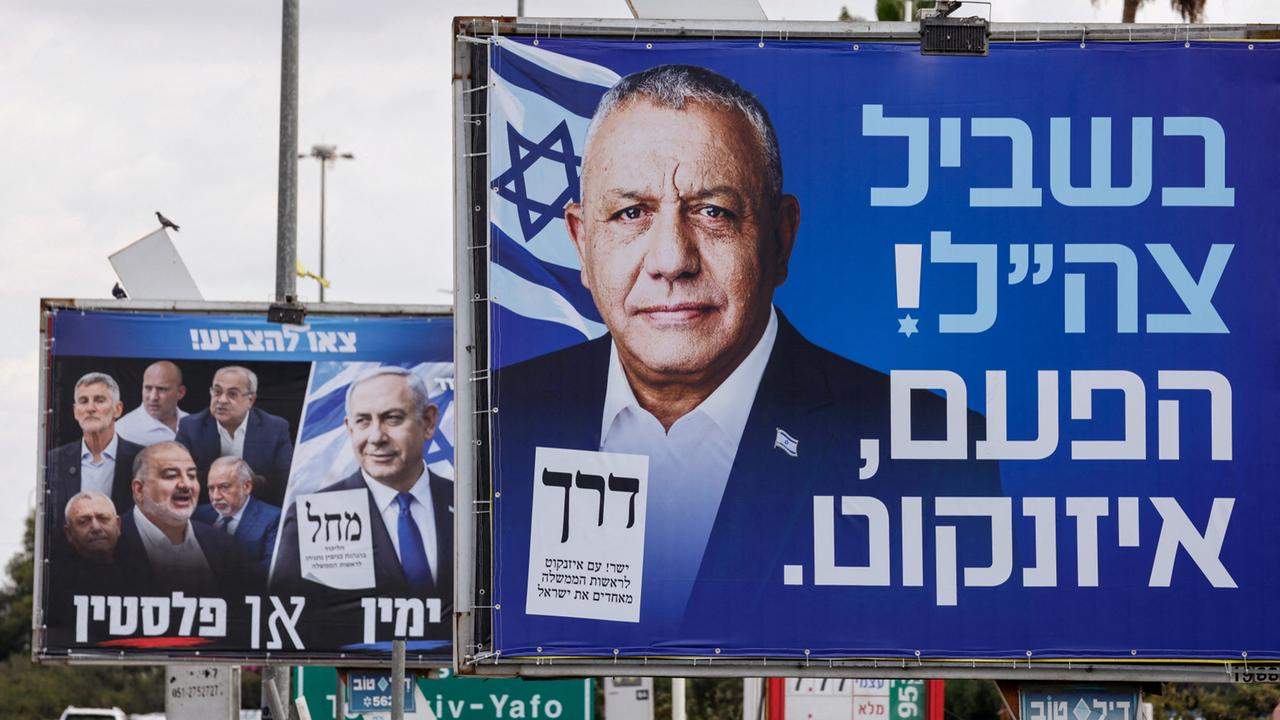
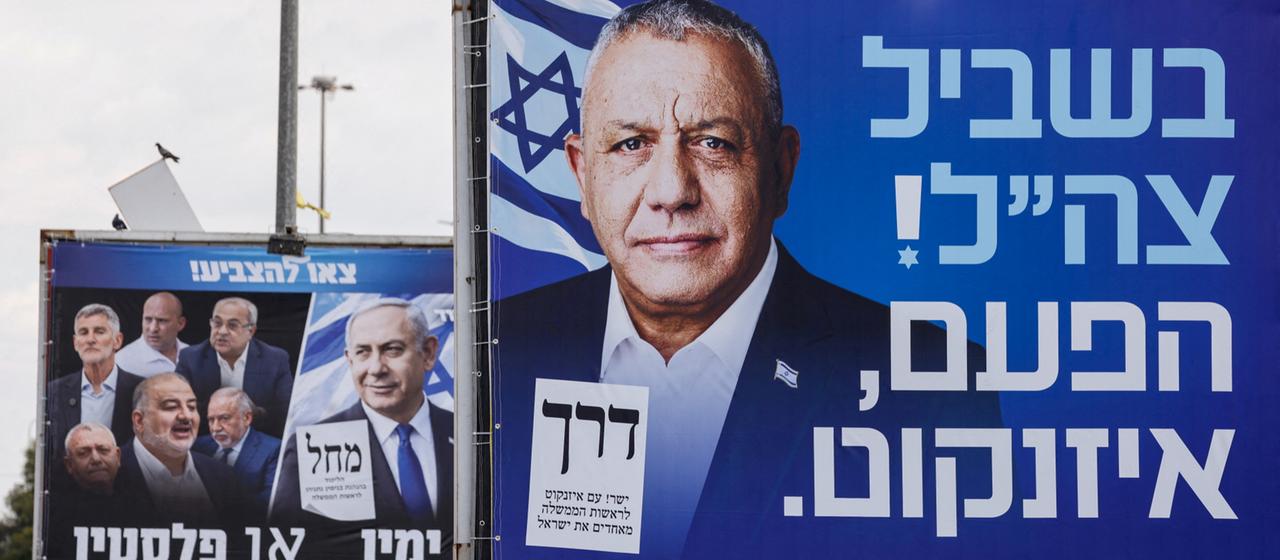
Gadi Eisenkot, the former Chief of Staff of the Israel Defense Forces (IDF) and now a leading figure in the "Anti-Netanyahu" alliance, embodies the yearning for a different kind of leadership. His campaign posters, featuring his stoic, statesmanlike gaze across the country, project an image of gravitas and experience. Unlike many politicians, public grandstanding is not his natural habitat, yet his team has strategically placed him in large halls, even in traditional Likud strongholds, to challenge Netanyahu’s dominance directly.
Military Pedigree and the "Dahiyah Doctrine": Eisenkot’s military career is central to his appeal. A former commander of the esteemed Golani Brigade, he rose through the ranks to become the IDF’s Chief of Staff, Israel’s highest military position. His campaign rallies often feature the Golani Brigade anthem, a potent symbol for many Israelis. He is widely credited with developing the "Dahiyah Doctrine," a military strategy he once controversially described as the "disproportionate use of force." This doctrine, first applied in Lebanon and later cited by military experts as a model for Israel’s conduct in Gaza, advocates for the destruction of civilian infrastructure to deter future attacks, even at the cost of significant collateral damage. For many voters, this uncompromising stance on security is a qualification for the premiership, particularly in the post-October 7, 2023, environment.
The "Anti-Netanyahu" Ethos: Eisenkot’s political identity is largely defined as a direct counterpoint to Benjamin Netanyahu. His party, "Yashar," meaning "straightforward," "upright," or "honest," is a deliberate challenge to the perceived ethical failings and political maneuvering of the long-serving prime minister. Eisenkot famously declared that "responsibility and personal example are not a luxury, but a must for a leader." He speaks of fundamental challenges facing Israel and the urgent need for "Zionist, true, dignified, and honest leadership." This focus on character, integrity, and a return to perceived national values resonates deeply with an electorate tired of political scandals and polarization. His strength lies not in charismatic rhetoric, but in his reputation for directness and service, qualities many believe have been eroded under Netanyahu.
Strategic Political Maneuvers: Aware of the sensitivities within his potential voter base, Eisenkot has preemptively ruled out any alliance with Arab-Israeli parties. This decision, while alienating some on the far-left, is a calculated move to broaden his appeal among centrist and right-leaning Jewish-Israeli voters who might otherwise be wary of a coalition involving non-Zionist factions.
Naftali Bennett: The Nationalist Gatekeeper
Naftali Bennett, a former prime minister himself and a key figure in previous anti-Netanyahu coalitions, remains a potent force on the right flank of the opposition. His ideology is firmly rooted in religious Zionism and a staunch nationalist outlook.
Unwavering Rejection of a Two-State Solution: Bennett’s position on the Palestinian conflict is unambiguous and uncompromising. Speaking on Israeli Channel 12, he declared, "I will not allow a Palestinian state to be established. I will not give back any territories. Period." This stance aligns him with the traditional Israeli right and distinguishes him from more liberal elements of the "Anti-Netanyahu" bloc. Instead of territorial concessions, Bennett advocates for focusing on "good economic relations in the region," a nod to the Abraham Accords and the potential for regional cooperation that bypasses the Palestinian issue. His previous success in forming a government against Netanyahu in 2021 highlights his political acumen and ability to bridge divides, albeit within a specific ideological framework.
Yair Golan: The Liberal Voice for Two States and Hero of October 7
Yair Golan, leading the "Democrats" – a social-Zionist-liberal party – offers a distinct voice within the opposition, one that directly confronts some of the most sensitive national narratives. Like Eisenkot, Golan boasts a distinguished military career as a high-ranking general.
Heroism on October 7, 2023: Golan gained significant public recognition and admiration for his actions during the October 7, 2023, Hamas attack. He was hailed as one of the heroes of that day, having reportedly driven to the Gaza border to personally engage terrorists, contrasting sharply with public criticism directed at the government’s perceived delayed response. This narrative of active, decisive leadership in a moment of crisis directly challenges Netanyahu’s controversial public assertion that he was not awakened on the morning of the attack and that had he been, "the terrorist attack from the Gaza Strip would have turned out differently." Golan’s actions serve as a powerful symbol of competence and bravery in the face of leadership failures.
Advocating for a Two-State Solution: In a political climate where the two-state solution is often dismissed or actively rejected, Golan stands out as one of the few prominent figures openly advocating for it. He articulates his vision clearly: "Two states for two nations, living peacefully side-by-side. I see no other or better option. No annexation. We are heading towards a separation from the Palestinians. And we must accomplish this in a secure manner, without jeopardizing the security of the citizens of Israel." His position represents the more dovish wing of the opposition, and his ability to reconcile this stance with a strong security background provides a unique selling point.
Benjamin Netanyahu: The Resilient Veteran
Benjamin Netanyahu, the longest-serving prime minister in Israel’s history, remains a formidable political force. Despite his legal battles and the public scrutiny following October 7, 2023, his base remains fiercely loyal.
"Right or Palestine": The Campaign Slogan: Netanyahu’s campaign strategy for 2026 is vintage "Bibi": polarizing and designed to mobilize his base while demonizing the opposition. His slogan, "Right or Palestine," is a stark choice that aims to paint the "Anti-Netanyahu" bloc as soft on security and dangerously close to supporting Palestinian statehood, particularly if they ally with Arab parties. This narrative effectively leverages deep-seated fears among many Jewish-Israelis and has proven successful in past elections.
Defending Against October 7 Allegations: Netanyahu has vigorously defended his actions and the government’s response to the October 7, 2023, attack, pushing back against accusations of negligence or failure. While the exact details of his defense are subject to ongoing debate, his consistent message is one of national resilience and the necessity of his leadership during times of war. He seeks to portray himself as the only leader capable of navigating Israel through its current security challenges.
Implications: The Road Ahead
The 2026 Israeli election carries significant implications for the nation’s domestic stability, regional standing, and the future of the Israeli-Palestinian conflict. The expected lack of a clear majority points towards protracted and potentially acrimonious coalition negotiations.
Coalition Formation: A Test of Resolve: The most immediate implication is the daunting task of forming a stable government. The "Anti-Netanyahu" bloc, while united by a common adversary, is ideologically diverse. Positions range from Golan’s advocacy for a two-state solution to Bennett’s outright rejection of it, and Eisenkot’s pragmatic avoidance of Arab alliances. This heterogeneity makes forging a cohesive platform incredibly difficult. If the polls hold true and neither major bloc secures an outright majority, the role of smaller parties, particularly the Arab-Israeli Ra’am party, will once again be pivotal.
The Kingmakers: Arab-Israeli Parties: Ra’am’s historic participation in the 2021 "change government" demonstrated that an Arab party could be a pragmatic partner in a Zionist-led coalition. However, as the original article notes, "that was more than five years ago. After October 7, it feels like an eternity." The events of October 7, 2023, have significantly complicated the prospects for such a partnership. Netanyahu’s "Right or Palestine" rhetoric is designed to exploit the discomfort many Jewish-Israelis feel about relying on Arab parties for national governance, especially on issues of security and national identity. For the "Anti-Netanyahu" bloc, a necessary cooperation with Ra’am could become a "litmus test," potentially tearing apart their fragile alliance or making it impossible to form a government, thus handing Netanyahu another victory by default.
Impact on the Palestinian Conflict: The election’s outcome will profoundly influence the trajectory of the Israeli-Palestinian conflict. A Netanyahu-led government, bolstered by far-right and religious-Zionist partners, would likely pursue policies of settlement expansion and de-facto annexation, further diminishing the prospects for a two-state solution. Conversely, a government led by the "Anti-Netanyahu" bloc would face immense internal pressure on this issue. While Yair Golan advocates for two states, figures like Naftali Bennett staunchly oppose it. The ability of such a diverse coalition to formulate a coherent policy towards the Palestinians, let alone achieve a breakthrough, is highly questionable.
Regional Stability and International Relations: Israel’s leadership also impacts its standing on the global stage. A government perceived as hardline could strain relations with key international allies, including the United States and European Union, who largely still support a two-state framework. Conversely, a more moderate government, if it could be formed, might find greater diplomatic avenues. The Abraham Accords, which normalized relations with several Arab states, could be either strengthened by a government focused on regional economic cooperation or jeopardized by policies perceived as detrimental to the Palestinian cause.
Internal Divisions and Societal Cohesion: Beyond policy, this election is a referendum on Israel’s identity. The stark contrast between those who prioritize national unity and integrity (Eisenkot, Golan) and those who emphasize a strong, right-wing, and religiously-informed Jewish state (Netanyahu and his allies) reflects deep societal cleavages. The ongoing political instability, exacerbated by the trauma of October 7, 2023, threatens to further entrench these divisions, making it harder for the nation to heal and move forward.
As Israelis head to the polls tomorrow, they face not just a choice between leaders, but a fundamental decision about the character and future direction of their nation. The path ahead promises to be complex, fraught with challenges, and potentially another chapter in Israel’s ongoing struggle for political stability and a clear national consensus.