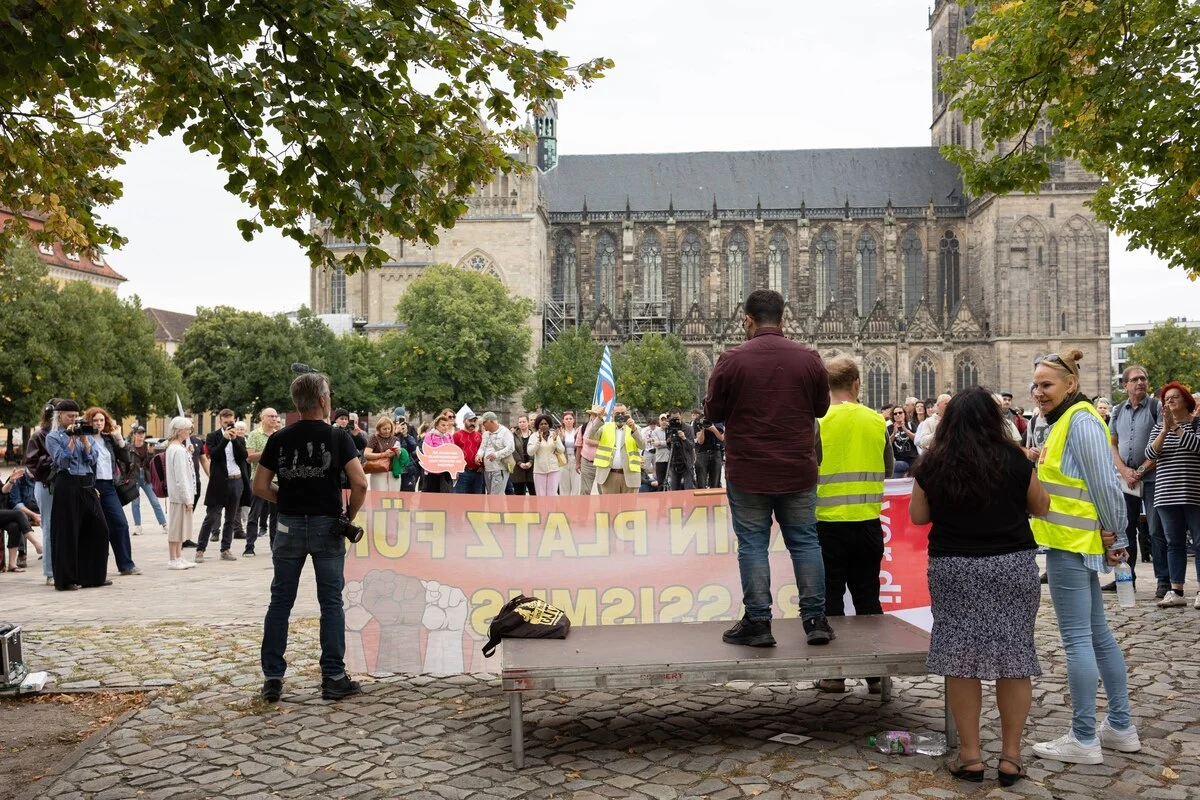
On November 5, the city of Halle (Saale) will witness a significant act of civil disobedience. Migrant business owners, workers, and community members are set to participate in a "Migra-Strike," temporarily withdrawing their labor and closing their storefronts to cast a spotlight on the often-invisible, yet indispensable, role migrants play in the German social and economic fabric.
For Dalal Mirzo, a key organizer and co-founder of the initiative "MigraStark," this strike is not merely a protest; it is an assertion of presence. In an era of shifting political winds and rising xenophobia, the strike serves as a visceral reminder of what a community looks like when it chooses to withhold its contribution in the name of dignity and equality.
The Catalyst: A Climate of Fear and Exclusion
The genesis of the November 5 strike lies in the increasingly hostile climate felt by many residents with migration histories. Following the political shifts observed in recent state elections in Saxony-Anhalt, the atmosphere in public spaces—from schools to public transport—has become palpably colder.
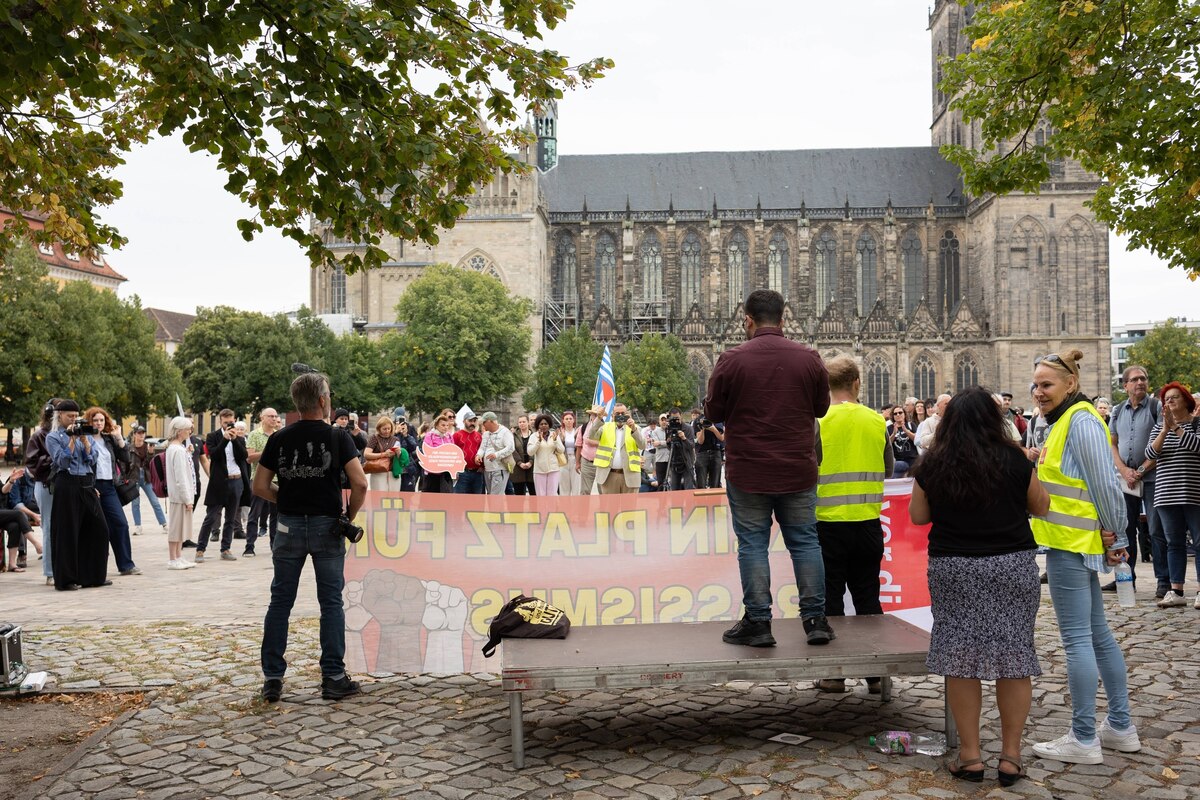
Dalal Mirzo, who has been active in promoting social participation for years, describes a harrowing transition over the last eighteen months. "My child and I have experienced more exclusion and discrimination—on the street, in public transportation, and at school," she explains. The sentiment that individuals with a migration background are no longer welcome has transitioned from an underlying anxiety to a lived, daily reality for many families.
However, the strike is also a response to the resilience of civil society. In the wake of political setbacks, a wave of grassroots collectives has emerged in Halle, organizing support systems and pushing back against exclusionary rhetoric. For many, this mobilization has transformed feelings of helplessness into a renewed determination to stay and fight for an open, inclusive society.
Chronology of Resistance: From Magdeburg to Halle
The movement for the "Migra-Strike" did not emerge in a vacuum. It follows a wave of activism that has swept through Saxony-Anhalt, characterized by a mix of mourning and defiance.

- September 6, 2024: Following significant election results that shifted the political landscape, the migrant community in Saxony-Anhalt faced a turning point. The realization that political representation was veering toward policies that marginalized them led to an immediate surge in organizational efforts.
- The Formation of "MigraStark": In the weeks following the election, the "MigraStark" initiative was established. It serves as an over-party, grassroots platform designed to coordinate the migrant response and provide a unified voice against racism and social exclusion.
- October 6, 2024: A pivotal moment occurred at the state parliament in Magdeburg during the election of the Landtag President. Activists from across the region—and even from as far away as North Rhine-Westphalia—gathered to show solidarity. This event served as a practice run for the current, broader mobilization.
- November 5, 2024: The designated day of the strike in Halle. The plan involves the cessation of work by migrant-owned businesses from 10:00 AM to 4:00 PM, culminating in a major rally on the Marktplatz from 2:00 PM to 4:00 PM.
Defining the "Migra-Strike": Beyond Productivity
A central theme of the organizers’ rhetoric is the decoupling of human value from economic output. The strike is not intended to be a traditional labor dispute where demands are made for better wages or working conditions. Instead, it is an exercise in "forced visibility."
"We want to make visible what many take for granted," says Mirzo. The organizers invite the public to conduct a thought experiment: What would happen if, for just six hours, the contributions of all migrants—the cafes, the grocery stores, the logistics, the essential services—were simply removed from the city?
The goal is to dismantle the idea that a person’s right to live with dignity is contingent upon their economic productivity or tax contributions. Every human being, regardless of their employment status or economic input, possesses an inherent right to participate in society. The strike acts as a mirror held up to the city, forcing citizens to acknowledge the gaps that would emerge if the migrant community were excluded or forced to leave.

Outreach and Solidarity: Who is the Target Audience?
While the strike is organized by and for migrants, its intended audience is the broader public—specifically those who, perhaps unintentionally, have never had to consider the depth of integration within their neighborhoods.
Mirzo is clear about the objective: "We don’t want to play people against each other. We want to reach those who have little contact with migrants and don’t yet grasp how deeply woven these people are into the fabric of this country."
The organizers are actively calling for solidarity from non-migrant allies. This takes several forms:

- Digital Advocacy: Sharing the call to action on social media to amplify the message.
- Physical Presence: Encouraging people from other cities to attend the rally in Halle, mirroring the solidarity seen in Magdeburg.
- Financial Support: Raising funds for the logistics of the protest, including flyers, posters, and sound equipment for the public assembly.
The Broader Implications for German Democracy
The movement in Halle is a microcosm of a larger, national debate regarding the future of the German social contract. The "Migra-Strike" serves as a critique of "democracy-preaching" as an empty political gesture. Many activists argue that moral appeals to democracy are ineffective against the rise of the far-right; instead, they advocate for a tangible, intersectional politics that actively dismantles the structures of racism.
The fact that organizers like Dalal Mirzo are choosing to stay in Saxony-Anhalt despite the threat of political shifts signifies a shift from defensive to proactive politics. By remaining, they are not only demanding their seat at the table but are actively restructuring the table itself.
The Role of Civil Society
The recent surge in activity has highlighted the critical role of civil society in Germany’s federal states. Where formal political structures may feel unresponsive or hostile, the "Migra-Strike" demonstrates that the power of the streets remains a vital mechanism for correcting the course of public discourse.

Economic and Social Impact
While the economic impact of a six-hour strike by small business owners may be statistically minor, the social impact is profound. It forces a conversation about the "hidden" economy—the social and cultural capital that migrants bring to cities like Halle. When a shopkeeper closes their door, it is not just a loss of revenue; it is the closure of a community hub, a meeting point, and a place of cultural exchange.
Conclusion: A Call for Dignity
As November 5 approaches, the organizers of the Migra-Strike in Halle are bracing for both public scrutiny and public support. The event stands as a testament to the fact that the fight for an inclusive society is not an abstract concept, but a series of deliberate actions taken by individuals who refuse to be treated as second-class citizens.
For Dalal Mirzo and her fellow organizers, the ultimate success of the strike will not be measured in the number of shops closed or the size of the crowd on the Marktplatz. It will be measured by the degree to which they have forced the residents of Halle to recognize the reality of their neighbors. It is a demand for recognition, for respect, and above all, for the right to belong in a home that they have helped to build.

As the community prepares for the silence of the strike, the message being sent is loud and clear: They are here, they are essential, and they are not going anywhere.