


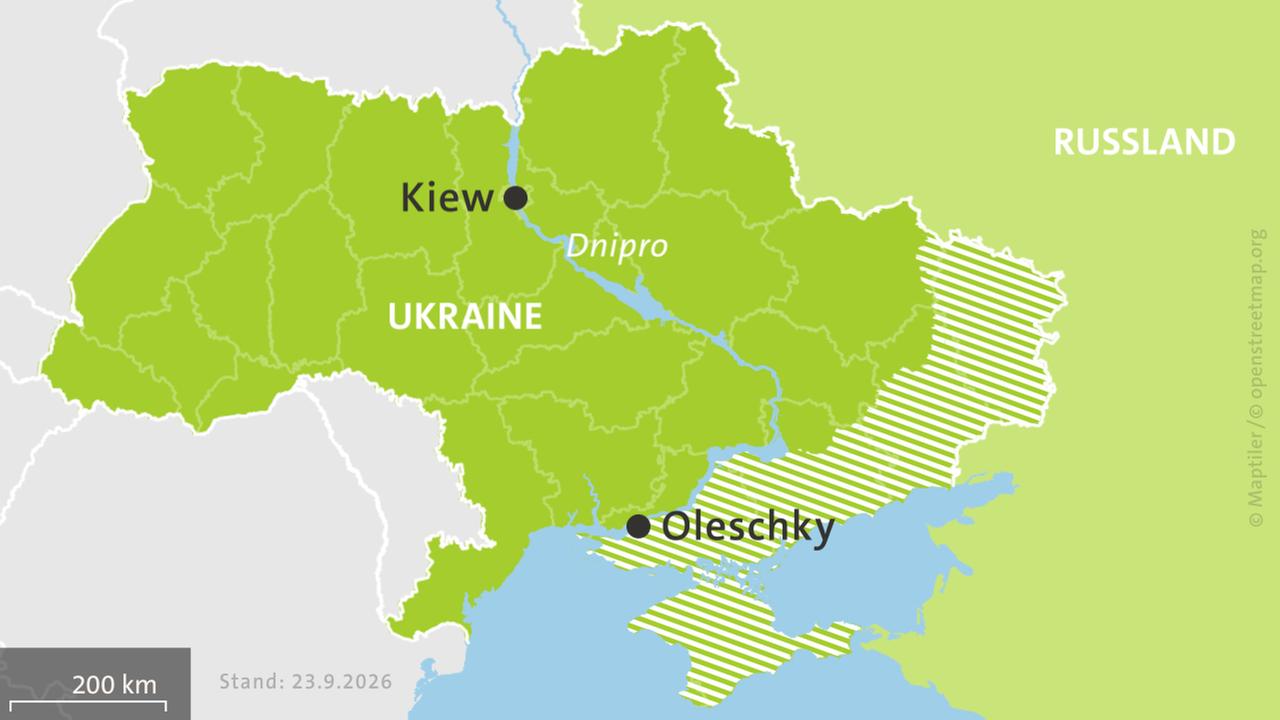
A localized ceasefire has been implemented in the embattled eastern Ukrainian city of Oleschky, allowing for a crucial humanitarian aid operation. However, the respite is starkly contrasted by continued Russian assaults on other fronts, including the capital, Kyiv.
Key Developments:
- A localized humanitarian ceasefire is in effect in Oleschky, a city in the Russian-occupied Kherson region of Ukraine.
- The ceasefire, facilitated by diplomatic efforts involving Pope Francis and potentially First Lady Melania Trump, aims to deliver essential aid and enable civilian evacuation.
- Despite this localized de-escalation, Russia continues its missile and drone attacks on Ukrainian infrastructure, including significant damage to a bridge in Kyiv.
- The Kremlin has indicated that military operations will proceed undeterred by potential future peace talks.
Oleschky: A City Under Siege
For years, the strategic city of Oleschky, situated on the eastern bank of the Dnipro River in Ukraine’s Kherson region, has been a focal point of intense fighting. Occupied by Russian forces since 2022, the city has endured relentless shelling, leaving its infrastructure in ruins and its remaining population in a dire state of humanitarian crisis. Once home to approximately 24,000 residents, estimates now suggest that only between 1,500 and 2,000 people remain, trapped amidst the devastation. Reports from earlier in the year painted a grim picture of starvation, severe shortages of medical supplies, and an inability for civilians to safely leave the city. The pervasive mining of the area has further compounded the danger, making any humanitarian effort an exceedingly perilous undertaking.
The Diplomatic Push for a Ceasefire
The establishment of the current ceasefire is the culmination of significant diplomatic engagement. Pope Francis reportedly appealed directly to Russian President Vladimir Putin in a telephone conversation to secure a pause in hostilities for Oleschky. Adding another layer to these efforts, the White House in Washington has stated that the humanitarian ceasefire originated from its own initiative. Crucially, according to U.S. government accounts, First Lady Melania Trump played a pivotal role in mediating the local truce. Her involvement, which allegedly included initiating discussions and directly negotiating terms with both Russian and Ukrainian leadership, marks a significant intervention by a prominent American figure in the conflict’s humanitarian dimension.
Humanitarian Aid and Evacuation Efforts Underway
The implemented ceasefire, though localized and temporary, is designed to facilitate a multi-day operation to deliver much-needed food and medical supplies to the beleaguered residents of Oleschky. Furthermore, a humanitarian corridor is being established to allow civilians to depart the region, with options to travel either towards Russian-controlled territory or back into Ukrainian-held areas. The logistical challenges are immense. The city’s extensive minefields have posed a significant obstacle, with previous Ukrainian attempts to deliver aid via drones being met with Russian interception and destruction of the unmanned aircraft. The current agreement necessitates the demining of key areas to create a secure passage for aid convoys and the eventual evacuation of civilians, which is slated to commence in the coming days.
Broader Implications and the Kremlin’s Stance
The Kremlin has acknowledged the potential of a successful humanitarian operation in Oleschky, suggesting it could serve as a model for de-escalation on other contested fronts. This statement comes against a backdrop of mutual accusations between Moscow and Kyiv regarding responsibility for the humanitarian catastrophe in the city and surrounding villages, where an estimated 6,000 people are believed to be suffering from acute need.
However, the fragile hope offered by the Oleschky ceasefire is overshadowed by the continuation of aggressive Russian military actions elsewhere. Russia has maintained its barrage of missile and drone attacks on Ukrainian cities, with the capital, Kyiv, being a primary target. In a recent incident, ballistic missiles were reportedly fired towards the capital, causing damage to a vital bridge crossing the Dnipro River and impacting metro infrastructure.
Despite indications of potential three-way talks between Ukraine, Russia, and the United States scheduled for November, the Kremlin has been unequivocal in its stance. Kremlin spokesperson Dmitry Peskov stated that the resumption of negotiations would not impose any restrictions on ongoing combat operations. This assertion underscores the challenging geopolitical landscape and the limited impact that localized humanitarian efforts may have on the broader trajectory of the conflict.
Escalation on Other Fronts
The contrast between the humanitarian pause in Oleschky and the ongoing attacks on Kyiv highlights the dual nature of the conflict. While diplomatic efforts seek to alleviate suffering in specific areas, the broader military campaign continues unabated. In the southern Zaporizhzhia region, under Russian control, a drone attack on a bus reportedly resulted in one fatality and injured 30 individuals, according to the Russian-installed governor, Yevgeny Balitsky. These incidents serve as a stark reminder of the pervasive violence and the significant human cost of the protracted war.
A Precarious Balance
The situation in Oleschky represents a critical juncture, offering a rare moment of coordinated humanitarian action amidst a landscape of escalating hostilities. The success of this fragile truce hinges on the sustained commitment of both warring parties to uphold the ceasefire and facilitate the safe passage of aid and civilians. The international community, including the Vatican and the U.S., has demonstrated a willingness to engage diplomatically to address the humanitarian crisis. However, the broader strategic objectives of Russia, as evidenced by its continued offensive operations, cast a long shadow over the prospects for a comprehensive de-escalation. The coming days will be crucial in determining whether the lifeline extended to Oleschky can provide a sustainable path towards relief or if it will be swallowed by the relentless tide of war. The world watches, hoping for a positive outcome in this small corner of a devastated nation, while bracing for the continued violence that defines the larger conflict.





