


Moscow reiterates its commitment to military operations, dismissing any link between ongoing negotiations and a cessation of hostilities. Meanwhile, the eastern Ukrainian city of Kharkiv endures another deadly assault, highlighting the devastating human cost of the protracted conflict.
Kharkiv, Ukraine – October 26, 2026 – Despite the imminent prospect of renewed diplomatic engagement under United States mediation, Russia has unequivocally stated its intention to persist with its military campaign against Ukraine. Kremlin spokesperson Dmitry Peskov confirmed that any resumption of trilateral talks would not entail any limitations on ongoing combat operations. The stark declaration underscores Russia’s unwavering stance, as its forces continue to target what Moscow describes as Ukraine’s military-industrial complex. The grim reality of this policy was immediately felt in Kharkiv, where a Russian attack claimed the lives of at least two civilians and left several others injured, painting a stark picture of the ongoing humanitarian crisis.
This latest incident in Kharkiv, a city that has become a frequent target due to its proximity to the front lines, serves as a potent reminder of the escalating violence and the precariousness of civilian life in eastern Ukraine. The attacks come at a time when international efforts to broker peace are being met with a defiant posture from the Kremlin, raising serious concerns about the efficacy of diplomatic pathways and the future trajectory of the conflict.
Escalating Aggression Amidst Diplomatic Overtures
The announcement from Moscow arrives as preparations are underway for renewed discussions, reportedly facilitated by the United States. However, the Kremlin’s pronouncements leave little room for optimism regarding an immediate de-escalation. "A decision on resuming trilateral talks does not involve any restrictions on combat operations," Peskov stated, effectively decoupling any potential diplomatic progress from a cessation of hostilities. He further elaborated that Russian armed forces would continue their "massive strikes" against Ukraine’s military-industrial complex.
This hardline stance is particularly concerning given Russia’s stated objectives, which include territorial concessions in eastern Ukraine and far-reaching military and political restrictions on Kyiv. These demands are widely perceived by Ukraine and its Western allies as tantamount to a surrender, making any genuine breakthrough in negotiations a formidable challenge.
A Glimmer of Hope for Localized Truces?
While Russia remains resolute in its broader offensive, Peskov did offer a conditional opening for localized ceasefires. He suggested that Moscow might be amenable to agreeing to an "area-limited ceasefire for humanitarian purposes," referencing a recent, albeit temporary, truce brokered for the town of Oleschky. This limited ceasefire, reportedly facilitated by former First Lady Melania Trump, was intended to allow for humanitarian aid and evacuations in the Russian-occupied southern Ukrainian city. However, the broader implications of this offer remain unclear, and it is unlikely to satisfy Ukraine’s demands for a comprehensive withdrawal of Russian forces.
The contrast between the potential for localized humanitarian truces and the continued large-scale military operations highlights the complex and often contradictory nature of Russia’s approach to the conflict. While acknowledging the need for humanitarian considerations in specific instances, Moscow appears unwilling to compromise on its overarching strategic objectives.
Chronology of Escalation and Civilian Impact
October 26, 2026, Evening: The city of Kharkiv was subjected to a renewed Russian assault, resulting in the deaths of at least two civilians and injuring at least four others. The attack damaged residential buildings and vehicles, with emergency services continuing their efforts into the evening. This incident follows a pattern of regular attacks on the city, which is Ukraine’s second-largest and located in close proximity to the contested eastern front.
October 23, 2026: A Russian attack struck a hardware store in Kharkiv on Saturday evening. Fortunately, no casualties were reported in this specific incident. However, the attack underscores the indiscriminate nature of the ongoing shelling and the constant threat faced by civilians.
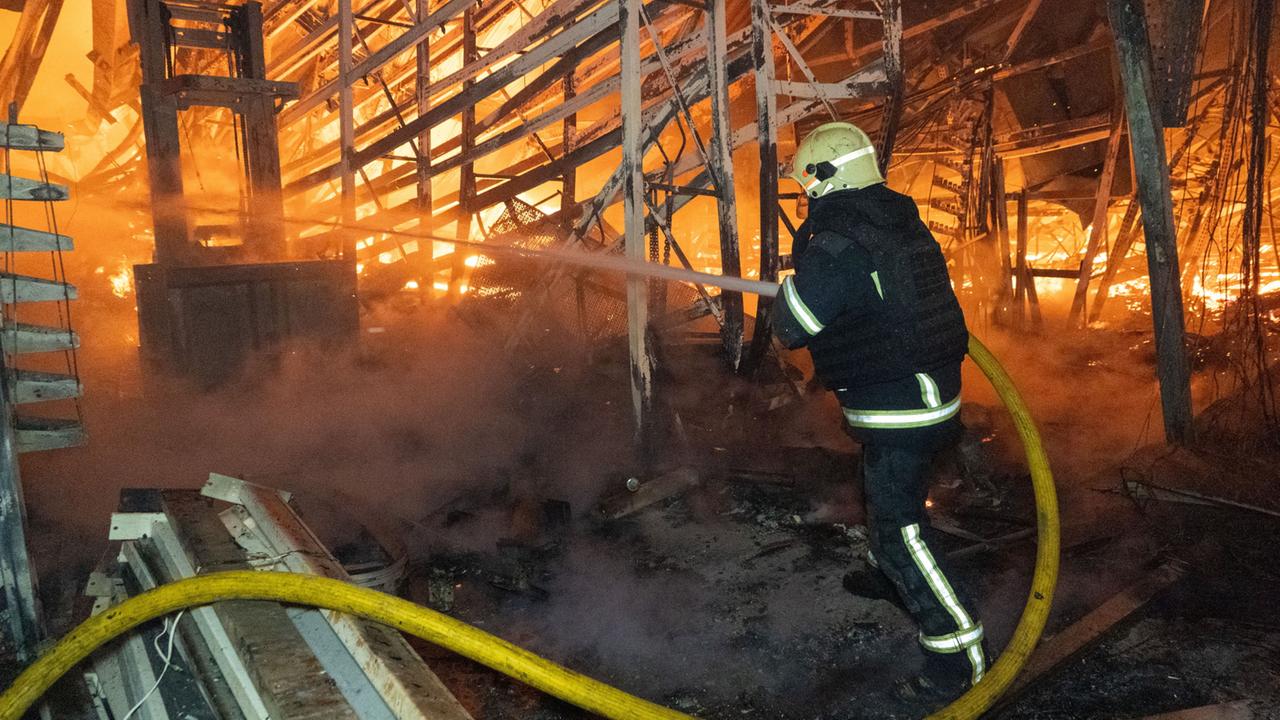
October 22, 2026: The day prior to the hardware store incident, a Russian attack on the wider Kharkiv region resulted in at least seven injuries. These repeated assaults emphasize the persistent danger faced by the civilian population in the region.
Recent Weeks/Months: Throughout the preceding months, Kharkiv and its surrounding areas have experienced a sustained campaign of Russian attacks. These strikes have often targeted critical infrastructure and residential areas, leading to significant civilian casualties and widespread destruction. The city’s strategic location and its role as a major urban center have made it a persistent focal point of the conflict.
Supporting Data: The Devastation of Kharkiv
Kharkiv, once a vibrant hub of industry and culture, has been irrevocably altered by the ongoing conflict. Its proximity to the Russian border and its status as a gateway to the eastern frontlines have made it a recurring target for Russian military operations. The relentless shelling and missile strikes have resulted in:
- Significant Civilian Casualties: The attacks have claimed the lives of hundreds of civilians and left thousands more injured since the full-scale invasion began. The most recent incident on October 26th tragically adds to this grim tally.
- Widespread Destruction of Infrastructure: Residential buildings, apartment complexes, and vital civilian infrastructure, including schools, hospitals, and transportation networks, have sustained extensive damage. The attacks on homes and businesses have displaced countless residents, creating a severe humanitarian crisis within the city.
- Impact on Essential Services: The targeting of energy infrastructure, as detailed below, has repeatedly plunged the city into darkness and deprived residents of essential services like heating and water, particularly during the harsh winter months.
- Psychological Toll: The constant threat of attack and the pervasive destruction have taken a severe psychological toll on the population, particularly on children. Many residents live in a state of perpetual fear, with limited access to safe spaces.
Official Responses and International Condemnation
Ukraine: Ukrainian officials have repeatedly condemned Russia’s actions, labeling them as war crimes and acts of terrorism. President Volodymyr Zelenskyy has consistently called for stronger international support and more robust sanctions against Russia to halt its aggression. The Ukrainian government has also been actively engaged in diplomatic efforts, seeking to secure international condemnation and pressure Russia to cease its attacks.
United States: The U.S. State Department has reiterated its commitment to supporting Ukraine and has been involved in mediating potential diplomatic solutions. However, the U.S. has also expressed concerns about the ongoing Russian offensive and the civilian toll. While supporting dialogue, the U.S. has maintained that any peace settlement must respect Ukraine’s sovereignty and territorial integrity.
United Nations: The UN has been a vocal critic of Russia’s actions, with independent commissions investigating alleged war crimes. The recent findings by a UN commission, classifying attacks on Ukraine’s energy infrastructure as crimes against humanity, represent a significant international rebuke. The UN has also been involved in humanitarian efforts, providing aid and support to affected populations.
Implications of Russia’s Stance
Russia’s steadfast refusal to link its military operations to ongoing diplomatic efforts carries significant implications for the future of the conflict and broader international security.
- Protracted Conflict: The Kremlin’s stance suggests a prolonged and potentially intensified conflict, with no immediate end in sight. This prolonged period of hostilities will continue to exact a heavy human and economic toll on Ukraine and have ripple effects across the global economy.
- Erosion of Diplomatic Trust: The disconnect between diplomatic overtures and continued military aggression could further erode trust in international negotiation processes. This may make future attempts at de-escalation and conflict resolution more challenging.
- Humanitarian Crisis Deepens: The continuation of attacks, particularly on civilian areas like Kharkiv, will exacerbate the already dire humanitarian crisis in Ukraine. Millions will continue to face displacement, food insecurity, and a lack of access to essential services.
- International Law and Accountability: The UN’s classification of attacks on energy infrastructure as crimes against humanity underscores the ongoing debate about accountability for alleged war crimes. This could lead to increased pressure for international legal action against those responsible.
- Global Stability: The ongoing conflict in Ukraine continues to destabilize global energy markets, food supplies, and geopolitical relations. Russia’s persistent aggression further contributes to this instability, impacting nations worldwide.
The situation in Kharkiv and the Kremlin’s pronouncements serve as a stark reminder of the complex and brutal realities of the war in Ukraine. As diplomatic efforts continue, the international community faces the daunting task of finding a path towards a lasting peace while simultaneously addressing the immediate humanitarian needs and holding perpetrators of alleged war crimes accountable. The coming weeks and months will be critical in determining whether dialogue can overcome defiance and whether the cycle of violence can be broken.







