Berlin, Germany – The German political stage is currently a maelstrom of domestic and international developments, characterized by intense coalition negotiations, a burgeoning presidential race, and complex diplomatic overtures. From the contentious internal debates within Berlin’s Left Party to the high-stakes state visit of President Steinmeier to China and Chancellor Merz’s strategic outreach in Southeast Asia, the nation is grappling with a myriad of challenges and opportunities.
At the heart of Germany’s capital, the formation of a new government is proving particularly arduous, with the Left Party facing internal dissent over an MP’s controversial remarks on Israel. Concurrently, the informal race for the largely ceremonial but symbolically significant Federal Presidency is gathering pace, with prominent figures from both CDU and CSU being floated as potential candidates. Internationally, Germany is treading a delicate path, balancing critical economic engagement with China against a broader strategy of diversifying trade and strengthening alliances with other Asian democracies. Adding to the domestic ferment, a German automotive executive’s controversial appearance at a Donald Trump rally has ignited a fierce debate, highlighting the intricate geopolitical tightrope walked by German industries. Meanwhile, crucial policy discussions on pension reform and investment protection underscore the ongoing legislative battles. This dynamic confluence of events paints a vivid picture of Germany’s current political landscape.
Navigating Berlin’s Coalition Labyrinth: Internal Strife and Policy Divides
The political climate in Berlin is exceptionally charged as efforts to form a new coalition government unfold. The potential for a red-green-red alliance has exposed deep ideological fissures, not only between parties but also within them, raising profound questions about policy direction and the very nature of democratic responsibility.
The Left Party’s Emde Dilemma: A Test of Principles
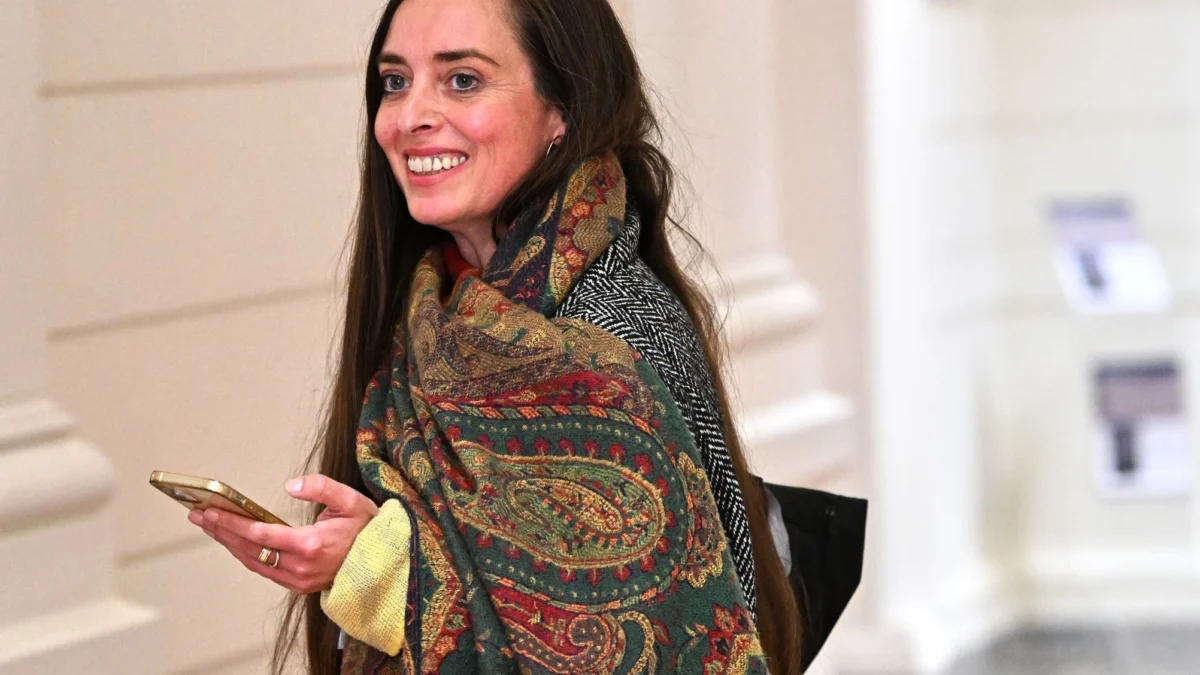
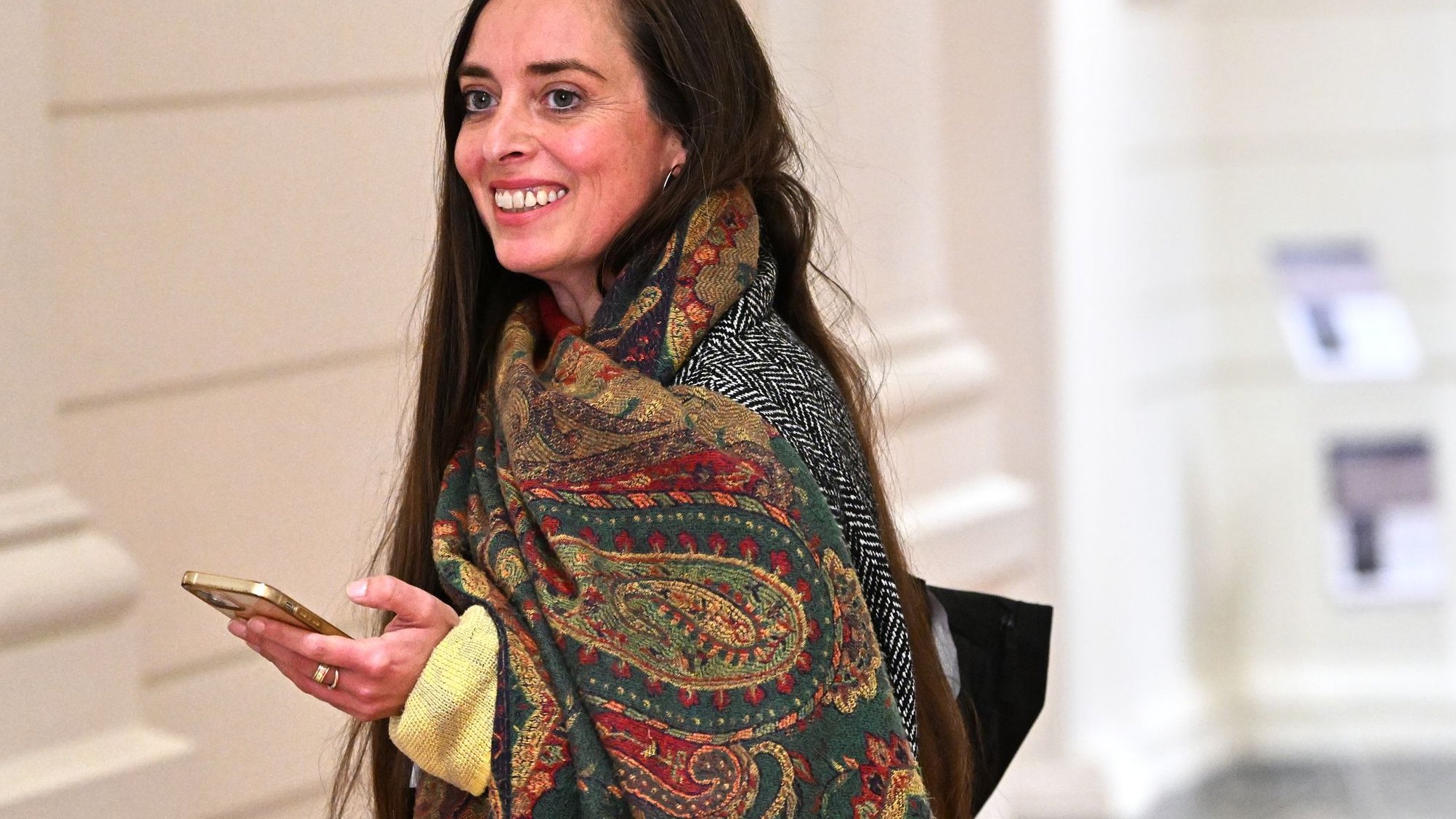
Central to Berlin’s political tensions is the ongoing dispute within the Left Party concerning its controversial member of parliament, Vanessa Emde. Emde, who secured her seat in the September 20 election on a platform emphasizing Palestine solidarity, has sparked widespread outrage due to her explicit Israel criticism. Specifically, her public assertion that "there is no right to existence for states, only for people" has been deemed highly problematic, particularly in Germany, a nation acutely aware of its historical responsibility towards Israel.
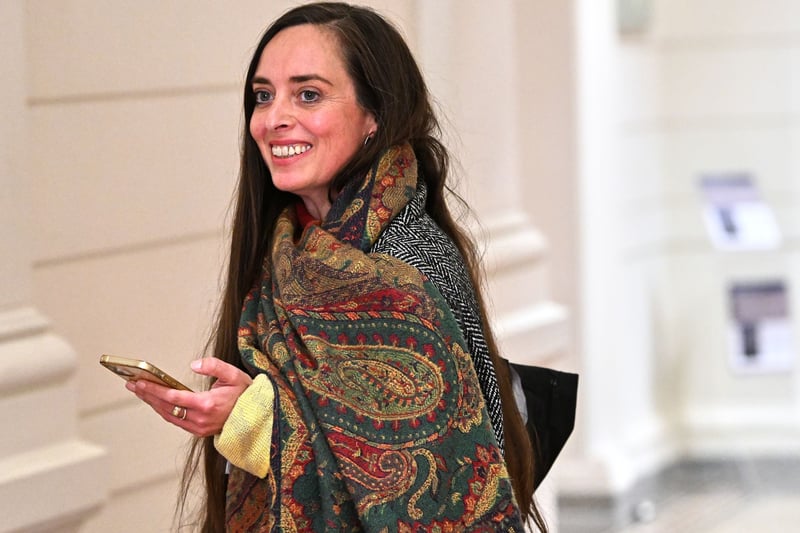
Following a series of intense meetings, including a session with the faction’s board and the entire parliamentary group, a spokesperson for the Berlin Left Party declared that "no common working basis" could be found with Emde. However, a definitive decision on her future within the faction has been postponed. Emde reportedly cited illness for her absence from a crucial digital meeting, leading to her re-invitation for a subsequent session. This delay, while perhaps procedural, underscores the deeply fractious atmosphere within the party and the difficulty of reaching a consensus on an issue so intertwined with historical memory and contemporary political identity. The resolution of this internal conflict carries significant implications for the Left Party’s unity, public perception, and its capacity to engage in coalition governance, especially in a city like Berlin with a substantial Jewish community and a unique historical burden.
A Contentious Path to Governance: Ideological Battlegrounds
Despite these internal struggles, the Berlin SPD’s state executive has officially decided to proceed with coalition negotiations involving both The Left and the Greens. This move, however, is not without its own significant internal opposition. A striking twenty members of the SPD Bundestag faction have reportedly issued a joint statement titled "Our compass of values is never negotiable." This unprecedented public dissent underscores a profound unease within the federal SPD regarding a potential alliance with their Berlin counterparts. The statement reportedly cited "recurring antisemitism conflicts within Berlin’s Left Party, contacts with criminal clans (Remmo-Umfeld), and extremist milieus, and the handling of these issues" as reasons for "considerable doubt" about the reliability of the state chapter. SPD parliamentary group leader Matthias Miersch later confirmed this critical stance from within his ranks, highlighting the deep divisions that could complicate or even derail the formation of a stable government in the capital.
The prospect of a red-green-red government has also drawn sharp criticism from external observers. Marcel Fratzscher, head of the German Institute for Economic Research (DIW), publicly urged for "more moderation" in the debate, specifically calling for an end to what he termed "panic-mongering." Fratzscher’s comments were a direct response to Bundeswirtschaftsministerin Katherina Reiche (CDU), who had warned that such a government would pose a "danger for the location" of Berlin, with repercussions extending beyond the city limits. Fratzscher dismissed Reiche’s statements as "problematic" and "not sustainable," arguing that such rhetoric ultimately harms Germany’s image and calls for a more cautious tone in public discourse.
The Looming Shadow of Apartment Nationalization
Perhaps the most economically significant and politically divisive issue confronting Berlin’s potential coalition is the proposed nationalization of 160,000 apartments from large housing corporations. Franziska Giffey, Berlin’s still-acting Senator for Economic Affairs and a prominent SPD figure, has vehemently rejected these plans. Giffey articulated a stark warning, stating that nationalization is "not the right way to advance our city, achieve continued above-average economic growth, or create sufficient affordable housing."

Her critique extended to the financial feasibility of the proposal, arguing that the suggested compensation sum of €16 billion, translating to approximately €100,000 per apartment, is "unrealistic" and would inevitably lead to protracted and costly legal battles. More critically, Giffey predicted dire consequences for Berlin’s housing market: "The affected housing companies, but also many other housing developers, will stop their planned housing construction projects in Berlin or at least not start new ones." She emphasized that such a policy would not create a single new apartment, thereby exacerbating the already severe housing shortage in a city whose population is projected to exceed four million. Giffey contrasted this with the past five years, during which over 80,000 new apartments were built in Berlin through close cooperation with private housing companies. Her warning concludes with a somber outlook on the "severe impacts on Berlin’s economy and our state budget." This local debate on property rights and economic intervention finds a federal echo in Federal Interior Minister Dobrindt’s (CSU) proposal for an "Investment Protection Law," designed to prevent "arbitrary" nationalizations and ensure fair, full market value compensation for property owners.
The Presidential Succession and Evolving Party Dynamics
Beyond the immediate challenges of coalition formation, Germany’s political landscape is also shaped by the upcoming federal presidential election and significant shifts within major parties.

The Race for Bellevue Palace: Candidates Emerge
The largely ceremonial role of Federal President, residing in Bellevue Palace, is nevertheless a crucial symbol of national unity and democratic values. The informal race for this prestigious office is now gaining traction, with several prominent figures being discussed. Ines Claus, the chairwoman of the Hessian CDU parliamentary group and a deputy federal chairwoman of the CDU, has expressed feeling "greatly honored" by her mention as a potential candidate. Reports from the "Rheinische Post," citing high-ranking CDU circles, suggest that Claus is the favored candidate of Chancellor Friedrich Merz (CDU). Merz is expected to make a final decision on the party’s nominee after his ongoing Asia trip, initiating a formal process of consultation with Minister-Presidents, CDU/CSU leadership, and coalition partners.
Adding a surprising twist to the debate, Matthias Miersch, the SPD parliamentary group leader, has publicly endorsed Ilse Aigner, the President of the Bavarian State Parliament and a prominent figure in the CSU. Miersch lauded Aigner as a "convinced democrat who shows clear edge against right-wing extremism and decidedly advocates for our democratic values." He further described her as a "reliable, constructive, and fair negotiation partner" from past coalition talks. Miersch’s cross-party endorsement carries additional weight as he explicitly called for a female president, noting, "After twelve men at the head of our state, it is high time for a woman. And Ilse Aigner would be a Federal President who can unite our country without giving an inch on our democracy." While Miersch urged for a swift decision, the CDU has remained notably reserved on Aigner’s potential candidacy, signaling ongoing strategic deliberations within the Union.

SPD’s Internal Rifts and Leadership Questions
The SPD is also grappling with internal shifts, particularly following the resignation of former Federal Labor Minister and SPD leader Bärbel Bas. Hubertus Heil, another former Federal Labor Minister, has indicated his conditional openness to a candidacy for the SPD leadership. Heil outlined his prerequisites for considering a run: a clear strategic direction for the SPD towards what he termed a "solidary performance society," characterized by respect for "effort, engagement, and performance"; unambiguous clarity in foreign and security policy; and the formation of a "