Hamburg, Germany – October 27, 2026 – German consumer goods giant Beiersdorf AG, known globally for its iconic Nivea brand and industrial adhesive specialist Tesa, saw its shares experience an uncharacteristic sharp decline today following the release of its third-quarter results. Despite management highlighting initial signs of progress in its crucial consumer division, overall sales figures for both Nivea and Tesa products remained below the previous year’s levels, unsettling investors and putting significant pressure on the stock.
The DAX-listed company, typically regarded as a stable, defensive investment, witnessed its stock price plummet by 2.8 percent to €80.70 by early afternoon. This notable daily loss stood in stark contrast to a largely unchanged broader market environment, underscoring the market’s disappointment with the quarterly performance. Year-to-date, Beiersdorf shareholders have seen their investments shrink by approximately 15 percent, reflecting a challenging period for the Hamburg-based conglomerate.
Main Facts: A Quarter of Mixed Signals
Beiersdorf reported a group-wide sales decline of 1.3 percent (organically, after adjusting for portfolio changes and currency effects) for the third quarter, reaching just under €2.4 billion. This figure fell short of analyst consensus, which had largely anticipated a modest recovery, or at least a stabilization, in key segments.
The performance was bifurcated, with both the Consumer business, dominated by Nivea, and the Tesa adhesives division registering negative growth. While the Consumer segment’s decline of 4.9 percent was an improvement over the 6.7 percent drop seen in the second quarter, it still represented a significant drag on overall revenue. However, the Tesa division, often a reliable performer, proved to be the quarter’s primary disappointment, contracting by more than four percent.
The company attributed Tesa’s underperformance primarily to persistent chip bottlenecks impacting its electronics manufacturing clients. These clients are crucial for Tesa’s specialized adhesive tapes and solutions, and the ongoing supply chain disruptions have evidently curbed demand. For the Consumer division, Beiersdorf’s management reiterated that its recently launched 18-month turnaround program for the Nivea brand family is beginning to show nascent positive effects, despite the continued revenue contraction.
The confirmed full-year outlook, which anticipates a low single-digit revenue decline and a reduced EBIT margin of at least 11.8 percent (down from 14 percent in 2025), failed to assuage investor concerns. The market’s reaction suggests a growing skepticism about the pace of recovery and the efficacy of current strategic initiatives in a tough economic climate.
Chronology of a Challenging Year
The path to Beiersdorf’s current market position has been marked by a series of strategic adjustments and responses to evolving market dynamics throughout 2026. The year began with cautious optimism, but rapidly shifted as macroeconomic headwinds intensified and consumer spending patterns became increasingly unpredictable.
Early 2026: Beiersdorf initially projected a more robust performance for the year, banking on its strong brand equity and global presence. However, early indicators of slowing consumer demand, particularly in Europe, began to emerge. Inflationary pressures, rising energy costs, and general economic uncertainty started to erode household disposable income, prompting consumers to become more price-sensitive and discerning in their purchasing decisions.
Summer 2026: Recognizing the escalating challenges, particularly within its flagship Nivea brand, Beiersdorf announced a comprehensive 18-month turnaround plan. This strategic overhaul was explicitly designed to reinvigorate the brand family, which accounts for over half of the group’s total revenue. Concurrently, the company lowered its full-year guidance, signaling a more conservative outlook for both revenue growth and profitability. This revision sent an early warning signal to investors, prompting an initial downward adjustment in the stock’s valuation. The admission of a "crisis" within the Nivea family underscored the urgency of the new strategic direction.
Q2 2026 Results: The second quarter saw a stark illustration of the challenges, with the Nivea brand registering a significant 6.7 percent decline in sales. This pronounced drop amplified concerns among analysts and investors about the brand’s competitive positioning and its ability to adapt to changing consumer preferences and intense market competition from both established rivals and agile direct-to-consumer brands.
Q3 2026 Results (Today): The current announcement marks a critical juncture. While the slowing decline in Nivea sales (down 4.9 percent compared to 6.7 percent in Q2) offers a glimmer of hope that the turnaround plan is indeed beginning to yield results, the overall group performance, particularly the unexpected weakness in the Tesa division, overshadows this progress. The market’s negative reaction today reflects a combination of continued disappointment and a reassessment of the timeline for Beiersdorf’s full recovery. The confirmation of the previously lowered annual forecast, rather than providing reassurance, served to solidify the market’s apprehension regarding the current fiscal year’s profitability.
Supporting Data: Deep Dive into Divisional Performance
The granular details of Beiersdorf’s Q3 performance reveal specific pressures and areas of concern within its diversified portfolio.
Consumer Business (Nivea, Eucerin, La Prairie, etc.):
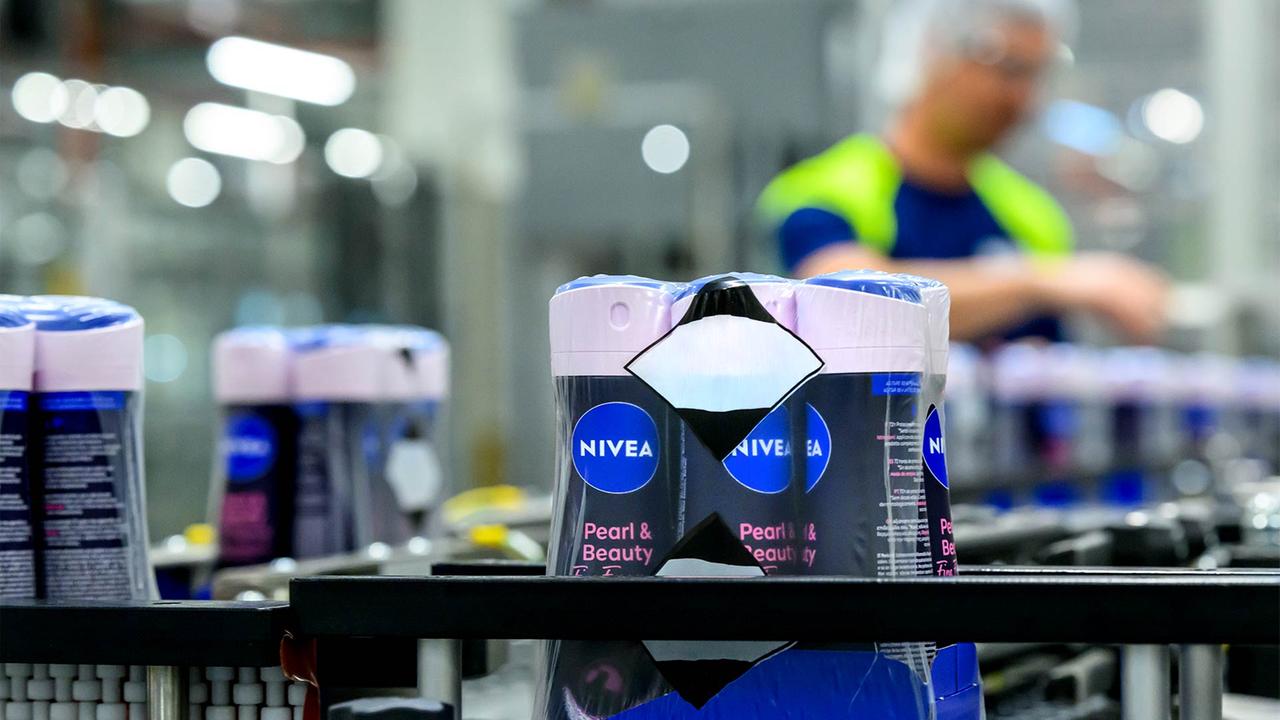
- Organic Sales Decline: 4.9 percent in Q3 2026.
- Context: This represents an improvement from the 6.7 percent decline in Q2 2026, suggesting that the initial phases of the turnaround strategy are having a measurable, albeit modest, impact on sales trends.
- Key Brands: The Nivea brand family remains the cornerstone, contributing the majority of the Consumer segment’s revenue. While Nivea’s global recognition is unparalleled, it faces intense competition across various price points and product categories, from mass-market brands to premium skincare.
- Strategic Initiatives: The slowdown in sales decline is attributed by management to a concerted effort to recalibrate product offerings and marketing strategies. This includes the introduction of more value-oriented product lines, such as "Face+" in European markets, which was initially developed for emerging markets. This move reflects a direct response to consumers’ increased price sensitivity. Additionally, a substantial increase in advertising expenditure, with an extra €100 million allocated for the second half of the year, aims to boost brand visibility and engagement.
- Market Dynamics: The consumer segment operates in a highly competitive and fragmented market. Consumers are increasingly influenced by digital trends, social media, and a growing demand for sustainable and ethically produced goods. Beiersdorf’s challenge is to innovate rapidly while maintaining its core brand identity and broad market appeal.
Tesa Business (Adhesive Technologies):
- Organic Sales Decline: Over 4 percent in Q3 2026.
- Primary Driver of Weakness: Chip shortages continue to plague the global electronics industry. Tesa is a critical supplier of specialized adhesive tapes and solutions for various electronic devices, including smartphones, tablets, and automotive electronics. When manufacturers face production constraints due to a lack of components, their demand for Tesa’s products naturally diminishes.
- Diversification: While electronics is a significant segment for Tesa, the division also serves automotive, construction, and general industrial applications. The extent to which these other segments mitigated or exacerbated the electronics-driven decline is not fully detailed but suggests a broader sensitivity to industrial cycles.
- Innovation: Tesa prides itself on its innovative adhesive solutions, often custom-developed for specific industrial requirements. The long-term health of this division depends on its ability to continue developing cutting-edge technologies and diversifying its client base and application areas to reduce reliance on volatile sectors like consumer electronics.
Financial Outlook (Confirmed):
- Full-Year Revenue: Expected low single-digit percentage decline (organic). This implies a further contraction or, at best, stabilization in Q4, given the current year-to-date performance.
- EBIT Margin: Anticipated to be at least 11.8 percent. This represents a significant reduction from the 14 percent achieved in 2025 and underscores the impact of lower sales volumes, increased marketing investments, and potentially higher input costs. The margin pressure is a key concern for profitability-focused investors.
- Capital Allocation: The company’s strategy involves significant investments in brand revitalization and innovation, which are expected to weigh on short-term profitability but are deemed necessary for long-term growth.
Official Responses: Management’s Perspective and Strategic Direction
Beiersdorf’s leadership, particularly CEO Vincent Warnery, acknowledged the challenging environment but maintained a firm stance on the efficacy of their ongoing strategic initiatives.
"In the third quarter, business development across our entire Consumer business improved compared to the first half of the year," stated CEO Vincent Warnery. This statement highlights the management’s focus on the sequential improvement in the Consumer segment, viewing it as validation for the strategic overhaul initiated earlier in the year. The slowing rate of sales decline for Nivea is presented as a tangible outcome of these efforts.
The 18-month turnaround plan for the Nivea brand family, announced in the summer, is a multifaceted strategy aimed at re-establishing growth and market leadership. Key pillars of this plan include:
- Product Portfolio Re-evaluation: This involves streamlining existing product lines, enhancing core offerings, and introducing new, relevant innovations. The launch of the "Face+" reduced product line in Europe, originally designed for emerging markets, is a direct response to the prevailing cost-of-living crisis, offering consumers more affordable alternatives without compromising quality. This initiative aims to capture a segment of the market increasingly driven by value.
- Increased Marketing Investment: Beiersdorf has significantly boosted its advertising budget, allocating an additional €100 million for the second half of the year. This substantial investment is intended to reignite brand engagement, communicate product benefits more effectively, and differentiate Nivea in a crowded market. The focus is likely on digital channels and targeted campaigns to reach younger demographics and reinforce brand loyalty.
- Operational Efficiency: While not explicitly detailed in the original report, such turnaround programs typically involve a review of operational efficiencies, supply chain optimization, and cost management to support margin resilience amidst revenue challenges.
- Sustainability Focus: Increasingly, consumer brands are integrating sustainability into their core strategy. Beiersdorf, with its long-standing heritage, is likely to emphasize environmentally friendly packaging, ethically sourced ingredients, and responsible production practices to appeal to conscious consumers.
Regarding the Tesa division, management highlighted the external factor of "chip bottlenecks" as the primary constraint. While this acknowledges an uncontrollable market force, it also raises questions about the division’s resilience and diversification strategies to mitigate such sector-specific risks. The company’s long-term commitment to innovation in adhesive technologies remains, but the short-term outlook is tied to the recovery of global supply chains.
Beiersdorf’s confirmation of its lowered full-year guidance, while disappointing to some, signals a pragmatic approach. It indicates that management is realistic about the current economic climate and the time required for strategic initiatives to fully materialize. The company employs over 22,000 people globally, with significant manufacturing operations in Germany (Hamburg, Berlin, and Leipzig), making its performance economically significant for these regions.
Implications: Market Reaction, Analyst Views, and Future Outlook
The market’s sharp negative reaction to Beiersdorf’s Q3 results underscores a broader concern among investors about the resilience of consumer goods companies in a high-inflation, low-growth environment. While Beiersdorf is typically considered a "defensive stock" due to the consistent demand for its essential consumer products, the current economic climate is testing even these stable giants.
Analyst Perspectives (Hypothetical):
- Cautious Optimism: Some analysts might view the deceleration of Nivea’s sales decline as a positive signal, suggesting that the turnaround plan, though early, is on the right track. They might argue that the increased marketing spend and diversified product lines (like Face+) are necessary investments for long-term growth, even if they impact short-term profitability.
- Skepticism: Others might express concern over the pace of recovery, especially given the confirmed lower full-year outlook. The unexpected weakness in Tesa could be a particular point of worry, as it suggests broader industrial headwinds beyond just consumer spending. Analysts might question the effectiveness of the marketing spend if it doesn’t translate into stronger sales growth more rapidly.
- Valuation Concerns: The 15 percent year-to-date decline in share price might lead to debates about whether the stock is now undervalued or if its premium valuation, historically justified by its stability, is no longer warranted given the current uncertainties.
Broader Economic Context:
The challenges faced by Beiersdorf are not isolated. The "schwächelnde Konsumnachfrage" (weakening consumer demand) is a pervasive issue across Europe and beyond. High living costs, driven by persistent inflation in food, energy, and housing, are forcing consumers to prioritize essential spending and cut back on discretionary purchases. This trend disproportionately affects brands that might be perceived as mid-to-premium range, pushing consumers towards private labels or more budget-friendly alternatives.
Future Challenges and Opportunities:
- Sustaining Nivea’s Rebound: The critical task for Beiersdorf is to accelerate the recovery of its Consumer division. This will require continuous innovation, effective marketing, and a keen understanding of evolving consumer trends, including the shift towards e-commerce, personalized products, and clean beauty.
- Diversifying Tesa’s Exposure: For the Tesa division, mitigating reliance on volatile sectors like consumer electronics will be crucial. Investing in R&D for new applications in stable industrial segments or emerging technologies could provide more robust growth.
- Navigating Inflationary Pressures: Managing input costs, supply chain disruptions, and pricing strategies in an inflationary environment will remain a key challenge for overall profitability.
- Digital Transformation: Both divisions must continue to adapt to the digital age, enhancing their online presence, e-commerce capabilities, and data-driven marketing strategies to reach and retain customers effectively.
- Sustainability Leadership: As a major player, Beiersdorf has an opportunity to lead in sustainable practices, which can not only enhance brand reputation but also attract environmentally conscious consumers and talent.
DAX Performance:
Despite Beiersdorf’s woes and a profit warning from automotive giant Mercedes-Benz on the same day, the broader German DAX index managed to hold steady, gaining 0.3 percent to 25,490 points by early afternoon. This resilience suggests that other sectors or individual strong performers within the index were able to offset the negative impulses from these two significant components, indicating a more nuanced market sentiment that might be looking past immediate corporate disappointments towards broader economic indicators or global trends.
In conclusion, Beiersdorf is in a critical phase. While the management sees glimmers of hope in the Consumer segment’s turnaround, the market demands more tangible evidence of sustained growth and profitability. The coming quarters will be crucial in determining whether the company’s strategic adjustments can effectively navigate the challenging economic landscape and restore investor confidence in this German industrial stalwart.