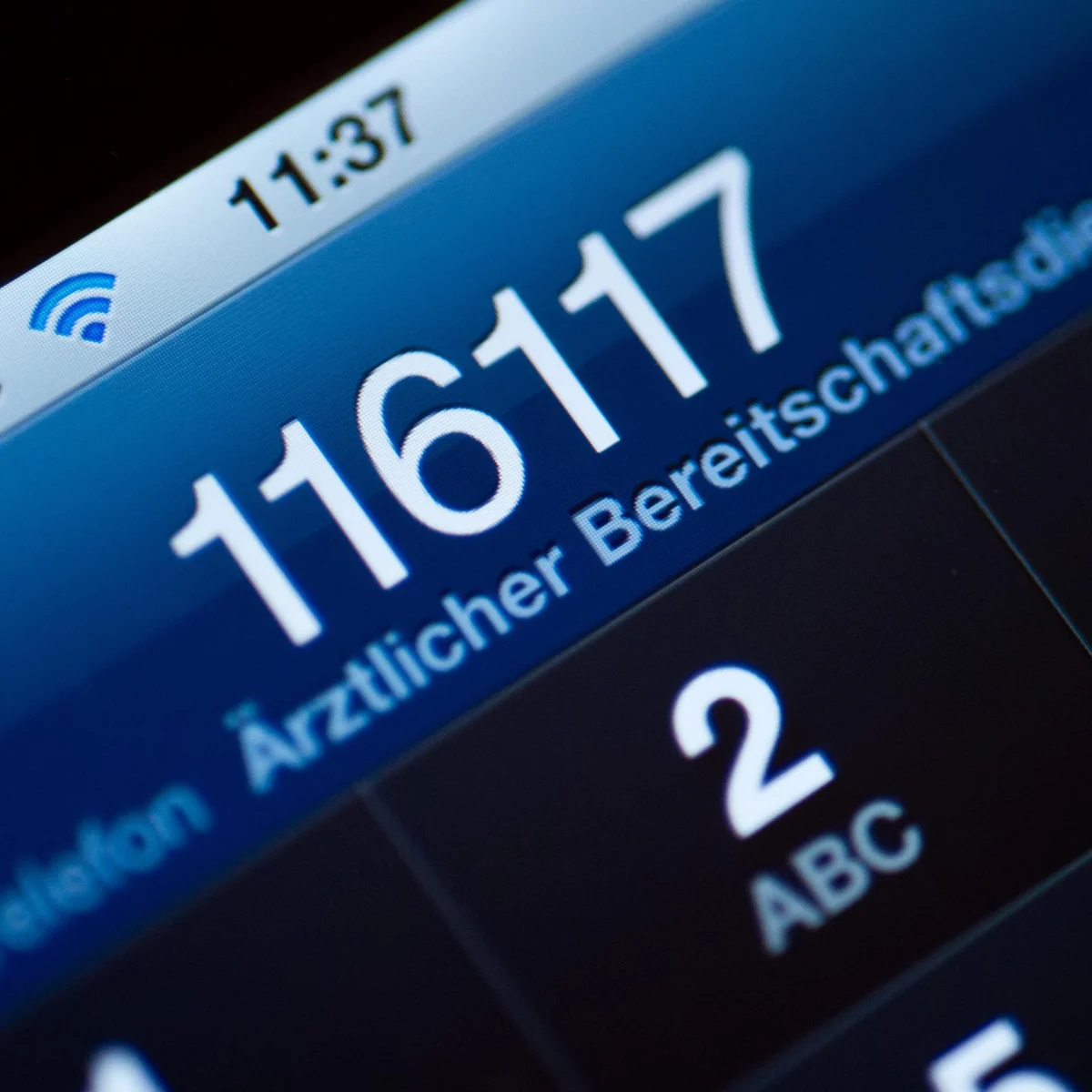
Frankfurt am Main, Hessen – October 27, 2026 – The Kassenärztliche Vereinigung Hessen (KV Hessen) has issued an urgent and far-reaching warning to the public regarding a new wave of highly deceptive phone scams. These fraudulent calls specifically target patients, manipulating caller ID systems to display legitimate and trusted healthcare numbers, such as the national patient service hotline 116117. The scammers then attempt to extract sensitive personal and financial data, including bank account information, under the guise of being medical professionals or emergency service personnel.
This alarming development underscores a growing threat to public trust in vital healthcare infrastructure and highlights the sophisticated tactics employed by cybercriminals. Authorities are urging residents to exercise extreme caution and vigilance, emphasizing that legitimate healthcare services will never request sensitive financial details over the phone.
Main Facts: Urgent Warning Against Sophisticated Phone Scams Targeting Healthcare Patients
The core of this new scam lies in its sophisticated impersonation technique, leveraging technology to exploit trust in established medical services. The KV Hessen’s warning, disseminated through a recent press release, details how perpetrators are using caller ID spoofing to mask their true identities, presenting themselves as representatives of the patient service hotline 116117, doctors, or even emergency medical personnel. This tactic is particularly insidious as it preys on individuals’ inherent trust in healthcare providers and their potential vulnerability when seeking medical assistance.
The Core Threat: Impersonation and Data Theft
At the heart of this fraudulent scheme is the calculated act of impersonation. Scammers adopt personas that command immediate authority and trust within the healthcare domain, presenting themselves as bona fide medical practitioners or administrative staff from the patient service. Their primary objective is the illicit acquisition of sensitive personal data. While the KV Hessen explicitly mentioned bank information, the scope of data sought by such criminals often extends to other highly valuable details, including health insurance policy numbers, personal identification details, dates of birth, and even specific health conditions. This information can then be used for various illicit activities, ranging from direct financial fraud and identity theft to selling data on the dark web, potentially compromising victims’ financial security and personal privacy for years to come. The psychological manipulation involved is significant; patients, especially those who are elderly, unwell, or anxious about their health, are often less guarded and more susceptible to these coercive tactics.
The Modus Operandi: Spoofing Trusted Healthcare Numbers
The defining characteristic of this particular scam is the use of "caller ID spoofing." This technical manipulation allows fraudsters to deliberately falsify the information transmitted to a recipient’s caller ID display, making it appear as though the call originates from a legitimate and recognized source. In this instance, the scammers are specifically mimicking the 116117 number, which is the direct line for the nationwide medical on-call service (Ärztlicher Bereitschaftsdienst) in Germany. This service provides non-emergency medical assistance outside of regular doctor’s office hours, making it a critical point of contact for countless citizens. By displaying this familiar and trusted number, the criminals bypass initial skepticism, increasing the likelihood that their calls will be answered and that their fabricated narratives will be believed. The sophistication of this method makes it incredibly challenging for the average person to discern a fraudulent call from a genuine one based solely on the displayed number.
The Explicit Warning from KV Hessen
The Kassenärztliche Vereinigung Hessen, a statutory body responsible for ensuring outpatient medical care for all insured individuals in the state, has unequivocally condemned these fraudulent activities. Its official statement serves as a critical public service announcement, drawing a clear line regarding the operational protocols of legitimate healthcare services. KV Hessen explicitly clarified that "employees of the patient service will at no time request bank or payment details." This statement is fundamental, establishing an immutable principle that should serve as a red flag for anyone receiving such a request. The warning extends beyond mere caution, providing actionable advice: individuals receiving calls that fit this description are strongly advised not to engage, to hang up immediately, or, if possible, to avoid answering altogether. This proactive communication from a respected healthcare authority is crucial in empowering the public to protect themselves against these predatory schemes.
Chronology of the Scam and Official Response
While the specific date of the KV Hessen’s warning is October 27, 2026, the emergence of such sophisticated phone scams is part of a broader, evolving landscape of digital fraud. The timing of this specific alert suggests a recent surge in reported incidents within Hessen, necessitating an immediate public address by the responsible medical body.
Initial Reports and Growing Concerns
The nature of phone scams means they often begin subtly, with isolated incidents reported to authorities or healthcare providers. It is highly probable that the KV Hessen’s warning was triggered by an increasing number of complaints from patients who had either been targeted or fallen victim to these fraudulent calls. These initial reports would have described callers impersonating medical staff or patient service representatives and, critically, requesting sensitive financial information. The consistency of these reports, particularly the spoofing of the 116117 number, would have signaled a coordinated and systematic attempt by fraudsters, prompting an urgent internal assessment by KV Hessen on the scope and potential impact of the threat. The aggregation of these individual experiences forms the basis for a broader public health warning.
The KV Hessen’s Proactive Stance
Upon identifying the pattern and severity of the threat, the KV Hessen demonstrated a proactive commitment to patient safety and public information. Their decision to issue a direct press release on October 27, 2026, underscores the urgency and seriousness with which they view these scams. This rapid response is critical in mitigating potential harm, as timely warnings can prevent many individuals from becoming victims. The press release serves not only to inform but also to educate the public on the specific tactics being used by the scammers, empowering individuals with the knowledge to identify and reject fraudulent calls. This official communication also reinforces the legitimate operational boundaries of the patient service, clearly delineating what callers should and should not expect from genuine interactions with healthcare providers.
Evolution of Scams in the Digital Age
The current scam targeting Hessen’s residents is not an isolated phenomenon but rather an evolution of long-standing fraudulent practices adapted for the digital age. Historically, scams relied on simple deceit and often direct mail. With the advent of telecommunications and the internet, fraudsters have continually refined their methods. "Vishing" (voice phishing) has become increasingly prevalent, using phone calls to trick individuals into revealing personal information. Caller ID spoofing represents a significant leap in sophistication, as it leverages technology to undermine one of the few readily available verification mechanisms for phone calls. This progression highlights the constant arms race between cybercriminals seeking to exploit vulnerabilities and authorities striving to protect citizens. As technology advances, so too do the methods of those who seek to misuse it for malicious purposes, making continuous public education and robust cybersecurity measures more vital than ever.
Supporting Data and Context: The Broader Landscape of Healthcare Fraud
To fully grasp the gravity of the KV Hessen’s warning, it’s essential to understand the broader context of healthcare fraud and the specific vulnerabilities that make medical services a prime target for criminals. This scam is not merely an isolated incident but a symptom of a larger, global challenge.
Vulnerability of Healthcare Systems and Patients
Healthcare systems, by their very nature, handle an immense volume of highly sensitive personal and financial data. Patients, particularly those who are elderly, ill, or in vulnerable emotional states, often approach interactions with medical professionals with a high degree of trust and urgency. This inherent trust, combined with a potential lack of digital literacy or awareness of evolving scam tactics, makes them particularly susceptible to sophisticated social engineering attacks like the one described by KV Hessen. Furthermore, the fragmented nature of healthcare information systems, with various providers, insurers, and administrative bodies, can create perceived opportunities for fraudsters to insert themselves into communication chains. The reliance on telecommunication for appointments, inquiries, and follow-ups also opens avenues for vishing attacks.
The Significance of the 116117 Patientenservice
The 116117 patient service hotline is a cornerstone of Germany’s healthcare infrastructure. It serves as a crucial point of contact for individuals seeking medical advice or needing to find an on-call doctor outside of regular practice hours, effectively bridging the gap between non-emergency medical needs and full-blown emergency services (112). Its widespread recognition and critical function make it an ideal target for spoofing. When a scammer successfully impersonates this number, they immediately gain a veneer of legitimacy that disarms many potential victims. The service is designed to be accessible and reassuring, qualities that criminals exploit to their advantage, turning a trusted lifeline into a potential trap. Any erosion of trust in this vital service due to scams could have serious implications for patient access to care.
Why Healthcare Data is a Prime Target for Criminals
Healthcare data is considered "gold" on the black market, often fetching higher prices than credit card numbers. This is because a comprehensive health record contains a wealth of personally identifiable information (PII) – names, addresses, dates of birth, social security numbers (or their equivalents), insurance details, and medical histories. This rich dataset allows criminals to commit a multitude of crimes:
- Identity Theft: Using stolen identities to open credit accounts, obtain loans, or claim benefits.
- Medical Fraud: Filing false claims with insurance companies, obtaining prescription drugs, or receiving medical services under someone else’s identity.
- Financial Fraud: Direct access to bank accounts or using information for phishing/vishing attacks.
- Extortion: Threatening to release sensitive health information unless a ransom is paid.
The long-term nature of medical records also means that a breach can have consequences for decades, unlike a compromised credit card which can be quickly cancelled. This high value makes healthcare organizations and patients constant targets for cyberattacks and social engineering schemes.
Statistical Overview of Phishing and Vishing Scams
While specific statistics for this particular scam in Hessen might not yet be publicly available, the broader landscape of phishing and vishing scams paints a stark picture of the pervasive threat. Globally, and within Germany, these types of scams are among the most common forms of cybercrime.
- High Incidence: Reports from national cybersecurity agencies consistently show that phishing (including vishing) attempts are in the millions annually, with a significant percentage successfully tricking victims.
- Financial Impact: Billions of euros are lost worldwide each year due to such scams, affecting individuals, businesses, and government entities.
- Growing Sophistication: Fraudsters continuously adapt their methods, incorporating AI-powered voice synthesis, deepfake technology, and highly personalized social engineering techniques, making detection increasingly difficult.
- Vulnerability of Specific Demographics: Studies often highlight that elderly populations are disproportionately targeted and affected by phone scams, often due to less familiarity with digital threats and a greater tendency to trust callers.
The KV Hessen’s warning is thus not an isolated event but a local manifestation of a global cybersecurity challenge that demands constant vigilance and education.
Official Responses and Preventative Measures
The response to such sophisticated scams requires a multi-faceted approach, combining clear official directives, public education, and collaboration among various stakeholders. The KV Hessen’s warning is a crucial first step, but it must be complemented by broader efforts.
The Unwavering Stance of the Kassenärztliche Vereinigung Hessen
The Kassenärztliche Vereinigung Hessen has taken an unambiguous stance against these fraudulent activities. By unequivocally stating that "employees of the patient service will at no time request bank or payment details," they have established a clear and simple rule for the public. This clarity is paramount in a complex digital environment. Their communication strategy extends beyond merely issuing a warning; it aims to re-educate the public on the legitimate operational boundaries of healthcare interactions. This includes reinforcing that medical billing and administrative processes for co-payments or services typically follow established, secure channels, and do not involve unsolicited phone calls demanding immediate financial information. Their proactive dissemination of this information via press releases and potentially through their member physicians’ practices is vital for reaching a broad audience.
Recommendations for the Public: How to Protect Yourself
The KV Hessen’s advice is straightforward and effective:
- Do Not Answer Unknown Numbers: If the number is unfamiliar, consider letting it go to voicemail. Legitimate callers will leave a message.
- Hang Up Immediately: If a caller asks for sensitive personal or financial information (especially bank details, credit card numbers, or social security numbers), or pressures you for immediate action, terminate the call without hesitation.
- Verify Independently: If you are unsure about the legitimacy of a call, hang up and call back the institution using an officially published number (e.g., from their official website, a physical document, or a trusted directory). Do not use a number provided by the suspicious caller. For the 116117 service, always dial 116117 directly.
- Never Share Sensitive Information: Absolutely refrain from providing bank details, passwords, health insurance numbers, or any other private information over an unsolicited call.
- Report Incidents: Document the date, time, and details of the call and report it to the police (local authorities), the consumer protection agency, and potentially to KV Hessen itself, to help them track the scam.
The Role of Law Enforcement and Regulatory Bodies
Combating these scams is not solely the responsibility of healthcare providers. Law enforcement agencies, including the police and state criminal offices, play a critical role in investigating and prosecuting these criminal networks. However, the transnational nature of many cybercrimes often complicates these efforts. Regulatory bodies, such as federal and state data protection commissioners, are also instrumental in ensuring that healthcare providers maintain robust cybersecurity measures and that patient data is protected. Consumer protection agencies offer advice and support to victims and can coordinate broader awareness campaigns. The combined efforts of these entities are essential for creating a deterrent effect and bringing perpetrators to justice, though the sheer volume and adaptability of scams pose ongoing challenges.
Collaborative Efforts in Combating Cybercrime
Effective countermeasures against sophisticated cybercrime, particularly those targeting critical sectors like healthcare, necessitate robust collaboration. This involves:
- Information Sharing: Regular exchange of threat intelligence between healthcare providers, cybersecurity firms, law enforcement, and government agencies.
- Public-Private Partnerships: Joint initiatives to develop and implement anti-spoofing technologies, secure communication channels, and enhance digital literacy.
- International Cooperation: Since many scam operations originate from outside national borders, international collaboration among law enforcement agencies is vital for identifying and dismantling these criminal enterprises.
- Continuous Education: Ongoing public awareness campaigns, delivered through various channels (media, healthcare providers, community centers), are crucial to keep citizens informed about the latest scam tactics and protective measures.
Implications: Beyond Financial Loss – Erosion of Trust and Systemic Risks
The repercussions of these fraudulent phone calls extend far beyond the immediate financial losses suffered by individual victims. They threaten to undermine the very foundations of trust upon which the healthcare system operates and pose significant systemic risks.
Impact on Patient Trust and Healthcare Access
One of the most insidious consequences of these scams is the erosion of public trust in legitimate healthcare services. When patients receive calls that appear to be from the 116117 service but turn out to be fraudulent, it creates a climate of suspicion. Individuals may become hesitant to answer calls from unknown numbers, or even legitimate calls from their doctors or the patient service, fearing they are being targeted by scammers. This reluctance could delay access to critical medical advice or treatment, especially in non-emergency situations where the 116117 service is designed to provide timely guidance. The psychological impact on victims, who often feel violated and foolish, can also lead to disengagement from digital communication channels, further isolating them from important health information.
The Strain on Healthcare Providers and Administrative Resources
The KV Hessen and its member physicians are already under significant operational pressure. Dealing with the aftermath of these scams adds another layer of administrative burden. This includes:
- Responding to Inquiries: Patients calling to verify the legitimacy of calls they received.
- Public Relations: Managing negative perceptions and reassuring the public.
- Internal Investigations: Potentially investigating if any internal systems were compromised (though in spoofing cases, the breach is external).
- Developing Countermeasures: Investing resources in public awareness campaigns and possibly technical solutions to mitigate spoofing, though this is often difficult to implement on a large scale.
These diversions of resources detract from the primary mission of providing medical care and supporting healthcare professionals, indirectly impacting the efficiency and effectiveness of the entire system.
Long-Term Consequences for Public Health Information Systems
The success of such scams can also highlight broader vulnerabilities in public health information systems and the digital infrastructure that supports them. While caller ID spoofing often exploits weaknesses in the telecommunications network rather than directly hacking healthcare databases, it underscores the need for continuous vigilance in all aspects of digital communication. If public trust in digital interactions with healthcare providers diminishes, it could impede the adoption of beneficial digital health initiatives, such as online patient portals, telehealth services, and electronic health records, which rely on user confidence in their security and legitimacy. This could slow down modernization efforts and hinder the ability to deliver more efficient and accessible care in the future.
The Need for Enhanced Digital Literacy and Cybersecurity Awareness
The KV Hessen’s warning implicitly underscores a critical societal need: enhanced digital literacy and cybersecurity awareness among the general population. Many individuals, particularly older demographics, may not fully understand the technical mechanisms behind caller ID spoofing or the sophisticated social engineering tactics employed by fraudsters. There is a pressing need for ongoing educational initiatives that are accessible, clear, and specifically tailored to address emerging threats. This education should not only focus on what to do but also on understanding why these scams work and how to develop a healthy skepticism towards unsolicited requests for sensitive information, regardless of the apparent source. Empowering citizens with this knowledge is a long-term investment in public safety and digital resilience.
Conclusion: A Collective Responsibility for Digital Safety
The fraudulent phone calls targeting healthcare patients in Hessen serve as a stark reminder of the persistent and evolving threat posed by cybercriminals. The Kassenärztliche Vereinigung Hessen’s timely warning on October 27, 2026, is a critical intervention, providing essential guidance to protect residents from financial exploitation and identity theft.
However, the responsibility for combating these sophisticated scams extends beyond official warnings. It is a collective endeavor that requires sustained vigilance from individuals, proactive measures from healthcare institutions, robust enforcement by law enforcement, and continuous educational initiatives from government and consumer protection agencies. As technology continues to advance, so too will the methods of those who seek to exploit it for malicious gain. Therefore, fostering a culture of digital literacy, skepticism towards unsolicited requests, and prompt reporting of suspicious activities is paramount. Only through such concerted and collaborative efforts can we hope to safeguard the integrity of our vital healthcare services and protect the trust and well-being of the public in an increasingly complex digital world.