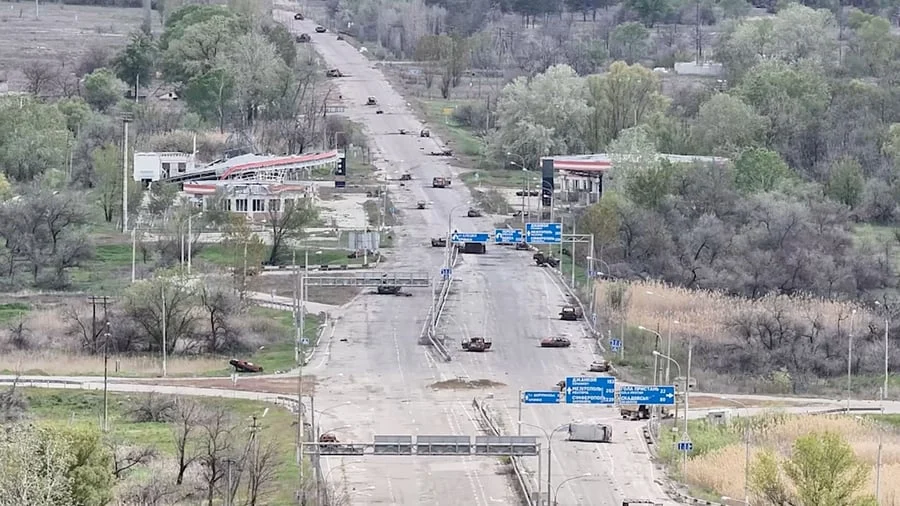
Kyiv, Ukraine – A localized humanitarian ceasefire has officially commenced in the Russian-occupied city of Oleschky, a rare moment of de-escalation confirmed by both Ukrainian and Russian authorities. This development, aimed at facilitating crucial aid deliveries and establishing safe passage for residents, unfolds against a backdrop of intensified Russian missile and drone assaults across Ukraine, including a significant strike on a vital bridge in Kyiv. Concurrently, international efforts to bolster Ukraine’s defenses ahead of winter are gaining momentum, even as diplomatic and logistical challenges persist.
The fragile truce in Oleschky serves as a stark reminder of the dire humanitarian conditions in territories close to the front lines, where residents face acute shortages and the constant threat of conflict. Meanwhile, the broader conflict rages on, characterized by devastating attacks on Ukrainian cities, targeted Ukrainian strikes on Russian military and industrial infrastructure, and complex geopolitical maneuvering among international allies.
Main Facts: A War of Attrition and Humanitarian Plea
The current phase of the conflict is marked by several critical developments:
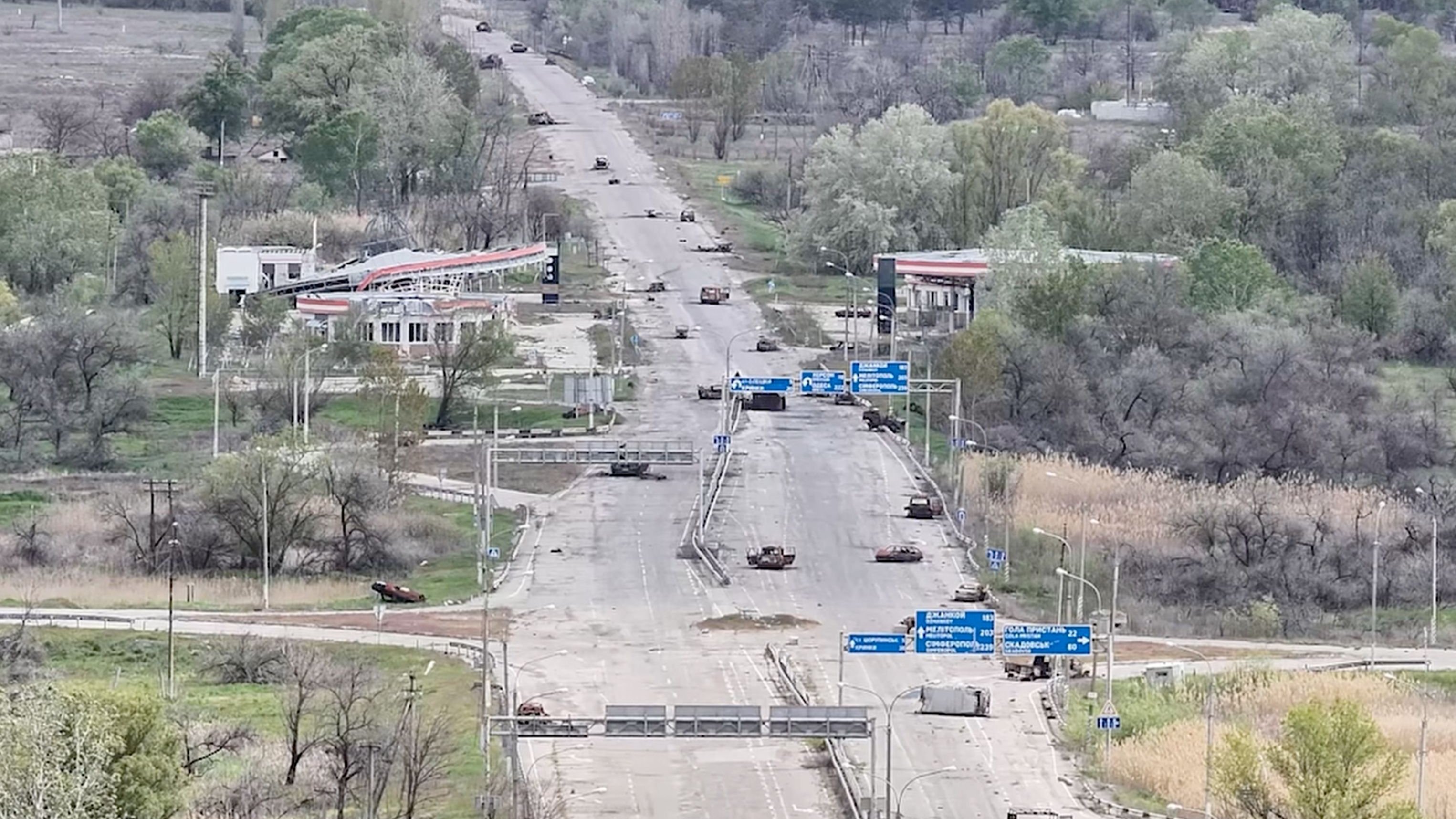
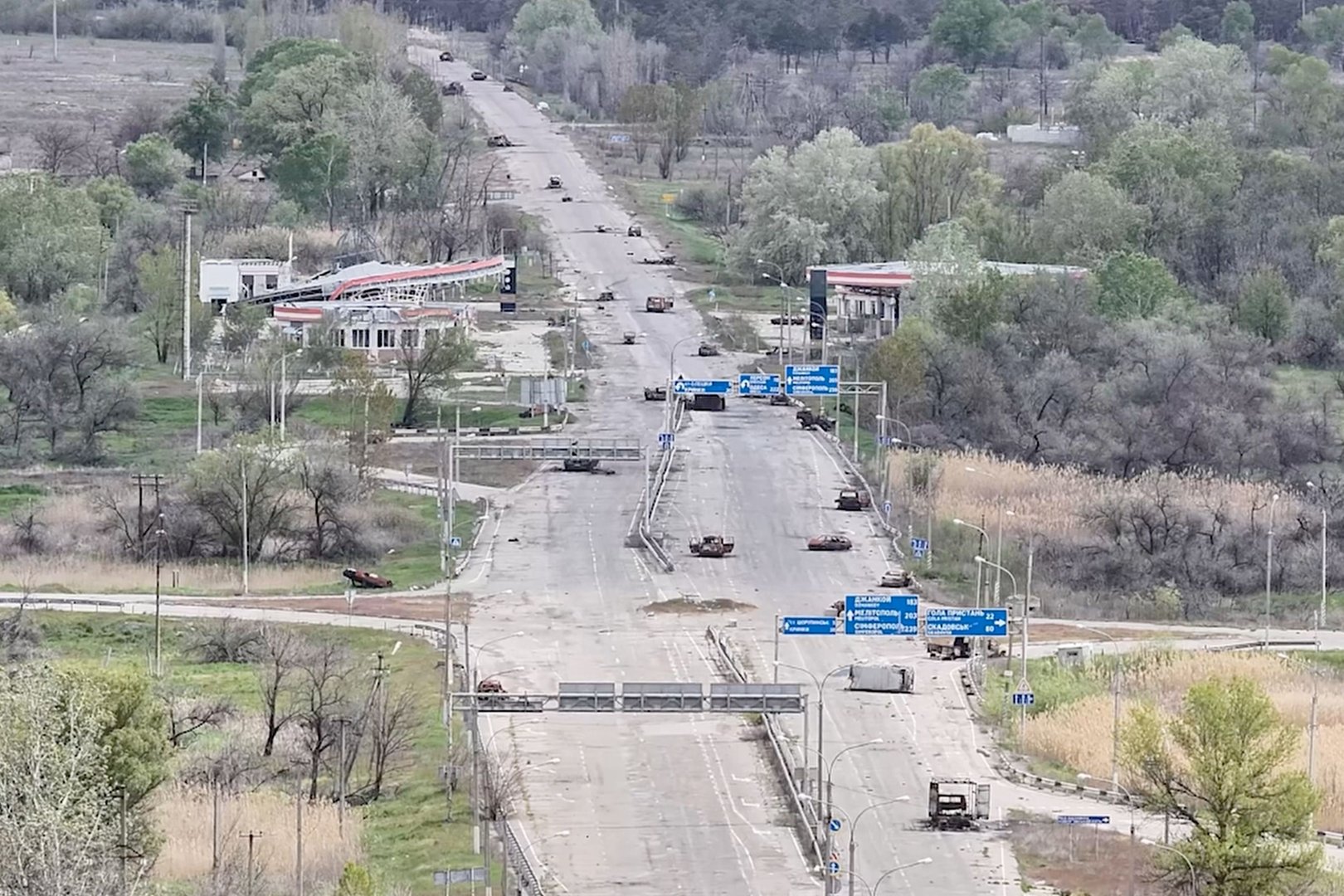
- Oleschky Ceasefire: A humanitarian ceasefire in the Russian-occupied city of Oleschky has been confirmed by both Russia and Ukraine. This agreement aims to allow the delivery of essential food and medical supplies to the beleaguered population and to clear mines to create safe corridors. The city, completely riddled with mines, has approximately 2,000 remaining residents, whose freedom of movement remains uncertain.
- Intensified Russian Attacks on Ukraine: Russia has launched a barrage of missile and drone attacks across multiple Ukrainian regions. Notably, Kyiv experienced a significant strike on its Southern Bridge, a critical artery over the Dnipro River. Other major cities like Kharkiv, Zaporizhzhia, and Khmelnytskyi have also been hit, resulting in casualties and damage to civilian infrastructure, including power plants and residential areas. Ukrainian President Volodymyr Zelenskyy reported nearly 2,300 combat drones, 1,600 guided aerial bombs, and 48 various missiles in one week alone.
- Ukrainian Counter-Strikes: Ukraine has responded with its own drone attacks and reported missile strikes deep within Russian territory. A significant claim involves an attack on the Energija factory in Yelets, Lipetsk region, reportedly a production site for Iskander missile components. Russian regions such as Belgorod and Voronezh have also faced drone assaults, leading to casualties and infrastructure damage, including a train hit by drone debris.
- International Support and Divisions: The five most militarily powerful European NATO members (France, Germany, Italy, Poland, and Great Britain – the "E5 states") are coordinating efforts to provide Ukraine with "winter packages" of air defense systems and other critical equipment. However, dissenting voices emerge, with Italy’s Deputy Prime Minister Matteo Salvini advocating against further financial and military aid to Ukraine. The Slovak Foreign Minister’s visit to Moscow also sparked controversy, highlighting internal European divisions.
- Diplomatic Standoff and Future Talks: Despite ongoing hostilities, a meeting between representatives of Russia, Ukraine, and the USA is planned for the coming month in Abu Dhabi or Switzerland. Ukrainian President Zelenskyy expresses hope for these talks to pave the way for a high-level summit with US President Donald Trump and Russian President Vladimir Putin, though Putin has consistently refused direct talks with Zelenskyy. Russia, however, has stated that these talks will not entail any restrictions on its military operations.
- Technological and Logistical Challenges: Ukraine continues to grapple with delays in the delivery of critical air defense missiles from the US. A temporary disruption to SpaceX’s Starshield satellite internet service, vital for missile attack warnings, was reported but later restored. Furthermore, a dispute arose with Elon Musk over Ukraine’s alleged misuse of Starlink for offensive drone attacks. Germany faces calls to take action against Russia’s "shadow fleet" of tankers and cargo ships in its waters, which are used to circumvent sanctions.
Chronology of Events: A Week of Intense Fighting and Shifting Diplomacy
The past week has seen a rapid succession of events, illustrating the relentless nature of the conflict and the complex interplay of military action and diplomatic efforts.

Early Week Developments (Leading up to Monday/Tuesday):
- Intensified Russian Air Campaign (Past Week): President Zelenskyy revealed that Russia launched approximately 2,300 combat drones, 1,600 guided aerial bombs, and 48 missiles of various types, including ballistic missiles, against Ukrainian targets within the preceding week. These attacks targeted nine regions, damaging power plants, grain storage facilities, residential buildings, and commercial areas, causing daily casualties.
- Starlink Controversy: Over the weekend, Tech billionaire Elon Musk accused Ukraine of violating Starlink’s terms of service by using the satellite internet system for "offensive drone attacks to kill people." He claimed this "loophole" was closed last week. Ukraine’s presidential advisor Serhiy Beskrestnov refuted these claims, stating that the civilian version of Starlink has always had restrictions against offensive use, making Musk’s ignorance "strange."
- Cross-Border Strikes (Sunday): Russian attacks on Ukraine’s Dnipropetrovsk region resulted in four deaths and over a dozen injuries from drones and an aerial bomb. Simultaneously, Ukrainian drone attacks on the Russian regional capital of Belgorod killed two people and injured 13, highlighting the reciprocal nature of the cross-border strikes.
- E5 Nations Convene (Monday): Defense Ministers from France, Germany, Italy, Poland, and Great Britain met in Paris. The agenda focused on supporting Ukraine, particularly with "winter packages" of air defense systems and equipment, and discussing broader European defense strategies and the Middle East conflict. The Ukrainian Defense Minister joined virtually.
- Black Sea Shipping Targeted (Monday): The Russian Ministry of Defense reported drone attacks on two cargo ships in the Black Sea, en route to Ukraine’s Chornomorsk and Odesa ports. Russia claimed these vessels were transporting military goods for the Ukrainian army.
- Italian Opposition to Aid (Monday): During a party congress, Italy’s Deputy Prime Minister Matteo Salvini secured re-election as Lega party leader, having campaigned on a promise to halt further money and weapon shipments to Ukraine, a stance met with applause from delegates.
- Iskander Factory Attack (Reported Monday): Ukrainian military sources, via the internet portal Exilenova, reported a strike on the Energija factory in Yelets, Lipetsk region, Russia, using Storm Shadow cruise missiles. The factory is believed to produce components for Iskander missiles. Russian state agencies confirmed Ukrainian attacks on the Lipetsk region, with Interfax reporting one dead and six injured in the Yelets industrial zone.
- Restored US Warnings (Monday): President Zelenskyy confirmed that US warnings regarding incoming ballistic missile attacks, crucial for Ukraine’s air defense, were fully restored. The satellite internet service Starshield by SpaceX, which provides these warnings, had experienced restrictions but was now operating at full capacity.
- Hopes for Negotiations (Monday): Zelenskyy expressed optimism about the upcoming November meeting involving Russia, Ukraine, and the USA, hoping for diplomatic progress and the potential for a tripartite summit with Trump and Putin. However, he acknowledged Putin’s consistent refusal to meet him directly.
- Russia’s Stance on Talks (Monday): Kremlin spokesman Dmitry Peskov stated that the planned negotiations for the coming month would not include any restrictions on military actions by Russia or Ukraine, indicating a continuation of hostilities regardless of diplomatic engagement.
- Oleschky Ceasefire Prelude (Prior to Tuesday): Russia had accused Ukraine of jeopardizing the planned Oleschky ceasefire by conducting 18 artillery shellings and over 120 drone attacks on the city since October 19, which Russia claimed prevented aid deliveries and evacuations. The US had announced the Tuesday ceasefire on Friday, and Russia’s presidential administration suggested it could be a precedent for similar agreements.
Mid-Week Developments (Monday/Tuesday, current reporting period):
- Moscow Drone Attack Thwarted (Monday): Russia’s FSB announced it had thwarted a Ukrainian drone attack targeting a critical element of Moscow’s air defense and a power facility. Two suspects from the South Caucasus, allegedly recruited by the Ukrainian SBU, were arrested while preparing the attack using FPV drones and explosives.
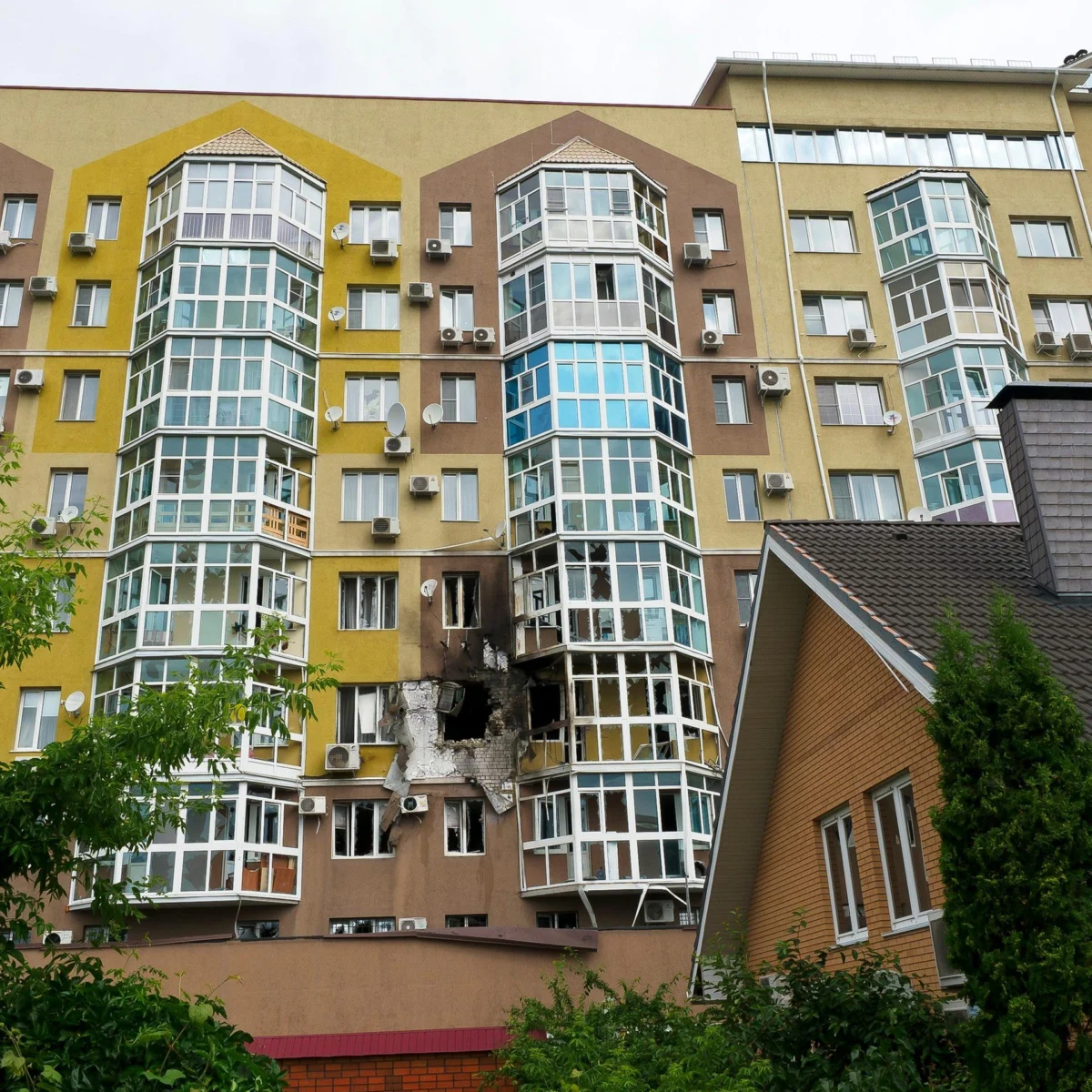
- Drone Debris Hits Train in Voronezh (Monday): Massive Ukrainian drone attacks in Russia’s Voronezh region resulted in at least two deaths and 17 injuries, with most casualties occurring on a train struck by drone debris. A total of 113 drones were reportedly shot down in the region.
- Severstal Plant Power Outage (Monday): A Ukrainian drone attack caused a partial power outage at the Severstal mining and processing plant in Russia’s Belgorod region. No injuries were reported, and operations were expected to resume after power restoration.
- Kyiv Missile Attacks (Monday Evening/Overnight): A Russian missile attack on Kyiv resulted in at least one fatality and numerous injuries. Mayor Vitali Klitschko reported hits on residential buildings and an ambulance, injuring two paramedics. Ukrainian air defense struggled against the ballistic missiles due to reported munition shortages, a weakness Russia exploits.
- Oleschky Ceasefire Commences (Tuesday Morning): Both Russia and Ukraine officially confirmed the start of the localized ceasefire in Oleschky. Humanitarian aid, including food and medicine, is expected to be delivered, and preparations are underway to clear mines and establish freedom of movement for the city’s approximately 2,000 remaining inhabitants.
- Kyiv Bridge Attack (Tuesday Morning): President Zelenskyy confirmed that Russia’s overnight attacks on Ukraine included a strike on the critical Southern Bridge in Kyiv, lamenting "tragic victims and hits." He specified that Russia employed 16 ballistic missiles and over 280 drones in these widespread assaults.
- E5 Nations Vow Winter Aid (Tuesday): Following their meeting, the E5 defense ministers reiterated their commitment to strengthening Ukraine militarily before winter. German Defense Minister Boris Pistorius highlighted the "winter packages" and efforts to develop an additional air defense system, accusing President Putin of "terror against the civilian population" by targeting energy and water infrastructure.
- Ukrainian Casualties in Russian Attacks (Overnight Monday/Tuesday): Overnight Russian attacks injured six people: four in Zaporizhzhia and two in Chernihiv. The Russian Ministry of Defense claimed to have hit a power plant in Kharkiv, a warehouse in the surrounding region, and another power plant in Khmelnytskyi.
Supporting Data: The Human and Material Cost
The raw numbers from the ongoing conflict paint a grim picture:
- Casualties:
- Kyiv: At least 1 killed, numerous injured (missile attack).
- Dnipropetrovsk region: 4 killed, over a dozen injured (drone/bomb attacks).
- Kharkiv: At least 2 killed, 4 injured (Russian attack).
- Zaporizhzhia: 4 injured (Russian attack).
- Chernihiv: 2 injured (Russian attack).
- Belgorod (Russia): 2 killed, 13 injured (heavy drone attacks).
- Voronezh (Russia): At least 2 killed, 17 injured (drone attacks, train hit).
- Yelets, Lipetsk region (Russia): At least 1 killed, 6 injured (reported Ukrainian attack).
- Weaponry:
- Russian forces: ~2,300 combat drones, ~1,600 guided aerial bombs, 48 various missiles (including ballistic) in one week. These attacks notably targeted Kyiv’s Southern Bridge, power plants in Kharkiv and Khmelnytskyi, grain storage, and residential areas.
- Ukrainian forces: FPV drones (used in thwarted Moscow attack, attacks on Belgorod/Voronezh), Storm Shadow cruise missiles (reportedly used against Energija factory).
- Targeted Infrastructure:
- Ukraine: Kyiv’s Southern Bridge, power plants (Kharkiv, Khmelnytskyi), grain storage, residential/commercial buildings, ambulance, cargo ships en route to Odesa and Chornomorsk ports.
- Russia: Severstal mining/processing plant (Belgorod), Energija factory (Yelets, Iskander missile components), Moscow air defense and power facility, railway infrastructure (Voronezh).
- Oleschky Specifics: The city remains "completely mined" and houses approximately 2,000 residents, underscoring the severe challenges for humanitarian operations.
Official Responses: A Mix of Resolve, Accusation, and Pragmatism
Ukrainian Leadership:
President Volodymyr Zelenskyy has consistently condemned the Russian attacks, particularly the strikes on civilian infrastructure and the Southern Bridge in Kyiv. He has reiterated urgent calls for Western allies to accelerate the delivery of interceptor missiles, emphasizing Ukraine’s critical need for robust air defense capabilities, especially ballistic missile interceptors. While expressing hope for the upcoming tripartite talks involving Russia, Ukraine, and the USA, Zelenskyy underscored that the ultimate goal is a high-level summit to address the core issues of the conflict. His administration also firmly rejected Elon Musk’s accusations regarding Starlink misuse, asserting adherence to usage terms. The rapid restoration of Starshield warnings was highlighted as crucial for national security.
Russian Authorities:
The Kremlin and the Ministry of Defense have confirmed the start of the Oleschky ceasefire, with Presidential Administration spokesperson Dmitry Peskov even suggesting it could serve as a "precedent" for similar agreements. However, Russia simultaneously accused Ukraine of jeopardizing the truce with prior attacks. Russian authorities reported thwarting a significant Ukrainian drone attack on Moscow’s air defense infrastructure, presenting it as a success for their security services. Peskov maintained that planned diplomatic talks would not lead to any cessation or restriction of military actions, indicating Moscow’s resolve to continue its campaign.
International Allies (E5 States):
The defense ministers of the E5 nations (France, Germany, Italy, Poland, UK) met in Paris, expressing strong solidarity with Ukraine. German Defense Minister Boris Pistorius emphasized the commitment to providing "winter packages" of air defense systems and other equipment, explicitly stating that these measures aim to protect Ukrainians from "terror against the civilian population" by Russia, which he believes will target energy and water supplies in a cold winter. The E5 also pledged to work with Ukraine on developing a new air defense system.

Divergent Voices:
Italian Deputy Prime Minister Matteo Salvini presented a strong stance against further aid to Ukraine, aligning with his party’s populist agenda. In Slovakia, Foreign Minister Juraj Blanar’s visit to Moscow, ostensibly for "economic necessities," drew sharp criticism from the domestic opposition, who labeled it an "international shame" and a "betrayal" of Slovak foreign policy, highlighting the internal political struggles within some EU member states regarding Russia. In Germany, Green Party politician Anton Hofreiter called for military action against Russia’s "shadow fleet" in German waters, arguing that Germany was not doing enough to counter sanction evasion.
Implications: A Protracted Conflict with Deepening Crises
The latest developments underscore several critical implications for the trajectory of the Ukraine war:
- Humanitarian Catastrophe in Occupied Territories: The localized ceasefire in Oleschky, while a glimmer of hope, casts a stark light on the severe humanitarian crisis gripping Russian-occupied areas. The extensive mining of the city and the precariousness of aid deliveries highlight the desperate need for more sustained and broader humanitarian corridors. The potential for Oleschky to serve as a "precedent" for other areas could be a significant development, but only if its implementation proves successful and genuinely leads to improved conditions and, critically, freedom of movement for civilians.
- Escalation and Civilian Resilience: Russia’s intensified aerial attacks, particularly with ballistic missiles and a vast number of drones, signal a renewed strategy to overwhelm Ukrainian air defenses and inflict maximum damage on civilian infrastructure, likely in anticipation of winter. This strategy aims to break the will of the Ukrainian people and cripple their economy. Ukraine’s ability to withstand these attacks, coupled with continued Western military aid, will be crucial for its resilience through the colder months.
- Shifting Battlefield Dynamics: Ukraine’s reported strikes on Russian industrial and military targets, such as the Iskander missile factory and Severstal plant, indicate an expanding operational reach and a strategy to degrade Russia’s war-making capabilities. These actions demonstrate Ukraine’s intent to disrupt Russia’s supply chains and retaliate for attacks on its own territory.
- Fragile International Consensus and Internal Divisions: While the E5 nations are uniting to provide crucial military aid, the dissenting voices of politicians like Italy’s Salvini and the controversy surrounding the Slovak Foreign Minister’s Moscow visit reveal cracks in the broader Western alliance. These internal divisions could complicate future coordinated responses and aid packages, potentially emboldening Russia. The call for German naval action against the "shadow fleet" also points to the ongoing challenges in enforcing sanctions and the need for more robust, unified action.
- Diplomatic Stalemate Continues: The planned tripartite talks, while a diplomatic channel, are unlikely to yield immediate breakthroughs given Russia’s clear stance that military operations will not be curtailed. President Putin’s continued refusal to meet Zelenskyy personally further illustrates the deep chasm that exists, suggesting that any significant peace agreement remains a distant prospect, likely requiring a dramatic shift in battlefield realities or geopolitical leverage. The focus on a high-level summit by Zelenskyy, therefore, remains aspirational rather than immediately achievable.
- The Weaponization of Technology and Information: The Starlink controversy underscores the dual-use nature of modern technology in warfare and the ethical dilemmas it presents. Furthermore, the constant flow of claims and counter-claims from both sides, often unverifiable, highlights the ongoing information war, where narratives are as crucial as battlefield gains. The restoration of Starshield warnings, however, emphasizes the critical role of technological support in Ukraine’s defense.
- The Looming Winter Offensive: The coordinated efforts of the E5 nations to deliver "winter packages" of air defense and equipment underscore the anticipation of Russia’s renewed focus on energy infrastructure destruction during the cold season. This preparation is vital to prevent a humanitarian catastrophe and maintain Ukraine’s operational capacity as temperatures drop, turning the winter into another critical front in this protracted conflict.