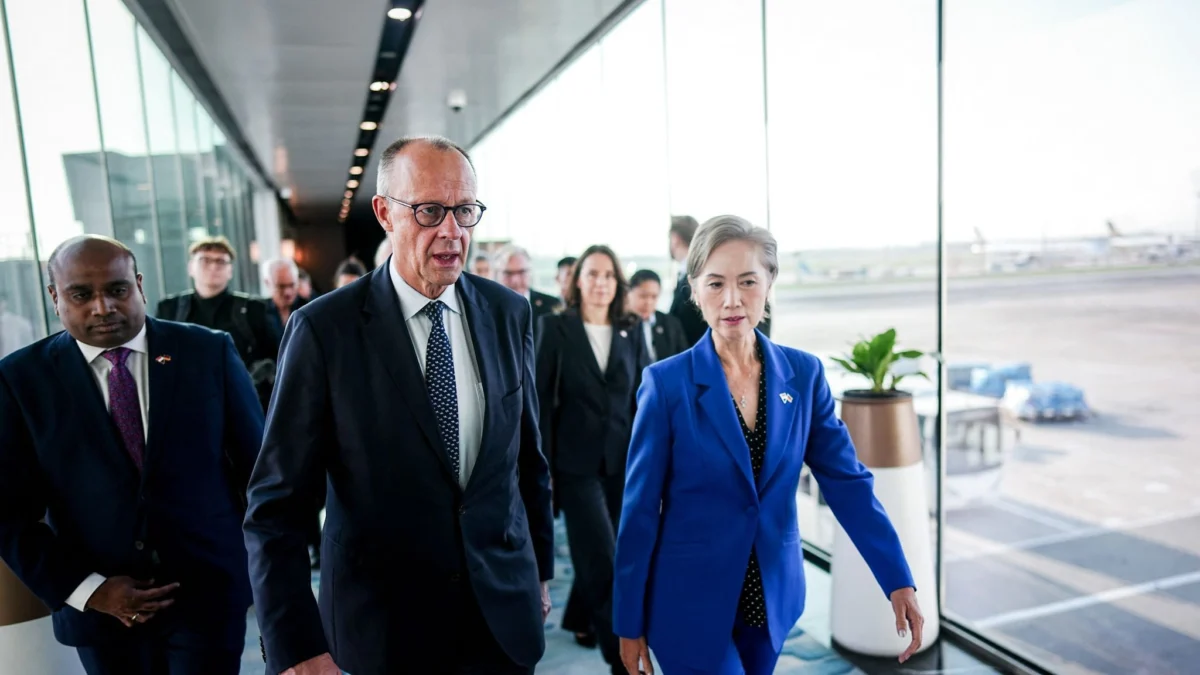
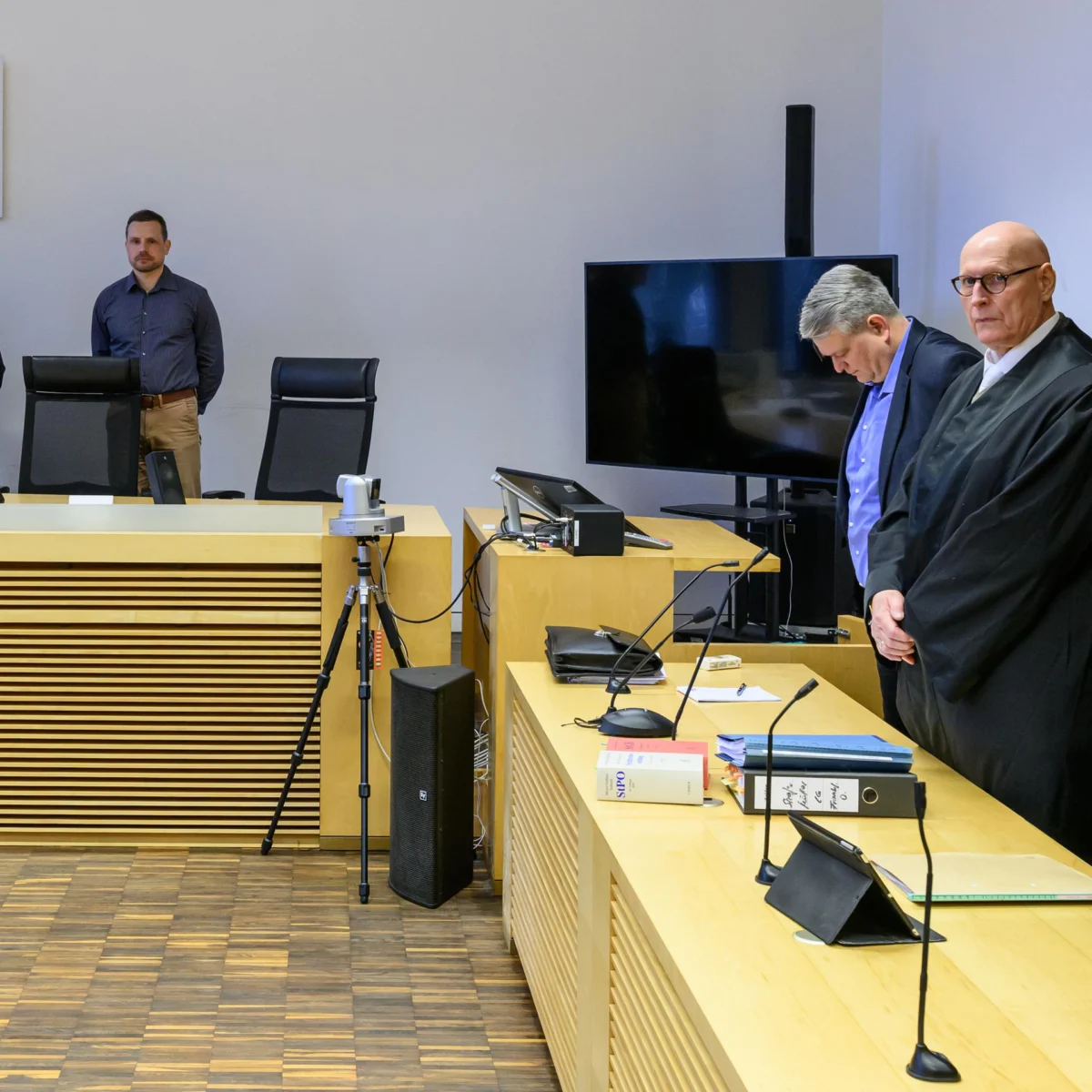
Berlin, Germany – October 27, 2026 – In a significant policy shift aimed at safeguarding Germany’s ambitious energy transition, Federal Minister of Economics Katherina Reiche (CDU) has announced a concession to several German states, agreeing to allow investors to return previously acquired offshore wind energy concessions. This move comes in response to an urgent warning from eight state premiers, who cautioned against a looming "disruption" in the expansion of offshore wind power, threatening thousands of jobs and billions in revenue.
The decision marks a pragmatic pivot for the CDU politician, who had previously indicated a firmer stance against such a possibility. It underscores the growing recognition within the government of the severe economic and technical challenges currently plaguing Germany’s offshore wind sector, a cornerstone of its "Energiewende" (energy transition) strategy. The goal, according to Reiche, is to prevent economic damage and ensure that the substantial awarded capacity eventually translates into operational wind farms, closing a critical gap that has emerged between auction bids and project realization.
The Looming Crisis: Stalled Ambitions and Dire Warnings
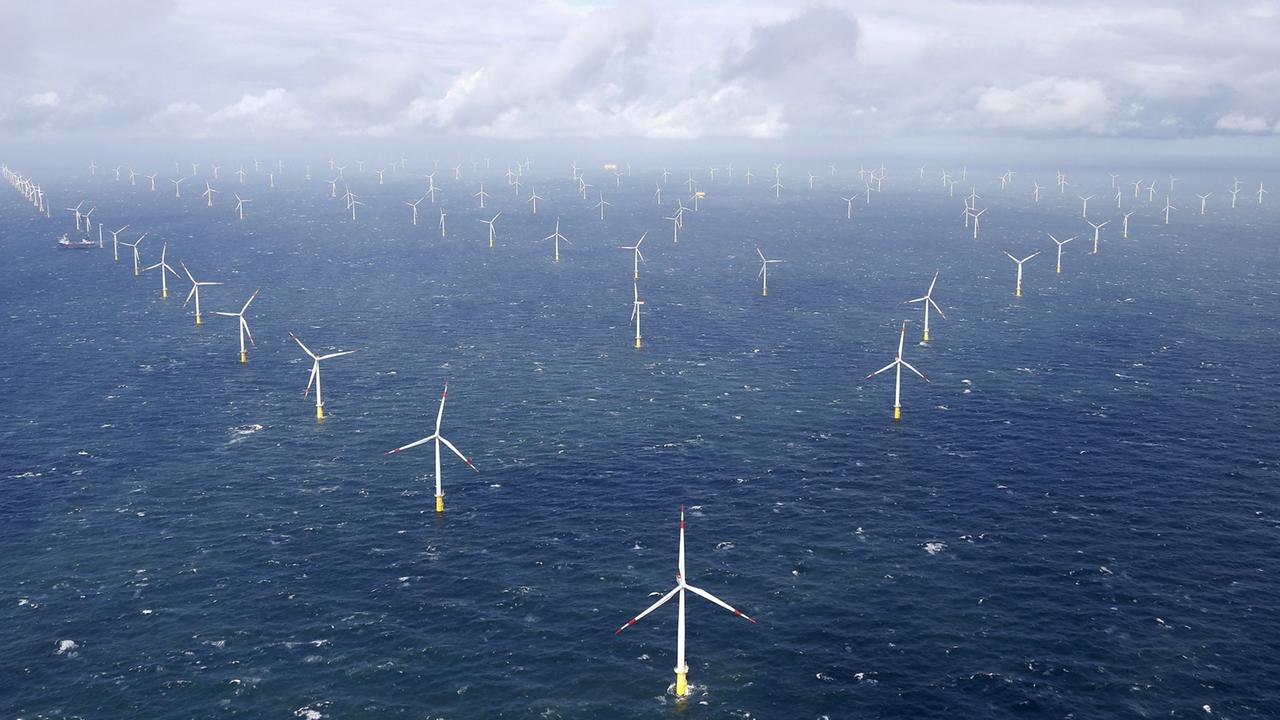
Germany has set ambitious targets for its offshore wind capacity, aiming for 30 gigawatts (GW) by 2030, 40 GW by 2035, and a staggering 70 GW by 2045. Offshore wind energy is considered indispensable for the nation’s energy security and climate goals, offering a stable, high-capacity source of renewable power that can significantly reduce reliance on fossil fuels. However, recent developments have cast a long shadow over these aspirations.
Minister Reiche openly acknowledged the systemic flaws that have led to the current predicament. "In the years 2023 and 2024, offshore wind areas for approximately 16 gigawatts were awarded," Reiche stated. "However, known economic and technical risks were not considered or ignored. The German offshore wind auction system had significant shortcomings." This oversight, she explained, created a substantial "gap between bid and realization," as many projects secured through these tenders now face insurmountable hurdles.
The challenges are multifaceted and reflect a broader global trend impacting large-scale infrastructure projects. Economically, the sector has been hit by rampant inflation, driving up the costs of raw materials like steel and copper, essential for turbine manufacturing and infrastructure development. Rising interest rates have made financing new projects significantly more expensive, impacting the viability of many bids that were submitted under different market conditions. Supply chain bottlenecks, exacerbated by geopolitical events and lingering effects of the pandemic, have further complicated project timelines and material procurement. Technically, delays in grid connection infrastructure, the availability of specialized installation vessels, and complex permitting processes have all contributed to projects stalling.
This confluence of factors has significantly diminished investor interest in new offshore wind tenders and has led to a re-evaluation of existing commitments. The German government, once a global leader in renewable energy, now finds itself in a precarious position, needing to balance investor confidence with the urgent demands of its climate agenda.
A Chronology of Mounting Pressure
The pressure on the federal government, and specifically on Minister Reiche, has been building for months. The climax arrived with an "urgent letter" (Brandbrief) dispatched by eight state premiers, representing a broad political spectrum and geographical diversity, to the Federal Ministry of Economics. The signatories included the heads of government from Lower Saxony, Bavaria, Hamburg, Mecklenburg-Vorpommern, Baden-Württemberg, Bremen, Saarland, and Schleswig-Holstein. This rare display of cross-party unity underscored the gravity of the situation and the widespread concern across Germany’s federal states.
The letter, widely reported in the German press, warned explicitly against "wrong regulatory and industrial policy decisions" that could lead to a "disruption" ("Fadenriss") in offshore wind energy expansion. Such a break, they argued, would constitute a severe industrial policy risk for Germany, with far-reaching consequences for the nation’s economic stability and its role as an industrial powerhouse.
The state premiers’ demands were clear and unequivocal: they called for a "one-off, clearly conditioned, and legally secure return option" for concessions that are no longer viable. Crucially, they insisted that these areas must then be "promptly re-tendered" to prevent them from blocking valuable sea space and grid capacities. The underlying concern was that projects held by companies unable or unwilling to proceed would tie up essential resources, hindering other, potentially viable projects from moving forward and thereby stifling the overall expansion.
This united front from the states highlighted the significant regional economic dependencies on the offshore wind sector, particularly in coastal areas. Ports, specialized manufacturing facilities, and a network of service providers have grown around the industry, creating thousands of jobs and significant local investment. The prospect of a "Fadenriss" was seen as a direct threat to these established economic ecosystems.
Reports, such as those concerning the French oil and gas giant TotalEnergies, further fueled these concerns. TotalEnergies had reportedly indicated an intention to return concessions for wind farm projects, citing delays in grid connection, escalating construction costs, persistent supply chain issues, and uncertain revenue prospects as primary reasons. Such high-profile cases served as concrete examples of the systemic problems the states were flagging.
The Dire Consequences: Data Underscores the Threat
The "urgent letter" from the state premiers was not merely a political statement; it was backed by stark figures illustrating the potential devastation if the current stalling trend continues. "How serious the situation is, current figures show," the letter stated. "If the expansion continues to stall, around 23,000 out of 49,000 jobs in the offshore wind industry could be lost in the coming four years, with revenue losses of approximately 24 billion euros."
These numbers paint a grim picture:
- Job Losses: The potential loss of nearly half the workforce in the offshore wind industry would have catastrophic effects, especially in regions that have invested heavily in developing specialized skills and infrastructure. This includes not only direct employment in turbine manufacturing and installation but also a vast network of ancillary services, from logistics and port operations to maintenance and engineering. Coastal states, in particular, would bear the brunt of this decline.
- Revenue Losses: A €24 billion shortfall in revenue would significantly impact the national economy, affecting tax income, investment, and Germany’s overall economic output. It would also undermine the financial viability of companies throughout the supply chain, potentially leading to bankruptcies and further job cuts.
- Industrial Policy Risk: Beyond the immediate economic impact, the "disruption" poses a profound industrial policy risk. Germany has long positioned itself as a leader in renewable energy technology and manufacturing. A significant slowdown in offshore wind could lead to a loss of expertise, a decline in domestic manufacturing capabilities, and a weakening of its competitive edge on the global stage. This could force Germany to rely more heavily on imported components and services in the future, undermining its strategic autonomy in a critical sector.
- Energy Security and Climate Goals: Ultimately, failing to meet offshore wind targets jeopardizes Germany’s broader energy transition and its international climate commitments. A slower pace of renewable expansion means a continued, or even increased, reliance on fossil fuels, with all the associated environmental and geopolitical risks. It could also make the transition more expensive in the long run, as the costs of decarbonization are simply deferred.
The letter also highlighted that "first suppliers are already cutting jobs," indicating that the crisis is not a distant threat but an immediate reality for many businesses and workers. "Entire offshore sites with their networks of industry, ports, and service providers are affected," the premiers warned, emphasizing the systemic nature of the problem.
Official Response: Minister Reiche’s Pragmatic Pivot
Minister Reiche’s announcement to the German Press Agency (dpa) signifies a crucial turning point. Her previous stance, embedded in the initial draft of the federal government’s reform bill, explicitly stated that "a unilateral return of awards is still not foreseen." Her concession, therefore, represents a significant shift in policy, driven by the undeniable realities of the market and the unified pressure from the states.
The core of Reiche’s revised approach is the willingness to enable an "ordered return and re-tendering" of concessions for projects deemed no longer economically viable. This mechanism aims to provide a controlled exit for struggling investors while simultaneously freeing up valuable areas and grid capacities for new, more realistic projects.
However, Reiche was quick to clarify that this does not amount to a blanket release from responsibility. Companies will not be "released from their financial obligations," she emphasized. This caveat is critical and likely implies that companies wishing to return concessions may still face penalties, forfeit bid bonds, or be subject to other financial disincentives. The exact nature of these obligations and the conditions for return will be crucial details to be hammered out in the legislative process. The intention is to avoid setting a precedent that would encourage frivolous bidding or allow companies to walk away from commitments without consequence, while still providing a pathway out for genuinely unviable projects.
"To close this gap is now our task," Reiche stated. "Our goal is that the sometimes unrealistic awards made at that time actually become wind farms." She reiterated the need to "avoid economic damage" and place projects on a "sustainable foundation." In a moment of candid reflection, she added, "That was neglected in earlier years." This acknowledgement signals a recognition of past policy missteps and a commitment to a more pragmatic and adaptive approach moving forward.
With this concession, Minister Reiche hopes to assuage the concerns of the states and secure the necessary political backing for her reform bill to pass through both the Bundestag (federal parliament) and the Bundesrat (representation of the federal states). The states’ approval in the Bundesrat is particularly vital, given their collective protest.
Broader Implications and Outlook
Minister Reiche’s pivot has profound implications for Germany’s energy transition, its industrial future, and the global renewable energy landscape.
For the Offshore Wind Industry:
The decision is likely to be met with cautious optimism by industry players. While the "financial obligations" clause introduces an element of uncertainty, the very possibility of returning unviable concessions offers a much-needed escape route. This could restore a degree of confidence among investors by signaling that the government is responsive to market realities. It might also lead to a more realistic pipeline of projects, with only those genuinely capable of realization moving forward. New tenders, freed from the burden of stalled projects, could attract investors with stronger financial footing and more robust development plans.
For Germany’s Energy Transition:
This policy adjustment is a critical step in preventing a major setback to Germany’s Energiewende. Had the government maintained its rigid stance, the "disruption" warned by the states could have severely derailed the country’s efforts to decarbonize its energy supply. By demonstrating flexibility, the government aims to keep the ambitious targets within reach, even if the path to achieving them proves more complex than initially envisioned. However, the sheer scale of the challenge – turning 16 GW of stalled capacity into operational wind farms – means continuous vigilance and adaptive policy will be essential.
Policy Lessons and Future Challenges:
The crisis in Germany’s offshore wind sector offers valuable lessons for other nations pursuing rapid renewable energy expansion. It highlights the crucial importance of designing auction systems that are not solely focused on the lowest bid but also incorporate robust risk assessments, flexibility clauses, and mechanisms to adapt to changing economic realities. Future policies will need to strike a delicate balance between incentivizing aggressive development and ensuring the long-term viability of projects.
Beyond the immediate issue of concession returns, Germany faces ongoing challenges:
- Speed of Re-tendering: How quickly can new tenders be issued and new projects initiated? Delays will continue to hamper progress.
- Legal Clarity: The "ordered return" process needs to be legally watertight to avoid further disputes and uncertainty.
- Global Headwinds: Ongoing inflation, interest rate fluctuations, and supply chain vulnerabilities will remain persistent challenges.
- Skilled Labor and Infrastructure: Securing a stable supply of skilled labor and ensuring adequate grid infrastructure development will be paramount to supporting renewed expansion.
In conclusion, Minister Reiche’s concession represents a pragmatic and necessary response to a looming crisis in Germany’s vital offshore wind sector. While it addresses a critical immediate concern, it also underscores the complex interplay of economic, technical, and political factors that shape large-scale energy transitions. The path forward for Germany’s offshore wind ambitions remains challenging, but this policy shift offers a renewed sense of direction and a glimmer of hope for the nation’s journey towards a sustainable and independent energy future.