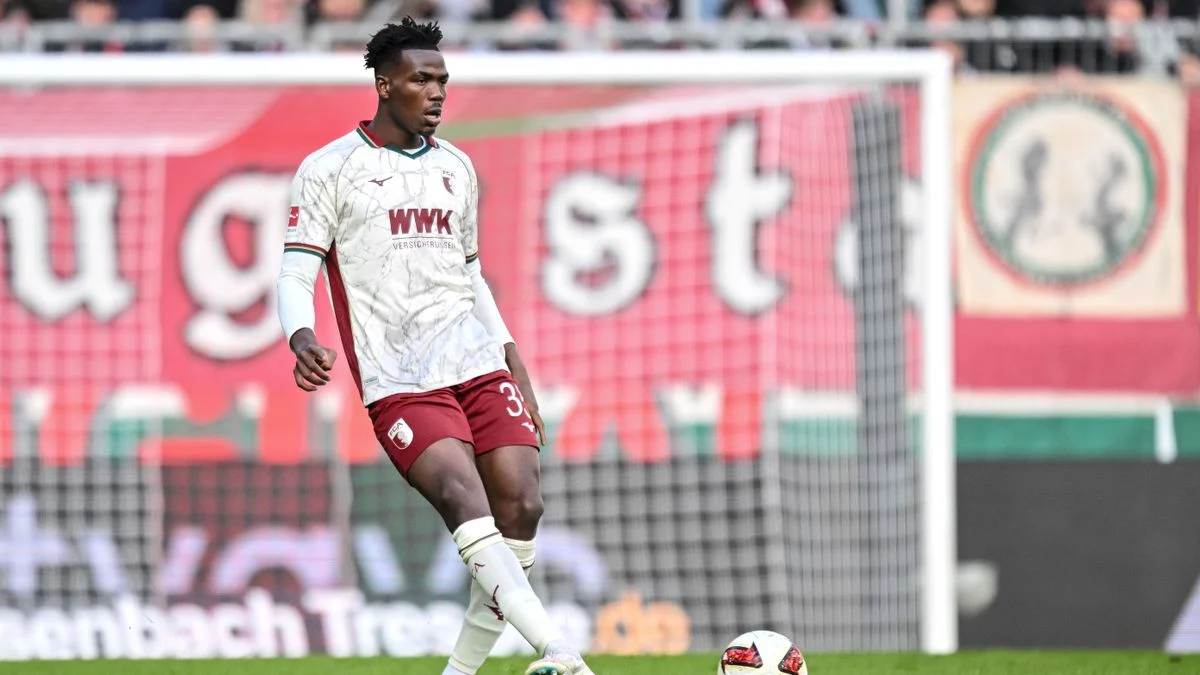
In the heart of Saxony, a new name has begun to resonate within the corridors of professional football. Ryan Naderi, a young talent born and raised in the historic city of Dresden, is currently capturing the attention of scouts, pundits, and fans alike. What began as a childhood dream on the local pitches of his hometown has rapidly evolved into a compelling narrative of dedication, specialized training, and undeniable natural ability. As Naderi maneuvers through the initial stages of a promising professional career, the local football community in Saxony watches with bated breath, witnessing the transformation of a neighborhood talent into a regional icon.
The Foundation: A Dresden Upbringing
Ryan Naderi’s journey is not one of overnight success but of incremental growth rooted in the fertile sporting culture of Dresden. Growing up in the Saxon capital, Naderi was exposed to a city with a rich, albeit complex, footballing history. Like many youngsters in the region, his early years were defined by long afternoons on the grass and the dream of donning the jersey of a top-flight club.
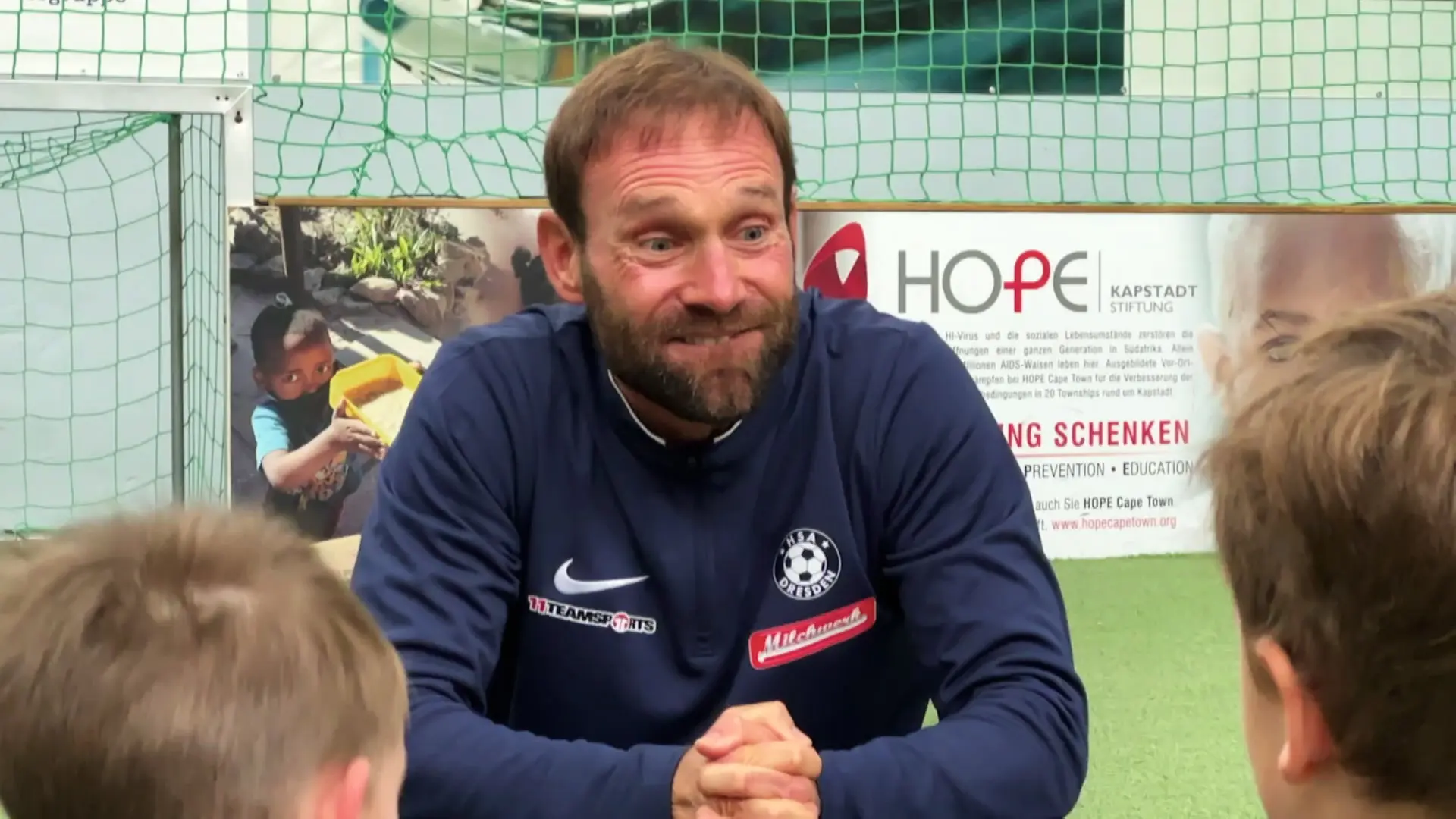
However, talent alone rarely guarantees a path to the professional ranks. It was in the football school of former professional player Peter Heidler where Naderi’s raw potential was first refined into a technical skillset. Heidler, who transitioned from the professional circuit to coaching the next generation, identified Naderi early on as a player possessing an exceptional "football IQ"—the ability to read the game, anticipate the movement of opponents, and make split-second decisions under pressure.
Chronology of a Rising Talent
While the specifics of his developmental path remain a subject of interest for local sports analysts, the timeline of Naderi’s rise can be traced through several critical phases:

- The Formative Years: Under the guidance of Peter Heidler, Naderi spent his childhood and early teenage years mastering the fundamentals. During this period, the focus was not merely on physical conditioning, but on tactical discipline and ball control.
- The Breakthrough: Transitioning from the local football school to organized club structures allowed Naderi to test his skills against more formidable competition. This phase served as the crucible for his development, forcing him to adapt to higher tempos and more physical styles of play.
- The Professional Transition: Entering the professional sphere requires more than skill; it demands a psychological shift. Naderi’s transition into competitive, high-stakes environments has been marked by his composure, a trait frequently highlighted by those who have coached him.
- The Current Horizon: Today, Naderi stands at a crossroads. With regional attention focused on his progress, he is currently navigating the transition from a "promising prospect" to an established performer. His recent performances have suggested that he is ready for the rigors of a full professional season.
Supporting Data: The Anatomy of a Prospect
To understand why Naderi is garnering such significant attention, one must look beyond the anecdotal praise and toward the metrics that define modern scouting. While the precise performance data remains proprietary to the clubs currently tracking him, scouts point to several key indicators that distinguish him from his peers.
Technical Versatility
One of the hallmarks of Naderi’s game is his versatility. In an era where tactical rigidity is often penalized, his ability to operate in multiple positions across the attacking third provides managers with much-needed tactical flexibility. Whether playing as a traditional forward or drifting into the wide channels to create space, Naderi demonstrates a sophisticated understanding of positional play.

Physicality and Stamina
Modern football is an increasingly athletic endeavor. Naderi’s conditioning, often attributed to the rigorous training regimens established during his time at the Heidler academy, allows him to maintain a high level of intensity for the duration of the match. His recovery time, his ability to press effectively in the final minutes, and his balance during physical challenges are all hallmarks of a player prepared for the professional level.
The "Heidler" Influence
The impact of Peter Heidler cannot be overstated. By focusing on the "cognitive" side of football—teaching Naderi to recognize patterns and make proactive rather than reactive movements—Heidler ensured that his pupil would not rely solely on pace or strength. This intellectual approach to the game has allowed Naderi to remain effective even when the physical battle is lost, as he often relies on superior positioning to bypass defenders.
Official Responses and Mentorship
The relationship between a mentor and a pupil is a cornerstone of the professional sports narrative. Peter Heidler continues to track Naderi’s progress with the keen eye of a seasoned veteran. In recent comments, Heidler emphasized that while the talent is evident, the path ahead remains difficult. "The jump to the professional level is where most talented players stumble," Heidler noted. "Ryan has the tools, but the mental fortitude to handle the scrutiny and the pressure of consistent performance is the final hurdle."
Local clubs and regional observers have also begun to weigh in. There is a palpable sense of pride in Dresden regarding Naderi’s trajectory. It is rare for a local product to bridge the gap from a neighborhood football school to the professional stage, and his success acts as a validation of the youth development infrastructure currently in place in Saxony.
Implications for Saxony’s Football Culture
The emergence of Ryan Naderi holds broader implications for football in the region. Saxony has long sought to solidify its reputation as a powerhouse for talent development. Naderi’s story serves as a case study for what is possible when early-stage grassroots coaching is aligned with a clear pathway to professionalism.
A Beacon for Future Generations
For the hundreds of children currently enrolled in football schools across Dresden and the surrounding areas, Naderi represents a tangible success story. He is proof that the path from a local academy to the professional ranks is not a myth, but a reality achievable through discipline and guidance. This inspiration is likely to drive higher engagement levels in local youth sports programs.
Economic and Sporting Impact
Should Naderi continue to ascend, the impact on local clubs could be significant. A successful professional player from the region brings not only prestige but also potential financial benefits, including transfer fees or sell-on clauses that could reinvest in the very infrastructure that birthed his career. Furthermore, his presence in the professional leagues would elevate the profile of Saxon football, potentially attracting greater investment and scouting attention to the region.
The Challenge of Expectations
However, the narrative of a "new star" also carries risks. The pressure to live up to public expectation can be overwhelming for a young athlete. The challenge for Naderi’s current support network will be to insulate him from the noise, allowing him to focus on the technical and tactical growth required to sustain a career at the top level. The media, while rightfully interested in his story, must balance the excitement of a new talent with the reality of the long, arduous road to true stardom.
Conclusion: The Long Road Ahead
Ryan Naderi’s story is still in its opening chapters. While his talent is clear and his foundation is robust, the true test of his potential will come in the seasons ahead. The transition from a local standout to a consistent professional is a process defined by resilience, tactical evolution, and the ability to handle the inevitable setbacks that accompany a career in elite sports.
For now, the people of Dresden and the wider football community in Saxony can enjoy the emergence of one of their own. Naderi represents the intersection of local tradition and the modern, globalized game. Whether he goes on to become a household name or a consistent, reliable professional, his journey is already a testament to the power of structured mentorship and the enduring passion for football that defines the Saxon spirit. As the season progresses, all eyes will be on the pitch, waiting to see how the young talent from Dresden handles the weight of expectation and continues his climb toward the pinnacle of the sport. The stage is set; the talent is proven; now, it is a matter of performance.