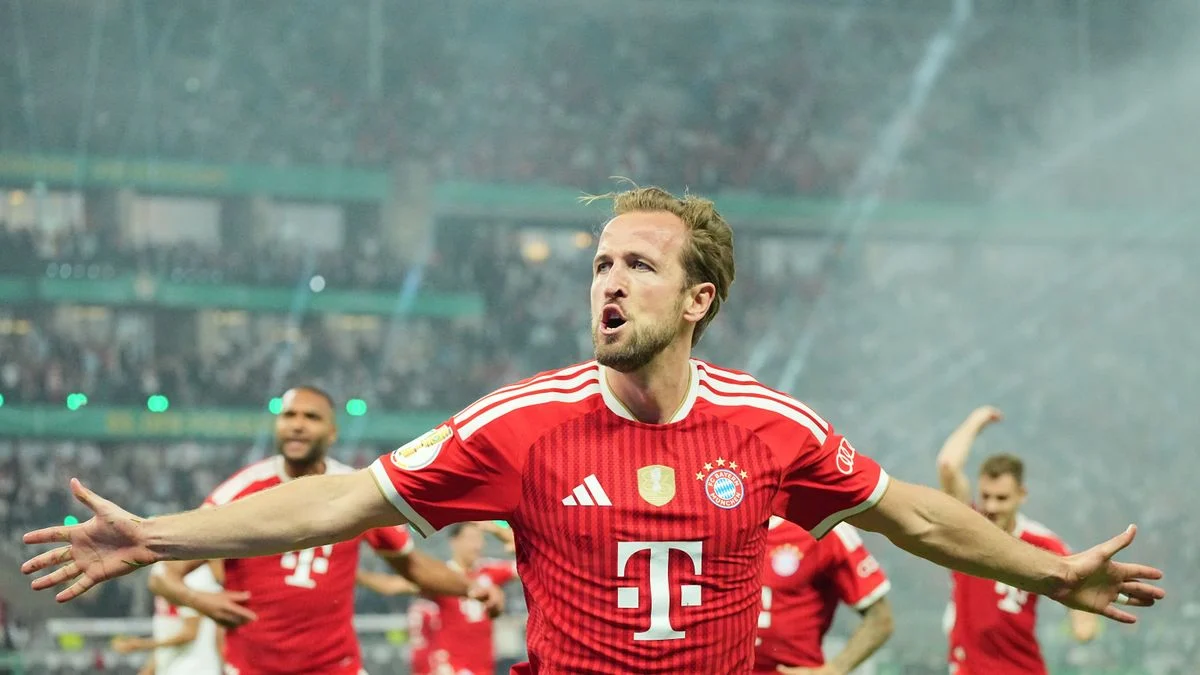
The German DFB-Pokal is more than just a football tournament; it is the stage where the narrative of the "giant-killer" is written. As 1. FC Magdeburg prepares to face the perennial powerhouse, FC Bayern Munich, the footballing community is awash with nostalgia. For the fans in Saxony-Anhalt, this fixture is not merely a game—it is a reminder of a glorious chapter in the club’s history that remains etched in the collective memory of German football: the historic night 26 years ago when Magdeburg stunned the Bavarian giants.
Main Facts: A Clash of Eras and Expectations
The upcoming DFB-Pokal encounter pits the current iteration of the 1. FC Magdeburg squad against the undisputed titans of the Bundesliga. FC Bayern Munich arrives with an aura of invincibility, a roster boasting international stars, and the tactical discipline of a club accustomed to lifting the Champions League trophy.
For 1. FC Magdeburg, the match is a litmus test for their progress in the professional ranks. Since their resurgence, the club has fought valiantly to establish itself as a competitive force. However, the disparity in financial resources and squad depth between a traditional club from the former East Germany and the wealthiest team in the country is vast. Yet, the DFB-Pokal has a long-standing tradition of defying logic. The home crowd at the MDCC-Arena will be looking for more than just a performance; they will be looking for a miracle that resonates with the spirit of the past.
A Chronology: The Night the Giant Fell
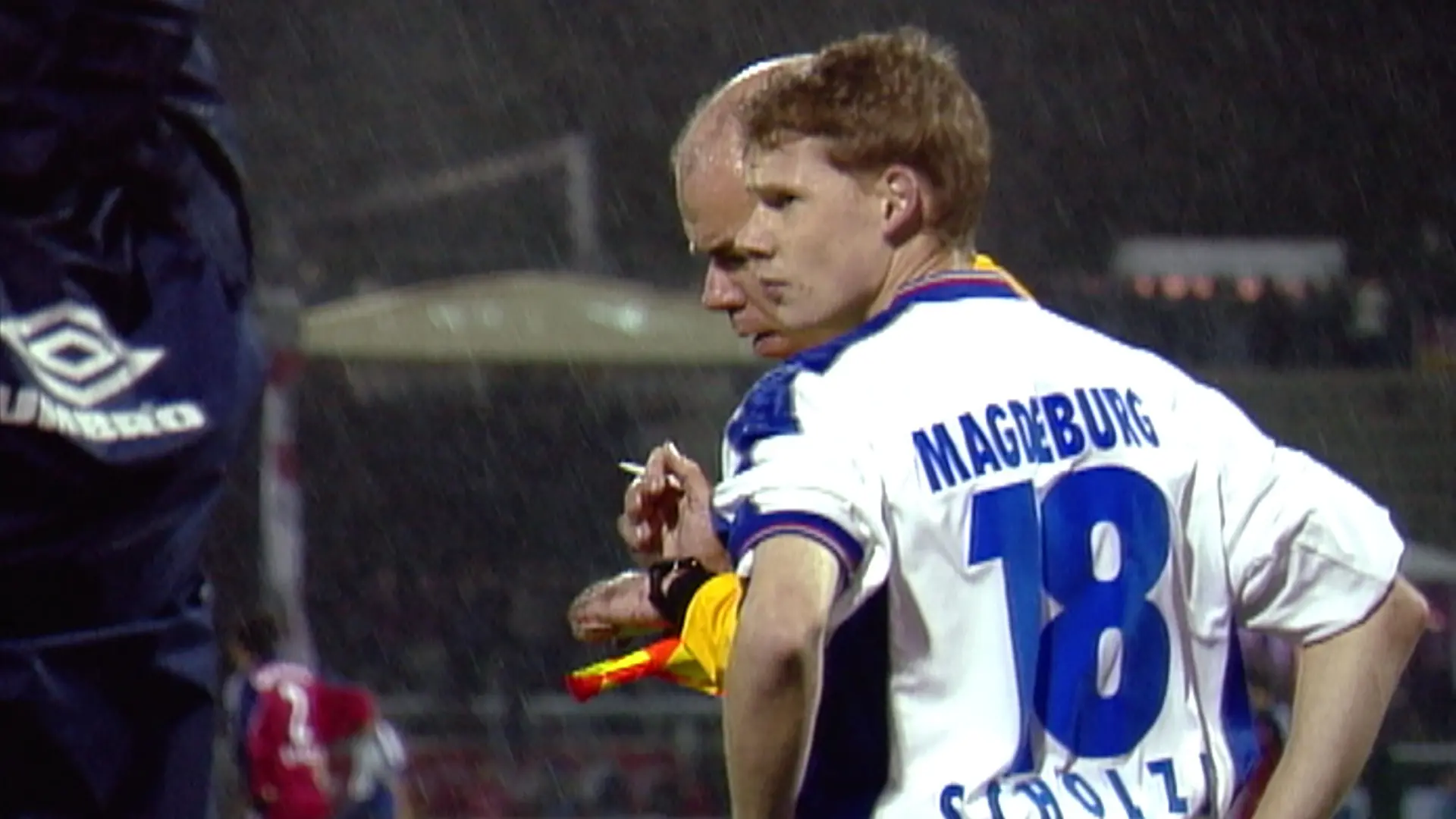
To understand the weight of this upcoming match, one must revisit the events of 1997. It was the second round of the DFB-Pokal. At the time, FC Bayern Munich was managed by Giovanni Trapattoni and featured icons such as Oliver Kahn, Lothar Matthäus, and Mario Basler.
Magdeburg, then competing in the lower regional tiers, entered the match as monumental underdogs. The atmosphere in the stadium was electric, characterized by a sense of defiance that is uniquely Magdeburg. As the game unfolded, the expected dominance of the Bavarians failed to materialize. Instead, the disciplined, high-pressing, and emotionally charged play of the Magdeburg side dismantled the visitors’ rhythm.
The match reached a crescendo when Magdeburg found the back of the net, sending the home crowd into a delirium that would be recounted for decades. When the final whistle blew, the scoreboard read a result that seemed impossible: a victory for the underdog. The elimination of Bayern Munich was not just a scoreline; it was a symbolic victory for East German football, proving that tactical discipline and sheer heart could overcome the might of professional dominance. This victory remains the benchmark for every Magdeburg team that has taken the field since.
Supporting Data: The Disparity and the Dream
While the 1997 victory is a cherished memory, modern football is governed by statistics and financial muscle. A deep dive into the current metrics highlights the uphill battle:
- Squad Valuation: FC Bayern Munich’s squad value consistently ranks among the top in the world, often exceeding the total value of several second-division leagues combined.
- DFB-Pokal Pedigree: Bayern Munich holds the record for the most DFB-Pokal titles, a testament to their consistency and hunger for domestic hardware.
- Tactical Versatility: Under current leadership, Bayern’s ability to transition between defensive stability and clinical attacking play makes them the most feared opponent in Germany.
However, statistics often ignore the "Cup Factor." The DFB-Pokal is played on a single-elimination basis, which inherently increases the variance of the result. For Magdeburg, the data points to a reliance on high-energy transitions and the psychological advantage of being the "underdog." In matches of this magnitude, the home-field advantage—the "Magdeburg Wall"—often acts as an equalizer, pushing players to perform beyond their seasonal averages.
Official Responses and Tactical Outlook
Ahead of the match, the tone from both camps has been one of professional respect. The 1. FC Magdeburg leadership has emphasized the need for a tactical, disciplined approach. Managerial staff have noted that playing against a world-class side is a privilege, but one that requires absolute focus.

"We are not here to watch them play," a spokesperson for the club noted in a recent press briefing. "We are here to compete. The memories of 1997 serve as an inspiration, not a burden. We want to write our own chapter."
On the other side, FC Bayern Munich has maintained a grounded approach. Their camp is well aware of the history of the venue and the potential for an upset. Bayern’s coaching staff has repeatedly warned against complacency, noting that in the DFB-Pokal, the gap between leagues can vanish within ninety minutes if the favorite does not match the intensity of the host.
Tactical analysts suggest that Magdeburg will likely employ a low-to-mid block, looking to exploit the space left behind by Bayern’s aggressive fullbacks. The midfield battle will be the decisive factor; if Magdeburg can disrupt the distribution of Bayern’s central playmakers, the game could remain competitive well into the second half.
The Broader Implications: What This Means for the Club
The significance of this match extends far beyond the final score. For 1. FC Magdeburg, it is a chance to elevate their brand and prove their relevance in the modern era. A competitive showing, regardless of the result, can act as a catalyst for growth, attracting investment, talent, and renewed support from the local community.
Furthermore, these matches are vital for the health of German football. They highlight the enduring appeal of the DFB-Pokal, which remains one of the few competitions where the history of a club and the current form of a powerhouse can collide on equal footing. If Magdeburg manages to secure another historic result, it would not only be a feather in their cap but a narrative that strengthens the romantic appeal of the sport.
The club is currently navigating a period of significant development, focusing on sustainable growth and youth integration. A high-profile cup run provides the financial boost from broadcasting rights and ticket sales that can fund the infrastructure needed for long-term stability. It is a gamble, certainly, but one that every club in their position is eager to take.
The Cultural Weight of the Match
In Magdeburg, the club is the heartbeat of the city. The social fabric of the region is woven with the successes and failures of the team. As the match approaches, the city is transformed. Flags are flown, conversations in the local markets center on the starting lineup, and the anticipation is palpable.
For the older generation, this game is an invitation to reminisce about the ’97 victory, the feeling of the cold air, the roar of the crowd, and the disbelief at the final score. For the younger fans, it is a chance to see their heroes test themselves against the best in the world. This generational bridge is what makes football, and specifically the DFB-Pokal, a cornerstone of German cultural life.
Conclusion: A Night of Possibilities
As the floodlights illuminate the pitch at the MDCC-Arena, the history of 1997 will undoubtedly hover in the air. But while the past serves as a beacon, the future is yet to be written. FC Bayern Munich enters the stadium as the favorites, but they do not enter as winners.
For 90—perhaps 120—minutes, the playing field is leveled by the rules of the tournament and the sheer force of human will. 1. FC Magdeburg has been here before, and they know that in football, the impossible is merely a challenge that hasn’t been met yet. Whether the outcome is a triumphant upset or a hard-fought defeat, the match promises to be a spectacle that captures the very essence of why millions of people follow the sport: the belief that, on any given day, the underdog can stand tall.
As the whistle blows, the fans, the players, and the observers will be watching not just for the goals, but for the spirit of the game—the relentless pursuit of glory against all odds. For 1. FC Magdeburg, this is more than a cup game; it is a chance to remind the world of their history, their passion, and their enduring place in the story of German football.