The world of Eastern German football is in mourning. On Monday, October 26, 2026, the sport lost one of its most recognizable and deeply respected figures, Heiko Weber, who passed away at the age of 61 following a courageous and protracted battle with pancreatic cancer. His death has sent shockwaves through the clubs he served with distinction, most notably FC Carl Zeiss Jena and ZFC Meuselwitz, leaving behind a void that reflects not just his professional contributions, but his profound impact on the culture of the sport in the region.
A Legacy Defined by Loyalty and Passion
Heiko Weber was more than just a footballer or a manager; he was a bridge between the era of the GDR-Oberliga and the modern structures of the unified German game. His career was a testament to the resilience of Eastern football, defined by a deep, unwavering connection to the fans and the clubs he led.
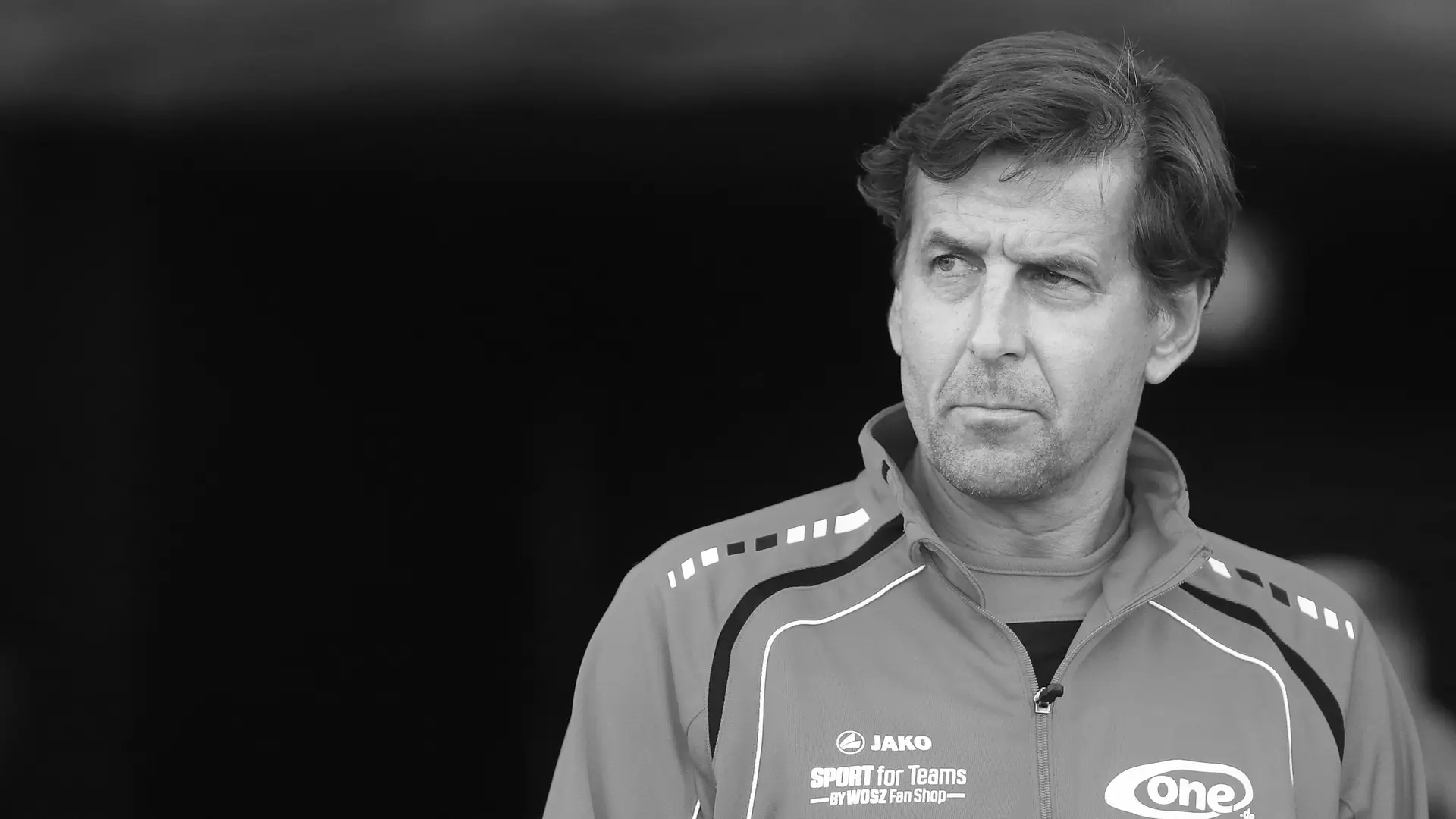
The official statement from FC Carl Zeiss Jena encapsulated the collective sentiment: "As much as one had to expect this terrible, final news, it hits us to the core. With Heiko Weber, our FC Carl Zeiss Jena loses a truly special human being, someone who shaped our club during the transition period and the years that followed like almost no one else."
The Historical Significance of His Career
To understand the weight of the loss, one must look at the trajectory of Weber’s career, which was inextricably linked to the dramatic shifts in German football history.
The Final Chapter of the GDR-Oberliga
Weber’s identity as a player was forged over a decade at FC Carl Zeiss Jena. He joined the club in 1988 from Thale, eventually making 302 appearances. However, it was the climax of the 1990/91 season that etched his name into the annals of history. On May 25, 1991, during a high-stakes match against Energie Cottbus, Weber scored the goal that secured a 2-0 victory.
This was not merely a goal; it was the final goal ever scored in the history of the GDR-Oberliga. It was a strike that propelled his club into the 2. Bundesliga, marking the end of one era and the challenging birth of another. It remains a legendary moment in the hearts of Jena supporters, symbolizing the grit and determination that would define Weber’s entire career.

A Career of Transition and Leadership
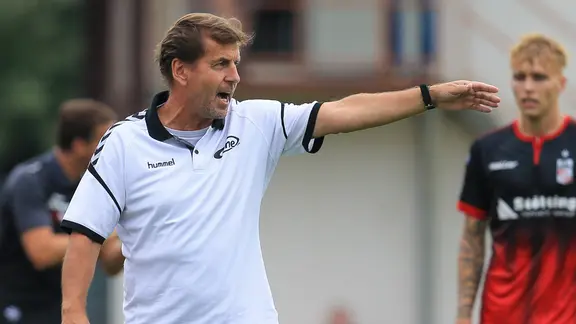
Weber’s transition from the pitch to the dugout was seamless. Between 2004 and 2006, he oversaw a pivotal period for FC Carl Zeiss Jena, guiding the team from the Oberliga back to the professional ranks of the 2. Bundesliga. His tactical acumen was matched only by his ability to galvanize a locker room.
His journey took him across the Eastern football landscape, including stints with the youth setup at Energie Cottbus and a role as Sporting Director at FC Erzgebirge Aue. His coaching philosophy—characterized by a hands-on approach and a deep empathy for his players—earned him respect across all tiers of the game.
Chronology of a Storied Path
Weber’s career was marked by a constant commitment to development and regional loyalty:
- 1988: Joins FC Carl Zeiss Jena as a player.
- 1991: Scores the final, historic goal of the GDR-Oberliga against Energie Cottbus.
- 2004-2006: Serves as head coach for Jena, orchestrating a return to the 2. Bundesliga.
- Mid-2000s: Continues his development with coaching and management roles at Cottbus and Aue.
- 2017-2022: Commits five years to ZFC Meuselwitz, stabilizing the club in the fourth division.
- 2022-2023: Returns to Meuselwitz after a brief spell with the Jena U23 side.
- 2023: Pivots away from professional football to work as a pedagogical assistant in a school, showing his commitment to nurturing the next generation outside of sports.
The Deep Bond with ZFC Meuselwitz
While his heart remained at home in Jena, Weber’s tenure at ZFC Meuselwitz showcased his ability to thrive in challenging environments. Hubert Wolf, the President of ZFC Meuselwitz, expressed the club’s profound sorrow upon hearing the news.
"It hurts me deeply for Heiko," Wolf remarked. "We always got along well; we were friends. He had an incredible instinct for football. We celebrated successes together for nearly six years and suffered through the hard times together. He was a pillar of our club, and his absence will be felt for a very long time."
A Final Act of Solidarity: The Benefizspiel
In February 2026, when Weber publicly announced his diagnosis of pancreatic cancer, the response was immediate and overwhelming. The fan community and the Ehrenrat (Honorary Council) of FC Carl Zeiss Jena mobilized a fundraising campaign to finance his specialized pain therapy.
This outpouring of support culminated in a moving tribute in June 2026: a benefit match featuring legends of the game, including Bernd Schneider, Henning Bürger, Mark Zimmermann, and Torsten Ziegner. The match, played between FC Carl Zeiss Jena and FC Thüringen Weida—the club where Weber began his coaching journey—was a celebration of his life and career.
Reflecting on the emotional day, Weber said, "I held a speech in the dressing room before the game, and I had tears in my eyes." That moment proved to be his final public appearance, a poignant farewell to the game he loved and the people who loved him in return.

The Implications of His Passing
The death of Heiko Weber signals the loss of a vital link to a generation of players and coaches who navigated the complexities of German football after the fall of the Berlin Wall. His legacy is not just one of wins and losses, but of a man who remained authentic in an industry that often demands otherwise.
A Mentor Beyond the Pitch
His final professional move—working as a pedagogical assistant—highlights the character of the man. He understood that his influence extended beyond tactical formations and match-day strategies. He sought to apply the lessons of discipline, teamwork, and resilience to the classroom, proving that his impact on the community was multifaceted.
The Future of the Clubs He Left Behind
For clubs like FC Carl Zeiss Jena and ZFC Meuselwitz, the immediate challenge is to honor his memory while navigating the current, competitive landscape of the Regionalliga. As these teams battle for points and prestige, the spirit of "Heiko Weber" will undoubtedly be invoked in team talks and fan chants. His life serves as a blueprint for the kind of dedication that keeps regional clubs alive and thriving.
Conclusion: A Football Icon Remembered
Heiko Weber’s life story is a narrative of passion. Whether he was scoring a historic goal in the dying embers of a league system or managing the day-to-day survival of a fourth-tier club, he approached his work with a singular, infectious energy.
He did not just witness history; he was an active participant in creating it. As the flags fly at half-mast in Jena and Meuselwitz, the community does not just mourn the loss of a coach or a player; they celebrate a life well-lived. Heiko Weber’s name will be whispered in the stands of the Ernst-Abbe-Sportfeld for generations to come, remembered forever as a true son of Eastern German football. His courage during his final months, bolstered by the unconditional support of his fans, remains a beautiful, bittersweet reminder of the power of sport to unite people in the face of the most difficult challenges.
Rest in peace, Heiko. You have truly left your mark on the game.