BORNA/MARKRANSTÄDT – A tense legal battle is unfolding before the District Court of Borna, where a property dispute involving the city of Markranstädt and a local real estate firm has reached a critical juncture. At the heart of the conflict is a residential unit in the Röpitz district, currently being utilized by the municipality as emergency accommodation for homeless individuals. The landlord, Lineo Immobilien GmbH, has filed an eviction lawsuit, citing a breakdown in neighborhood safety and persistent violations of house rules. As the court prepares to determine the validity of the termination, the case has highlighted the immense strain placed on municipal housing resources and the complex challenges of managing emergency social services in residential areas.
The Core Conflict: Neighborhood Unrest vs. Statutory Duty
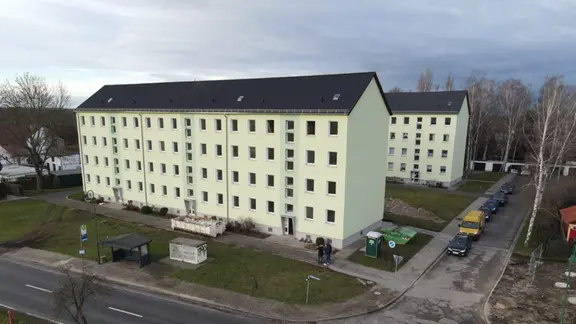
The legal proceedings, which have been subject to multiple delays, center on a three-room apartment in a residential area of Röpitz. The city of Markranstädt had rented this property as an “alternative” or emergency housing solution for individuals in need of immediate shelter. However, the arrangement has been fraught with friction since its inception.
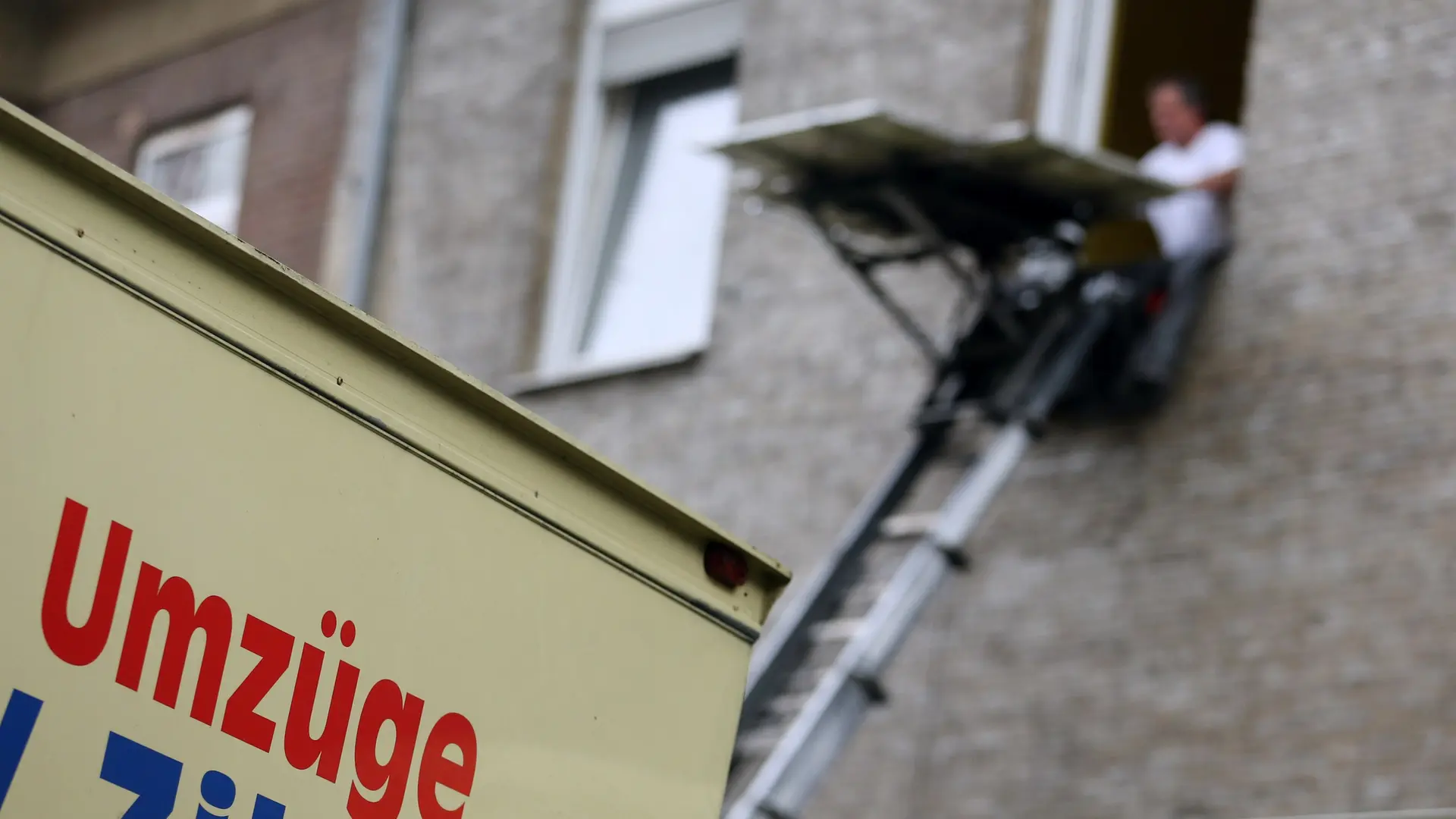
According to filings presented to the court and statements from the claimant, the tenancy was terminated effective at the end of 2025. The landlord’s decision was precipitated by an accumulation of grievances lodged by other tenants and neighbors. These reports paint a disturbing picture of life in the building, characterized by frequent nocturnal disturbances, aggressive confrontations in common areas, and documented instances of illicit alcohol and drug consumption.
For the residents of Röpitz, the situation has become untenable. The property owner, represented by Managing Director Falko Stengler, maintains that the city’s oversight has been woefully insufficient. "Nobody is taking care of the situation," Stengler remarked in a recent interview. He emphasized that the problems persist despite the pending legal action, noting that the occupants remain in the unit "day and night," continuing to cause disruptions that impact the quality of life for the entire building.

Chronology of a Failed Tenancy
To understand the current impasse, one must examine the timeline of the breakdown between the municipality and the private sector provider:
- Initial Agreement: The city of Markranstädt secured the Röpitz property to fulfill its statutory duty to provide emergency shelter, an obligation required under German social law to prevent homelessness.
- Escalation of Complaints: Throughout the duration of the lease, the property management began receiving a steady stream of complaints from neighboring residents. Reports included noise pollution during quiet hours and intimidating behavior.
- The Termination: Faced with mounting pressure from the residential community and a perceived failure of the city to manage the occupants, Lineo Immobilien GmbH issued a formal termination of the lease, citing a breach of the contractual obligation to maintain "peace and order" in the building.
- The Lawsuit: Following the city’s refusal to vacate the premises, the landlord initiated formal eviction proceedings.
- Procedural Delays: The case was originally slated for hearing several months ago. However, a series of procedural postponements—most recently on October 6—has left the neighborhood in a state of suspended animation.
The Judicial Challenge: Assessing the Legitimacy of Termination
The role of the District Court in Borna is now to weigh the competing interests of property rights against the state’s social mandates. Karsten Arnold, spokesperson for the District Court, confirmed that the primary objective of the hearing is to establish whether the landlord’s termination was legally sound.
This is a delicate legal balancing act. While a landlord generally has the right to terminate a lease if a tenant or occupant creates a nuisance that renders the continuation of the tenancy unreasonable for other residents, the municipality is acting under the mandate of providing emergency care. If the court finds the termination valid, it must then consider the practical consequences of eviction: where will these individuals go? If the court finds the termination invalid, the municipality remains in the unit, but the underlying conflict with the neighbors remains unresolved.
Official Responses and Municipal Strategy
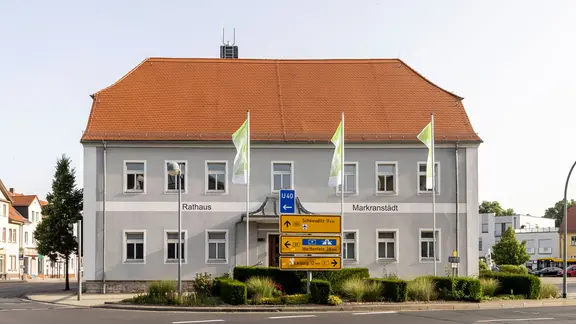
The city of Markranstädt finds itself in a precarious position. Publicly, the administration has maintained a posture of cautious confidence, stating that it expects the eviction lawsuit to be unsuccessful. However, behind the scenes, the city is actively searching for a way out of the crisis.
The Search for Alternatives
In response to the controversy, the administration is exploring several potential solutions. These include the procurement of residential containers or other modular housing units that could be placed on municipal land, thereby removing the residents from a conventional residential building where friction is inevitable. Additionally, the city is looking beyond its own borders, consulting with neighboring municipalities to see if regional cooperation could alleviate the burden of housing "difficult-to-place" cases.
Security Measures
Acknowledging the severity of the residents’ concerns, the city has deployed a professional security service to monitor the building. The goal is to act as a buffer between the emergency tenants and the neighbors, mitigating the potential for further conflict while a long-term resolution is sought. "We want to assure the residents that we take the situation very seriously," a city representative stated, emphasizing that they are "exhausting all possibilities available to us as a city."

Broader Implications: The Crisis of Social Housing
This case in Röpitz is a microcosm of a much larger crisis facing German municipalities. The intersection of a tightening housing market, rising homelessness, and the limited availability of specialized social housing facilities creates a "pressure cooker" effect.
The "NIMBY" Phenomenon
The situation illustrates the "Not In My Backyard" (NIMBY) sentiment that often complicates social welfare initiatives. While the public generally supports the concept of providing aid to the homeless, the practical implementation in quiet residential districts often triggers significant local opposition. When local governments are forced to use standard apartment buildings as emergency shelters, the lack of 24/7 social work supervision often leads to the exact types of conflicts seen in Markranstädt.

The Cost of Inaction
The legal battle is not only a drain on the court’s time and the city’s resources but also highlights the economic inefficiency of current emergency housing models. Legal fees, security costs, and the potential for property damage costs are mounting. Critics argue that municipalities must invest more heavily in dedicated social housing facilities with on-site staff, rather than relying on standard residential leases that are ill-equipped to handle the needs of individuals in crisis.
Looking Ahead: A Pending Verdict
As the court proceedings resume, the residents of the building in Röpitz remain in limbo. If the court rules in favor of the landlord, the city will be forced to relocate the occupants immediately, a task that has proven difficult thus far given the lack of available alternatives. If the court rules in favor of the city, the landlord will likely face an uphill battle to regain control of the property, and the neighborhood will continue to grapple with the instability that has defined the last year.

Legal experts suggest that if no settlement is reached this coming Tuesday, the court could issue a further order for a fact-finding mission or, eventually, a ruling within the next three weeks. Regardless of the outcome, the case in Markranstädt serves as a stark reminder of the limitations of local government when faced with the dual pressures of social responsibility and private property rights.
For now, the people of Markranstädt wait, watching as their local court navigates the difficult path between the law, the needs of the vulnerable, and the rights of property owners. The case is a bellwether for many other towns across Germany that are struggling to balance their social duty with the maintenance of social cohesion in their neighborhoods. The verdict in Borna will not only decide the fate of one apartment but may also set a precedent for how emergency social services are handled in the future.