The Mitteldeutscher Rundfunk (MDR) has officially announced the return of its critically acclaimed podcast series, "Unheimliche Heimat" (Eerie Homeland), marking the beginning of its third season. Hosted by Mario Süßenguth, the audio documentary series continues its deep-dive exploration into the hidden, forgotten, and often unsettling narratives embedded within the landscape of Saxony. As the production team prepares to release new episodes, listeners can expect an immersive journey that bridges the gap between historical gravity and modern-day inquiry.
The Core Concept: Unearthing the "Uncanny"
"Unheimliche Heimat" has carved out a unique niche in the German podcast landscape by refusing to treat local history as a mere collection of dates and figures. Instead, Süßenguth approaches the Saxon countryside with the curiosity of an investigator and the sensitivity of a storyteller. The central thesis of the podcast is that every region, no matter how idyllic or industrial, carries ghosts—not necessarily supernatural ones, but the lingering echoes of past traumas, lost identities, and unresolved conflicts.
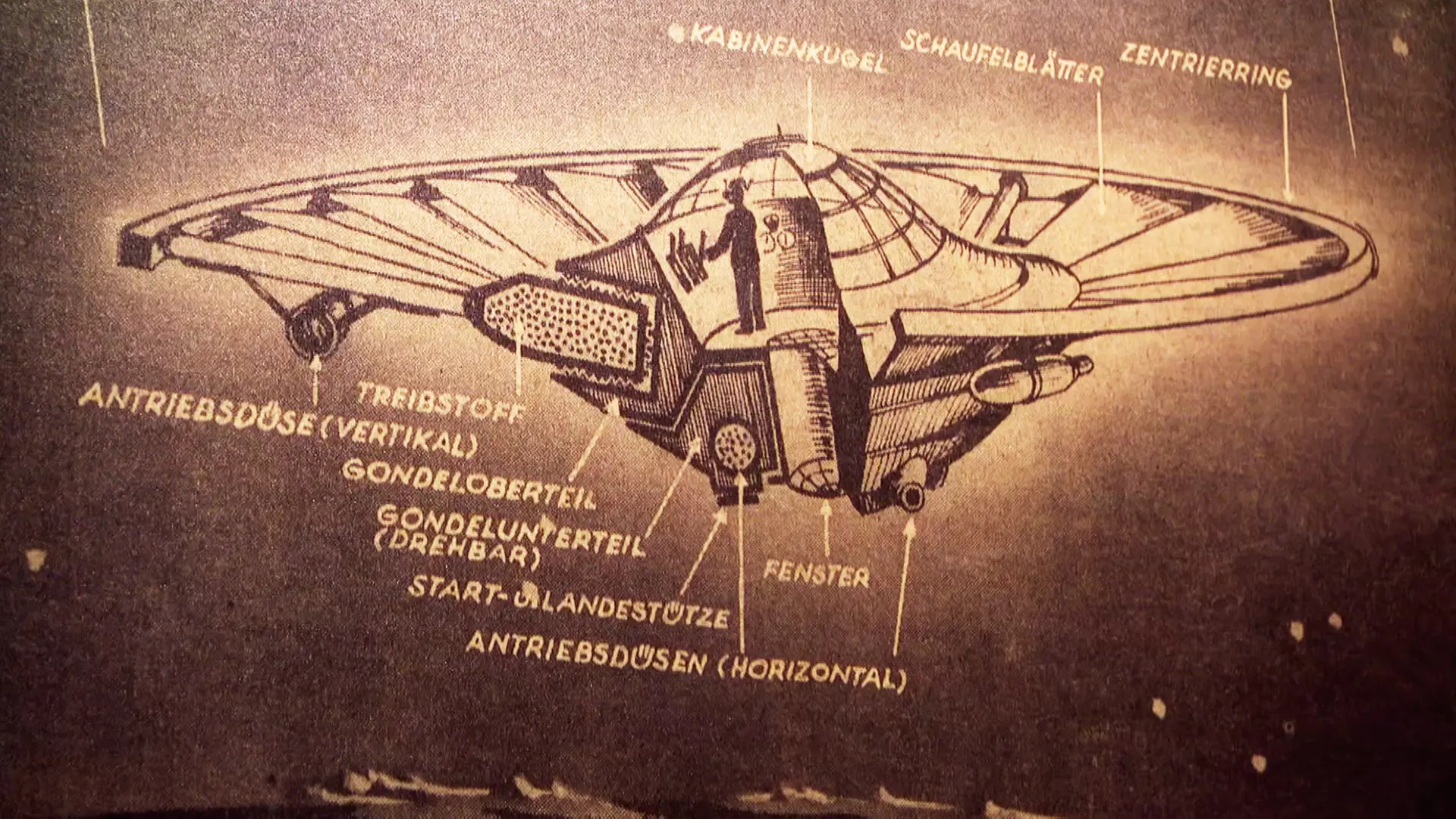
In the upcoming season, the production team has signaled a focus on both rural myths and urban remnants. One of the highlighted stops in the new season is the Military History Museum in Dresden. This choice is emblematic of the show’s mission: to look at places that are inherently "unheimlich"—a German term that describes something that is simultaneously familiar and deeply unsettling. By placing modern observers in the heart of these historical sites, the podcast prompts a dialogue about how the past dictates the present climate of the region.
A Chronology of Discovery: From Season One to Present
To understand the significance of the third season, one must look at the trajectory of the project.
- Season 1 (The Foundation): The inaugural season focused on establishing the "Eerie" theme. Süßenguth visited abandoned sanatoriums, forgotten Cold War bunkers, and sites of forgotten industrial glory. It was an exploration of decay and the transition of the former GDR into a unified Germany.
- Season 2 (The Human Element): The second installment pivoted toward oral history. The team interviewed witnesses of the post-war era, delving into the personal psychological impacts of living in a landscape undergoing constant political and physical reconstruction.
- Season 3 (The Synthesis): As the podcast enters its third iteration, the narrative focus has shifted toward the intersection of institutions and collective memory. By visiting major cultural and historical institutions like the Military History Museum, the podcast aims to deconstruct how society preserves—or chooses to suppress—certain memories.
Supporting Data and Production Context
The success of "Unheimliche Heimat" is not an outlier. It is part of a broader trend of "audio-journalism" in Germany, where high-quality production values are used to sustain long-form content. According to recent data from the German podcast market, there is a marked increase in demand for regional investigative journalism. Listeners are increasingly seeking content that provides a sense of place, especially in an era of globalization where local identities often feel threatened or diluted.
The production of the show involves meticulous archival research, site scouting, and soundscape design. Süßenguth’s team works closely with local historians and residents, ensuring that the narrative remains authentic to the spirit of the regions visited. This rigor is what has earned the podcast its reputation as a "must-listen" for those interested in the complexities of the Saxon state.

The Institutional Perspective: Why the Military History Museum?
The inclusion of the Dresden Military History Museum (MHM) as a primary focal point in the third season serves as a masterclass in modern curation. The museum itself, known for its bold architectural intervention by Daniel Libeskind, is designed to challenge visitors’ perceptions of military violence and its relationship to state power.
By bringing the "Unheimliche Heimat" microphones into this space, the team is not just reporting on history; they are engaging with the interpretation of history. The MHM has long been at the center of debates regarding the German identity and its relationship to militarism. By examining the exhibits through a podcast format, Süßenguth allows for a nuanced discussion that text-based reporting often misses—specifically, the emotional reaction of the visitor when confronted with the reality of war in a peaceful, modern city.
Implications for the Audience and the Region
The return of this podcast carries several implications for its listeners and the broader cultural sphere of Saxony:
1. The Normalization of Critical Reflection
By hosting these conversations in a widely accessible audio format, MDR is helping to normalize the idea that a "homeland" is not just a place of pride, but also a place of responsibility. The podcast encourages listeners to view their own towns and cities with a more critical, informed eye.
2. A Bridge Between Generations
The podcast serves as a generational bridge. Younger listeners, who may have little to no personal memory of the divisions of the 20th century, are introduced to the complexities of their heritage through an engaging, contemporary medium. Older listeners, conversely, find their experiences validated or challenged by new historical findings.
3. Boosting Regional Tourism and Interest
While the podcast does not market itself as a travel guide, it inevitably directs interest toward these locations. Sites like the Military History Museum or the smaller, obscure monuments featured in the series often see a surge in interest from "history tourists" who are eager to experience the stories they heard in the podcast for themselves.

The Road Ahead: What to Expect in Season Three
While the exact episode list remains under wraps, the teaser trailers suggest a broader geographic scope than previous seasons. While Dresden remains a hub, the team has ventured into the Erzgebirge and the rural outskirts of the region.
The tone will likely remain consistent: calm, inquisitive, and occasionally haunting. Süßenguth’s signature style—a blend of journalistic distance and empathetic listening—will continue to be the backbone of the series. As the season progresses, listeners can expect:

- Deep-dive interviews: Conversations with curators, local activists, and historians who are actively working to preserve local narratives.
- Audio-rich site visits: The team uses binaural recording techniques to capture the "vibe" of these places, making the listener feel as if they are standing next to the host in the halls of a museum or the middle of an empty field.
- Thematic clusters: Rather than a chronological tour, the season is organized by themes—such as "The Burden of Stone," "Ghosts of Industry," and "Voices from the Wall."
Conclusion
"Unheimliche Heimat" is more than just a radio program or a podcast; it is an exercise in communal soul-searching. By returning for a third season, MDR demonstrates that there is a deep, unquenchable thirst for stories that do not provide easy answers but instead raise profound questions about where we live and who we are.
As Mario Süßenguth embarks on this new chapter, he invites us once again to step into the "eerie" corners of our world. Whether it is the cold steel of a tank in a museum or the hollowed-out remains of a factory in the countryside, the message is clear: our homeland is a living, breathing entity, and if we listen closely enough, it has a great deal to tell us about our past, our present, and our potential future. For those who have yet to dive into the series, the launch of the third season provides the perfect opportunity to catch up on the previous chapters and join the ongoing conversation about the complex, often unsettling, but always fascinating history of Saxony.