Main Facts: A Stance of Unity
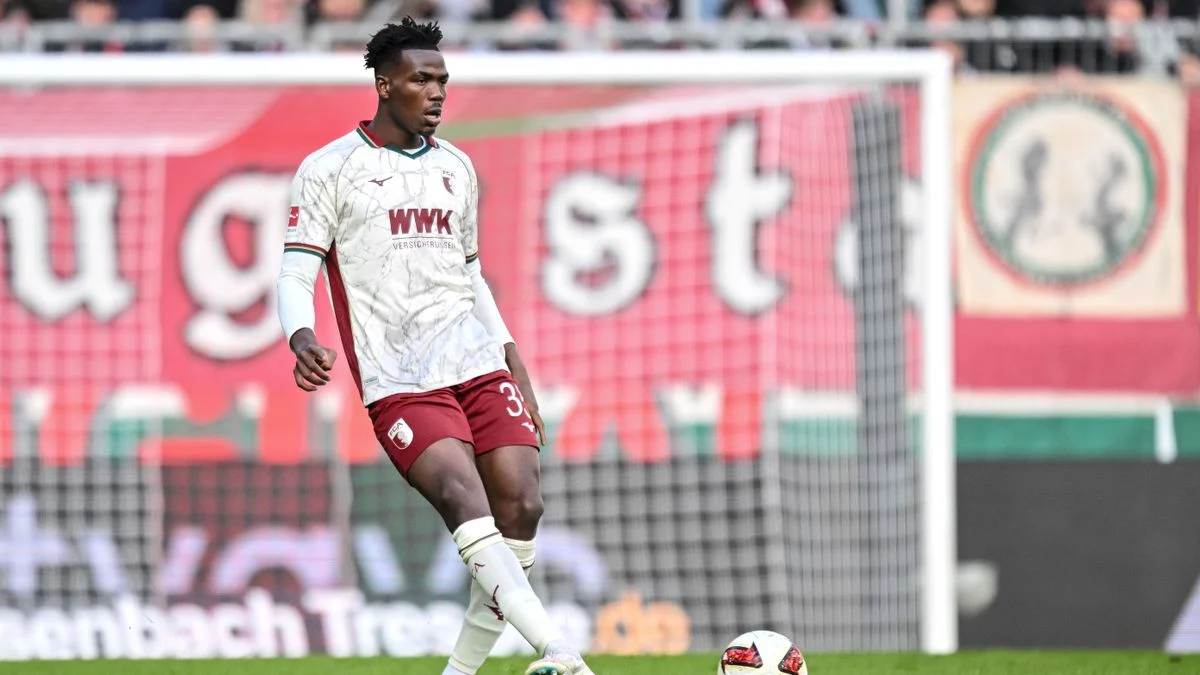
In a powerful display of solidarity that transcends the boundaries of the pitch, FC Augsburg is preparing for its upcoming second-round DFB-Pokal fixture with a renewed sense of purpose. At the heart of this preparation is 20-year-old defender Juma Bah, who has recently become the victim of abhorrent racist abuse. Rather than allowing the incident to demoralize the squad, the club has transformed the situation into a rallying cry, positioning Bah as a focal point of their collective resolve.
Head coach Manuel Baum has confirmed that Bah will be available for selection, signaling that the team’s strategy is not merely tactical, but psychological. The club’s leadership, including sporting director Benni Weber, has moved swiftly to create an environment where the young player feels protected, empowered, and valued. As the team prepares for the knockout intensity of the German Cup, the prevailing sentiment in the Augsburg dressing room is one of defiant unity.
Chronology: From the Incident to the Pitch
The events leading up to this week’s cup tie unfolded rapidly over the weekend. During a routine match, Juma Bah was subjected to targeted racist insults—a blight that continues to haunt modern football. The incident triggered an immediate internal review and a robust public response from the club.
By Sunday, the incident had become a priority conversation within the team’s training facility. Coach Manuel Baum and sporting director Benni Weber facilitated an open dialogue between the staff and the players. The objective was clear: to ensure that the locker room remained a sanctuary and that Bah felt the full weight of the club’s support behind him.
According to reports from the training ground, the reaction was immediate. Rather than retreating into isolation, Bah arrived at the facility with a positive disposition. Baum noted that the 20-year-old’s ability to remain composed and focused in the face of such adversity has served as a catalyst for the team’s current "now-more-than-ever" mentality. As the squad prepares for their DFB-Pokal match, the focus has shifted from the toxicity of the external world to the strength of their internal brotherhood.
Supporting Data and Club Culture
The incident has shone a spotlight on the evolving culture at FC Augsburg. Under the guidance of Manuel Baum, the club has prioritized emotional intelligence alongside technical proficiency. The data surrounding such incidents in German football suggests that professional clubs are increasingly taking a "zero-tolerance" approach, yet the manner in which a club responds to a victim’s needs is often what dictates the long-term success of the individual player.
Baum’s approach to the situation involves a series of one-on-one sessions designed to gauge the mental readiness of his players. When asked about the impact on Bah, Baum noted that the player’s response to the club’s statement was "truly remarkable." The manager highlighted that the support structures currently in place at Augsburg—ranging from sports psychology to peer mentorship—have allowed Bah to process the trauma quickly.
Statistically, teams that experience a "rallying effect" following external adversity often show a marked increase in defensive cohesion. By emphasizing a collective identity, Augsburg hopes to translate this off-pitch unity into a rigid, impenetrable defensive structure during their DFB-Pokal campaign.
Official Responses: Leadership at the Forefront
The leadership at FC Augsburg has been unequivocal in its condemnation of the abuse. Sporting director Benni Weber, who was instrumental in the discussions held on Sunday, emphasized that the club’s identity is defined by how they treat one another during crises.
"We talked about the fact that we never look away and that we always stick together," Weber stated. This sentiment was echoed by Baum, who praised the team’s collective maturity. "It’s about showing that the club, the staff, and the teammates are a wall," Baum remarked.
Perhaps the most poignant feedback came from the manager regarding Bah’s demeanor. Baum recounted seeing the young defender sitting in the dressing room with a smile on his face, a sight that the coach described as a testament to the club’s environment. "He realizes how the club and how we stand against it, and that we simply stick together," Baum added. This official stance serves as a blueprint for other clubs grappling with similar issues, highlighting that proactive, vocal, and immediate support is the most effective antidote to discriminatory behavior.
Implications: A "Now-More-Than-Ever" Mentality
As FC Augsburg enters the DFB-Pokal second round, the implications of this incident extend far beyond the immediate match result. There is a palpable sense of "us against the world" that has energized the squad. For a young player like Juma Bah, the support he has received could prove to be a defining moment in his career.
Baum believes this incident could actually "push" the player to higher levels of performance. "He says: ‘It is sensational how we deal with this here, and I feel mega-comfortable, and that just gives me security for everything I do here,’" Baum shared. This level of psychological safety is a luxury in professional sports, and its presence at Augsburg could provide a competitive advantage.
The Broader Impact on German Football
The stance taken by FC Augsburg is also a wider statement to the German footballing community. In an era where social media and stadium chants frequently provide platforms for hate, the refusal of a club to let an incident pass in silence sets a critical precedent.
- Psychological Resilience: By openly addressing the racism, the club has removed the stigma often associated with being a victim.
- Team Cohesion: The ordeal has forced players to have uncomfortable but necessary conversations, deepening their bonds.
- Public Accountability: By documenting the incident and their response, the club forces the broader league and its fans to confront the reality of racism in the sport.
Preparing for the DFB-Pokal
The DFB-Pokal is notorious for its upsets and emotional volatility. As Augsburg prepares to take the field, the narrative of "unity" will be their armor. Whether they win or lose, the club has already achieved a victory in the moral sense.
The upcoming match is not just a test of their tactical execution, but a test of their collective character. Fans, pundits, and league officials will be watching closely to see how the team performs under the weight of this week’s events. However, if the atmosphere in the dressing room is any indication, the team is not burdened—they are empowered.
The focus remains on the match, but the backdrop of the week’s events ensures that the players will be competing for something larger than a spot in the next round. They are competing to prove that their community is stronger than the hate that sought to divide them.
Conclusion: A Future Built on Solidarity
As the dust settles, the story of Juma Bah and FC Augsburg serves as a reminder that football is, at its core, a human endeavor. Behind every shirt, every statistic, and every tactical formation, there are individuals who require support, respect, and a sense of belonging.
The club’s management has made it clear that their doors are open, their ears are listening, and their resolve is ironclad. For Juma Bah, the path forward is clear. He returns to the pitch not as a victim, but as a symbol of resilience, surrounded by a team that has proven that, in the face of hatred, unity is the ultimate response.
As the countdown to the DFB-Pokal match continues, one thing remains certain: FC Augsburg will take the field not just as eleven players, but as a unified front, ready to defend not only their goal, but their values. The "Jetzt-erst-recht" (now-more-than-ever) attitude is not just a slogan for this week; it is the foundation upon which they intend to build the rest of their season.
Whether this leads to a cup run remains to be seen, but the internal growth experienced by the squad this week is a victory that no scoreboard can measure. The football world watches on, not just for the spectacle of the cup, but for the inspiring display of what it means to truly stand by one’s own.