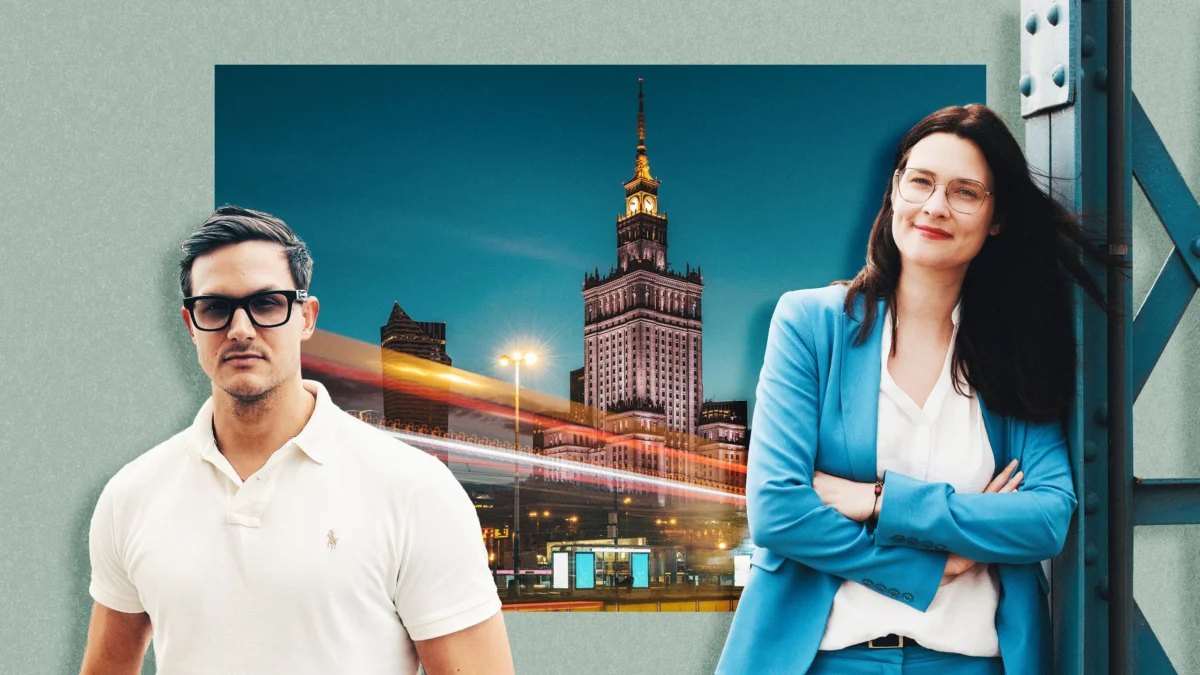
Warsaw, Poland – The blue Porsche glides through the bustling evening traffic of Warsaw, a pulsing techno beat resonating from its speakers. Outside, a symphony of construction unfolds – cranes pierce the sky, new glass towers gleam, and old industrial sites are reborn as sleek office complexes. "This used to be an old brewery site," remarks Kevin Wörner, gesturing out the window. "Today, it’s all offices." A few blocks away, another skyscraper ascends, its reflective facade promising a new era. The Polish capital’s core, once marked by its complex history, now increasingly mirrors the modern, high-rise aesthetics of Frankfurt’s financial district, a testament to its dramatic economic transformation.
Kevin Wörner, a 33-year-old entrepreneur, is one of the many Germans who have chosen to trade their homeland for the dynamic opportunities blooming across the Oder. Just months ago, he established "Channel Craft," his social media content agency catering to small and medium-sized businesses in the USA and Germany, in a six-story new build. His personal journey reflects a broader, significant demographic shift: Poland is fast becoming a prime destination for German emigrants, outpacing traditional favorites like the UK and Italy.
Main Facts: A New Migration Trend Emerges
The narrative of Germans migrating eastward has historically been framed by a different context, often involving historical ties or specialized labor. However, recent data paints a picture of a burgeoning, modern exodus driven by economic dynamism and lifestyle appeal. Kevin Wörner’s story is a compelling microcosm of this trend, illustrating the personal and professional draw of Poland.
Kevin Wörner’s Warsaw Chapter
Wörner’s initial connection to Warsaw was personal; he spent considerable time there visiting an ex-girlfriend while still residing in Berlin. What began as visits soon evolved into a profound appreciation for the city’s energy and potential. Over several months, the idea of making a permanent move crystallized. He recognized in Warsaw a vibrant, evolving ecosystem ripe for entrepreneurial endeavors. His company, Channel Craft, specializes in creating bespoke social media content, a service in high demand by SMEs grappling with the complexities of digital marketing. The decision to base this operation in Warsaw was strategic, leveraging the city’s growing talent pool, competitive operating costs, and proximity to key markets.
Wörner’s experience underscores a common sentiment among new German arrivals: a sense of opportunity and a faster pace of development compared to some parts of Germany. The ease of setting up a business, the availability of skilled, multilingual professionals, and a palpable sense of optimism contribute to an environment where entrepreneurs feel they can thrive. His journey from a familiar Berlin to a vibrant, albeit less familiar, Warsaw is not just a personal anecdote but a symbol of a broader re-evaluation of economic landscapes within Europe.
The Statistical Shift: Germans Choose Poland
The anecdotal evidence is powerfully supported by official statistics. In the most recent reporting period, a remarkable 4,941 Germans emigrated to Poland. This figure is not merely a number; it represents a significant shift in migration patterns, placing Poland ahead of the United Kingdom, Italy, and the Netherlands as a destination for German citizens. This marks the highest number of German citizens relocating to Poland since the onset of the pandemic, signaling a sustained and accelerating trend.
Historically, Germany has been a net recipient of migration, particularly from its eastern neighbors. The reversal of this dynamic, with a notable outflow of Germans to Poland, warrants close examination. It suggests that factors within Poland are becoming increasingly attractive, perhaps even more so than those offered by traditional Western European destinations. This statistical shift challenges conventional perceptions of inter-European migration and highlights Poland’s growing stature as an economic and lifestyle hub.
Chronology: From Berlin’s Buzz to Warsaw’s Boom
The transformation of Warsaw into a magnet for international talent, including Germans, is not an overnight phenomenon but the culmination of decades of strategic development and economic reforms. Understanding this chronology helps illuminate the current appeal.
A Personal Journey to a Professional Hub
Kevin Wörner’s decision to move to Warsaw was, as he describes it, a gradual realization. His initial visits offered him glimpses into a city that was rapidly shedding its post-communist image. He observed not just the physical reconstruction but also a palpable shift in economic energy. Berlin, while a dynamic startup hub, also grapples with high living costs, fierce competition, and a certain bureaucratic inertia that can frustrate entrepreneurs. In Warsaw, Wörner perceived a different ecosystem: one where ambition was met with fewer hurdles, and growth felt more accessible.
His company, Channel Craft, exemplifies the type of business that can flourish in this environment. Social media content creation requires creative talent, technological infrastructure, and a cost-effective operational base – all of which Warsaw increasingly offers. The city’s growing pool of young, educated professionals, often multilingual and digitally savvy, provides a fertile ground for companies like Wörner’s to scale. This personal journey, driven by both relational ties and professional foresight, mirrors the evolving professional landscape that is attracting a new wave of German expatriates. They are not merely seeking cheaper living but genuinely better business conditions and a higher quality of life for their investment.
Warsaw’s Rapid Transformation
The Warsaw Wörner now inhabits is a far cry from its past. Decades of focused investment and strategic development have reshaped its skyline and economy. The city, once scarred by war and later defined by Soviet-era architecture, has undergone an astonishing metamorphosis. Areas that were formerly industrial behemoths, like the old brewery sites Wörner points out, have been meticulously redeveloped into modern business parks, luxury residential complexes, and vibrant cultural spaces.
The comparison to Frankfurt’s banking district is apt. Warsaw’s central business district is now characterized by a cluster of gleaming skyscrapers housing major international corporations, financial institutions, and tech giants. This architectural renaissance is symbolic of a deeper economic restructuring. Poland, and particularly its capital, has successfully diversified its economy, moving beyond traditional industries to become a regional leader in IT, business process outsourcing (BPO), shared services, and a burgeoning startup scene. The influx of foreign direct investment has fueled this growth, creating a dynamic job market and a competitive business environment. This rapid modernization, combined with a forward-looking urban planning approach, makes Warsaw not just a place to work, but an increasingly attractive city to live, offering a blend of European sophistication and Eastern European vitality.
Supporting Data: Unpacking the Numbers and Drivers
The trend of German emigration to Poland is not just a statistical anomaly but a reflection of deep-seated economic and societal factors. A closer look at the numbers and the underlying drivers reveals a compelling narrative.
The Migration Balance: A Net Gain for Poland
The migration balance, a term used by the German Federal Statistical Office, reveals the stark reality of this trend. While 4,941 Germans moved to Poland in the recent reporting period, only 1,720 Germans returned from Poland to Germany. This results in a significant negative migration balance for Germany – meaning far more Germans are moving to Poland than are returning. This net outflow underscores that the move is often not temporary but represents a more permanent relocation, suggesting a higher level of satisfaction and integration among those who make the jump.
This sustained net migration indicates that Poland is not just a temporary stop for Germans but a place where they are finding long-term opportunities and settling down. This trend has significant implications for both countries, signaling a potential "brain drain" for Germany in certain sectors and a "brain gain" for Poland, enhancing its human capital and economic potential. The fact that this figure is the highest since the pandemic also suggests that the disruptions of recent years may have prompted many to re-evaluate their living and working environments, with Poland emerging as a favorable alternative.
Economic Allure: Growth, Opportunity, and Cost of Living
Several economic factors contribute to Poland’s increasing attractiveness.
- Robust Economic Growth: Poland has consistently demonstrated strong GDP growth rates over the past two decades, often outperforming many Western European counterparts. This sustained growth translates into a dynamic job market, creating opportunities in various sectors, particularly in IT, finance, manufacturing, and services. For entrepreneurs like Wörner, a growing economy means a larger potential client base and a more favorable environment for business expansion.
- Lower Cost of Living and Operating Costs: While Warsaw’s economy is booming, the cost of living and doing business remains significantly lower than in major German cities. Rent, consumer goods, and labor costs are generally more competitive. This allows individuals to enjoy a higher quality of life for their income and enables businesses to operate with lower overheads, making them more competitive, especially when serving international clients.
- Thriving Entrepreneurial Ecosystem: Poland has made concerted efforts to foster a supportive environment for startups and SMEs. Government incentives, access to venture capital, and a growing network of incubators and accelerators have made it easier for new businesses to launch and scale. The bureaucratic hurdles, often cited as a challenge in Germany, are perceived as less cumbersome in Poland.
- Skilled Labor Availability: Poland boasts a highly educated workforce, with a strong emphasis on STEM fields. Polish universities produce a steady stream of graduates proficient in technical skills and often fluent in multiple languages, including English and German. This readily available and relatively affordable skilled labor pool is a major draw for companies looking to expand or establish new operations.
Beyond Economics: Quality of Life and Cultural Vibrancy
While economic factors are paramount, the appeal of Poland, and particularly Warsaw, extends beyond financial considerations.
- Vibrant Urban Life: Warsaw offers a rich cultural scene, with numerous museums, theaters, music venues, and a lively culinary landscape. Its cosmopolitan atmosphere, combined with a strong sense of history and identity, appeals to those seeking a dynamic urban experience.
- Safety and Infrastructure: The city is generally perceived as safe, and its public transportation system is efficient and modern. Significant investments in infrastructure, including roads, railways, and digital networks, have improved connectivity and ease of living.
- Proximity to Germany: For many Germans, Poland offers the advantage of being geographically close, making visits home relatively easy. This cultural and geographic proximity eases the transition for emigrants, reducing the sense of isolation often associated with moving abroad.
- Openness to Foreigners: Poland, particularly its larger cities, has become increasingly welcoming to international residents. The younger generation, in particular, is outward-looking and embraces diversity, contributing to a more inclusive social environment.
Official Responses and Expert Analysis
The shifting migration patterns between Germany and Poland have not gone unnoticed. Official bodies and economic experts in both countries are analyzing the implications and considering potential responses.
Germany’s Perspective: Brain Drain Concerns
In Germany, the net outflow of skilled professionals to neighboring countries like Poland is beginning to raise alarms. While Germany still attracts significant immigration, particularly of skilled workers from outside the EU, the loss of its own citizens to an EU neighbor signals potential structural issues.
German economic ministries and think tanks are increasingly expressing concerns about a potential "brain drain," especially if the trend accelerates. The fear is that Germany could lose its entrepreneurial talent and skilled workers to countries offering more attractive business environments or lower living costs. Experts point to several factors that might be pushing Germans away:
- High Tax Burden and Bureaucracy: Germany’s high income taxes, social security contributions, and complex bureaucratic processes are often cited as deterrents for entrepreneurs and highly skilled individuals.
- Aging Infrastructure and Digital Lag: Despite being an economic powerhouse, parts of Germany still struggle with outdated digital infrastructure and slow bureaucratic processes, especially compared to the rapid digitalization seen in Poland.
- Slower Economic Growth and Regulatory Environment: Compared to Poland’s dynamic growth, Germany’s economy has experienced periods of stagnation, and its highly regulated environment can be perceived as stifling innovation and rapid business expansion.
Official responses from Berlin have, so far, focused on internal reforms aimed at improving Germany’s attractiveness for skilled workers and entrepreneurs. Discussions revolve around simplifying tax codes, accelerating digitalization of public services, and reducing administrative burdens for businesses. There is a growing recognition that Germany needs to enhance its competitiveness not just globally, but within the European Union itself.
Poland’s Strategic Advantage: Attracting Talent
From Poland’s perspective, the influx of German talent is a welcome development and a testament to its successful economic policies. Polish government agencies and economic development bodies actively promote the country as an attractive destination for foreign investment and skilled labor. Their strategies include:
- Investment Incentives: Offering tax breaks and grants for foreign companies establishing operations in Poland, particularly in high-tech and R&D sectors.
- Infrastructure Development: Continued investment in modern infrastructure, including transportation networks and digital connectivity, to support business growth and improve quality of life.
- Educational Reforms: Aligning educational curricula with market demands to ensure a steady supply of skilled graduates, especially in technology and engineering.
- Promoting a Pro-Business Environment: Streamlining administrative procedures for business registration and operation, aiming for greater efficiency compared to some Western European counterparts.
Polish economists highlight that this migration trend is mutually beneficial in a broader European context, fostering deeper integration and a more efficient allocation of human capital across the EU. However, they also acknowledge the strategic advantage it provides Poland in its ambition to become a leading economic force in Central and Eastern Europe.
Voices from the Ground: What Expats Say
Conversations with German expats in Poland consistently echo similar sentiments to Kevin Wörner’s. Many praise the entrepreneurial spirit, the ease of doing business, and the tangible sense of progress. "In Warsaw, you feel like you’re part of something new, something growing," says Anna Schmidt, a German software engineer who moved from Munich to Krakow two years ago. "The city is vibrant, the people are open, and there are so many opportunities."
The professional environment is often described as less hierarchical and more meritocratic, allowing younger professionals to take on greater responsibilities sooner. Furthermore, the cultural integration is often smoother than expected, with a significant English-speaking population in major cities and a generally welcoming attitude towards foreigners. While challenges exist, such as navigating a new language and legal system, the overall consensus points to a rewarding experience that justifies the move.
Implications: Lessons for Germany and Europe’s Shifting Landscape
The rising tide of German emigration to Poland is more than just a statistical footnote; it carries significant implications for Germany’s future competitiveness, intra-European labor dynamics, and the evolving relationship between two historically intertwined nations.
The Challenge for German Competitiveness
For Germany, this trend serves as a stark warning. As one of Europe’s largest economies and a traditional magnet for talent, losing its own citizens, particularly young professionals and entrepreneurs, to a neighboring country signals a need for introspection and urgent reforms. The core challenge lies in Germany’s ability to retain its talent in an increasingly competitive global and European landscape. If Germany cannot offer compelling reasons for its skilled workforce to stay, it risks a long-term decline in innovation, entrepreneurial activity, and overall economic dynamism.
The implications extend to specific sectors. If a significant number of tech entrepreneurs, digital marketers, or skilled tradespeople opt for Poland, it could exacerbate Germany’s existing skilled labor shortages. This could lead to higher labor costs for remaining businesses, slower adoption of new technologies, and a general drag on productivity. The perceived advantages of Poland – less bureaucracy, lower costs, faster growth – must be critically examined by German policymakers to understand where their own system is falling short.
Policy Recommendations for Talent Retention
To counter this trend and ensure its continued attractiveness as a place to live and work, Germany needs to implement comprehensive policy changes:
- Bureaucracy Reduction and Digitalization: Streamlining administrative processes for business registration, permits, and tax declarations is crucial. Germany needs to accelerate its digital transformation of public services to match the efficiency of more agile economies.
- Tax and Regulatory Reform: Re-evaluating the tax burden on individuals and businesses, particularly SMEs and startups, could make Germany more competitive. Simplifying complex regulations and fostering a more innovation-friendly regulatory environment are also essential.
- Investment in Future-Oriented Infrastructure: While Germany has robust infrastructure, further investment in high-speed digital networks, renewable energy infrastructure, and modern urban planning can enhance its appeal.
- Promoting an Entrepreneurial Culture: Cultivating a more dynamic and risk-tolerant entrepreneurial ecosystem, including easier access to funding, mentorship, and support networks, is vital. This also involves celebrating entrepreneurial success and reducing the stigma of failure.
- Addressing Cost of Living: While a complex issue, policies aimed at increasing affordable housing and managing living costs in major urban centers could make German cities more accessible for young professionals and families.
- Enhancing Quality of Life: Continuing to invest in education, healthcare, cultural amenities, and environmental protection can bolster Germany’s overall quality of life appeal.
These recommendations are not merely about preventing outflow but about proactively strengthening Germany’s position as a leading European economy that attracts and retains the best talent.
A New Chapter in German-Polish Relations
Beyond economics, this migration trend marks a new chapter in German-Polish relations. For decades, the relationship has been shaped by complex historical narratives. This modern migration, however, is driven by contemporary economic realities and individual aspirations, fostering new cultural and professional ties. As more Germans integrate into Polish society, and vice versa, it builds bridges of understanding, challenges stereotypes, and deepens the interconnectedness of the two nations within the broader European framework.
This dynamic exchange of human capital has the potential to strengthen economic partnerships, facilitate cross-cultural collaboration, and foster a more integrated European identity. It underscores that the European Union is not just an economic bloc but a fluid space where individuals can choose where their talents are best utilized and where their aspirations can be best realized.
Conclusion
Kevin Wörner’s journey from Berlin to Warsaw, driving his Porsche through a city rapidly redefining itself, is more than just a personal story of relocation. It is a powerful symbol of a profound shift in European migration patterns. Poland, with its robust economic growth, vibrant urban centers, lower costs, and burgeoning opportunities, is increasingly becoming a destination of choice for Germans seeking new horizons.
The significant net outflow of German citizens to Poland serves as a crucial signal to Berlin: the competition for talent is fierce, and national borders within the EU are increasingly permeable. Germany must critically assess its own attractiveness, address structural inefficiencies, and proactively foster an environment where innovation, entrepreneurship, and a high quality of life can thrive. Failure to do so risks not only a continued "brain drain" but also a potential erosion of its long-held economic dominance.
As Warsaw’s skyline continues its upward trajectory, mirroring the ambitions of a nation on the rise, it also casts a spotlight on the evolving economic geography of Europe. The questions posed by this trend – why Poland succeeds where Germany struggles, and what lessons can be learned – are not just academic. They are vital inquiries for the future prosperity and competitiveness of both nations and the broader European Union. The story of Germans in Warsaw is, in essence, a narrative of Europe’s dynamic future, written one migration at a time.