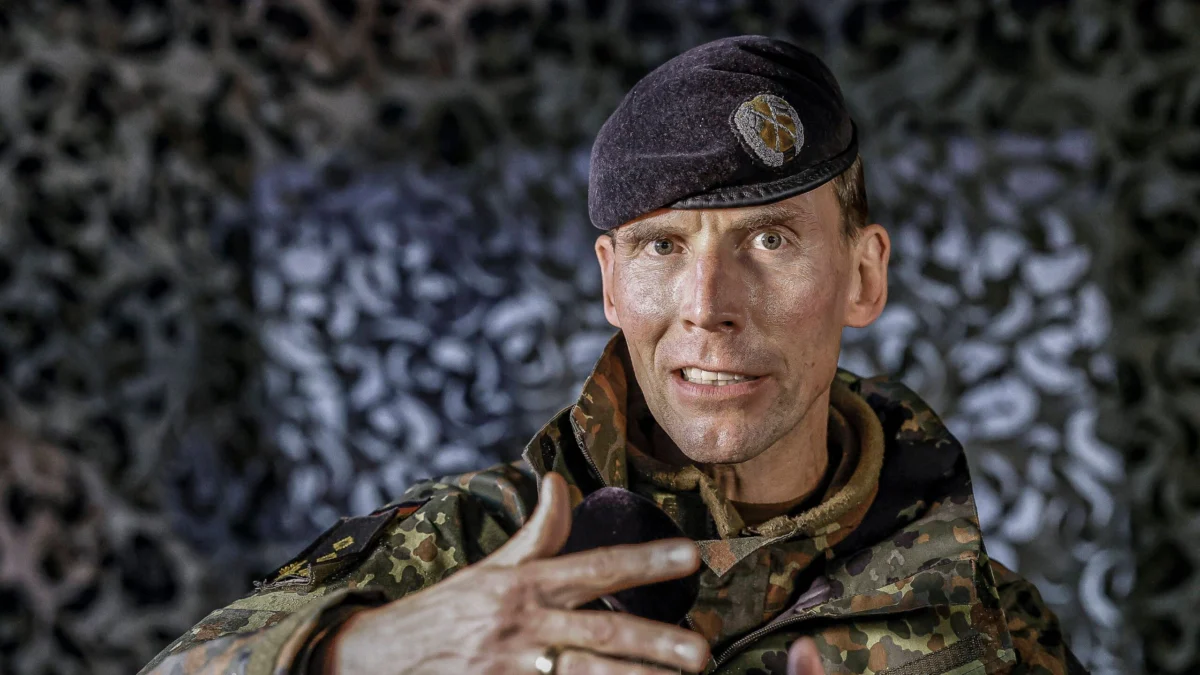
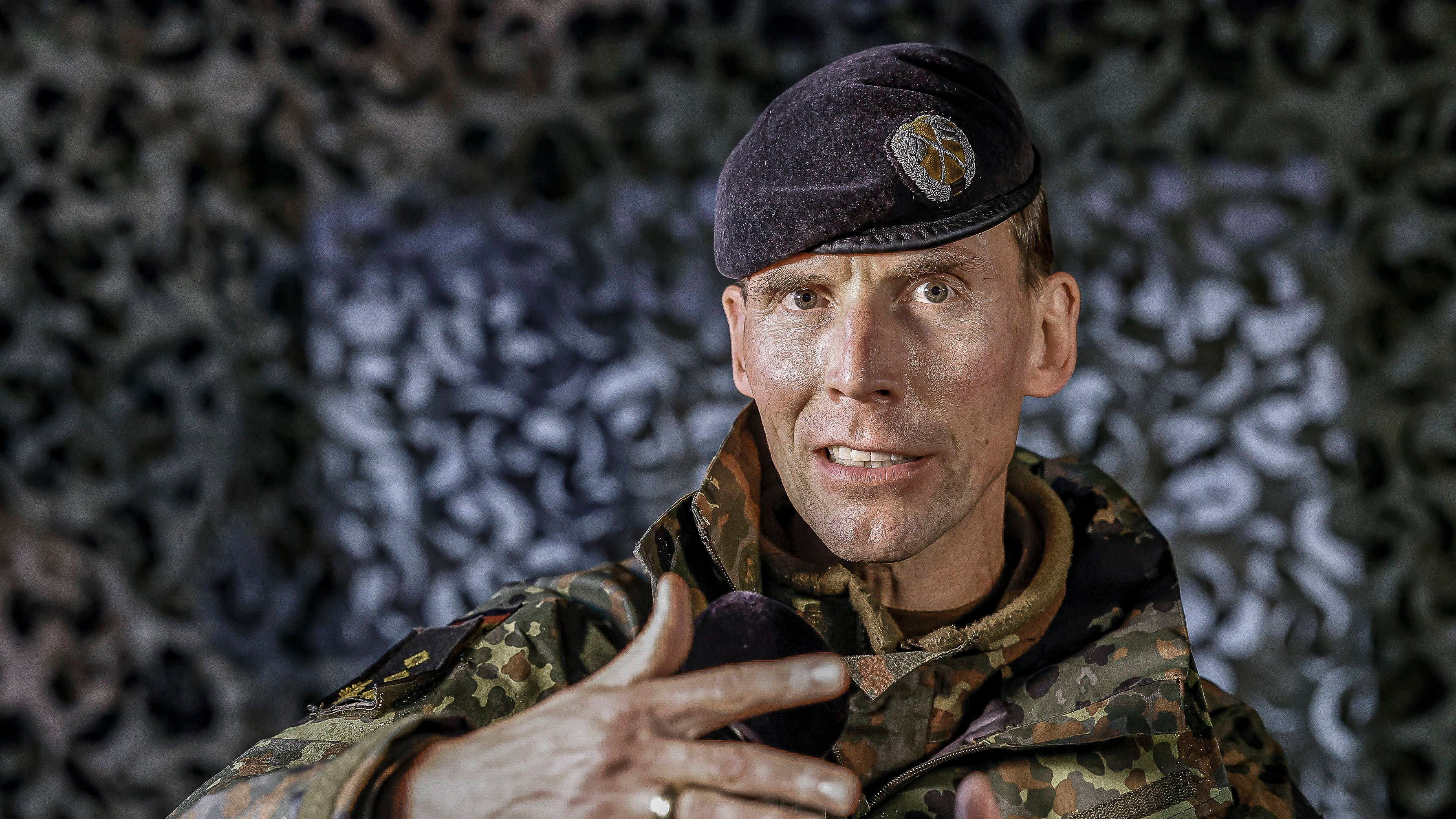
Berlin, Germany – As geopolitical tensions escalate across Europe, Germany’s military, the Bundeswehr, is undergoing an ambitious and urgent transformation. Lieutenant General Christian Freuding, Inspector of the Army, outlined a stark vision for the future of Germany’s ground forces in a recent candid interview, emphasizing a rapid shift towards digital capabilities, enhanced readiness, and strategic autonomy to confront a "real" and escalating threat from Russia. His remarks paint a picture of an army racing against the clock, grappling with procurement delays, technological integration hurdles, and the imperative to stand as a formidable force within NATO by 2035.
Introduction: Germany’s Army in a New Era
Germany’s military doctrine is undergoing its most profound shift in decades, driven by the Zeitenwende – the "turning point" declared by Chancellor Olaf Scholz following Russia’s full-scale invasion of Ukraine. This paradigm shift mandates a substantial increase in defense spending and a comprehensive modernization effort, with the Army at its core. Lieutenant General Freuding, at the helm of this transformation, articulated a clear, if challenging, path forward.
A Vision for 2035: A Larger, More Capable Bundeswehr
Freuding’s long-term vision for the German Army by 2035 is one of robust strength and technological superiority. He foresees a significantly larger force, bolstered by fully integrated reservists, nearing complete equipment capacity. This future army, he stated, will be characterized by "many innovative capabilities" and a "valuing and comradely leadership culture." Crucially, he aims for a Bundeswehr "that can assert itself and win." This aspiration is not merely rhetorical; it underpins every facet of the current modernization drive, from digital infrastructure to weapon systems and personnel development. The goal is to move beyond decades of underinvestment and operational focus on expeditionary missions, to a posture of high-intensity, peer-on-peer combat readiness within the NATO framework.
Digital Transformation: Navigating Hurdles on the Path to Modernity
The cornerstone of the Bundeswehr’s modernization is the comprehensive digitalization of its operational capabilities. However, this journey is proving to be as complex as it is vital, riddled with technical challenges and the inherent inertia of large-scale military procurement.
Digitalization of Land-Based Operations (D-LBO): Progress and Persistent Challenges
A key initiative is the Digitalization of Land-Based Operations (D-LBO), a project designed to connect all ground combat systems through a unified digital network, enabling faster information flow and enhanced decision-making. Despite initial skepticism and widely reported issues with the rollout of digital radio systems, Freuding highlighted a critical success: the 37th Panzergrenadierbrigade is now digitally capable for its role as NATO’s Forward Land Forces (FLF) spearhead in 2027. "The operational test showed that we can drive, radio, and shoot – even under demanding tactical tasks and in bad weather conditions," Freuding affirmed. This achievement, he noted, marks a significant milestone, proving the fundamental functionality of the system under realistic conditions.
However, the General was quick to acknowledge that "much work still lies ahead." The next phase demands accelerated integration of D-LBO into a broader array of weapon systems and vehicles. Furthermore, the incorporation of diverse transmission media, such as satellite communication, is essential to fully exploit the system’s potential and ensure robust, resilient connectivity. Stability remains a paramount concern, and Freuding expressed confidence in the industry’s commitment to address these areas. The D-LBO program is not just about new equipment; it’s about fundamentally altering how the Army operates, making real-time data and networked capabilities central to every mission.

The Pace of Change: Software Defined Defense and the "App Shop" Concept
The question of whether the transformation is progressing too slowly, especially given the rapid pace of technological evolution, was directly addressed. Critics point to the age of some components, such as the Rohde & Schwarz digital radios, which are a decade old. Freuding countered this concern by emphasizing the concept of "Software Defined Defense." He explained that the physical hardware is less critical than the underlying software, which can be continuously updated. "Modernity is no longer measured by the thickness of the armor steel, but by the currency of the software," he stated, encapsulating a fundamental shift in military technology philosophy.
This dynamic approach is embodied by the new Center for Digitalization of Land Operations (ZDL), which Freuding likened to an "app shop." The ZDL will be responsible for regularly updating the software across all weapon systems, ensuring that the Bundeswehr’s capabilities remain cutting-edge despite longer hardware procurement cycles. This agile software development model is crucial for keeping pace with adversaries who can rapidly iterate and deploy new technologies.
Equipment and Readiness: The Marder Dilemma and Procurement Pains
The push for modernization is not without its casualties. Strategic decisions regarding existing platforms and ongoing procurement projects highlight the tension between immediate readiness and future technological integration.

The Marder IFV: A Temporary Setback for NATO’s Spearhead
One notable development is the decision to remove the venerable Marder infantry fighting vehicle (IFV) from the planned Forward Land Forces deployment. This move, according to Freuding, stems from the Marder’s inability to meet the qualitative criteria, particularly regarding system stability, that the Bundeswehr has set for its frontline units. "System stability is important to me, and that’s why I will not dilute the criteria," he asserted, underscoring a commitment to operational excellence and soldier safety. This decision necessitates a reallocation of assignments within the Army, impacting units such as the Panzergrenadierbataillon 112 in Regen, which operates the newer Puma IFV.
Despite its removal from the immediate FLF role, the Marder, a workhorse of the German Army for over 50 years, is not being retired en masse. Freuding confirmed that approximately 120 Marder units would still be retrofitted with digital radio systems. This makes sense, he argued, because the Marder is expected to remain in service for another decade, and the digital radio upgrade represents a significant qualitative leap for its continued operational relevance. This illustrates the complex challenge of balancing legacy systems with the urgent need for digital transformation.
Broader Procurement Challenges and the "Full Depots, Prepared Factories" Doctrine
Beyond individual systems, the broader landscape of military procurement presents significant challenges. While many materials have been ordered under the Zeitenwende initiative, delays persist. Freuding candidly acknowledged that "too many procurement projects are behind schedule and below our quality standards," citing the Skyranger anti-aircraft tank as an example. While refraining from "manufacturer-bashing," his remarks underscore a systemic issue within the defense industrial base, which is struggling to ramp up production and innovation after years of leaner budgets.
To address these systemic issues and ensure future readiness, Freuding outlined a crucial procurement philosophy: "We need a balance between fully equipped units, necessary stockpiling, and the ability to quickly produce the most modern systems in large quantities if needed." This translates into a dual requirement: "We need full depots and prepared factory halls." This doctrine recognizes that modern warfare consumes matériel at an alarming rate, and deterrence is not only about what is currently in service, but also about the industrial capacity to replenish and escalate production swiftly. The recent approval of a framework contract worth over a billion euros for network-jammer drones, for example, is viewed in this light – it secures production capacity rather than committing to immediate full-scale acquisition of a technology that might rapidly evolve.
Addressing Critical Capability Gaps: Projecting Power in the 21st Century
Freuding identified five critical areas where the German Army must significantly improve its capabilities to meet contemporary threats:
- Protection against low-altitude aerial threats: The proliferation of drones and loitering munitions necessitates robust, multi-layered air defense systems capable of countering a wide spectrum of aerial threats, from small commercial drones to more sophisticated attack platforms.
- Indirect fire (long-range artillery and loitering munitions): The war in Ukraine has underscored the decisive role of long-range precision fires. Freuding stated that the Army needs the capability to strike targets up to 1500 kilometers and beyond into enemy territory. Currently, Germany lacks this capability. Approaches under consideration include "low-cost cruise missiles," such as those offered by the US firm Covenant (which aims to establish mass production in Saxony), and "high-end cruise missiles" developed jointly in Europe or procured from the US as an interim solution. This ambition represents a significant leap in offensive capabilities for the German Army, moving towards deeper strike options previously reserved for air forces.
- Electromagnetic warfare (EW): The ability to disrupt enemy communications, radar, and navigation systems, while protecting one’s own, is paramount in modern, digitally-driven conflicts. EW capabilities are essential for dominating the electromagnetic spectrum.
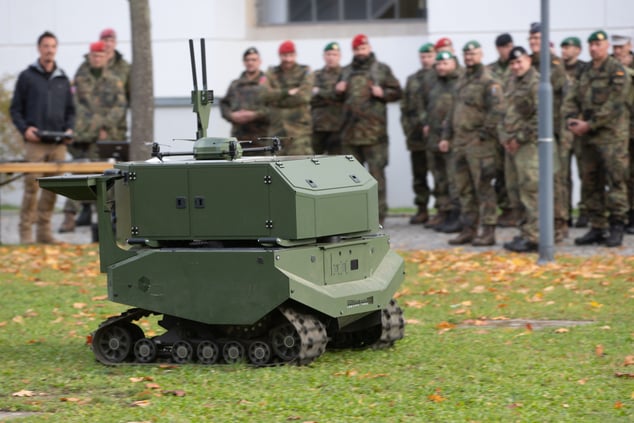
- Integration of unmanned systems: Drones and robotic systems are rapidly transforming the battlefield. Their effective integration is crucial for reconnaissance, targeting, logistics, and even direct combat roles.
- Digital command capability: Beyond D-LBO, this refers to the overarching architecture for processing, analyzing, and acting upon vast amounts of data in real-time.
Freuding expressed confidence that progress is being made in all these areas, though some require faster acceleration.

The Ascent of Unmanned Systems: A New Regiment and a Paradigm Shift
The integration of unmanned systems is a multifaceted effort, operating on three distinct levels:
- Universal soldier proficiency: Every soldier must possess basic knowledge of operating and defending against drones. This reflects the ubiquitous nature of drones in modern conflict.
- Enhancing existing unit capabilities: Unmanned systems must significantly boost the operational value of existing troop types. To achieve this, pilot companies are being established within Jäger (light infantry), Panzer (armored), and Army reconnaissance units to develop and integrate drone tactics.
- Dedicated Drone Regiment: The most significant development is the establishment of an independent drone regiment. This specialized unit will possess diverse capabilities for short, medium, and long-range operations, with envisioned ranges of up to 500 kilometers and potentially beyond. Its mandate will also include drone defense and electromagnetic warfare. Crucially, the regiment will include a dedicated company for testing and experimentation, positioned "door-to-door" with operational units. This innovative structure aims to keep pace with the high tempo of technological innovation in the drone sector, allowing for rapid adoption and adaptation of new systems and tactics.
Digital Command and Control: The Information Backbone of Modern Warfare
The ability to process and act upon information with speed and security is at the heart of 21st-century military effectiveness.
Building a Cohesive Digital Framework
Digital command capability encompasses three interconnected layers:

- Digital Backbone: The fundamental technical platform that enables data flow and communication.
- Data Management: How data is organized, processed, and consolidated from various sources.
- Data Exploitation: The ability to effectively utilize gathered data for targeted combat management and decision-making, a concept central to NATO’s operational philosophy.
Freuding indicated that the Bundeswehr has conceptual frameworks for the overall architecture and is developing concrete models and applications. He cited "Uranos AI," an AI-supported reconnaissance and engagement network for armored combat troops, which is slated for introduction into the Lithuania Brigade next year. The overarching challenge now is to integrate these disparate individual projects into a coherent digital command concept, thereby enabling the Bundeswehr to truly make "the leap into the 21st century."
Sovereignty in the Digital Domain: The Palantir and Starshield Question
The discussion also touched upon the role of private sector technology in military operations, particularly the controversial US provider Palantir and Elon Musk’s Starshield satellite constellation. Regarding Palantir’s Maven software, which NATO utilizes, Freuding stressed the need for alignment to ensure interoperability and to determine the appropriate level for its use, while prioritizing national data security and information speed. Germany’s armed forces are also working on alternatives to Palantir, with an aim to introduce them by 2027.
The critical reliance of Ukraine on Starshield and US intelligence capabilities highlighted a broader strategic vulnerability. Freuding underscored the importance of Ukraine’s unimpeded access to these data connections and intelligence from its partners. He emphasized that Starshield is of "paramount importance for combat management" and expressed hope that all partners would remain reliable in supporting Ukraine’s fight for freedom.

Recognizing this dependency, Germany is making substantial investments to bolster its own sovereign capabilities. Freuding revealed that €35 billion would be invested in developing indigenous satellite communication and other space-based assets in the coming years, affirming that "we have recognized the relevance of space." This commitment is reflected in procurement policy: for every new weapon system, integration into Germany’s own sovereign network architecture is "criterion number one," explicitly aiming to avoid reliance on external, potentially unreliable, private sector platforms like Starlink for critical functions.
The Evolving Threat Landscape: Russia’s "Shadow War" and German Readiness
The backdrop to this ambitious modernization is an increasingly volatile security environment, marked by Russia’s aggressive posture.
The year 2029 is frequently cited as the potential timeframe when Russia might be capable of attacking a NATO country, shaping much of current defense planning. Freuding issued a stark warning against complacency: "I am sure Russia is not guided by our planning horizons. This means that we must get faster and better every day and be ready when the situation demands it." This statement encapsulates the urgent mindset driving the Bundeswehr’s transformation.

Freuding confirmed an observed "exacerbation of the situation," pointing to Russia’s growing "hybrid outreach." He cited several recent incidents, including drone occurrences near sensitive sites (like the Leipzig/Halle airport), explosions and sabotage in ammunition factories in Italy and Bulgaria, and aggressive rhetoric from Russia regarding potential "special operations" in the Baltic states. These incidents, he noted, underscore that "the threat is real." He endorsed the term "shadow war," recently used by the President of the German Federal Intelligence Service (BND), as "very apt" to describe these clandestine and deniable acts of aggression that fall below the threshold of open conflict but are designed to destabilize and test NATO’s resolve.
Lieutenant General Christian Freuding: A Profile in Transformation
At 55 years old, Lieutenant General Christian Freuding embodies the new leadership guiding the Bundeswehr’s transformation. His military career began in 1990 with the armored reconnaissance troops. A political scientist with a doctorate, Freuding has held various leadership positions, including deployments in Bosnia-Herzegovina and Afghanistan, gaining valuable operational experience in complex environments. His service in the Ministry of Defence, notably as an advisor to the Inspector General and as an adjutant to former Minister Ursula von der Leyen, provided him with deep insights into defense policy and strategic planning.
Under current Defense Minister Boris Pistorius, Freuding’s influence has grown significantly. He was entrusted with leading the special staff for Ukraine, coordinating Germany’s military support, and subsequently became head of the Ministry’s new Planning and Leadership Staff. Since October 2025, he has served as Inspector of the Army, commanding the largest of Germany’s four armed services with approximately 64,000 soldiers. Freuding is widely considered a leading candidate to succeed General Inspector Carsten Breuer, who is slated to become Chairman of the NATO Military Committee next year, underscoring Freuding’s rising prominence and strategic importance within German and NATO defense structures.

Conclusion: A Bundeswehr Forged in Transformation
Lieutenant General Christian Freuding’s insights reveal a Bundeswehr caught in a transformative maelstrom, striving to overhaul its capabilities, doctrine, and industrial base at unprecedented speed. The ambitious vision for 2035, centered on a larger, digitally superior, and highly capable army, is being pursued against a backdrop of persistent procurement challenges and a rapidly escalating "shadow war" waged by Russia.
The emphasis on "Software Defined Defense," the creation of a dedicated drone regiment, and significant investments in sovereign satellite communication capabilities reflect a profound understanding of modern warfare’s technological demands. However, the success of this transformation hinges on the ability to overcome bureaucratic hurdles, accelerate industrial output, and integrate disparate projects into a cohesive, resilient operational framework. Freuding’s direct acknowledgment of these challenges, coupled with his resolute commitment to quality and readiness, signals a clear and determined path for the German Army as it endeavors to become a winning force in an increasingly dangerous world. The race is on, and for Germany’s military, every day counts in the urgent pursuit of preparedness.
First published: October 24, 2026, 3:15 PM.