GENEVA, SWITZERLAND – October 27, 2026 – A stark new report from the World Meteorological Organization (WMO) delivers a sobering assessment of the planet’s climate crisis, revealing that concentrations of the three most potent long-lived greenhouse gases – carbon dioxide (CO2), methane, and nitrous oxide – continued their relentless ascent in 2025, reaching unprecedented levels. The findings underscore a critical failure in global efforts to curb emissions and warn that the Earth’s natural systems are increasingly overwhelmed, struggling to recover from the intensifying impacts of human-induced warming.
Since 1990, the warming influence exerted by these long-lived greenhouse gases on the planet’s climate system has surged by an alarming 56 percent. This relentless accumulation means more and more heat is being trapped within the atmosphere, driving global temperatures higher and exacerbating extreme weather events worldwide. The report, drawing on comprehensive global observations, serves as a crucial scientific foundation for the upcoming COP31 climate conference in Antalya, Turkey, where nations will reconvene in November to negotiate strategies to meet their climate commitments.
Main Facts: A Planet Under Pressure
The WMO’s latest Greenhouse Gas Bulletin paints a grim picture:
- Record Concentrations: In 2025, atmospheric concentrations of CO2, methane, and nitrous oxide reached new all-time highs, continuing a decades-long upward trend.
- Accelerating Growth Rate: Alarmingly, the rate at which these gases are accumulating in the atmosphere has not only continued but accelerated, signaling that current mitigation efforts are insufficient.
- CO2 Dominance: Carbon dioxide remains the primary driver of this enhanced greenhouse effect, accounting for approximately 80% of the increase in radiative forcing (the warming influence) since 1990.
- Struggling Natural Sinks: Terrestrial ecosystems and oceans, which historically absorb a significant portion of anthropogenic CO2 emissions, are showing clear signs of stress, with their capacity to sequester carbon diminishing under conditions of extreme heat and drought.
- El Niño’s Echo: The powerful El Niño phenomenon of 2023/2024 significantly exacerbated the situation, contributing to an exceptionally sharp rise in CO2 concentrations in 2024, with recovery proving elusive even in its absence in 2025.
- Methane’s Potent Role: Methane, a short-lived but highly potent greenhouse gas, continues to rise, with significant contributions from the fossil fuel industry and agriculture, highlighting an area with considerable potential for rapid mitigation.
- Emerging Concerns: The report also notes a record increase in sulfur hexafluoride (SF6), a synthetic greenhouse gas used in the energy sector, underscoring the complex challenges of the global energy transition.
Chronology: A Relentless Accumulation Since 1990
The narrative of rising greenhouse gas concentrations is not new, but the WMO’s latest data underscores a disturbing acceleration. For decades, scientists have tracked the steady increase of heat-trapping gases in our atmosphere, a direct consequence of human activities, primarily the burning of fossil fuels since the industrial revolution. The period since 1990, however, marks a critical acceleration point, with the cumulative warming effect of long-lived greenhouse gases intensifying by more than half.
"This is not surprising, but it is certainly worrying," states Sönke Zaehle from the Max Planck Institute for Biogeochemistry in Jena, commenting on the WMO’s findings. "The fact that the growth rate is increasing rather than falling demonstrates that we are not doing enough." His assessment highlights a critical juncture: despite growing scientific consensus and international agreements, the trajectory of atmospheric greenhouse gas concentrations remains stubbornly upward, signaling a profound disconnect between ambition and action.
The WMO’s data for 2025 confirms this trend, showing continued increases across the board. This persistent rise means that even if global emissions were to stabilize today, the warming impact would continue for centuries due to the long atmospheric lifetime of many of these gases. The inertia of the climate system, combined with the continuous influx of emissions, creates a challenging feedback loop that threatens to push the planet beyond critical thresholds.
Supporting Data: A Deeper Dive into Greenhouse Gases and Their Sources
Carbon Dioxide: The Unyielding Primary Driver
Carbon dioxide (CO2) remains the most significant anthropogenic greenhouse gas, primarily stemming from the combustion of fossil fuels such as coal, oil, and natural gas. This process releases vast amounts of stored carbon into the atmosphere, where it can persist for hundreds to thousands of years, effectively locking in future warming.
"CO2 affects our daily lives," explains Dagmar Kubistin of the German Weather Service. "Globally, we see countries developing: economic growth, industrialization, and energy consumption are rising worldwide. Renewable energies are increasing, but they are not yet sufficient to fully offset this overall trend." This economic development, while improving living standards for millions, has historically been energy-intensive and heavily reliant on fossil fuels. The challenge, as Kubistin emphasizes, lies in rapidly decoupling economic growth from carbon emissions. Transitioning to a global energy system powered predominantly by renewables is a monumental task, requiring unprecedented investment, technological innovation, and political will. Until this shift is fully realized, the atmosphere will continue to bear the brunt of our energy demands.
Natural Carbon Sinks Under Siege: The Ecosystems’ Retreat
Normally, forests, soils, and oceans act as vital natural carbon sinks, absorbing a substantial portion of the CO2 emitted by human activities. Terrestrial ecosystems alone, encompassing forests, soils, and various plant life, typically absorb about a quarter of human CO2 emissions. However, the WMO report reveals that these natural allies are increasingly stressed and less effective, struggling to keep pace with the sheer volume of emissions and the adverse impacts of a changing climate.
The powerful El Niño climate phenomenon of 2023/2024 provided a stark illustration of this vulnerability. Characterized by unusually warm ocean temperatures in the equatorial Pacific, El Niño events often lead to widespread changes in global weather patterns, including intensified heatwaves and prolonged droughts in many regions. During this period, numerous tropical areas suffered extreme weather conditions. Plants, under heat stress and water scarcity, absorbed less CO2. Simultaneously, widespread wildfires, particularly in regions like Southeast Asia (e.g., Indonesia, where massive blazes were reported), released additional carbon back into the atmosphere.
Consequently, the WMO reported an exceptionally sharp increase in atmospheric carbon concentrations in 2024 – a surge greater than in any other year since systematic measurements began. Even more concerning, despite the absence of an active El Niño in 2025, CO2 concentrations continued their strong upward trend.
"The systems have no time to recover," warns Oksana Tarasova, an atmospheric physicist at the WMO. "If they cannot recover, more and more carbon dioxide remains in the atmosphere – driving further changes." This lack of recovery is a critical warning signal, indicating that the Earth’s natural buffer capacity against climate change is weakening. As natural sinks become less efficient, a larger proportion of anthropogenic emissions remains in the atmosphere, creating a dangerous feedback loop where warming further degrades natural systems, which in turn accelerates warming. The WMO projects that extreme weather phenomena will become more frequent and severe in the future, further weakening critical carbon sinks like forests and wetlands, thereby complicating future climate protection efforts.
Methane: A Potent, Short-Lived Threat with Immediate Mitigation Potential
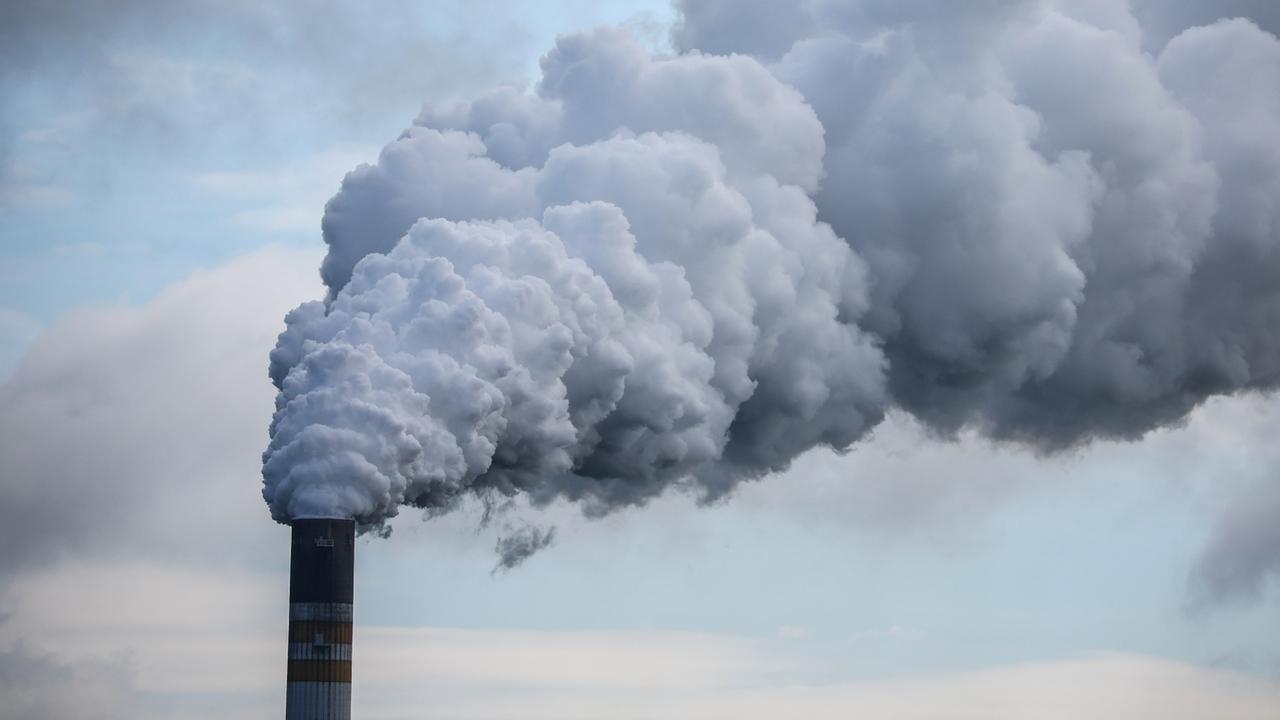
While CO2 dictates the long-term trajectory of global warming, methane (CH4) is considered a particularly crucial lever for climate action in the coming decades. Though it remains in the atmosphere for a much shorter period than CO2 (around 12 years compared to centuries for CO2), methane is an extremely potent greenhouse gas, warming the Earth approximately 80 times more strongly than carbon dioxide over a 20-year timeframe.
Methane emissions originate from both natural and anthropogenic sources. The WMO estimates that roughly 35 percent of methane emissions come from natural sources, primarily wetlands, where organic matter decomposes in anaerobic conditions. However, the vast majority – around 65 percent – is human-caused. "With methane, the oil and gas industry accounts for a large share," explains Dagmar Kubistin. "Additionally, agriculture plays a significant role, including ruminants like cattle and rice cultivation." Methane leaks from natural gas infrastructure, flaring, and venting from oil and gas operations are major contributors. In agriculture, methane is produced during the digestive processes of livestock and from organic matter decomposing in flooded rice paddies.
For Sönke Zaehle, methane represents a prime opportunity for rapid climate action. "If we want to achieve something quickly in the short term, we must tackle the gas that reacts quickly in the atmosphere – that is methane," he asserts. Significant emission reductions could be achieved relatively swiftly by addressing methane leaks from fossil fuel infrastructure and by reducing losses throughout the supply chain. The agricultural sector also offers pathways for mitigation, such as optimizing feeding practices for livestock, managing herd sizes more sustainably, and re-evaluating global meat consumption patterns.
However, political action on methane faces obstacles. The EU Commission has proposed delaying parts of its methane regulation by one year, while the European Parliament has pushed for a three-year postponement. These delays affect crucial requirements for monitoring and reporting methane emissions from imported oil, gas, and coal, potentially undermining efforts to curb this powerful greenhouse gas.
Nitrous Oxide: The Overlooked Contributor
Nitrous oxide (N2O), often overlooked in public discourse compared to CO2 and methane, is another long-lived and potent greenhouse gas. It is emitted from both natural sources (such as soils and oceans) and anthropogenic activities, primarily agriculture through the use of synthetic fertilizers, manure management, and industrial processes. Over a 100-year period, nitrous oxide is nearly 300 times more potent than CO2. Its continued rise, albeit in smaller concentrations, contributes significantly to the overall warming trend and depletes stratospheric ozone, further complicating climate and environmental challenges. More targeted and efficient use of fertilizers is a key strategy for mitigating N2O emissions.
The Energy Transition’s Unintended Byproduct: Sulfur Hexafluoride (SF6)
The WMO report also highlights an unexpected challenge emerging from the global energy transition: a record increase in atmospheric concentrations of sulfur hexafluoride (SF6). This synthetic greenhouse gas is primarily used in electrical switchgear and other equipment within the power industry due to its excellent insulating and arc-quenching properties. The expansion of renewable energy infrastructure, which often requires more complex grid systems and switchgear, contributes to its increased usage.
SF6 is an exceptionally potent greenhouse gas, approximately 24,000 times more climate-effective than CO2 over a 100-year period. What makes it particularly concerning is its atmospheric lifetime, which can extend for thousands of years. However, SF6 currently exists in the atmosphere only as a minuscule trace component.
Despite this alarming potency, atmospheric researcher Zaehle cautions against viewing SF6 as an argument against the energy transition. "The CO2 savings would significantly outweigh the additional climate effects, even if it’s not always entirely simple," he notes. He emphasizes that with careful management, such as preventing gas leakages from equipment, the environmental impact of SF6 can be mitigated. The focus must remain on the enormous benefits of decarbonizing the energy sector, while simultaneously managing the environmental footprint of new technologies.
Official Responses: Expert Commentary and Policy Reactions
The WMO’s report is not merely a collection of data; it’s a clarion call, reinforced by leading climate scientists. The consensus among experts is unequivocal: the current trajectory is unsustainable, and the window for effective action is rapidly closing.
Sönke Zaehle’s observation that the increasing growth rate of greenhouse gases demonstrates a lack of sufficient action resonates with the overall tone of urgency. Dagmar Kubistin of the German Weather Service underscores the systemic nature of the challenge, linking rising CO2 to global economic development and the current inability of renewable energies to fully compensate for fossil fuel consumption. Her call for rapid change reflects the scientific community’s growing impatience with the pace of policy implementation.
Oksana Tarasova’s warning about natural systems having "no time to recover" is particularly poignant. It highlights the shift from a relatively stable state, where nature could largely absorb human impacts, to one where ecosystems are pushed beyond their resilience limits. This signifies a dangerous feedback loop where climate change itself undermines the Earth’s capacity to heal.
The policy responses, however, present a mixed picture. While there is broad recognition of the need for climate action, specific measures often face political hurdles. The proposed delays by the EU Commission and European Parliament on methane regulations for imported fossil fuels are a case in point. Such deferrals, even if intended to ease economic transitions, send a problematic signal about the urgency of tackling powerful greenhouse gases. Critics argue that these delays risk undermining the EU’s own climate leadership and provide a dangerous precedent for other nations.
Implications: The Road to COP31 and Beyond
The WMO’s report is designed to serve as a critical scientific input for the 31st Conference of the Parties (COP31) to the UNFCCC, scheduled to take place in Antalya, Turkey, in November. It lays bare the scientific reality that negotiators will confront: the world is far off track from its climate goals, particularly the aspirational 1.5°C limit set by the Paris Agreement.
From the perspective of climate researchers, the tasks ahead are crystal clear and multi-faceted:
- Decarbonize Energy, Transport, and Industry: A radical reduction in CO2 emissions from power generation, transportation, and heavy industry is paramount. This requires accelerated investment in renewable energy technologies, widespread electrification, and the development of sustainable industrial processes.
- Tackle Methane Emissions: Aggressive measures are needed to reduce methane from leaky gas infrastructure, as well as from agricultural practices. This includes technological solutions for leak detection and repair, improved livestock management, and exploring dietary shifts towards less meat-intensive consumption.
- Optimize Nitrous Oxide Management: More targeted and efficient use of fertilizers in agriculture is essential to curb nitrous oxide emissions, which contribute significantly to warming and ozone depletion.
Crucially, effective climate action also requires robust and reliable measurement systems to accurately monitor changes in atmospheric concentrations and to verify the actual impact of mitigation measures. "We must sensibly activate all the levers we have," summarizes Sönke Zaehle. He acknowledges that the European Union is generally on a good path but warns against complacency, emphasizing that this trajectory must not be abandoned.
The new WMO figures are a stark reminder that the current trend – more greenhouse gases, more warming, and increasingly burdened natural carbon sinks – is accelerating. The speed and decisiveness with which policymakers respond, and the consistency with which they implement existing solutions and foster new ones, will ultimately determine whether nature can still keep pace, or if humanity will face an even more volatile and dangerous climate future. The stakes for COP31 and the years beyond could not be higher.