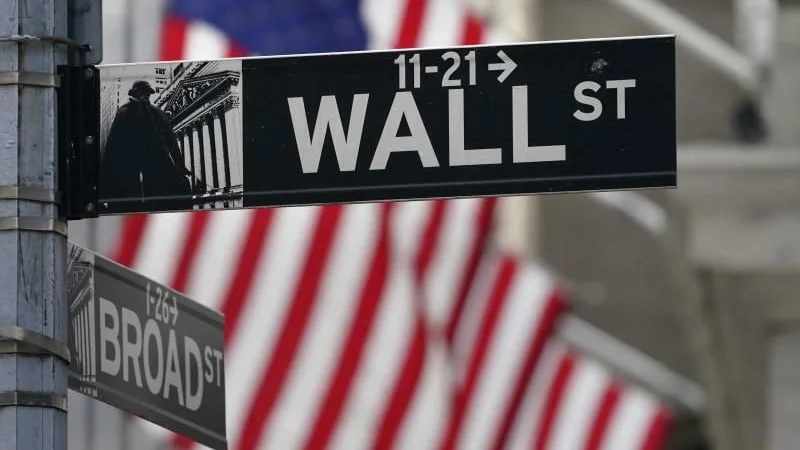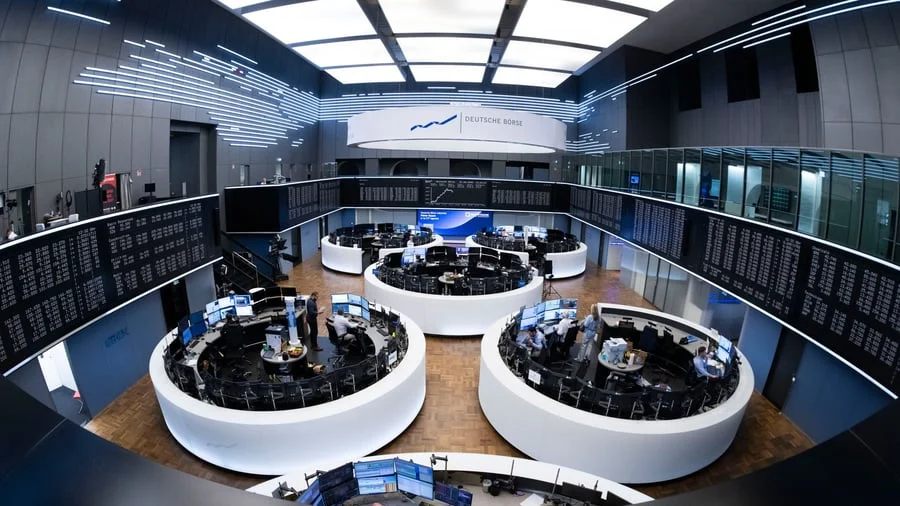
DÜSSELDORF – The initial euphoria surrounding rumors of a potential initial public offering (IPO) for AI powerhouse Anthropic has begun to show signs of cooling, as investors shift their focus toward more immediate, systemic concerns. While the broader technology sector managed to maintain a positive trajectory on Tuesday, the overall sentiment on Wall Street remained cautious, characterized by mixed results across major indices. As the market enters a pivotal stretch of the calendar, investors are recalibrating their portfolios in the face of imminent central bank decisions and escalating geopolitical tensions.
Main Facts: A Market in Transition
The current market environment is defined by a dichotomy: while innovation-driven sectors—particularly those anchored in Artificial Intelligence—continue to draw capital, the macroeconomic backdrop is becoming increasingly complex.
The excitement surrounding Anthropic, a leader in large language models and a primary challenger to OpenAI, provided a temporary morale boost for the tech sector. However, this optimism was quickly tempered by the realization that interest rate paths and geopolitical stability remain the primary drivers of equity valuations. By the close of trading on Tuesday, the S&P 500 and the Nasdaq Composite displayed a lack of clear direction, signaling that the market is currently in a "wait-and-see" mode ahead of critical economic updates.
Chronology of Market Events
The lead-up to this week’s volatility began with a cooling of speculation regarding high-profile tech listings. Investors who had been pricing in aggressive growth for AI-adjacent companies began to hedge their positions as the Federal Reserve’s two-day policy meeting commenced.
- Tuesday Morning: Market sentiment was initially buoyed by tech-sector gains. Traders focused on the anticipation of earnings reports from blue-chip companies like Coca-Cola and UPS.
- Tuesday Mid-day: As energy prices showed signs of volatility due to unrest in the Middle East, indices began to fluctuate. The initial excitement regarding potential AI IPOs began to wane as the reality of a "higher-for-longer" interest rate environment resurfaced.
- Tuesday Closing: The session concluded with a mixed performance. The focus shifted immediately to the Wednesday Fed announcement and the upcoming European Central Bank (ECB) policy update on Thursday.
- Looking Ahead: The remainder of the week is dominated by the "Mega-Cap" earnings cycle, with Microsoft, Alphabet, and Amazon set to provide the most significant data points for the quarter.
Supporting Data: The Macroeconomic Tug-of-War
The core concern currently gripping the trading desks is not merely the level of interest rates, but the underlying health of the global economy.
The Interest Rate Dilemma
Market consensus suggests that neither the Federal Reserve nor the European Central Bank will implement immediate rate cuts this week. However, the accompanying statements from Chair Jerome Powell and ECB President Christine Lagarde are being scrutinized for any deviation in tone. The market is looking for clues regarding the duration of the current restrictive monetary policy.
Inflation and Energy Pressures
The intersection of energy prices and inflation is the primary variable in the current equation. Daniela Hathorn, a prominent market analyst at capital.com, highlighted the sensitivity of the markets to this specific relationship.
"The markets are reacting with extreme sensitivity to the possibility that elevated energy prices—compounded by persistent core inflation—could force central banks to maintain their restrictive monetary stance for longer than the market previously anticipated," Hathorn explained. "For equities, it is becoming increasingly vital to distinguish between two scenarios: whether higher yields are a byproduct of economic resilience or a result of inflation and fiscal anxiety."
Official Responses and Expert Analysis
Market analysts emphasize that the market is undergoing a fundamental shift in how it values growth companies. For years, the narrative was driven by top-line revenue expansion. Now, the emphasis has shifted toward operational efficiency and the ability of tech giants to convert their massive infrastructure spending into tangible profitability.
"If higher bond yields are driven by economic growth, that can actually support corporate earnings," Hathorn noted. "However, if the yield environment is driven by inflation fears and fiscal instability, it poses a direct threat to equity valuations, as it compresses the multiples that investors are willing to pay for future earnings."
This sentiment is echoed across institutional desks. The "AI Premium," which has carried the stock market for the past eighteen months, is being tested. Investors are no longer satisfied with general promises of "AI integration"; they are demanding specific metrics on ROI (Return on Investment) for the billions of dollars sunk into data centers, GPUs, and specialized talent.
Implications: The Earnings Litmus Test
As the week progresses, the focus shifts from monetary policy to the corporate ledger. The earnings reports from Microsoft, Alphabet, and Amazon are not just individual company updates; they serve as a barometer for the entire tech industry.
The Profitability Hurdle
The central question for the current earnings season is: Where is the money going?
Microsoft’s integration of Copilot, Alphabet’s Gemini model, and Amazon’s AWS infrastructure expansion are massive capital expenditures. Investors are now watching closely to see if these costs are beginning to yield margin expansion. "Investments in AI infrastructure must now translate into sustainable revenue growth and bottom-line profitability," said Hathorn. "The market has grown impatient with the ‘growth at all costs’ narrative."
Geopolitical Risks
Beyond the balance sheets, the geopolitical situation in the Middle East remains a wildcard. Energy markets, which influence everything from transportation costs for companies like UPS to the discretionary income of the average consumer, are hypersensitive to news flow from the region. Any disruption in energy supply chains would likely force a rapid reassessment of inflation forecasts, potentially derailing the "soft landing" scenario that many investors have banked on for 2024.
The Path Forward
As the Fed and the ECB conclude their meetings, the market will likely experience a period of heightened volatility. The implications of this week are long-reaching:
- Valuation Compression: If the Fed signals a "higher for longer" stance, tech valuations will likely face further pressure.
- Sector Rotation: Should investors become disillusioned with the pace of AI monetization, we could see a rotation into defensive sectors or value stocks.
- Market Leadership: The performance of the "Magnificent Seven" will determine whether the broader indices can maintain their upward momentum or if a correction is imminent.
In conclusion, the market is currently caught in a transition phase. The initial, speculative buzz surrounding IPOs and emerging AI technologies is being replaced by a more grounded, analytical approach to investment. With central bank policy, earnings reports, and global geopolitical stability all converging, the coming days will likely define the market sentiment for the remainder of the year. Investors are advised to remain cautious, focusing on companies with strong balance sheets and the proven ability to demonstrate profitability in an era of elevated interest rates and global uncertainty.