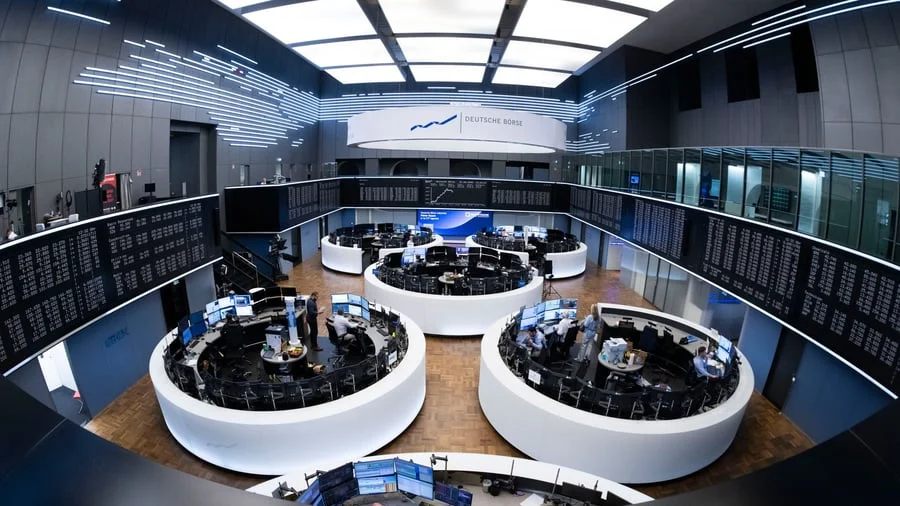
In a landmark shift for European financial markets, the Deutsche Börse Group has officially unveiled a new era of accessibility. As of October 2026, the 40 blue-chip companies comprising the DAX index are now available for trading 24 hours a day, seven days a week. This move marks the most significant evolution in German stock market infrastructure in decades, aiming to align domestic trading capabilities with the relentless pace of global, digital-first finance.
For decades, the rhythm of the German stock exchange was dictated by the clock. From the morning opening bell to the evening close, investors operated within a rigid framework of "business hours." That era has now ended. Whether an investor is based in Frankfurt, Tokyo, or New York, the ability to react to corporate news, geopolitical shifts, or sudden market volatility is no longer confined to the traditional working day.
The Mechanics of Perpetual Trading
The transition to a 24/7 model does not mean the primary Xetra platform—the electronic heartbeat of the German equity market—is changing its core operational hours. Instead, the Deutsche Börse has leveraged its strategic assets to create a seamless bridge between traditional and modern trading environments.
Trading during non-standard hours—specifically at night and on weekends—is facilitated through 360X, a specialized trading platform established in 2021. The platform, a collaborative venture between the Deutsche Börse and the Commerzbank, serves as the engine for this continuous availability. Crucially, the settlement of these trades remains anchored in the existing infrastructure provided by Clearstream, the group’s post-trading services provider. This ensures that while the trading environment is new, the security and reliability of clearing and settlement remain consistent with institutional standards.
The Role of 360X and Market Integrity
It is important to note that the "off-hours" trading on 360X operates independently of the official Xetra opening auctions. Prices formed on 360X during the weekend or the dead of night do not serve as the official opening price for the next business day. This separation is vital to maintain the integrity of the reference prices that institutional investors, index funds, and algorithmic trading systems rely upon. By segregating these liquidity pools, the Deutsche Börse aims to offer flexibility without undermining the price discovery mechanism that occurs during the core Xetra session.
A Chronology of Extended Horizons
The move to 24/7 trading is the culmination of a decade-long trend toward market liberalization and digitalization. To understand the significance of this development, one must look at how the German equity market has evolved:
- Pre-2025 Era: The market was largely confined to standard working hours, with minor extensions for institutional needs.
- December 2025: Responding to demand from retail investors, the Deutsche Börse extended Xetra’s trading hours for private clients, pushing the close from 17:30 to 22:00 CET. This was the first major step toward acknowledging that the modern investor no longer works a standard "nine-to-five."
- 2026 Strategy: Throughout the year, the Deutsche Börse intensified its focus on digital infrastructure. The integration of DAX 40 equities into the 360X platform was developed to solve the "news-gap" problem—the tendency for significant market-moving events to occur when the exchange is closed.
- October 2026: The official launch of 24/7 availability for all 40 DAX constituents, marking the first time a major European index has achieved full-time liquidity.
Strategic Implications: Why Now?
The decision to go "always-on" is driven by three primary factors: globalization, the rise of the retail investor, and the need for competitive parity.
The Globalization of News
In an era where a tweet from a CEO or a sudden legislative change in Washington can send shockwaves through European markets at 2:00 AM local time, traditional trading hours created an artificial disadvantage for European investors. By enabling 24/7 trading, the Deutsche Börse is essentially "leveling the playing field." Investors can now hedge their positions or reallocate capital in response to global events in real-time, rather than waiting for the market to open at 9:00 AM, by which time the opportunity for risk management may have passed.
The Retail Revolution
The rise of neo-brokers and mobile trading apps has fundamentally altered the demographic of the stock market. Younger, tech-savvy investors expect the same 24/7 availability from their brokerage accounts as they do from their streaming services or e-commerce platforms. By pushing into the weekend, the Deutsche Börse is acknowledging that the "work week" is no longer a monolith and that personal finance is increasingly being managed during leisure time.
Competitive Infrastructure
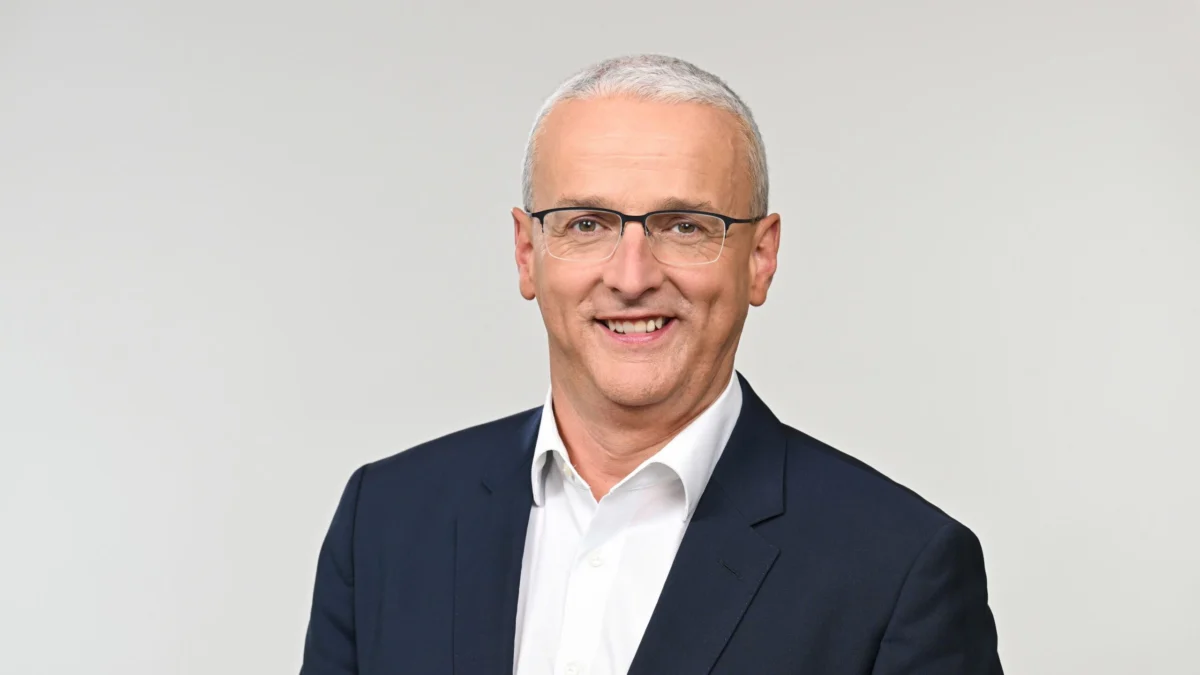
The Deutsche Börse is positioning itself as the premier European financial hub. With competition from US exchanges and decentralized finance (DeFi) platforms—which never sleep—the exchange realized that to maintain relevance, it had to evolve. "The Deutsche Börse Group has the goal to be the first European financial market infrastructure that enables a 24/7 offering for classic blue-chip stocks," says Eric Leupold, Head of Cash Market at the Deutsche Börse Group.
Official Responses and Industry Sentiment
The leadership at the Deutsche Börse emphasizes that this is not merely a change in hours, but a change in philosophy.
"By making the DAX 40 titles tradeable on 360X, we are connecting deep, regulated liquidity pools with the flexibility of round-the-clock availability in a secure way," explains Carlo Kölzer, Head of Digital and FX at the Deutsche Börse and Co-CEO of 360X. "This allows our customers to manage risks whenever global markets move."
The industry reception has been largely positive, particularly among brokers who have struggled to satisfy client requests for extended trading windows. However, institutional analysts caution that the transition requires a shift in how market volatility is perceived. When the market is always open, the "start" and "end" of a market cycle become blurred, potentially requiring new analytical tools for traders.
Risks and Considerations for the Investor
While the convenience of 24/7 trading is a clear benefit, it is not without its pitfalls. Investors must be aware of the "liquidity trap."
The Liquidity Challenge
Liquidity—the ability to buy or sell an asset without significantly impacting its price—is at its peak during core Xetra hours. During the night or on weekends, the number of active participants naturally drops. This leads to a wider "bid-ask spread." For the average investor, this means that the cost of trading may be higher outside of standard hours than it is during the day.
Volatility and Thin Markets
In thinner markets, a single large sell or buy order can trigger a disproportionate move in the stock price. An investor placing a market order on a Sunday night might find themselves paying a higher price than anticipated due to the lack of counter-orders. Financial advisors emphasize that while the capability to trade is now there, it should be used judiciously. "Just because you can trade at 3:00 AM on a Saturday doesn’t always mean you should," noted one market analyst.
Due Diligence
The Deutsche Börse has emphasized that access to this new window is subject to the offerings of individual banks and brokers. Investors should consult their financial institutions to understand:
- Fee structures: Are there higher transaction costs for weekend trading?
- Execution quality: How does the broker manage price discovery during off-peak hours?
- Risk Management: Does the broker provide sufficient data to ensure the investor isn’t trading in an illiquid environment?
The Future of the European Market
The move by the Deutsche Börse is likely just the beginning. As technology continues to lower the barriers to entry, it is expected that other indices—such as the MDAX or European-wide indices—may eventually follow suit. The 24/7 model is becoming the global standard, and by bringing the DAX into this fold, Frankfurt has signaled that it intends to remain at the vanguard of the modern financial world.
The transition marks a departure from the "ivory tower" image of the stock exchange, moving toward a utility-based model where financial infrastructure is as accessible and reliable as the internet itself. For the German economy, this represents a modernization that keeps its blue-chip companies at the heart of global investor activity, regardless of what time the clock strikes in Frankfurt. As the dust settles on this announcement, one thing is certain: the financial world has become a little smaller, a little faster, and significantly more accessible.