In a move that signals a significant shift in Apple’s silicon strategy, the tech giant has officially announced the integration of the M6 processor into its core product lineup. Following the recent rollout of the updated Mac Mini, Apple has now extended this hardware upgrade to its entry-level MacBook Pro and the iconic, all-in-one iMac. This strategic expansion suggests that Apple is positioning the M6 not merely as a high-end chip, but as the new standard for both portable and desktop computing across its consumer-facing ecosystem.
For long-time Apple users, this announcement represents a critical juncture. The transition to the M6 architecture is being marketed by Cupertino as a generational leap, specifically targeting users of older M1 machines or legacy Intel-based systems who have been waiting for a compelling reason to upgrade. However, as with most premium hardware releases, the entry price remains a significant factor, with the new machines demanding a considerable investment.
Main Facts: What the M6 Brings to the Table
The M6 chip is the latest iteration in Apple’s proprietary silicon journey, designed to bridge the gap between efficiency and high-performance computing. By embedding the same architecture into the iMac and the MacBook Pro, Apple is standardizing its internal performance metrics, effectively blurring the lines between its desktop and laptop capabilities.
Key technical specifications for these new models include:
- Performance Scaling: Apple claims the M6 delivers massive gains in productivity-heavy tasks. In applications like Microsoft Excel, the new iMac is reported to operate up to 2.5 times faster than its predecessors.
- AI and Machine Learning: For those utilizing local AI models, the MacBook Pro with the M6 chip offers significantly reduced latency. Apple reports that AI-driven tasks—such as initial token generation—are up to 13 times faster than on original M1-equipped devices.
- Graphics and Creativity: Both the iMac and MacBook Pro now feature a powerful 12-core GPU (in top-tier configurations), which Apple highlights as a game-changer for 3D modeling, high-resolution video editing, and modern gaming.
- Connectivity and Hardware: Both devices now feature "Center Stage" camera technology, ensuring the user remains centered during video calls. Wireless connectivity has been upgraded to the Wi-Fi 7 standard, complemented by the adoption of Bluetooth 6 for superior peripheral integration.
Chronology: The Road to the M6 Update
The trajectory of Apple’s silicon development has been rapid. Since the initial transition away from Intel in 2020, Apple has maintained an aggressive biennial update cycle.
- October 2026 (Pre-launch): Rumors intensified regarding the "universal" nature of the M6, with leaks suggesting that Apple would prioritize a unified chipset strategy to simplify software optimization.
- October 28, 2026: Official opening of pre-orders and configuration options on the Apple Store. This date serves as the catalyst for the current market shift.
- November 6, 2026: The scheduled commencement of retail shipments, marking the date when the M6 generation will officially enter the hands of consumers globally.
This timeline reflects Apple’s refined "just-in-time" supply chain strategy, which focuses on generating momentum through short lead times between announcement and physical availability.

Supporting Data: Performance Metrics vs. Legacy Systems
The core of Apple’s marketing campaign for the M6 is the "Comparison Narrative." By highlighting the gap between the M6 and the M1, Apple is attempting to create a sense of urgency for the vast install base that adopted the first generation of Apple Silicon.
The iMac’s Desktop Evolution
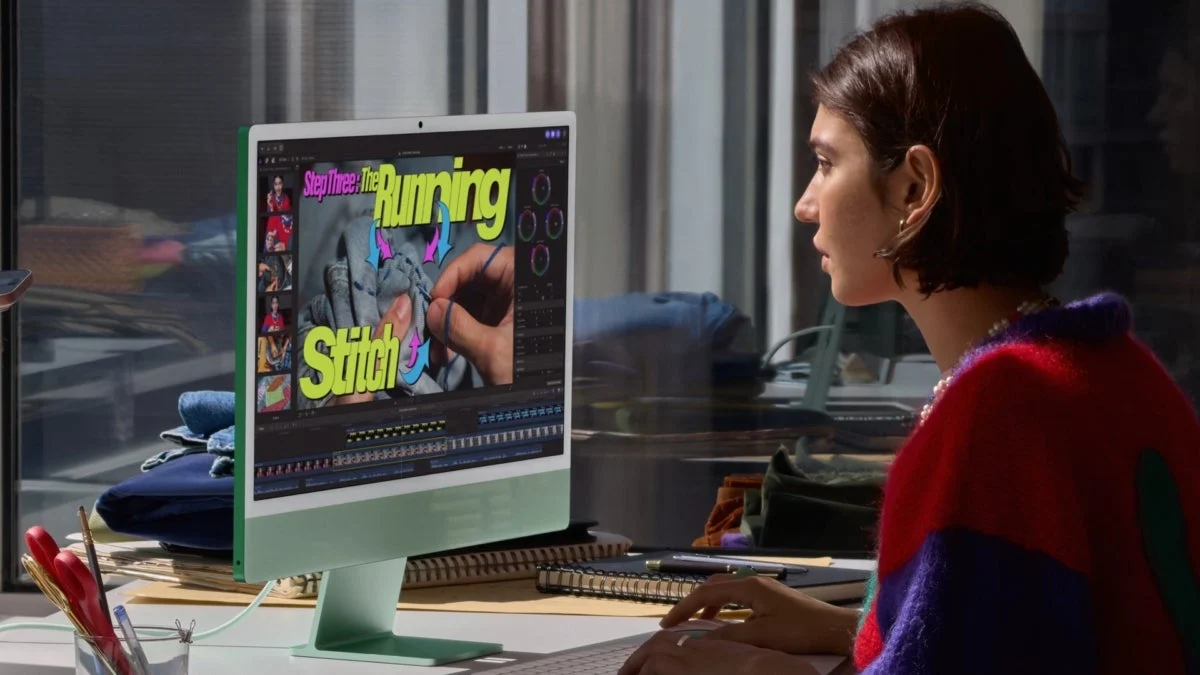
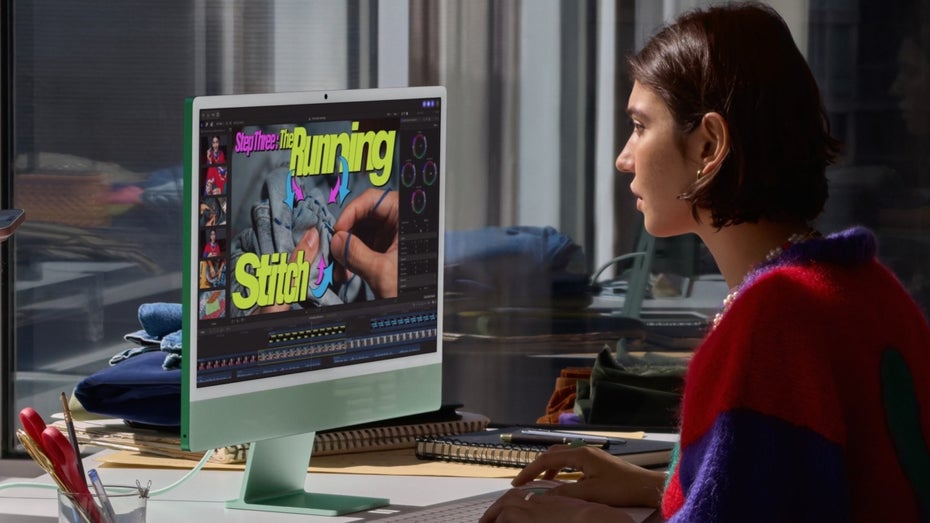
The iMac remains the company’s premier solution for families and creative professionals who prefer a stationary setup. The current iteration retains the beloved 24-inch form factor with a 4.480 x 2.520 resolution display. For those requiring a more refined visual experience, Apple continues to offer the optional "nano-texture" glass coating, which significantly reduces glare—a feature previously reserved for the Pro Display XDR line.
MacBook Pro: The Portable Powerhouse
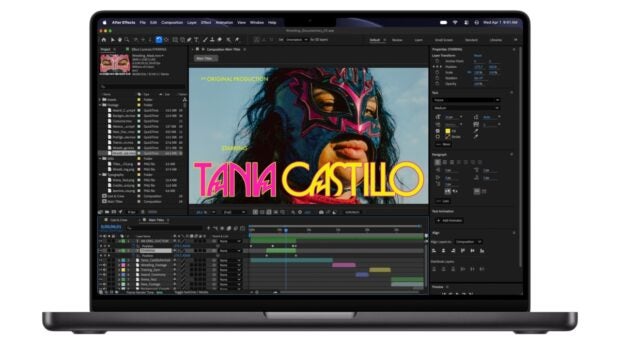
While the iMac focuses on the desktop experience, the MacBook Pro with M6 is positioned as a workstation for those on the move. The inclusion of the "Liquid Retina XDR" display, utilizing advanced mini-LED technology, ensures that the laptop remains a primary choice for high-end color grading and media production. Unlike the iMac, the MacBook Pro offers a more robust array of ports, including a dedicated MagSafe charger, three Thunderbolt 4 ports, a headphone jack, and a built-in SD card reader for photographers.
Official Responses and Strategic Implications
Apple’s messaging, as articulated in their recent press releases, centers on the concept of "Seamless Transition." The company emphasizes that the M6 isn’t just about raw speed; it’s about enabling developers and creators to run more complex, power-hungry software locally rather than relying on cloud-based processing.
Market Positioning
Analysts suggest that by putting the M6 in the entry-level MacBook Pro, Apple is attempting to capture the "prosumer" market—users who aren’t quite ready for the M6 Max or Ultra chips found in the studio-grade gear but who demand more than what the standard MacBook Air can provide.
The Cost of Performance
The financial entry point for this technology is steep. The base model iMac, featuring 16GB of RAM and a 256GB SSD, starts at €1,799. Upgrading to a more robust configuration—which includes the full 12-core GPU and additional Thunderbolt ports—pushes the price to €1,999.
The MacBook Pro, starting at €2,299, comes with a more generous 1TB of base storage, acknowledging the professional user’s need for local media space. However, those looking to max out their machine with 32GB of RAM and higher storage capacities will see costs balloon to upwards of €4,554. These price points indicate that while Apple is democratizing the M6 chip, they are not necessarily democratizing the "Pro" experience, maintaining a high barrier to entry for top-tier configurations.
Future Implications: What This Means for the Industry
The shift to the M6 across the product line has several broader implications for the tech industry:
- Software Optimization: With Apple pushing for higher local performance, we can expect developers to leverage this hardware for more sophisticated AI tools, potentially shifting the landscape of local-first software.
- Longevity of Hardware: By significantly increasing the performance ceiling, Apple is effectively extending the "useful life" of the new machines. A user purchasing an M6 device today will likely find it capable of handling standard software requirements for the next six to seven years.
- The Death of the "Slow" PC: Apple’s aggressive comparison to Intel-based Macs signals that they are entering the final stage of their transition, where the legacy Intel machines are being actively phased out of support cycles.
Conclusion
The rollout of the M6 chip into the iMac and MacBook Pro is a calculated maneuver by Apple to solidify its dominance in the desktop and laptop markets. By offering high-end silicon in both stationary and portable forms, Apple is providing a consistent, high-performance experience across its ecosystem.
While the pricing may be prohibitive for some, the technological leap from older generations—particularly for those still clinging to aging Intel hardware—is undeniable. As November 6 approaches, the market will soon see whether consumers are willing to pay the premium for what Apple promises is the fastest, most efficient computing experience they have ever offered. For the creative professional, the family user, and the developer, the M6 is not just a processor update; it is a fundamental reconfiguration of what they can expect from their daily tools.