While Germany continues its decades-long, politically fraught search for a permanent repository for its high-level radioactive waste, Finland has decisively crossed the finish line. Last week, the Finnish government officially granted the operational license for Onkalo, the world’s first permanent deep geological repository for spent nuclear fuel. This decision, described by Minister of Economic Affairs and Employment (and acting Minister of Environment) Sari Multala as a "historic step," marks the culmination of over four decades of scientific research, political consensus-building, and engineering prowess.
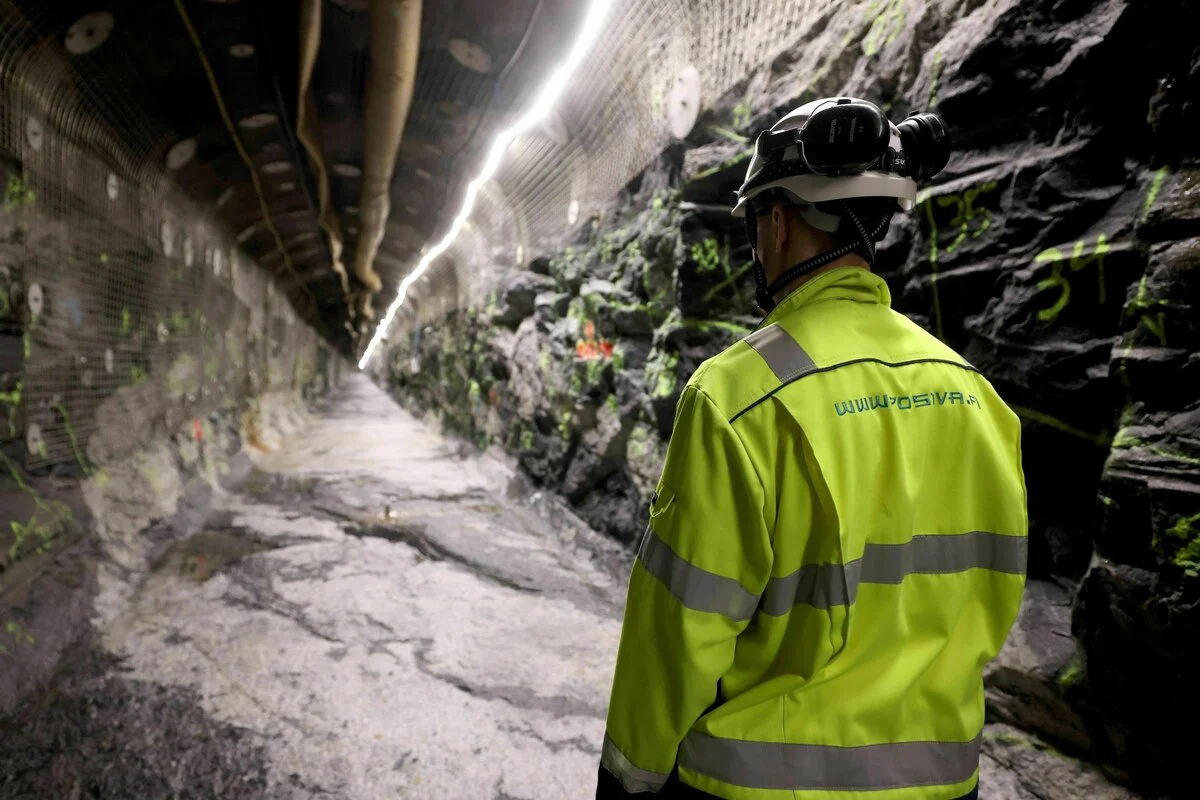
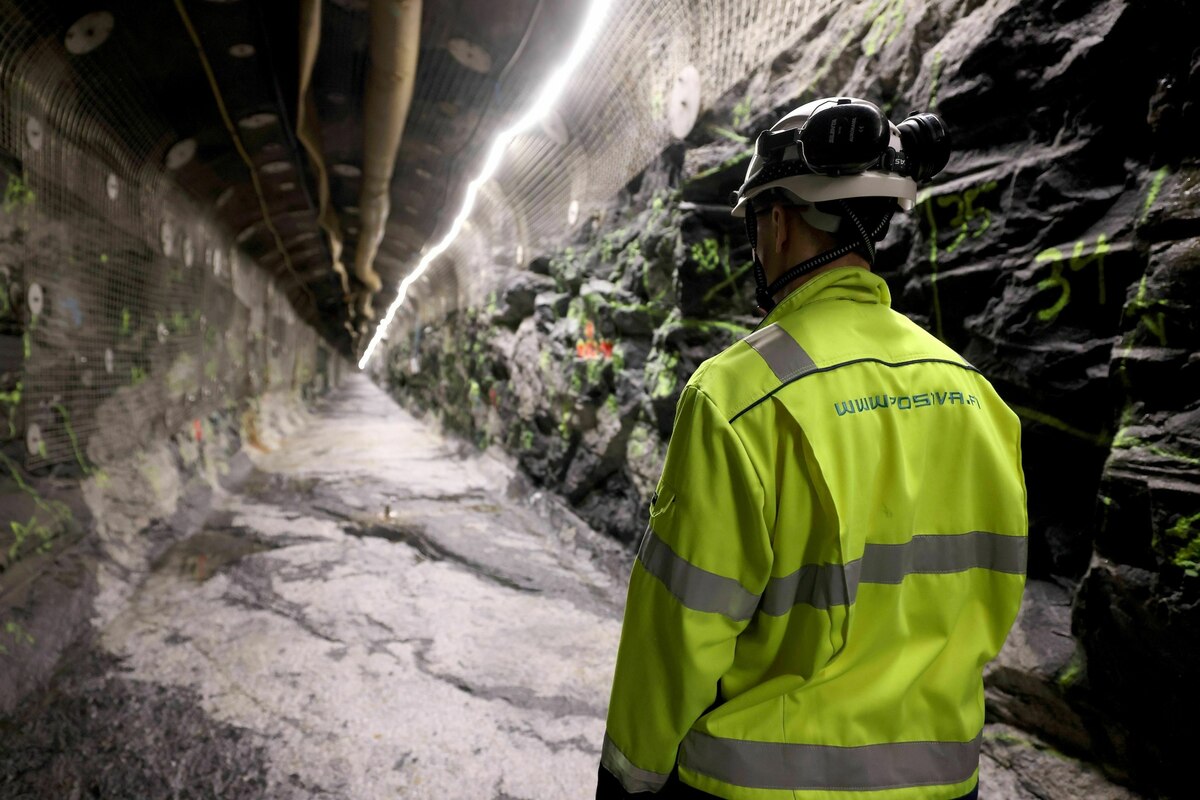
Located on the island of Olkiluoto on the country’s west coast, adjacent to the existing Olkiluoto Nuclear Power Plant, Onkalo represents a paradigm shift in how humanity manages the toxic legacies of the atomic age. Yet, as the facility prepares to transition from a construction site to an active repository, the global scientific community remains divided over whether the technical solutions chosen by Finland are truly sufficient to withstand the passage of geological time.
A Chronology of Consensus: Forty Years in the Making
The road to Onkalo was neither short nor accidental. In the late 1970s, as Finland’s nuclear energy program matured, the government recognized that the responsibility for managing waste must be addressed concurrently with the generation of power.
- 1983: The Finnish government sets a clear schedule for the investigation and implementation of a final disposal facility.
- 1994: The Nuclear Energy Act is amended to mandate that all nuclear waste generated in Finland must be disposed of within the country. This effectively closed the door on the international transport of hazardous nuclear materials.
- 2000: The municipality of Eurajoki, home to the Olkiluoto plant, provides the necessary social license, voting in favor of hosting the repository. This "local acceptance" is widely cited as the cornerstone of the project’s success.
- 2004: Excavation of the Onkalo (Finnish for "cavity") underground characterization facility begins.
- 2015: The repository operator, Posiva Oy—a joint venture between the nuclear power companies Teollisuuden Voima (TVO) and Fortum—submits its construction license application.
- 2024: Following extensive safety reviews by the Radiation and Nuclear Safety Authority (STUK), the government grants the final operating permit.
The process, characterized by transparency and a rigorous adherence to the "safety first" principle, stands in stark contrast to the volatile debates observed in other nuclear-capable nations. By engaging local communities early and keeping the scientific criteria transparent, Finland avoided the "NIMBY" (Not In My Backyard) protests that have historically paralyzed similar projects elsewhere in Europe.
The Engineering Marvel: The KBS-3 Methodology
The technical heart of the Onkalo project is the "KBS-3" method, a concept developed in Sweden. The repository is designed to function as a multi-barrier system, intended to isolate radioactive waste from the biosphere for at least 100,000 years—a timeframe that exceeds the duration of recorded human history.
The process involves three distinct layers of protection:

- Copper-Steel Canisters: Spent fuel rods are placed inside sturdy canisters made of cast iron, covered by a five-centimeter-thick copper shell. The copper is specifically chosen for its resistance to corrosion in the anaerobic, oxygen-poor environment found 500 meters underground.
- Bentonite Clay: Each canister is lowered into a vertical borehole drilled into the bedrock and surrounded by a thick layer of bentonite clay. This clay serves two purposes: it acts as a buffer to protect the canister from minor rock movements and, once saturated with water, it swells to form a low-permeability seal that prevents water flow.
- The Bedrock: The repository is carved into crystalline granite bedrock, which is roughly 1.8 billion years old. This formation was chosen for its geological stability and lack of seismic activity, ensuring that the repository remains undisturbed even through potential future ice ages.
Supporting Data and the Burden of Uncertainty
Despite the sophisticated engineering, the project has not been without its detractors. The primary point of contention remains the long-term integrity of the copper canisters.
Critics, including environmental advocacy groups like Greenpeace, argue that the scientific community lacks empirical, long-term evidence regarding the behavior of copper in underground conditions. A study published by Greenpeace, titled "Rock Solid?," highlights that the mechanisms of corrosion are not yet fully understood. The report warns that complex chemical interactions between the repository materials—specifically the interplay between cement, clay, and heat—could lead to unexpected degradation.
The concern is that if the canisters fail prematurely, radionuclides could leach into the groundwater. While Posiva and STUK maintain that their models account for these variables, the critics argue that "theoretical calculations" are a poor substitute for the practical reality of 100,000 years.

"The repository is not just a building; it is a hypothesis," noted one researcher familiar with the project. "We are betting that our current understanding of geochemistry will hold true for a duration longer than the existence of modern civilization."
Official Responses and Strategic Limitations
The Finnish government and Posiva have been careful to temper expectations regarding the timeline. CEO Ilkka Poikolainen emphasized that the issuance of the operating license does not mean the immediate dumping of waste. "In collaboration with STUK, we will conduct extensive testing before the actual disposal process commences," he stated.
Furthermore, the scope of the facility is strictly defined. While there were earlier, tentative discussions about Finland serving as a regional hub for European nuclear waste, the law now strictly prohibits the permanent disposal of foreign waste. Minister Sari Multala clarified that while temporary storage or transit for processing might be permitted under highly regulated conditions, the permanent burial of waste from other nations is legally excluded.

This decision reinforces the principle of national responsibility: the country that benefits from the electricity must also bear the burden of the waste.
Implications for the Global Energy Landscape
The inauguration of Onkalo is being closely watched by the international community, particularly by countries currently struggling with the nuclear waste dilemma. Germany, for instance, faces a timeline for site selection that stretches into the mid-21st century, with many observers fearing that the process could drag on until 2068.
The implications of Finland’s success are twofold:

- Technological Validation: If Onkalo operates safely over the coming decades, it will serve as the definitive proof-of-concept for deep geological disposal, likely influencing the regulatory frameworks of other nations.
- Political Lessons: Finland’s success underscores that technical solutions are secondary to political and social processes. By depoliticizing the issue and grounding it in local community involvement, Finland has demonstrated that nuclear waste management is solvable.
However, the "Finnish Model" is not easily exported. It requires a specific combination of stable geology, a high level of public trust in government institutions, and a long-term political commitment that transcends election cycles.
Conclusion: A Monument to Our Era
Onkalo is perhaps the most significant civil engineering project of our time. It is a monument to the unintended consequences of the nuclear age—a massive, silent, and permanent tomb for the materials that powered our modern lives.
Whether the copper canisters will indeed hold for 100,000 years is a question that will not be answered in our lifetime, nor in the lifetimes of our grandchildren. For now, the facility stands as a testament to the Finnish approach: a methodical, cautious, and deeply scientific effort to take responsibility for the future. As the first waste containers begin their journey into the deep granite tunnels of Olkiluoto, the rest of the world watches—some with relief that a solution exists, others with apprehension about the unknowns that lie buried in the deep, ancient rock.