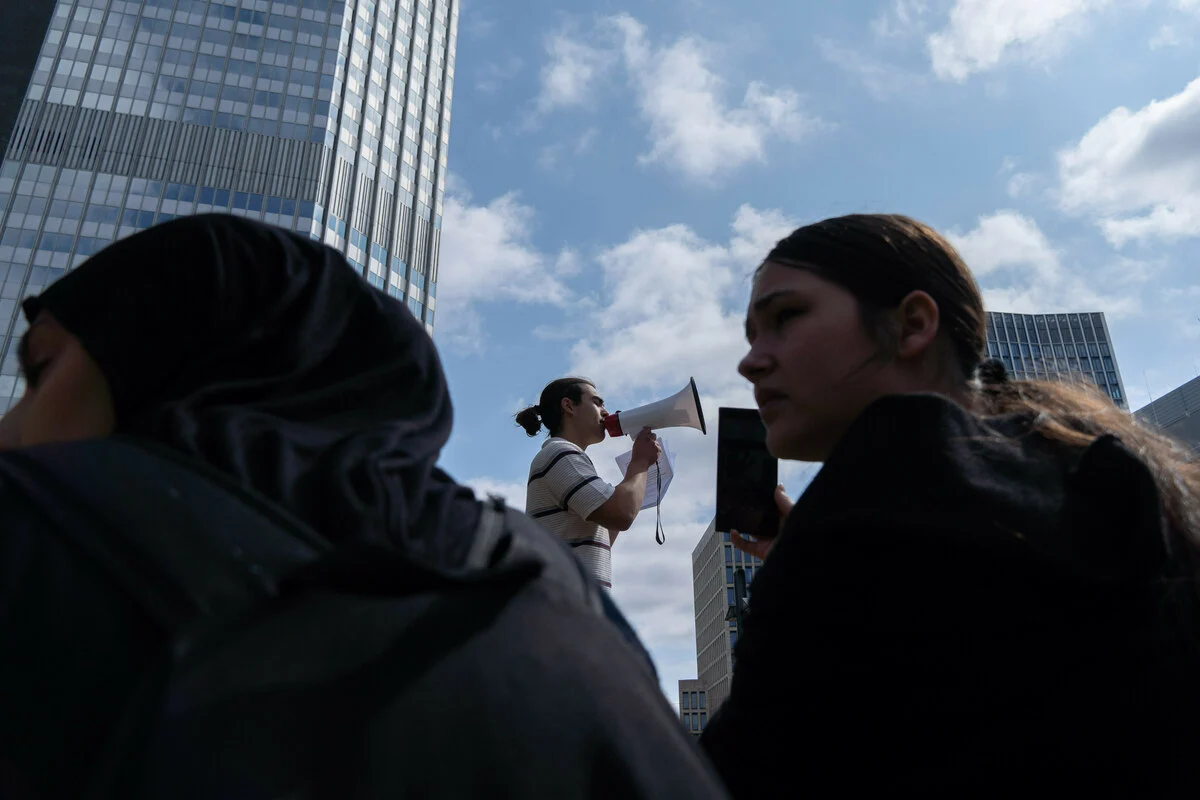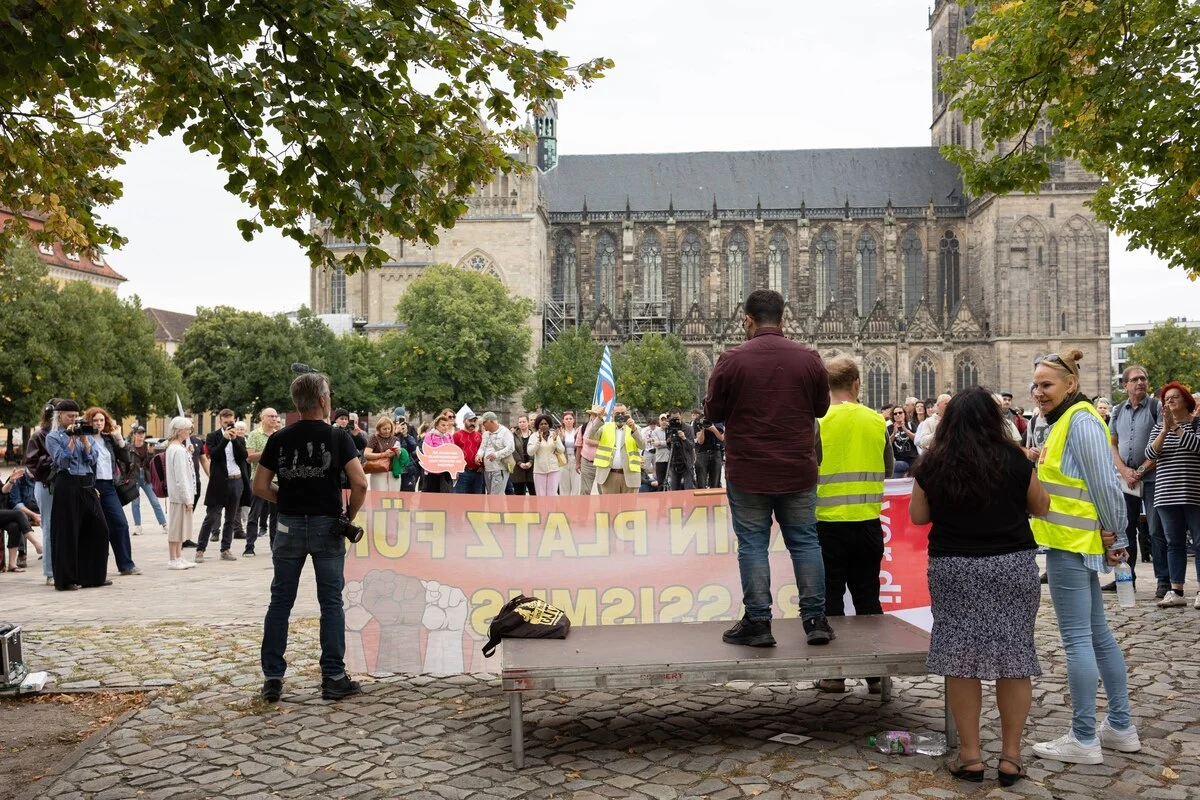
In a rapidly shifting political landscape, Germany is witnessing the potential birth of a new, grassroots social movement. Under the defiant banner of "Gen Z regelt" (Gen Z is in charge), tens of thousands of young people are preparing to take to the streets across 24 German cities. What began as a scattered call to action on social media has transformed into a logistical and political phenomenon that has caught the establishment off guard.
The Surge: From Digital Spark to Physical Reality
The growth trajectory of this movement is nothing short of explosive. As recently as mid-October, the number of confirmed participants for the planned demonstrations—scheduled for this coming Saturday—hovered at a modest 10,000. By the following Tuesday, that figure had surged to over 140,000.
The movement’s digital hub, recognizable by its distinct squirrel mascot, serves as both a mobilization tool and a leaderboard. Prospective participants can sign up for their local protests, fostering a sense of competitive urgency as cities like Stuttgart and Cologne battle for the highest turnout, each boasting over 12,000 registrations. While these digital signatures are non-binding, the sheer volume of interest signals that the movement has tapped into a profound reservoir of youthful discontent.
The central message of the organizers is clear: "We are young people who no longer want to stand by as decisions about our future are made without us being heard."
Anatomy of the Movement: Who is Behind "Gen Z Regelt"?
Behind the digital facade is a decentralized group of approximately 30 individuals, ranging in age from 18 to 28. They are students, workers, and school-aged youth who found one another through social media, united not by a pre-existing organization, but by a shared sense of alienation.
Akram Selo, an 18-year-old high school graduate and the movement’s first public spokesperson, emphasizes the group’s need for privacy. "We are young people who want to protect our private sphere and defend ourselves against those who might not appreciate our movement," Selo says, explaining the shifting location of the project’s legal registration from southern Germany to Switzerland.
Selo admits that the website’s rapid development was assisted by artificial intelligence, noting that the team never anticipated such massive mobilization. "We hoped for it, of course, because we know that so many young people feel neglected and are afraid for their futures."
The Core Demands: A Multi-Front Protest
"Gen Z regelt" does not limit itself to a single issue, reflecting the multifaceted anxieties of a generation facing what they describe as a permanent state of crisis. Their platform includes:
- Educational Reform: A staunch opposition to budget cuts in the education sector.
- Economic Justice: Criticism of rising living costs, contrasting them with the immense profits of large corporations and increased military spending.
- Climate Policy: A demand for consistent, science-based climate action.
- Civil Liberties: Opposition to the expansion of state surveillance and the reintroduction of mandatory military service.
When asked to prioritize these demands, Selo argues that they are inseparable. "We want a future where we young people have a place, and that is why every one of these issues is critical."
A Fragile Organization: Internal Tensions and External Scrutiny
Despite the movement’s rapid growth, its structure remains fluid and, at times, precarious. Of the 24 planned demonstrations, the central organization only directly manages five. In internal Telegram channels, the group is still scrambling to recruit local organizers and marshals for the remaining cities.
This organic, top-down-less structure has invited friction. Gianni Matheja, an influential student and social media content creator, served as a spokesperson for only one day before resigning. He cited concerns that the movement lacked a "common peaceful framework" and that the umbrella of "Gen Z regelt" was attracting diverse groups with conflicting views on protest tactics.
The movement has also faced formal distancing from the Federal Student Conference (Bundesschülerkonferenz). While the organization expressed sympathy for the students’ concerns regarding the education system, they criticized the lack of transparency in the protest’s leadership structure, warning that "violence and calls for violence distract from the actual problems in the educational system."
Political Backlash: The "French Conditions" Narrative
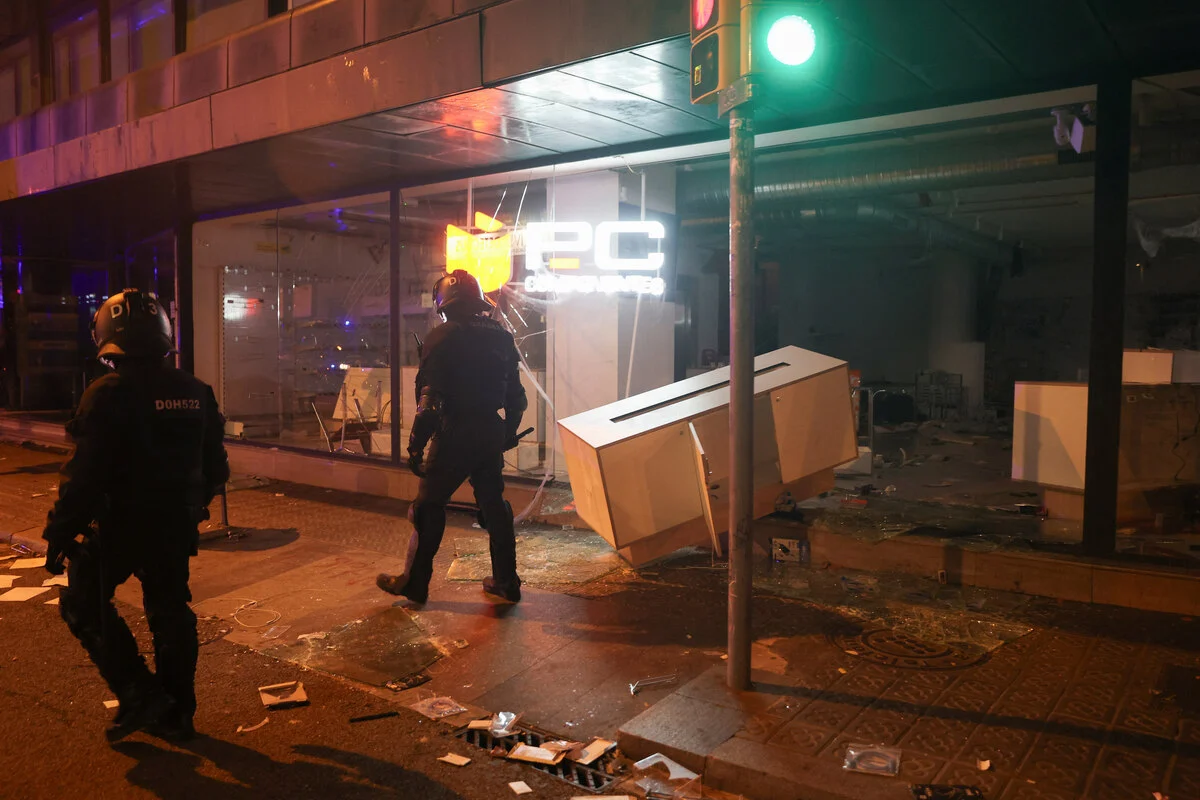
The reaction from the political establishment has been swift and, according to many observers, disproportionately alarmist. Before a single protest has even taken place, prominent politicians and law enforcement officials have begun framing the movement as a potential catalyst for violence, frequently referencing "French conditions"—an allusion to the intense riots seen in France over the past year.
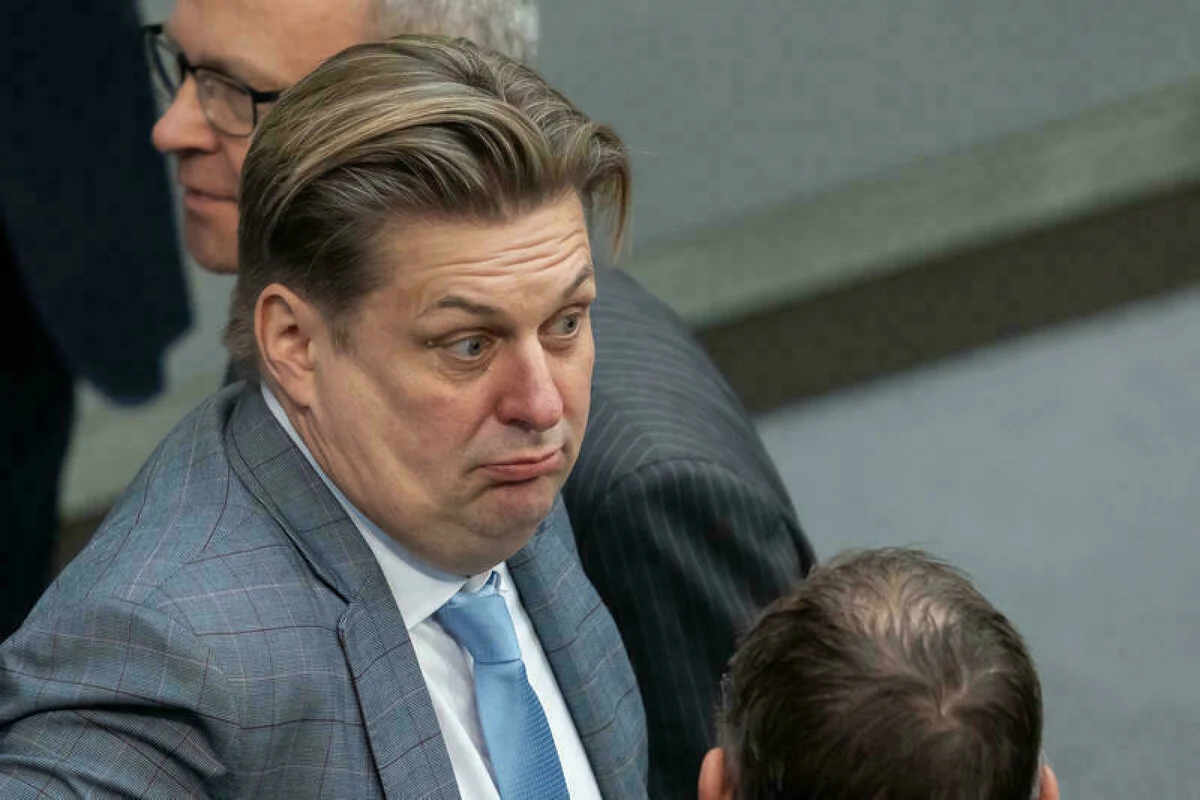
Alexander Throm, the interior policy spokesman for the CDU/CSU parliamentary group, characterized the movement as being "hijacked by left-wing extremist and criminal forces from the migrant milieu." Similarly, Baden-Württemberg’s Interior Minister, Manuel Hagel (CDU), has vowed to respond with the "full force of the rule of law." In Stuttgart, local CDU representatives have even called for an examination of a total ban on the demonstrations.
Perhaps most provocatively, the youth wing of the CDU in Berlin-Mitte suggested the involvement of the German Armed Forces (Bundeswehr) to maintain order. They accompanied this sentiment on social media with an AI-generated image depicting schoolchildren at the Brandenburg Gate being confronted by soldiers in tactical gear—an image that drew widespread criticism for its inflammatory nature.
Jochen Kopelke, chairman of the German Police Union (GdP), added to the tension by telling the Bild newspaper that "rioting migrants" were mixing with peaceful students, warning that they should "expect no mercy" from the police.
Solidarity from the Left
In contrast to the conservative backlash, the youth wings of the Green Party and the Left Party have offered their support. The Linksjugend [‘solid] (the youth organization of the Left Party) rejected the preemptive criminalization of the protestors, stating: "We welcome that young people are taking to the streets against the austerity policies of the current government."
Luis Bobga, spokesperson for the Green Youth, echoed this sentiment, calling it "right and important that our generation is finally exerting pressure on the streets." Both organizations have aligned their support with the International Youth Strike Day, scheduled for November 20, suggesting that the "Gen Z regelt" protests may be part of a broader, long-term mobilization across Europe.
Conclusion: A Test for Democracy
As Saturday approaches, the tension surrounding "Gen Z regelt" reflects a deeper struggle over the right to protest and the representation of young people in German politics. Akram Selo maintains that the protests will be strictly peaceful and conducted within the framework of the Basic Law (Grundgesetz). He vehemently denies that the movement has been infiltrated by extremists, insisting that they remain an independent voice.
Whether "Gen Z regelt" will evolve into a sustained political force or dissipate under the weight of external pressure and internal contradictions remains to be seen. However, the sheer scale of the mobilization proves one thing: a significant portion of Germany’s youth no longer feels represented by traditional political channels.
The "Gen Z regelt" phenomenon is not merely about specific policy demands; it is a signal of a generational rupture. As the government and law enforcement prepare for potential unrest, the fundamental question remains whether the state will choose to engage with these young people or, by treating them as a security threat, inadvertently radicalize the very demographic they claim to protect. For now, the eyes of the nation are fixed on the streets, waiting to see if this movement can maintain its peaceful discipline while successfully forcing its issues to the center of the national debate.