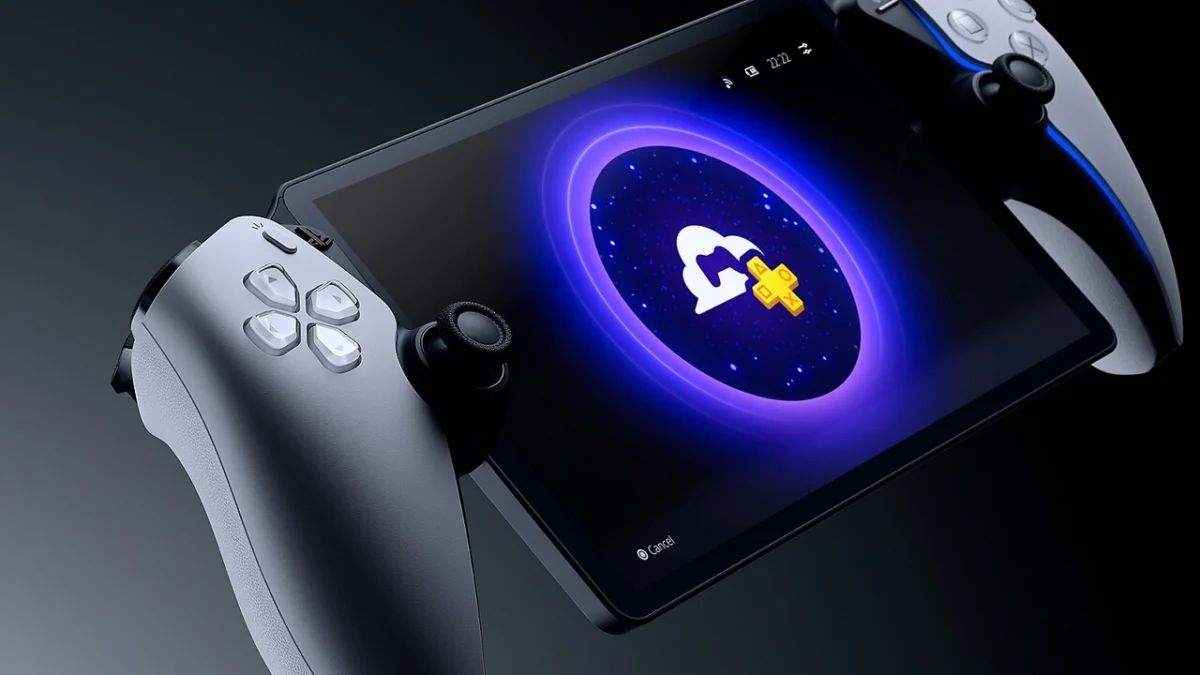
As the gaming industry looks toward the next generation of console hardware, rumors surrounding Sony’s strategic roadmap have intensified. While the PlayStation 5 continues to dominate market share, industry insiders suggest that Sony is quietly developing a dedicated, high-performance handheld console under the internal codename "Project Canis." Slated for a potential launch alongside the PlayStation 6 in 2028, this device represents a bold attempt by Sony to reclaim its footprint in the mobile gaming market—a space it hasn’t occupied with a native console since the PlayStation Vita.
Main Facts: The Vision for "Project Canis"
"Project Canis" is not merely an iterative update to the existing PlayStation Portal, which functions solely as a streaming companion device. Instead, reports suggest a standalone, high-fidelity handheld designed to run modern titles natively.
According to preliminary technical leaks, the device will be powered by a bespoke AMD APU. The architectural backbone is expected to feature a cutting-edge Zen 6 CPU paired with RDNA 5 graphics architecture. This combination is intended to bridge the gap between portable convenience and the graphical fidelity typically reserved for home consoles.
Key rumored specifications include:
- CPU: A 6-core processor configuration, utilizing a hybrid architecture of four Zen 6c cores and two high-performance Zen 6 cores.
- GPU: 16 RDNA 5 compute units, which would represent a significant leap in mobile rasterization and ray-tracing capabilities.
- Memory: 24 GB of high-speed LPDDR5X RAM, ensuring that both modern AAA titles and future-proof software can run with minimal latency.
- Efficiency: A thermal design power (TDP) target of 15 to 25 watts, aiming to balance raw performance with battery longevity.
A Chronology of Sony’s Mobile Ambitions
To understand the significance of Project Canis, one must look at Sony’s volatile history in the mobile sector.
The PSP Era (2004–2011)
The PlayStation Portable (PSP) was a revolutionary device that brought console-quality graphics to the palms of users’ hands. With over 82 million units sold, it proved that there was a massive market for portable, high-fidelity gaming. It set the standard for what a handheld could achieve, though it struggled against the proliferation of smartphones toward the end of its life cycle.
The PS Vita Stumble (2012–2019)
The PlayStation Vita was arguably ahead of its time, boasting an OLED screen, dual analog sticks, and a rear touch pad. However, a combination of expensive proprietary memory cards and a lack of first-party support led to a lukewarm reception, with only 16 million units sold. Sony eventually exited the handheld market in 2019, pivoting entirely to home console hardware and, eventually, cloud-based streaming solutions.
The Streaming Pivot (2023–Present)
The release of the PlayStation Portal served as a "soft" return to mobile, though it relied entirely on a stable connection to a PS5 console. While it successfully tapped into the niche for remote play, it did not satisfy the demand for a standalone "portable PS5" experience. Project Canis represents a return to the philosophy of the PSP—independence from the home console.
Supporting Data: The RDNA 5 Advantage
A critical component of the current discourse involves the exclusivity of the RDNA 5 architecture. Richard Leadbetter of Digital Foundry has noted that Sony’s negotiations with AMD were not based on a traditional "exclusivity contract," but rather on substantial purchasing commitments.
By guaranteeing the purchase of millions of chips, Sony has effectively incentivized AMD to prioritize their specific requirements. This strategic move could leave competitors—such as the rumored Xbox handheld or the inevitable successor to Valve’s Steam Deck—at a disadvantage. If Sony secures early access to the RDNA 5 architecture, other manufacturers may be forced to rely on older RDNA 4 or legacy hardware, potentially creating a significant performance gap in the 2028 handheld market.
The "Gainsborough" project—widely linked to the Steam Deck 2—is also rumored to utilize 24 GB of LPDDR5-9600 memory and a 6-core processor. However, if Sony manages to secure a lead in GPU architecture through its massive volume orders, they could dictate the performance ceiling for the entire mobile gaming industry.
Official Responses and Market Silence
As is standard with long-term hardware projects, Sony has maintained a policy of "no comment" regarding Project Canis. The company remains focused on the mid-cycle refresh of the PlayStation 5 and the expansion of its PC gaming portfolio.
However, market analysts point to a shifting strategy within PlayStation Studios. Sony has been increasingly interested in bringing its first-party titles to mobile devices, and a proprietary handheld would serve as the ultimate vessel for these experiences. By controlling both the hardware and the software ecosystem, Sony could ensure that its most valuable intellectual properties—God of War, The Last of Us, and Spider-Man—are optimized for a device that offers a consistent, premium experience, unlike the fragmented landscape of mobile gaming.
Implications for the Gaming Industry
The implications of a successful Project Canis launch in 2028 are profound.
1. The Death of the "Streaming Only" Model
If Project Canis can natively play PS5 titles and provide backward compatibility for PS4 games, it will effectively render the "streaming-only" argument obsolete. It would signal to the industry that gamers are willing to pay for high-end hardware, provided the software ecosystem is robust.
2. Market Fragmentation and the "Handheld War"
With Nintendo, Valve, and potentially Microsoft and Sony all vying for the handheld market, the next five years will likely be defined by a "handheld war." The battle will not just be about resolution or frame rates; it will be about the ecosystem. Sony’s advantage lies in its library of exclusive games, which could be the deciding factor for consumers choosing between a PS Handheld and a portable PC device.
3. Hardware Convergence
The push for Zen 6 and RDNA 5 architecture suggests that the line between home consoles and handhelds is blurring. If the PS6 and Project Canis share the same architectural DNA, developers will have an easier time porting games across the ecosystem, potentially eliminating the "stripped-down" versions of games often seen on mobile platforms.
4. Technical Challenges
Despite the excitement, the thermal and battery constraints remain the "final boss" for Sony’s engineers. Packing enough power to run native PS5-level graphics into a chassis that doesn’t overheat or require a recharge every hour is a monumental challenge. The choice of 15–25W TDP is ambitious, suggesting that Sony is relying heavily on the efficiency gains inherent in the Zen 6 and RDNA 5 architectures.
Conclusion: A High-Stakes Bet
Project Canis is a calculated gamble. By aiming for a 2028 release, Sony is aligning its mobile strategy with the launch of the PlayStation 6, ensuring that the "PlayStation experience" is no longer confined to the living room.
While the details remain unconfirmed, the convergence of high-end AMD hardware, a renewed interest in mobile independence, and the competitive pressure from Valve and Microsoft points toward a shift in Sony’s philosophy. If they can successfully execute this vision, the company may well repeat the success of the original PSP, cementing its position at the forefront of both home and mobile gaming for the next generation. For now, the industry watches and waits, eager to see if "Project Canis" will indeed become the crown jewel of the PlayStation 6 era.