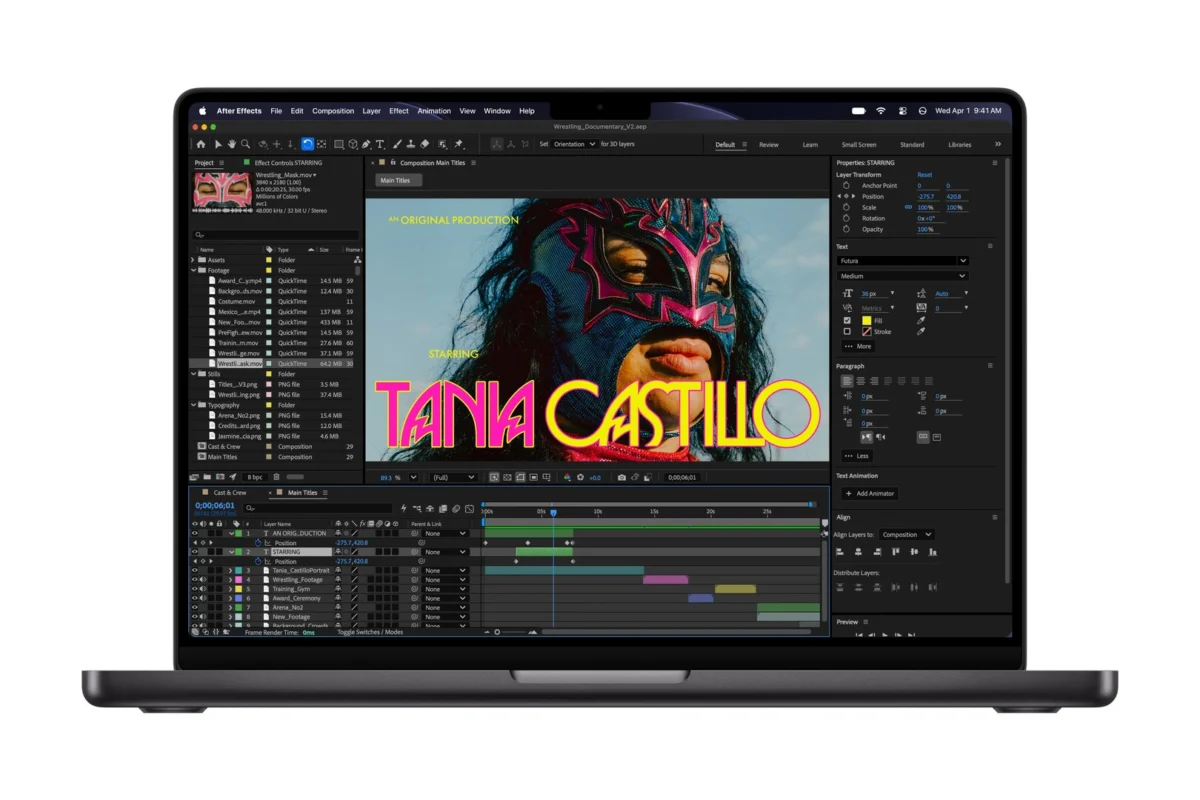
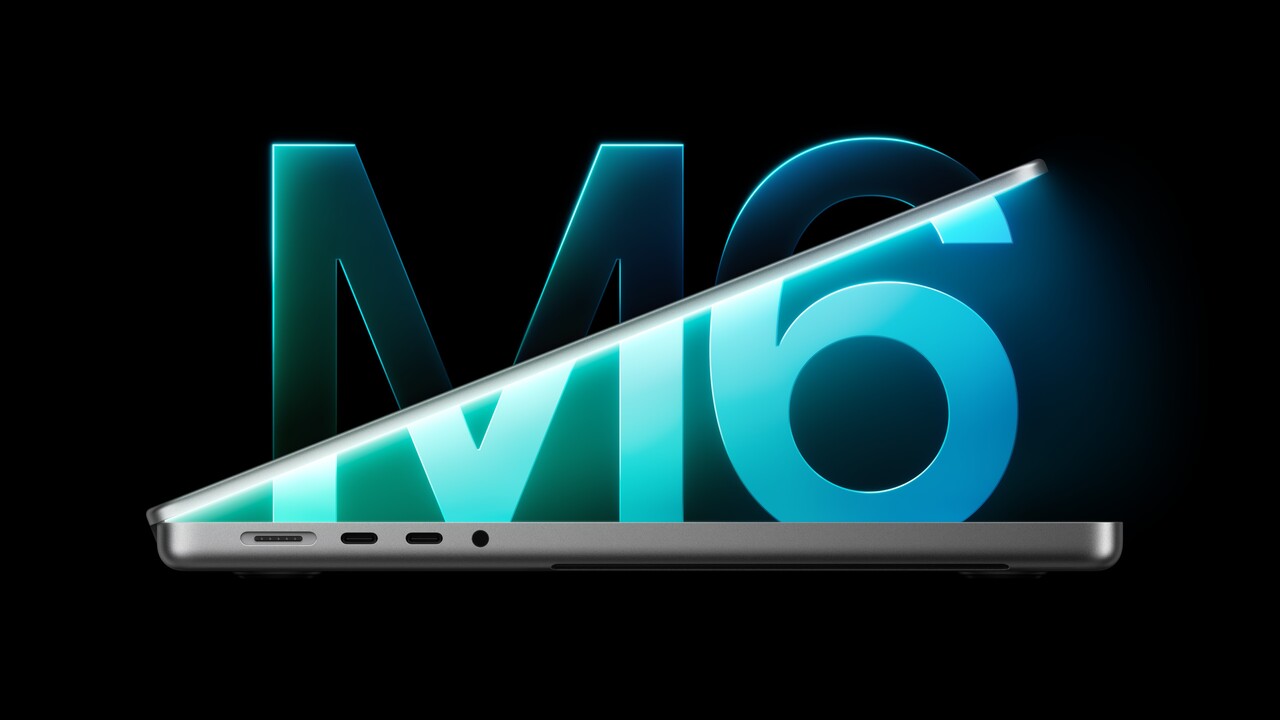
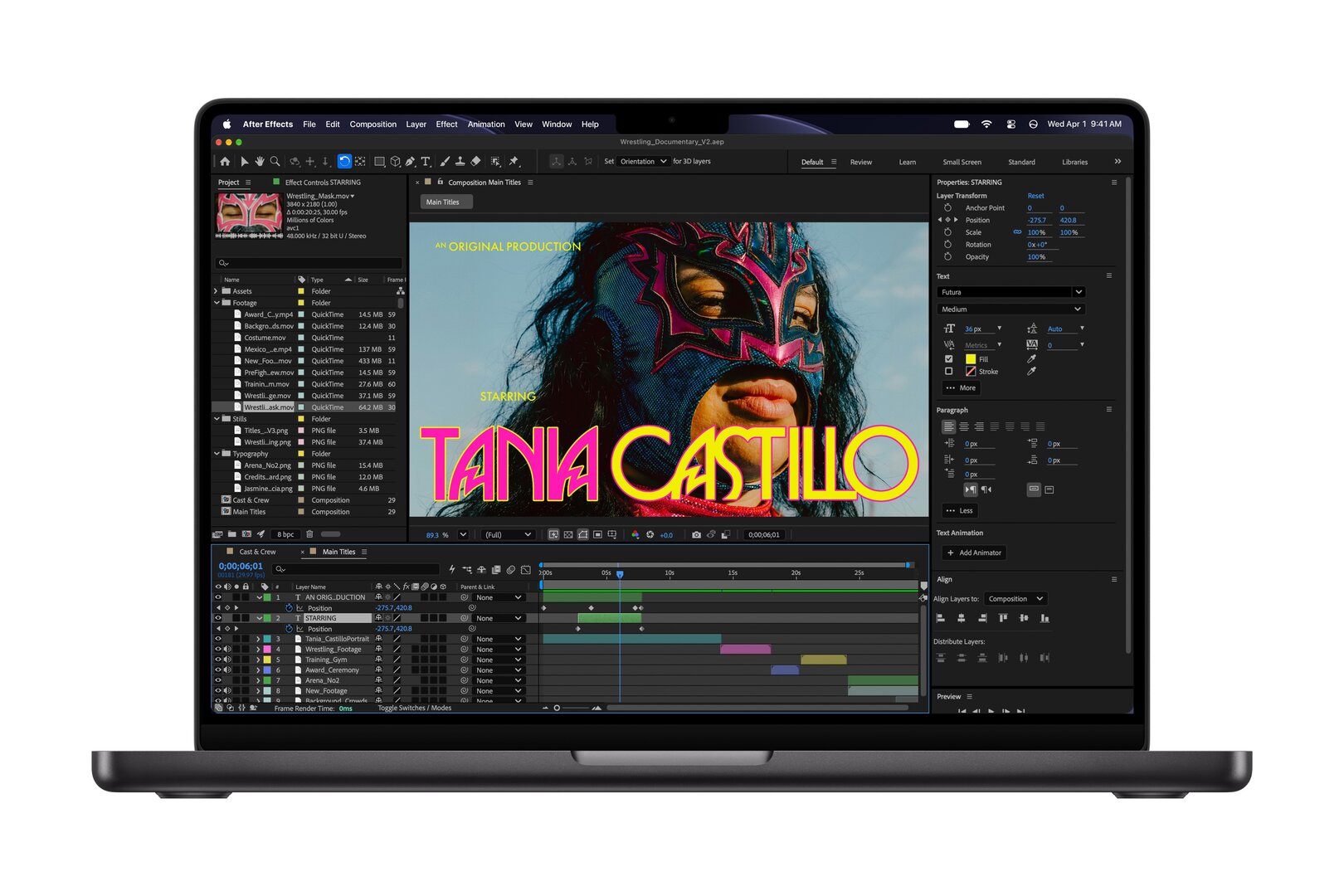
Following the recent announcement of the iPad mini featuring an OLED display, Apple has wasted no time in shifting focus to its core professional computing lineup. Today, the tech giant officially introduced the new base-model MacBook Pro, powered by the cutting-edge M6 silicon. This launch serves as a precursor to even more substantial revelations expected tomorrow, where rumors point toward the arrival of high-end MacBook Pro variants equipped with OLED panels and enhanced touch capabilities.
The M6, manufactured using a sophisticated 2nm process, represents a significant leap in silicon architecture. By prioritizing efficiency and neural processing, Apple is positioning this machine not just as a performance upgrade, but as a dedicated workstation for the age of generative AI and complex machine learning workflows.
The Chronology of Apple’s Silicon Evolution
The introduction of the M6-powered MacBook Pro is the latest chapter in a long-term strategic transition that began with the departure from Intel processors. Apple has explicitly identified this device as the ultimate "upgrade path" for users still clinging to legacy Intel-based MacBooks or even those running the first generation of Apple Silicon (M1).
Performance Metrics: A Comparative Analysis
To validate the move to the M6, Apple released a series of performance comparisons against its predecessor, the M5, and the original M1 chip. The metrics are striking:
- Battery Efficiency: The M6 offers 14 hours more battery life than Intel-based models and four hours more than the M1.
- LLM Processing: The new chip delivers a 13-fold increase in Large Language Model (LLM) token performance compared to the M1.
- Rendering and Media: Raytracing in Blender is now 11.7 times faster than on the M1, while image processing in Affinity is 3.3 times faster.
- Development: Xcode users can expect project builds to complete 150% faster than on the M1 generation.
The M6 chip itself features a robust architecture: two "Super" cores, four performance cores, and six efficiency cores. This configuration, paired with 16GB of Unified Memory as standard, aims to eliminate common bottlenecks in professional workflows.
Technical Specifications and Hardware Architecture
The M6 MacBook Pro retains the familiar, highly-regarded chassis design of its predecessor, measuring 31.26 x 22.12 x 1.55 cm and weighing 1.55 kg. Despite the compact footprint, the machine remains a powerhouse of connectivity.
Connectivity and Expansion
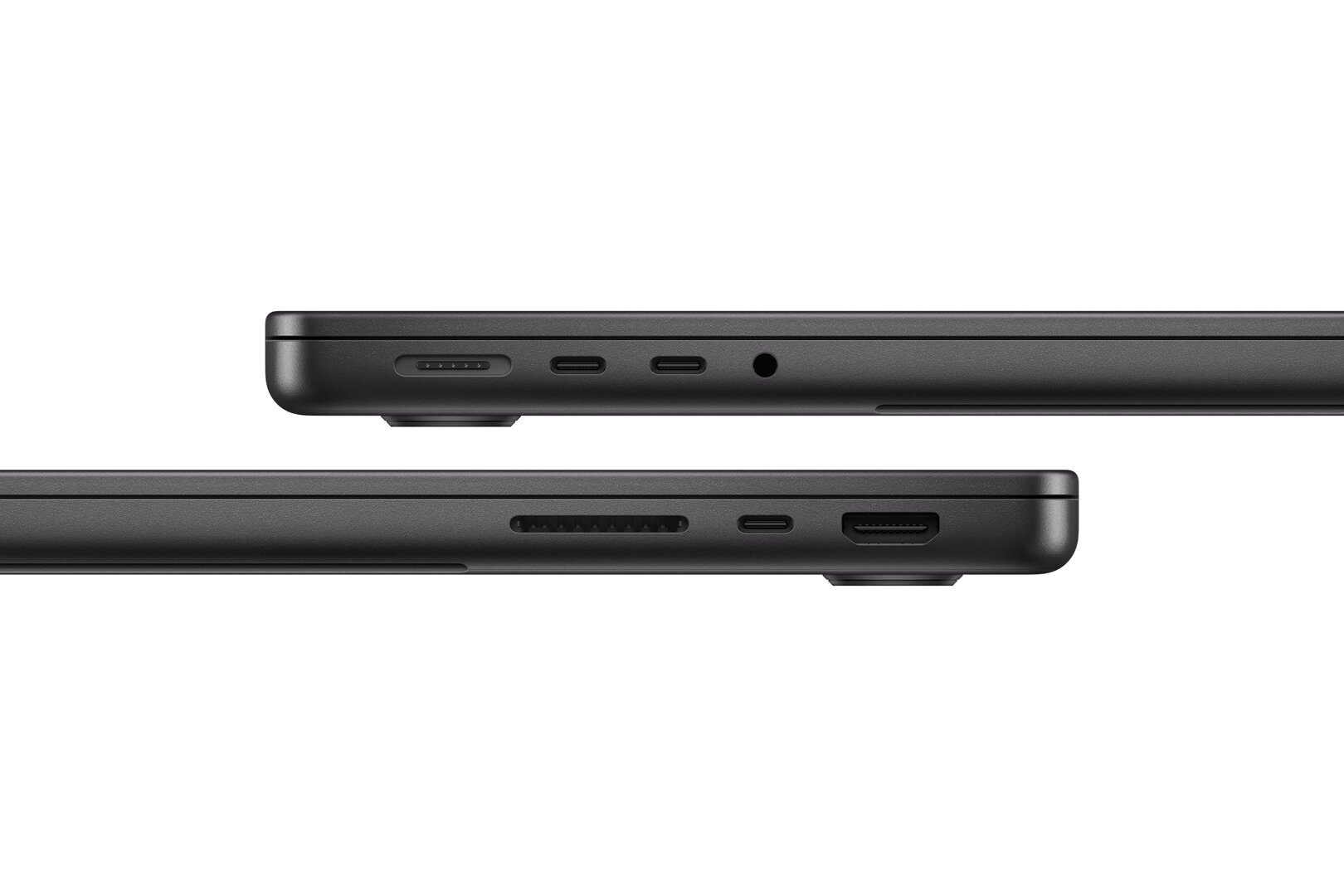
Apple has opted to keep the port selection consistent with the "pro" user requirement:
- Ports: Three Thunderbolt 4 ports, one HDMI port, a dedicated headphone jack, an SDXC card slot, and the return of MagSafe 3 for charging.
- Display Support: The M6’s improved architecture allows for driving up to two external displays simultaneously. Users can connect two displays at 6K resolution (60Hz) or 4K (165Hz). For high-resolution single-display setups, the machine supports up to 8K at 60Hz or 4K at 240Hz.
The Display Experience
The 14.2-inch Liquid Retina XDR display continues to set the industry standard. Utilizing Mini-LED backlighting, the screen achieves a sustained brightness of 1,000 nits for SDR content and a peak of 1,600 nits for HDR. With ProMotion technology, the display offers adaptive refresh rates of up to 120Hz, ensuring fluid motion for video editing and high-speed UI interaction. For an additional 165 Euro, users can opt for nano-texture glass, a feature previously reserved for Apple’s professional desktop monitors.
Deep Dive: The M6 Silicon and AI Integration
The shift to a 2nm manufacturing process is perhaps the most critical aspect of the M6 release. Compared directly to the M5, the M6 boasts a 12-core GPU that delivers 30% higher graphics performance and a 25% boost in general AI tasks.
The most notable advancement, however, is the Neural Engine. Now equipped with 32 cores, the dual-engine setup provides a staggering 90% performance increase in AI-related tasks compared to the M5’s single NPU configuration. This is a clear signal that Apple is aggressively pursuing the "AI PC" market, ensuring that local LLM prompts, real-time creative assistance, and machine learning models run with minimal latency.
Power Management and Peripheral Ecosystem
Apple has optimized the 72.4-Wh battery to push the boundaries of portable productivity. The company claims up to 24 hours of video playback and 16 hours of wireless web browsing.
In a move that continues to spark debate, Apple does not include a power adapter in the box. Users receive a 2-meter USB-C to MagSafe 3 cable, but must either provide their own or purchase a 60W (minimum) or 96W (recommended for fast charging) adapter separately.
Connectivity features have also been brought up to the latest standards, including:
- Wi-Fi 7 and Bluetooth 6.0: Future-proofing the device for the next generation of networking.
- Thread Support: Enhancing smart home integration capabilities.
- Audio-Visual Suite: A 12-megapixel Center Stage camera, a six-speaker sound system, and a studio-quality three-microphone array.
Official Pricing and Market Strategy
The starting price for the base model, which includes 16GB of RAM and a 1TB SSD, is 2,299 Euro. This represents a 100 Euro increase over the previous generation’s entry-level pricing.
Configuration Tiers
Apple offers several upgrade paths for those requiring more headroom:
- Memory: Upgrading to 24GB adds 220 Euro; 32GB adds 440 Euro.
- Storage: The 1TB base can be upgraded to 2TB for 550 Euro or a massive 4TB for 1,650 Euro.
The device is available in two color finishes: Space Black and Silver. Educational discounts are available, with pricing for students and faculty starting at 2,179 Euro.
Implications: The Strategic Shift
The release of the M6 MacBook Pro signals a turning point in the laptop industry. By prioritizing 2nm fabrication and doubling down on Neural Engine capacity, Apple is effectively forcing the hand of competitors like Intel and Qualcomm. The implications for the professional user are profound: the "pro" label is no longer just about raw CPU speed, but about the ability to handle the specific, heavy-duty mathematics required by modern AI-driven software.
Furthermore, by keeping the chassis design consistent while drastically improving the internal silicon, Apple is streamlining its supply chain and maintenance ecosystem. This "incremental refinement" strategy—where the external shell remains familiar but the internal architecture undergoes a radical revolution—has become a hallmark of Apple’s success.
Availability
Prospective buyers can place orders starting October 28th via the Apple online store or at physical retail locations. The first units are scheduled to reach customers on November 6th. As the market digests this release, industry analysts will be watching closely to see if the 2nm performance gains are enough to convince the massive base of M1 and M2 users to refresh their hardware, or if the "AI-first" capabilities will be the primary driver of the next upgrade cycle.
With the rumored OLED MacBook Pro models looming on the horizon, this M6 base model acts as a foundational pillar, ensuring that even the most "accessible" professional notebook in Apple’s catalog remains significantly ahead of the current technological curve.