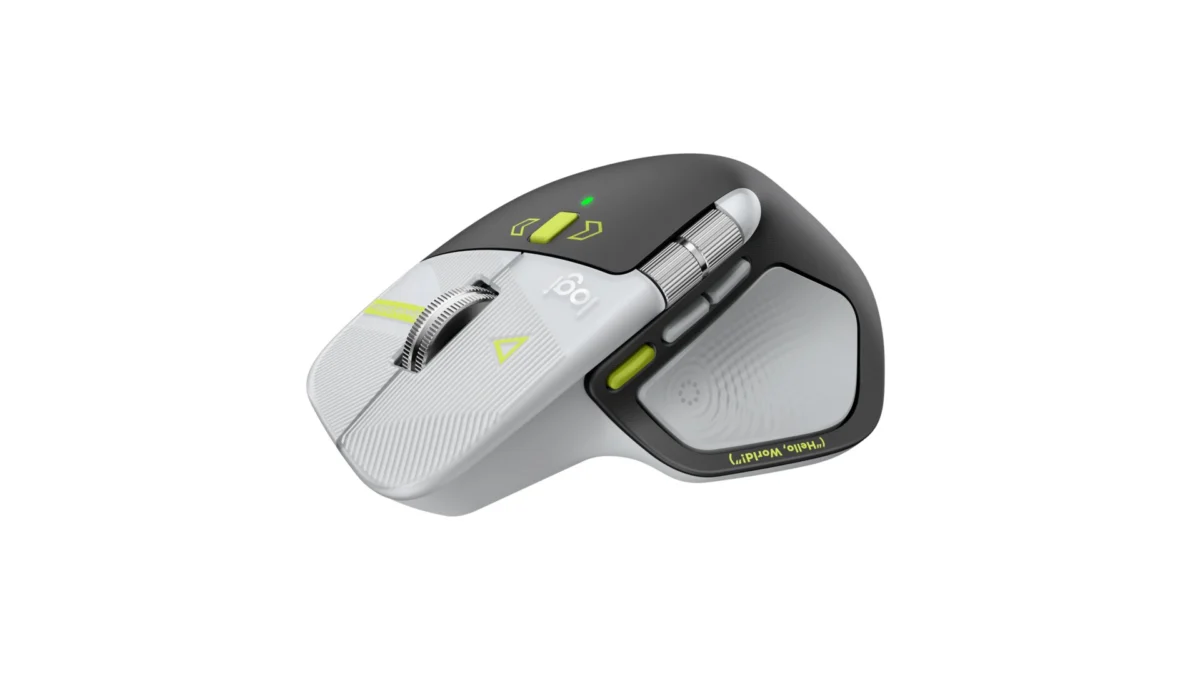
In a move designed to celebrate the architects of the digital age, Logitech has unveiled a new, limited-run iteration of its industry-standard wireless mouse: the MX Master 4 Developer Edition. While the technical specifications remain identical to the base model, the device serves as a curated aesthetic homage to software engineers, systems architects, and open-source contributors, featuring intricate laser-engraved details and a distinct color palette.
The announcement positions this special edition not as a performance upgrade, but as a cultural artifact—a desktop companion designed to resonate with those who spend their days navigating complex syntax and terminal windows.
Main Facts: What You Need to Know
The MX Master 4 Developer Edition retains the high-performance DNA of the fourth-generation MX Master series. Priced at €129.99, the device is currently available for pre-order via Logitech’s official storefront, with shipping scheduled to commence on October 30th.
Core Specifications
- MagSpeed Electromagnetic Scrolling: The signature silent, precision-engineered scroll wheel remains, capable of shifting between line-by-line precision and hyper-fast scrolling.
- Haptic Feedback Integration: A key feature of the fourth-generation series, the large, programmable side-button offers tactile haptic responses, allowing for intuitive control over complex workflows.
- Battery and Connectivity: Standard long-life battery performance and multi-device pairing capabilities (Logi Bolt/Bluetooth) remain consistent with the standard model.
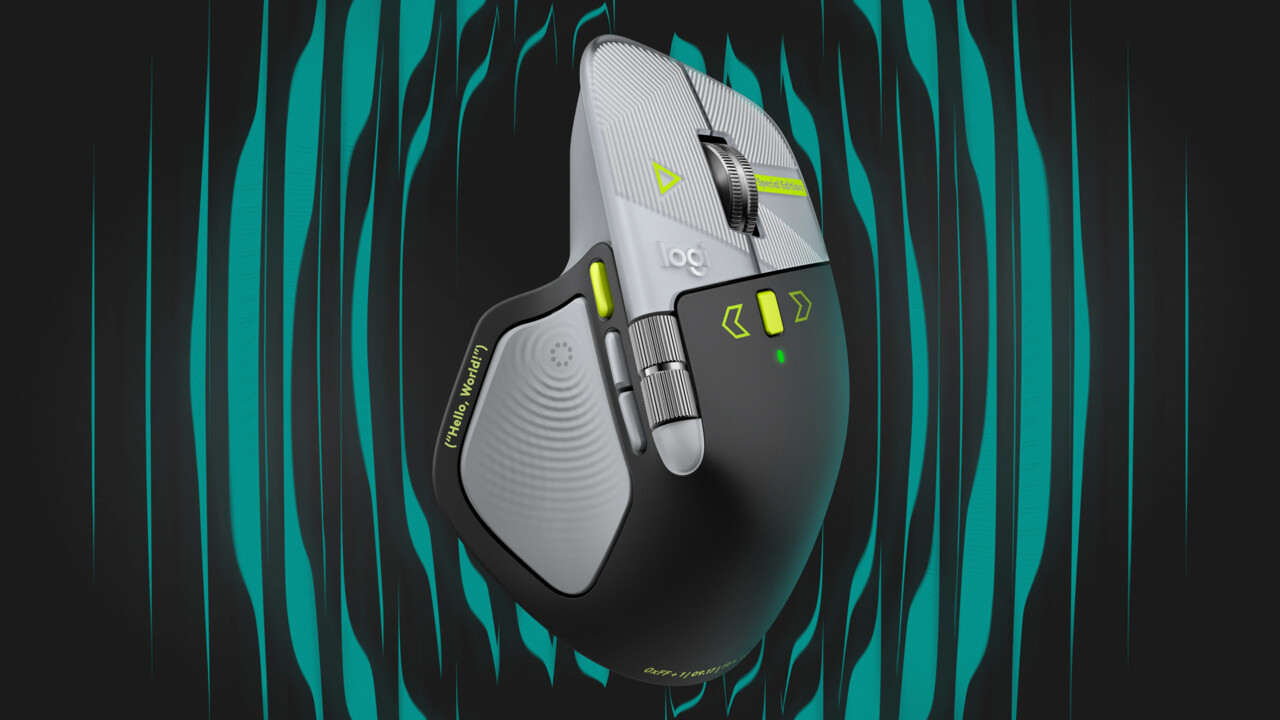
- The Aesthetic Distinction: The Developer Edition fuses the standard "Graphite" and "Light Grey" colorways into a hybrid design, punctuated by high-visibility yellow accents on the mode-switch button and specific engraved zones.
Chronology: The Evolution of the "Workhorse"
The MX Master series has long been considered the "gold standard" for productivity peripherals. To understand the significance of this developer-centric release, one must look back at the trajectory of the series.
- The Early Days (MX Master 1 & 2): These models established the ergonomic blueprint, focusing on thumb-rest gestures and multi-device switching. They became the de facto tool for developers, designers, and project managers.
- The Precision Era (MX Master 3): This iteration introduced the MagSpeed scroll wheel, which revolutionized how users navigated lengthy codebases and documentation files.
- The Haptic Milestone (MX Master 4): The current generation introduced haptic feedback, a feature specifically welcomed by power users who required physical confirmation of their inputs during high-speed multitasking.
- The Current Moment: By introducing a "Developer Edition," Logitech is acknowledging the specific sub-culture of its user base. This release marks the first time the company has moved beyond professional aesthetics to embrace the "hacker" ethos—incorporating specific references to computing history and open-source milestones.
Supporting Data: The "Easter Eggs" of the Developer Edition
What truly distinguishes this unit are the laser-engraved details, which function as an "inside joke" for the developer community. Logitech has embedded several references that serve as a nod to the foundations of software engineering:
1. The "Hello World!" Greeting
Located on the left flank, the phrase "Hello World!" serves as a foundational reference to the very first script written by almost every programmer in history. It is a symbolic invitation to create and troubleshoot.
2. 0xFF + 1
This engraving pays tribute to the Day of the Programmer, celebrated on the 256th day of the year. 256 is the number of distinct values that can be represented with an 8-bit byte (0xFF in hexadecimal is 255; adding one brings us to 256).
3. The Linux Kernel Milestone (09.17)
The engraving "09.17" refers to the public release of the Linux kernel, a cornerstone of modern computing and the backbone of the cloud infrastructure that developers build upon daily.
4. World Backup Day (!04.01)
The inclusion of "!04.01" (a clever reference to the March 31st date, the day before April Fools’ Day) is a tongue-in-cheek reminder for developers to perform backups. In the world of coding, "don’t be a fool, back up your data" is a mantra that holds true regardless of the stack.
These details, combined with stylized circuit board patterns and markup tags, provide a tactile narrative for the user, turning a standard tool into a piece of desk art that feels personalized for the tech-savvy professional.
Official Responses and Availability
Logitech has confirmed that this is a limited-run production. While the company has not disclosed the exact number of units being manufactured, the "while supplies last" caveat suggests that this will become a collector’s item within the developer community.
"The MX Master 4 Developer Edition is our tribute to the individuals who build the future," a spokesperson for Logitech noted. "We wanted to offer a design that acknowledges the history, humor, and specific language of the developer world, all while maintaining the productivity standards that our users rely on for their daily workflows."
The company remains clear that this is a lifestyle choice rather than a functional upgrade. By keeping the price at parity with the standard model (€129.99), Logitech is ensuring that the "developer tax" does not exist, making the special edition accessible to those who simply want to show their allegiance to the craft.
Implications: The Rise of "Niche-Specific" Peripherals
The launch of the MX Master 4 Developer Edition signals a broader shift in the consumer electronics market. As high-end peripherals become increasingly commoditized, manufacturers are finding success by targeting specific professional demographics.
The Community-First Approach
By embedding "Easter Eggs" related to Linux and coding history, Logitech is engaging in community-led marketing. This strategy fosters brand loyalty among software engineers, a demographic that is notoriously loyal to tools that feel "engineered for them."
The Aesthetic of Productivity
This release also highlights the importance of desk aesthetics in the remote-work era. With more developers working from home, the desk setup has become a personal expression of identity. An "all-black" mouse is functional, but a mouse that displays the "Hello World!" command is a conversation starter—a way to signal one’s profession and interests in an increasingly digitized workspace.
Future Market Trends
Should the Developer Edition prove successful, it is highly likely that we will see further "professional-class" editions of the MX series. Possible iterations could include:
- Designer Editions: Featuring color-accurate accents and shortcuts optimized for creative suites.
- Data Scientist Editions: Focused on long-form data manipulation and ergonomics for marathon sessions.
- Hardware Engineer Editions: Featuring a ruggedized aesthetic or specialized button mappings for CAD and hardware-testing software.
Final Thoughts: A Tool for the Modern Architect
The Logitech MX Master 4 Developer Edition is a masterclass in product positioning. It does not reinvent the wheel—it merely paints it with the symbols of the trade. For the professional developer, the mouse is arguably the most-used tool outside of the keyboard. By infusing it with references to the Linux kernel, hexadecimal math, and the necessity of data backups, Logitech has successfully transformed a utilitarian object into a celebration of the craft.
Whether you are a backend engineer writing complex SQL queries or a frontend developer refining CSS transitions, the Developer Edition serves as a reminder of the origins of the code you write. As it hits shelves on October 30th, it is expected to be a highly sought-after item, not just for its performance, but for the story it tells about the person behind the screen.
In a world where technology often feels sterile and cold, the touch of a "Hello World!" engraving under one’s thumb provides a human element to the digital grind—a small, yellow-accented tribute to the people who continue to build the world one line of code at a time.