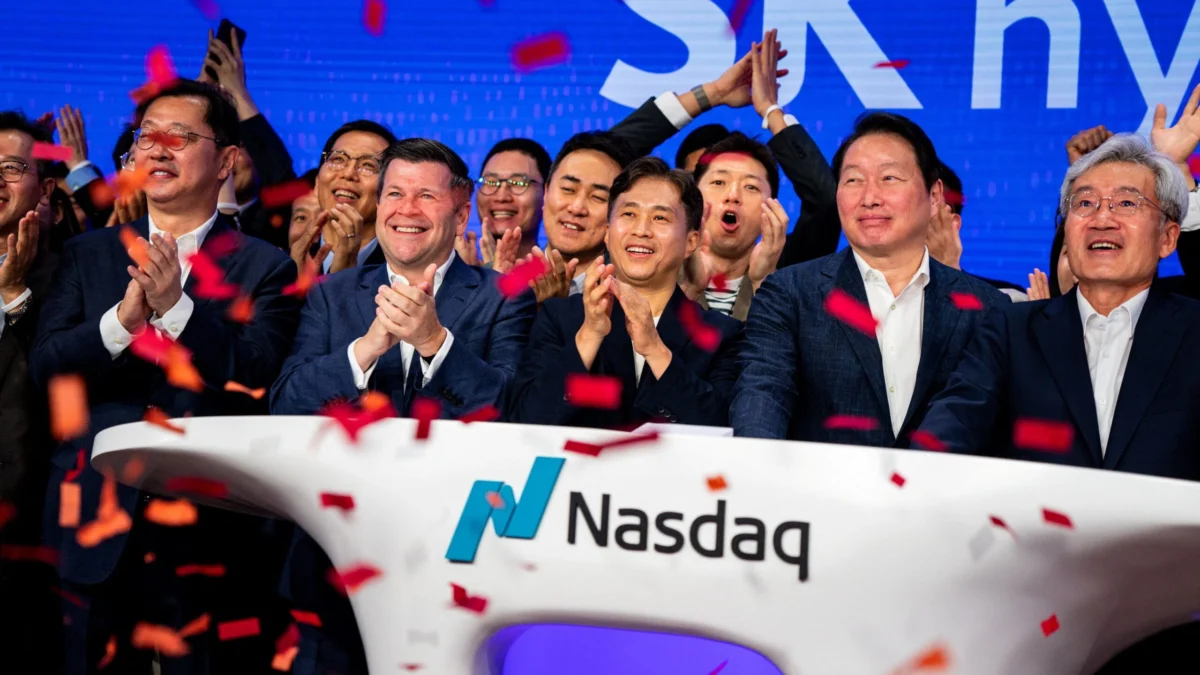
FRANKFURT/SEOUL – The global semiconductor landscape is witnessing a seismic shift driven by the insatiable demand for Artificial Intelligence (AI) infrastructure. SK Hynix, the South Korean memory chip titan and a critical supplier to the AI hardware powerhouse Nvidia, has unveiled quarterly financial results that have not only surpassed market expectations but have redefined the company’s trajectory within the high-performance computing sector.
As the industry navigates the transition from traditional computing to AI-accelerated workflows, SK Hynix has cemented its position as an indispensable pillar of the modern digital economy. With a historic surge in both operating profit and revenue, the company’s latest report serves as a definitive indicator of the "AI Supercycle" currently fueling the technology sector.
The Core Financials: A Performance of Unprecedented Scale
The numbers released by the Seoul-based manufacturer are nothing short of transformative. In its latest fiscal quarter, SK Hynix reported an operating profit of 83.3 trillion Korean Won (approximately 56.4 billion Euros). This figure represents a more than sevenfold increase compared to the corresponding period in the previous year, highlighting the extreme profitability associated with high-bandwidth memory (HBM) chips—the essential "fuel" for AI processors.
Revenue growth followed a similarly aggressive upward trajectory, climbing by 328 percent to reach 104.6 trillion Won. This explosive performance silenced analysts who had maintained cautious, albeit optimistic, estimates. Prior to the announcement, consensus projections placed the company’s profit between 76.7 trillion and 81.67 trillion Won, with revenue expected to settle at approximately 99 trillion Won. The fact that SK Hynix comfortably outperformed these benchmarks has triggered a positive ripple effect across global markets, with Hynix shares climbing two percent in response.
Chronology of a Semiconductor Giant’s Ascent
To understand how SK Hynix arrived at this record-breaking juncture, one must look back at the strategic pivots the company initiated over the last several years.
- 2018: The Strategic Entry into Japan: SK Hynix invested four trillion Won into a consortium aimed at acquiring a stake in the Japanese memory manufacturer Kioxia. At the time, this was viewed as a long-term play to consolidate supply chain influence in the volatile NAND flash market.
- 2022–2023: The AI Pivot: Recognizing the nascent explosion in Generative AI, SK Hynix aggressively pivoted its R&D and manufacturing capacity toward High-Bandwidth Memory (HBM). By aligning itself closely with Nvidia’s GPU roadmap, the company secured its role as a primary supplier for the hardware that powers systems like ChatGPT and other large language models.
- August 2024: Capital Allocation Strategy: Facing a cash-rich balance sheet, the company announced a massive 40 trillion Won share buyback program, signaling management’s confidence in long-term valuation.
- Q4 2024/Present: Realization of Gains: The company successfully divested its stake in Kioxia. While official figures remain under wraps, market analysts estimate that the sale price represents a significant windfall, far exceeding the initial 2018 investment. This liquidity has bolstered the firm’s ability to return capital to shareholders.
Supporting Data: Why Memory is the New "Gold"
The shift in SK Hynix’s fortunes is not accidental; it is a direct result of the architecture of modern AI. Unlike standard PCs or mobile devices, AI-accelerated servers require massive amounts of memory bandwidth to prevent bottlenecks during the processing of complex data sets.
The Role of HBM (High-Bandwidth Memory)
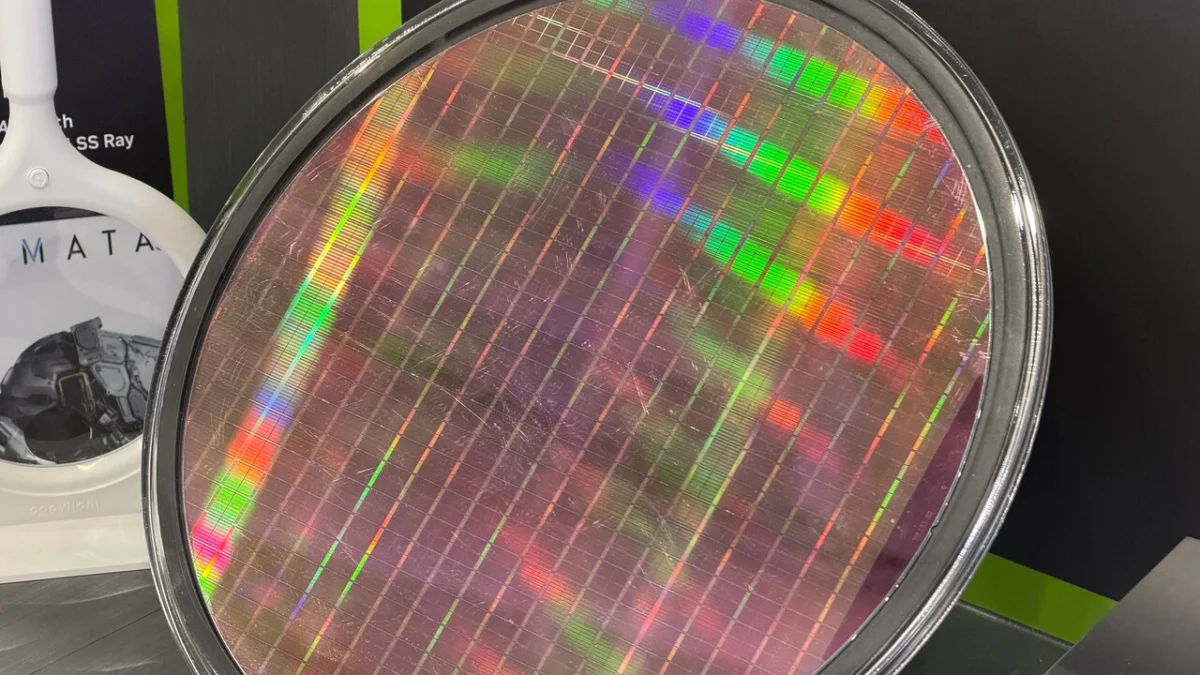
HBM is a specialized type of DRAM that stacks memory chips vertically, allowing for faster data transfer rates while consuming less power. As Nvidia’s GPU architectures (such as the H100 and Blackwell series) became the gold standard for AI training, the demand for SK Hynix’s HBM chips skyrocketed.
- Market Concentration: SK Hynix currently holds a dominant share of the HBM market, a lead they have protected through relentless investment in manufacturing efficiency and advanced packaging techniques.
- Profit Margin Expansion: Because HBM commands a significant premium over traditional commodity DRAM, the company’s profit margins have expanded exponentially. While commodity chips are subject to the "boom-and-bust" cycles of consumer electronics, HBM is insulated by the enterprise-grade urgency of the AI build-out.
Strategic Capital Distribution and Shareholder Value
In a move that underscores the company’s financial health, SK Hynix announced a comprehensive capital return program for the current year, totaling approximately 100 trillion Won. This aggressive stance is designed to reward long-term investors and demonstrate that the company is not merely a growth stock, but a mature, cash-generating powerhouse.
The distribution package includes the previously announced 40 trillion Won share buyback, which serves to reduce the total share count and bolster earnings per share (EPS). The liquidity for these initiatives is partially derived from the strategic divestment of the Kioxia interest. By shedding non-core assets, SK Hynix is streamlining its focus on the high-margin AI sector, ensuring that its balance sheet remains agile for future R&D expenditures.
Official Responses and Market Implications
While the company has remained tight-lipped regarding the specific financial nuances of the Kioxia transaction, the market has interpreted the move as a masterclass in strategic portfolio management. Reports from local South Korean media outlets, which first broke the news regarding the Kioxia divestment plans earlier in the week, suggest that the exit was timed to coincide with a peak valuation period for the Japanese semiconductor industry.
Implications for the Industry
- The Supply Chain Bottleneck: The primary implication of SK Hynix’s success is the continued validation that the "AI bottleneck" remains on the supply side. Manufacturers like SK Hynix, Micron, and Samsung are currently the gatekeepers of AI innovation.
- Increased R&D Spending: With record-breaking cash flow, competitors are expected to accelerate their own capital expenditure (CapEx) to challenge SK Hynix’s dominance. This will likely lead to a new wave of factory construction in South Korea and the United States.
- Market Sentiment: The positive market reaction to these results suggests that investors have moved past the initial "AI hype" phase and are now rigorously evaluating companies based on concrete, bottom-line earnings. SK Hynix has successfully transitioned from a "hope" play to a "value" play.
Future Outlook: Navigating the AI Frontier
Looking ahead, the road for SK Hynix is paved with both opportunity and challenge. While the current demand for HBM shows no signs of waning, the semiconductor industry is notoriously cyclical. The primary risk factor remains the potential for a saturation of AI infrastructure or a geopolitical shift that could disrupt the global supply chain.
However, management’s current strategy suggests a focus on resilience. By prioritizing shareholder returns and divesting from non-core memory segments, SK Hynix is preparing for a period of sustained, if not exponential, growth. The company’s ability to navigate the transition to the "AI-first" era has set a high bar for its peers. As the digital transformation of global industry continues, the memory chips produced in the factories of Icheon and Cheongju will continue to be the silent, essential drivers of the next generation of artificial intelligence.
In conclusion, SK Hynix’s latest quarterly performance is more than just a financial milestone—it is a testament to the fact that in the race to build the future of AI, the winners will be those who can provide the fastest, most reliable memory at the largest scale. For now, that crown belongs firmly to SK Hynix.