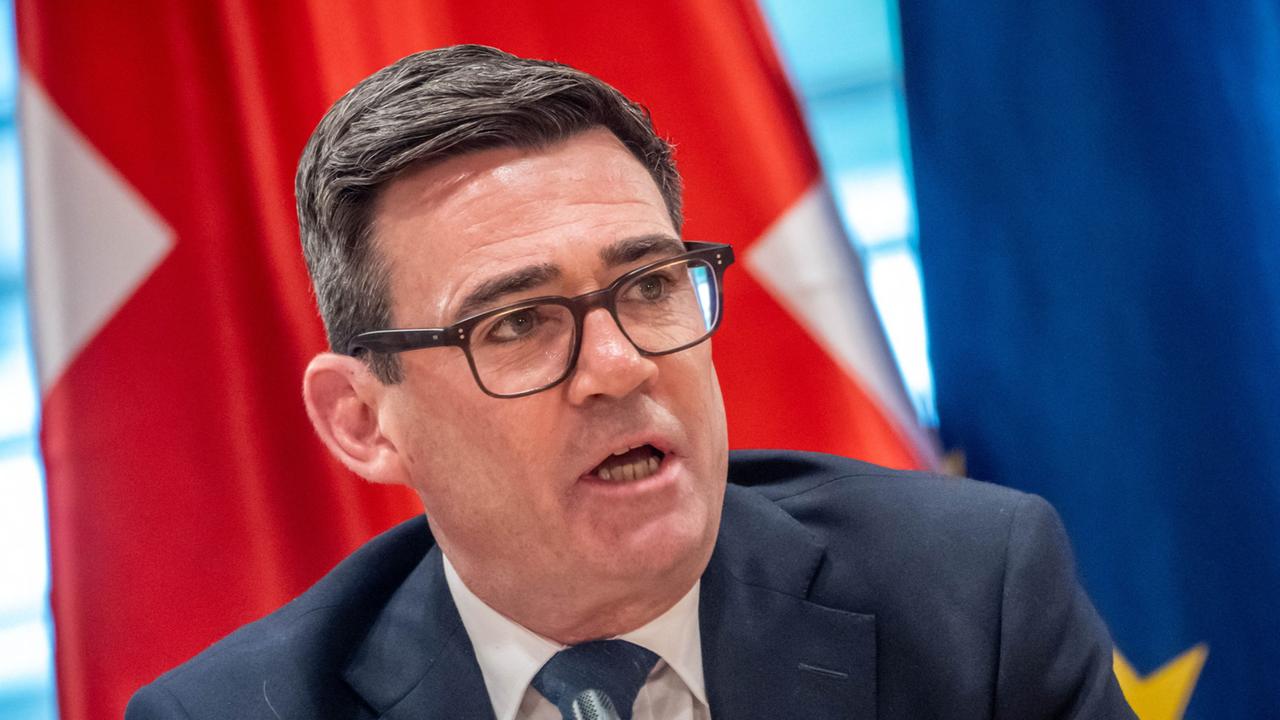
London, UK – October 25, 2026 – In a significant shift in the United Kingdom’s post-Brexit landscape, Prime Minister Andy Burnham has articulated a notably pragmatic stance regarding the nation’s relationship with the European Union. In a candid interview with The Sunday Times, Burnham declared himself open to a renewed discussion on aligning Britain with the EU’s freedom of movement rules, a move that could signal a profound re-evaluation of the country’s economic and social trajectory following its departure from the bloc. While emphasizing that this openness is strictly within defined parameters and does not extend to broader EU integration such as adopting the Euro or joining the Schengen Area, Burnham’s comments have ignited a fervent debate about the future of British foreign policy and its economic future.
The Prime Minister’s remarks come at a time when the perceived economic consequences of Brexit are increasingly under scrutiny. Burnham, who assumed office earlier this year, has been vocal in his assessment that the UK has suffered more harm than benefit since leaving the European Union. His latest pronouncements suggest a willingness to move beyond ideological stances and embrace evidence-based policy decisions to address the challenges facing the nation. This nuanced approach to EU relations marks a departure from the more entrenched positions previously held by some political factions, indicating a potential recalibration of the UK’s global partnerships.
The potential implications of Burnham’s openness to discussing freedom of movement are far-reaching, touching upon labor markets, economic growth, and the very fabric of British society. While the specifics of any proposed alignment remain to be detailed, the mere acknowledgment of its potential benefits by the highest office in the land signifies a pivotal moment in the ongoing Brexit narrative.
The Shifting Sands of Brexit: A Re-evaluation Under Burnham
Prime Minister Andy Burnham’s recent interview in The Sunday Times has sent ripples through the political and economic spheres of the United Kingdom. His statement, suggesting a willingness to engage in a "very factual and evidence-based discussion" about rejoining the EU’s freedom of movement rules, represents a significant pivot in the nation’s post-Brexit policy. This openness comes as a stark contrast to the often rigid adherence to the perceived successes of Brexit, and indicates a pragmatic approach driven by the realities on the ground.
Burnham’s assessment of Brexit’s impact has been consistently critical. He has repeatedly voiced the opinion that the United Kingdom has experienced a net negative impact from its departure from the European Union. This latest stance suggests a growing conviction that certain aspects of the pre-Brexit arrangements, particularly those pertaining to the free movement of people, may offer tangible benefits that outweigh the ideological purity of complete separation.
"I think we have to have a very factual and evidence-based discussion about it," Burnham stated, referring to the potential reconsideration of freedom of movement. This emphasis on evidence and factual analysis underscores a desire to move away from emotionally charged rhetoric that has often dominated the Brexit debate. The Prime Minister appears to be signaling a new era of policy-making, one that prioritizes practical solutions to pressing economic and social issues.
The composition of immigration into the UK has, according to Burnham, undergone a discernible shift since Brexit. "The composition of immigration has changed since then, hasn’t it? I think we have to have an open and honest discussion about that," he remarked. This observation points towards a recognition that the current immigration landscape may not be optimally serving the nation’s needs and that a re-evaluation of established policies is warranted. The implication is that a controlled and regulated form of free movement, or at least a closer alignment with its principles, could offer a more beneficial pathway for both the economy and society.
However, Burnham was quick to draw a line in the sand regarding other aspects of EU integration. He explicitly stated that he would not recommend to Parliament the adoption of the Euro as the national currency, nor would he advocate for Britain’s accession to the Schengen Area, which abolishes internal border controls. This clear delineation suggests a desire to selectively re-engage with certain EU mechanisms while maintaining a distinct national identity and control over key policy areas. The focus, therefore, appears to be on practical economic benefits rather than a wholesale return to EU membership.
The upcoming summit in Brussels at the end of November is poised to be a crucial event. Scheduled for November 20th, this meeting will bring together the British government and EU representatives to advance a series of pre-planned agreements. These include crucial discussions on trade in food and beverages, as well as emissions trading. Furthermore, the UK has expressed a clear intention to deepen cooperation in the area of migration. This commitment to increased collaboration, even while exploring potential alignments on freedom of movement, highlights a complex and evolving relationship between Britain and the EU.
Burnham’s nuanced approach, balancing a willingness to reconsider certain aspects of EU integration with a firm stance on others, reflects a pragmatic leadership seeking to navigate the post-Brexit realities. The coming months will undoubtedly reveal the extent to which this recalibration of policy translates into concrete action and what impact it will have on Britain’s future within the global arena.
Chronology of a Shifting Stance: From Departure to Re-engagement
The United Kingdom’s journey from its momentous decision to leave the European Union to the current re-evaluation of its relationship with the bloc has been a complex and often tumultuous one. Prime Minister Andy Burnham’s recent overtures towards discussing freedom of movement represent a significant point in this evolving narrative.
June 23, 2016: The Referendum Vote. The United Kingdom votes by 51.9% to 48.1% to leave the European Union, a decision that would fundamentally reshape the nation’s political and economic landscape for decades to come. This outcome was driven by a multitude of factors, including concerns over sovereignty, immigration, and economic regulation.
March 29, 2017: Article 50 Triggered. Theresa May’s government formally notifies the European Council of the UK’s intention to withdraw from the EU, setting in motion a two-year countdown to departure. This marked the official commencement of the Brexit process.
January 31, 2020: Official Departure from the EU. The United Kingdom officially leaves the European Union. A transition period followed, during which most EU rules continued to apply to the UK.
December 30, 2020: The EU-UK Trade and Cooperation Agreement. The UK and the EU finalize a trade deal that governs their future relationship, establishing a framework for trade, security, and other areas of cooperation. However, this agreement did not replicate the benefits of single market and customs union membership, leading to new trade barriers.
Throughout 2021-2025: The Economic Fallout of Brexit. Numerous economic indicators and analyses point to a negative impact of Brexit on the UK economy, including reduced trade volumes, lower investment, and labor shortages in certain sectors. The perceived benefits of regaining regulatory control and independent trade deals have, for many, been overshadowed by these economic challenges.
Early 2026: Andy Burnham Elected Prime Minister. Following a period of political realignment and public discontent with the prevailing economic conditions, Andy Burnham is elected as the new Prime Minister of the United Kingdom. His campaign platform emphasized a more pragmatic and evidence-based approach to governance.
October 25, 2026: Burnham Signals Openness to EU Freedom of Movement. In an interview with The Sunday Times, Prime Minister Burnham states his openness to discussing a return to the EU’s freedom of movement rules, albeit with clear limitations. He stresses the need for factual and evidence-based deliberation on the matter, acknowledging shifts in immigration patterns since Brexit. This statement represents a significant departure from previous government stances and opens a new chapter in the UK-EU relationship.
November 20, 2026: Upcoming EU-UK Summit. The next high-level meeting between the UK government and the EU is scheduled to take place in Brussels. This summit is expected to focus on advancing existing agreements in areas such as trade in food and beverages, emissions trading, and deepening cooperation on migration. Burnham’s recent remarks are likely to cast a significant shadow over these discussions, potentially influencing the tenor and outcomes of the talks.
This chronological overview highlights a gradual evolution from a definitive break with the EU to a more nuanced and potentially conciliatory approach, driven by the tangible economic and social consequences of the initial decision.
Supporting Data: The Economic Realities Shaping Burnham’s Stance
Prime Minister Andy Burnham’s willingness to reconsider aspects of the UK’s relationship with the European Union, particularly regarding freedom of movement, is not an isolated ideological shift. It is demonstrably informed by a growing body of economic data that paints a complex picture of the post-Brexit landscape. While official government figures have often sought to highlight the positives of regaining sovereignty and forging independent trade deals, independent analyses and real-world observations have increasingly pointed to significant economic challenges.
Trade Deficits and Reduced Trade Volumes: Numerous reports from organizations such as the Office for Budget Responsibility (OBR) and the Centre for Economic Performance (CEP) at the London School of Economics have indicated a persistent decline in UK trade with the EU since Brexit. New customs checks, regulatory divergence, and increased administrative burdens have led to a substantial increase in the cost and complexity of trading with the UK’s largest and closest trading partner. This has contributed to widening trade deficits and a general slowdown in export growth. For instance, data from the OBR has consistently forecast that Brexit will reduce the UK’s long-run productivity by 4% and trade intensity by 15%.
Labor Market Shortages and Sectoral Impacts: The end of free movement has had a profound impact on various sectors of the UK economy that relied heavily on EU labor. Industries such as hospitality, agriculture, healthcare, and construction have reported significant and persistent labor shortages. This has led to increased operational costs for businesses, disruptions to supply chains, and a reduction in the availability of services. The government’s own labor market statistics have, at times, highlighted the tightness of certain sectors, which can be directly linked to the reduced inflow of EU workers.
Impact on GDP and Investment: While isolating the precise impact of Brexit from other global economic factors like the COVID-19 pandemic and the war in Ukraine is challenging, a consensus is emerging among economists that Brexit has acted as a drag on UK GDP growth. Forecasts from institutions like the Bank of England and the International Monetary Fund (IMF) have consistently projected lower long-term growth for the UK compared to similar developed economies that remain within the EU. Furthermore, foreign direct investment (FDI) has reportedly seen a slowdown, with some investors citing uncertainty and market access challenges related to Brexit as key deterrents.
Inflationary Pressures: The increased costs associated with importing goods from the EU, coupled with labor shortages driving up wages in certain sectors, have been cited as contributing factors to higher inflation in the UK. While global supply chain issues have been a primary driver of inflation worldwide, the additional friction introduced by Brexit has likely exacerbated these pressures for British consumers and businesses.
Regional Disparities: The economic impacts of Brexit are not uniformly distributed across the UK. Regions with a higher reliance on sectors that have been particularly affected by new trade barriers and labor market changes have experienced more pronounced challenges. This raises concerns about the potential for Brexit to widen existing regional inequalities.
Burnham’s emphasis on "factual and evidence-based discussion" suggests a recognition that these economic realities cannot be ignored. His openness to revisiting freedom of movement rules, while carefully circumscribed, likely stems from a pragmatic assessment that a more regulated and controlled form of labor mobility could alleviate some of these pressures, boost productivity, and support economic recovery. This data-driven approach signifies a potential shift towards policies that prioritize tangible economic outcomes over ideological adherence to a complete break from EU structures.
Official Responses and Political Reactions
Prime Minister Andy Burnham’s remarks on potentially re-engaging with EU freedom of movement rules have predictably elicited a spectrum of responses from various political factions within the United Kingdom and from Brussels. The nuanced nature of his statement – open to discussion but firmly against broader integration – has allowed for a range of interpretations and reactions.
Within the UK:
- Government and Allies: While Burnham’s government is leading this initiative, there are likely to be internal discussions and differing views. Those who have consistently advocated for closer ties with the EU and who have been critical of the economic consequences of Brexit are likely to welcome this development as a positive step towards pragmatism. They will be eager to see the details of any proposed alignment and will advocate for a robust discussion on the benefits.
- Opposition Parties (Pro-Brexit Factions): Hardline Brexit supporters and some within the Conservative Party (should they be in opposition) are expected to react with strong opposition. They will likely frame Burnham’s comments as a betrayal of the referendum mandate and a capitulation to the EU. Their arguments will likely center on sovereignty, the need to maintain control over borders, and the perceived successes of independent trade deals. They may accuse Burnham of undermining the nation’s newfound independence.
- Opposition Parties (Pro-EU Factions): Parties that have historically advocated for closer ties with the EU, or even rejoining, will likely view Burnham’s statement with cautious optimism. While acknowledging the limitations of his proposals (no Euro, no Schengen), they will see this as a significant opening and a potential precursor to more substantial re-engagement. They will likely push for a more ambitious agenda that seeks to rebuild closer economic and political ties.
- Business and Industry Leaders: The business community, which has been vocal about the economic challenges posed by Brexit, is likely to react with a mixture of hope and anticipation. Industry bodies that have lobbied for greater ease of trade and access to labor will welcome any move that could alleviate current pressures. However, they will also be seeking clarity on the specifics of any proposed changes and will be keen to understand the long-term implications for their operations.
From the European Union:
- European Commission: Officials within the European Commission are likely to receive Burnham’s overtures with a degree of cautious welcome. While reiterating the EU’s commitment to its existing agreements with the UK, they will likely express a willingness to engage in constructive dialogue. The Commission will be keen to understand the precise nature of the proposed alignment and assess whether it aligns with EU principles and objectives. Their response will be carefully calibrated to avoid appearing to pressure the UK while signaling an openness to cooperation.
- Member States: Individual EU member states will likely have varying reactions, influenced by their own economic interests and political relationships with the UK. Some countries that have benefited from close economic ties with Britain may be more enthusiastic about renewed alignment, while others might be more reserved, particularly if they perceive potential negative impacts on their own labor markets or industries.
The upcoming summit on November 20th will serve as a critical platform for these initial responses to be tested and for the UK’s proposed agenda to be formally presented to EU leaders. The diplomatic dance that follows will be closely watched as it will shape the future trajectory of UK-EU relations.
Implications for Britain’s Future: Navigating a New Course
Prime Minister Andy Burnham’s willingness to engage in a "factual and evidence-based discussion" about re-aligning with the EU’s freedom of movement rules carries profound implications for the United Kingdom’s future, touching upon its economic trajectory, social fabric, and global standing. This potential shift, while carefully delineated, signifies a departure from the ideological certainty of post-Brexit isolation and an embrace of pragmatic solutions to address the nation’s challenges.
Economic Revitalization: The most immediate and significant implication lies in the potential for economic revitalization. A regulated re-engagement with freedom of movement could alleviate critical labor shortages across key sectors such as healthcare, agriculture, hospitality, and technology. This influx of skilled and unskilled labor could boost productivity, ease inflationary pressures by stabilizing wages, and support business growth. Furthermore, a smoother flow of goods and services between the UK and the EU, facilitated by a more aligned approach to movement, could reduce trade friction, lower costs for businesses and consumers, and potentially boost GDP growth. The OBR’s projections of reduced trade intensity could be mitigated, leading to a more robust economic recovery.
Social Cohesion and Demographic Shifts: The impact on social cohesion is a complex consideration. While some may view any return to free movement with apprehension, a carefully managed approach could foster greater understanding and integration. The demographic shifts that have occurred since Brexit, with potentially altered patterns of migration, could be addressed in a manner that benefits the UK’s aging population and addresses skills gaps. A more structured approach to migration, informed by the lessons of the past, could lead to a more diverse and dynamic society.
Reconfiguration of Global Partnerships: Burnham’s stance suggests a strategic re-evaluation of the UK’s place in the world. By signaling a willingness to mend ties with its closest continental neighbors, the UK could be positioning itself for a more collaborative and influential role on the global stage. This pragmatic approach to diplomacy could strengthen its hand in international negotiations and foster a more stable geopolitical environment. The focus on specific areas of cooperation, such as trade and emissions, indicates a desire for targeted partnerships rather than wholesale integration, allowing the UK to retain its sovereignty while leveraging the benefits of collaboration.
Political Landscape and Future Debates: Burnham’s initiative is likely to reshape the political discourse surrounding Brexit. It could lead to a more nuanced and less ideologically charged debate, focusing on the practicalities of economic well-being and national prosperity. However, it will also undoubtedly face significant opposition from those who remain committed to a complete break from the EU. This will necessitate careful political maneuvering and robust public engagement to build consensus and ensure the long-term stability of any new arrangements. The upcoming summit in Brussels will be a crucial test of this new approach, setting the tone for future negotiations and potentially defining the UK’s relationship with Europe for generations to come.
In essence, Prime Minister Burnham’s cautious overture represents a pivotal moment. It is a pragmatic acknowledgment that the post-Brexit world demands flexibility and a willingness to adapt. The implications for Britain’s future are substantial, offering the potential for economic renewal, a recalibration of its global partnerships, and a more pragmatic approach to national governance. The path ahead will undoubtedly be challenging, but the willingness to engage in a factual and evidence-based discussion marks a significant and potentially transformative step.